
The Sonance Patio Series 4.1 is worth buying if you have a medium-to-large patio (up to roughly 1,000 sq. ft.), want genuinely good outdoor audio with real bass, and are willing to either hire a pro installer or commit a solid weekend to a DIY job. It is not a plug-and-play Bluetooth speaker you toss on a table. It is a built-in outdoor audio system with four satellite speakers, one 8-inch in-ground subwoofer, and a DSP amplifier, and it sounds like one. Sonance’s Patio Series 4.1 collection listing describes the system as including four satellite speakers and one in-ground subwoofer, with coverage up to 1,000 sq. ft. (layout-dependent) four satellite speakers and one 8-inch in-ground subwoofer. If that matches what you are actually trying to build, keep reading.
Sonance Patio Series 4.1 Review: Should You Buy It?

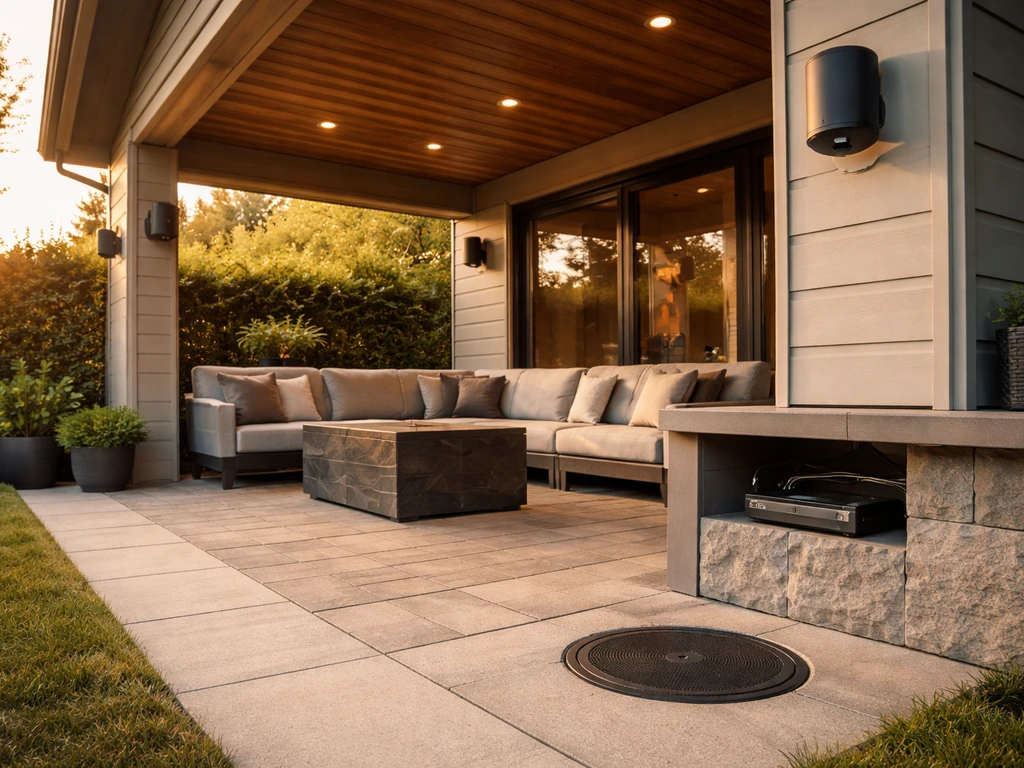
What the Sonance Patio Series 4.1 actually is
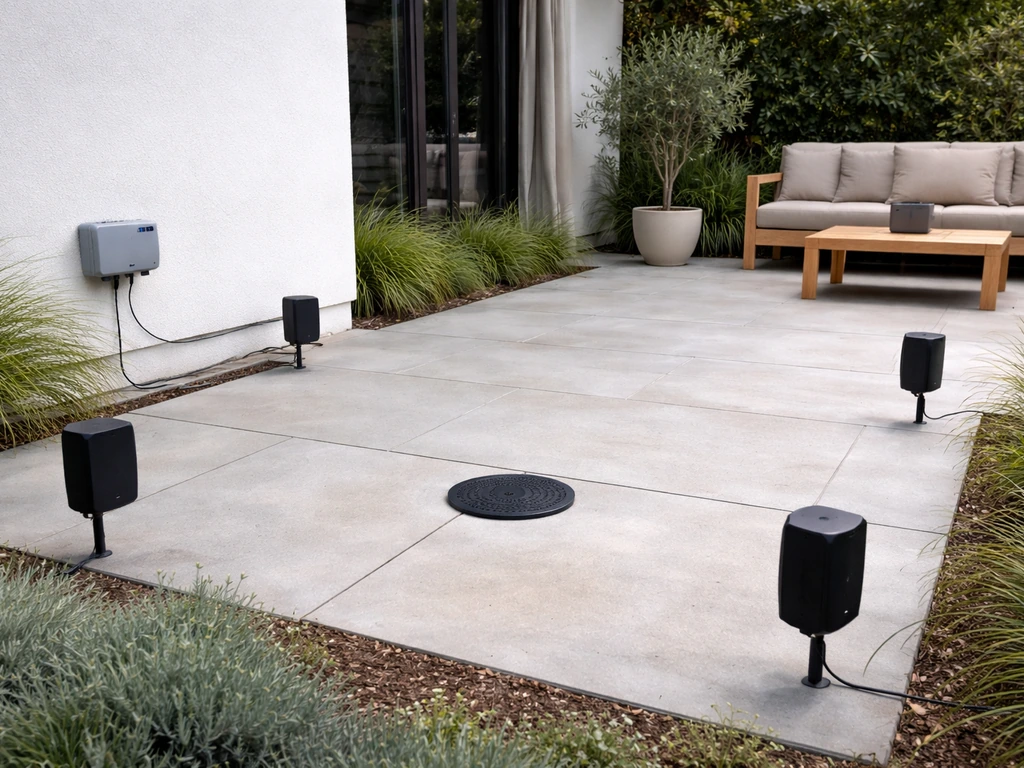
The "4.1" in the name is literal: four satellite speakers plus one in-ground subwoofer, all driven by a single DSP-based digital amplifier. Sonance sells the full system under SKU 93429 (and the amplifier-included variant as 93730). The satellites use 3.5-inch anodized aluminum cone drivers with a Santoprene surround, materials chosen specifically for open-air outdoor environments where UV exposure and moisture are ongoing issues. The Sonance Patio Series 4.1 user manual describes the satellite speakers as (4) 3.5-inch anodized aluminum cone speakers with a Santoprene surround, designed for open-air outdoor listening 3.5-inch anodized aluminum cone drivers with a Santoprene surround. The subwoofer is an 8-inch dual voice coil unit that drops into the ground using the included 9-inch ground stakes, sitting flush or just above your lawn or landscaping.
This system is designed for dedicated outdoor audio zones, not casual listening. Think covered patios, pool decks, outdoor kitchens, pergola areas, or any defined outdoor living space where you want background-to-moderate party-level music that covers the whole area evenly. If you have ever been annoyed by one loud Bluetooth speaker that only sounds good in one spot, this is the architectural answer to that problem.
Check these things before you buy
The single biggest compatibility question is amplification. The system is 8-ohm impedance-matched, which means it is designed to play nicely with the included Sonance DSP amplifier (the UA 2-125 in the 93730 bundle). If you already have a separate outdoor AV receiver or whole-home audio system like Sonos Amp, Control4, or a third-party multi-zone amp, you need to confirm it can handle the impedance load and that you are not doubling up on amplifiers you do not need. Buying the 93730 bundle with the DSP amp included is the cleaner path for most homeowners who are starting fresh.
Beyond the amp, here is what to think through before placing an order:
- Coverage area: The 4.1 is rated for up to 1,000 sq. ft., but that assumes a reasonably symmetrical layout. An L-shaped patio or a long narrow space will need speaker placement adjustments and may not cover every corner evenly.
- Power run: You need a dedicated outdoor-rated power circuit for the amplifier. If your patio does not already have one near the mounting location, factor in electrical work costs early.
- Ground condition for the subwoofer: The in-ground sub needs soft enough soil or mulch to stake in properly. Compacted gravel or concrete slabs are a non-starter without a workaround like a surface mount or planter bed placement.
- Source input: The DSP amp takes a standard line-level input. You will feed it from a streaming device (Apple TV, Fire Stick, dedicated streamer), a smart speaker with a line out, or a whole-home audio hub. There is no built-in Bluetooth or Wi-Fi in the amplifier itself.
- Mounting surfaces for satellites: The four satellites are designed to mount on posts, eaves, or walls. Make sure you have solid mounting points at roughly 8 to 10 feet of height for best dispersion.
How it sounds in the real world
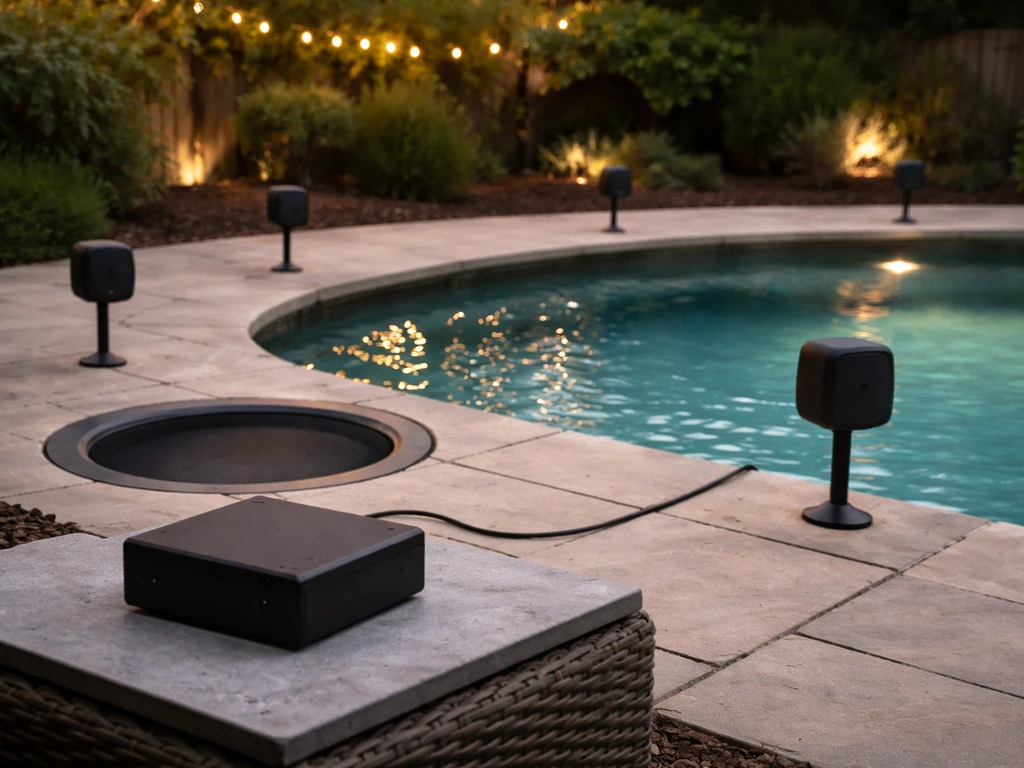
Outdoors is a brutally honest environment for speakers. There is no room to reinforce bass, walls do not help you, and ambient noise from wind, traffic, or pool pumps competes constantly. The Patio Series 4.1 handles this better than most systems in its class, but with some realistic caveats.
The four 3.5-inch satellites are small drivers, and that is intentional for outdoor aesthetics, but small drivers have limits. At background and conversation levels (think dinner party music), they are clear and well-balanced with no harshness. The anodized aluminum cones give the mids and highs a slightly detailed, airy quality that works well outdoors. Push them harder toward party volume and they hold up reasonably well, though very high volumes in a wide-open space will reveal some compression and the satellites will start sounding strained before the sub does.
The 8-inch dual voice coil in-ground subwoofer is where this system genuinely separates itself from most outdoor audio alternatives. Burying the sub in the ground actually works acoustically: the earth around it acts as a kind of infinite baffle, giving you surprisingly tight, felt bass that travels across a large outdoor area. It is not a home theater subwoofer in terms of raw output, but it fills in the low end that the satellites simply cannot produce and makes the system sound like a real audio setup rather than background noise. On a warm summer evening with light wind, you can feel the bass on a large patio in a way that surprises people who have never heard an in-ground sub before.
Wind and ambient outdoor noise are the honest limits of any patio speaker system. When wind picks up past about 10 mph across an open space, it interferes with the listening experience regardless of brand or price point. The Patio 4.1's dispersion pattern (four satellites spread across the space) helps because you are always relatively close to at least one speaker, which minimizes how much you need to push volume to compensate. That even coverage design is a real practical advantage compared to a single or dual-speaker outdoor setup.
Day-to-day controls and usability
The Patio Series 4.1 is a passive system that depends entirely on how you set up your source and control chain. The DSP amplifier does not have app control or a remote of its own in standard form. Most homeowners feed it from a streaming device like a Sonos Connect, Apple AirPlay receiver, or a smart home hub, then control volume through that device's app or a wall-mounted volume control if they add one.
For simple setups: run a line from your phone via a Bluetooth-to-line receiver to the amp input and you are controlling volume from your phone. For integrated setups: this amp plays very nicely in whole-home audio systems from Control4, Savant, or even simpler Sonos Amp configurations where you swap the DSP amp for the Sonos Amp. Switching sources is as easy or as annoying as whatever upstream device you choose, so pick that device thoughtfully.
One usability note worth flagging: if you want the system to work with your outdoor TV (a common ask for covered patio setups), you will need a way to send audio from the TV to the amp's line input, typically via an HDMI ARC extractor or optical-to-analog converter. It is not complicated but it is an extra step and an extra component. Plan for it and budget for it up front rather than discovering it after installation.
Build quality and weather durability
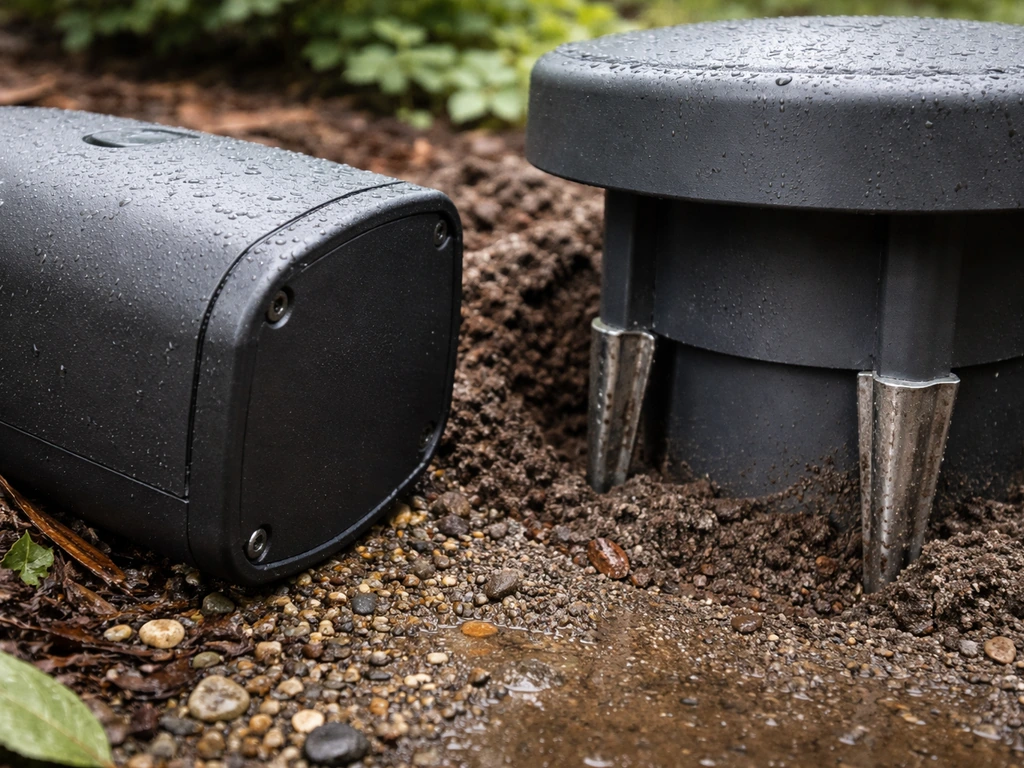
Sonance designed the Patio Series specifically for outdoor permanence, and the material choices reflect that. The satellite enclosures are sealed ABS plastic rated as non-corroding and high-heat resistant, which matters in climates that swing from freezing winters to 100-degree summer days. The 3.5-inch aluminum cone drivers and Santoprene (a synthetic rubber) surrounds resist UV degradation and moisture far better than paper or foam surrounds found in budget outdoor speakers.
The in-ground subwoofer is encased for direct burial, and the ground stakes are included. The enclosure is sealed to prevent water intrusion in normal rain and irrigation conditions. That said, "burial rated" does not mean "flood proof", if your yard has drainage problems or your sub is in a low spot that pools water, you will eventually have a problem. If you are curious about how the in-ground subwoofer holds up after a bad storm, check the body under the patio review for real-world installation notes. Good drainage around the sub location is a real installation consideration, not a minor footnote.
For ongoing maintenance, the recommended habits are simple but worth doing: check speaker grille condition yearly (debris and spider webs can build up in outdoor speakers), wipe down the satellite enclosures after major weather events, and confirm the in-ground sub area is draining properly every spring. These are five-minute tasks that pay off in years of longevity. Sonance builds these speakers to last a decade or more in outdoor conditions when installed correctly.
DIY vs. hiring a pro: what installation actually involves
This is where homeowners often underestimate the project. The Sonance Patio Series 4.1 is not technically impossible to self-install if you are comfortable with basic home wiring and have a fish tape or wire staple gun. But there are three things that genuinely benefit from professional hands: running in-wall or in-conduit speaker wire to mounting locations, setting up the DSP amplifier's gain structure correctly, and placing the in-ground sub optimally for your specific yard layout.
For a rough cost baseline: professional outdoor audio installation in North America runs anywhere from $300 to $800 in labor for a straightforward 4-speaker patio job, depending on your region and whether new wire runs are needed. If electrical work (new circuit for the amp) is also required, add another $150 to $400 depending on distance and local rates. Many patio contractors who handle outdoor living builds will also coordinate with an A/V installer, so it is worth asking your patio contractor about bundling the audio installation into the same project.
If you are going DIY, the practical checklist looks like this:
- Plan all four satellite positions before running any wire. Mark the spots, then test the coverage by standing in different areas of your patio.
- Use 16-gauge or 14-gauge outdoor-rated (CL3 or CL3P) speaker wire for runs. Never use basic indoor speaker wire in an outdoor application.
- Run wire through conduit wherever it is exposed above ground. Buried runs should be in conduit or use direct-burial rated cable.
- Place the in-ground sub in a landscaped area near the center of the patio space, away from standing water zones. Stake it in firmly and cover with a few inches of mulch.
- Set the amp's input sensitivity and crossover settings before you consider the install final. The DSP controls what the sub and satellites each handle, and wrong settings will make the system sound off.
- Test the system at low, medium, and high volumes after installation before finishing any wire concealment.
How it compares to the alternatives
The honest competitive landscape for the Patio Series 4.1 sits between entry-level Bluetooth speaker setups (like what you'd find reviewed in a general patio speaker or Bluetooth patio speaker roundup) and full custom outdoor audio installs from brands like Polk Audio or Klipsch. The Polk Audio Patio 200, for example, is a well-regarded two-speaker alternative for smaller spaces at a lower price point, but it does not include a subwoofer and tops out coverage around 400 sq. The Polk Audio Patio 200 is widely discussed in polk audio patio 200 reviews for its sound and value. ft. The Sonance 4.1 is a step up in both complexity and performance.
| System | Speakers | Subwoofer | Coverage | Amp Included | Best For |
|---|---|---|---|---|---|
| Sonance Patio Series 4.1 | 4 satellites (3.5" aluminum) | 8" in-ground | Up to 1,000 sq. ft. | DSP amp (in bundle) | Medium-large patios, full outdoor living builds |
| Sonance Patio Series (2.1 or smaller) | 2 satellites | In-ground sub | Up to ~500 sq. ft. | Separate amp needed | Smaller patios or budget-conscious builds |
| Polk Audio Patio 200 | 2 full-range speakers | None | ~400 sq. ft. | No (passive) | Simple setups, smaller decks |
| Generic Bluetooth patio speakers | 1–2 portable units | None | Very limited | Built-in (battery) | Casual, no-installation listening |
Within the Sonance family itself, if your space is under 500 sq. ft. or your budget is tight, look at the standard Sonance Patio Series two-speaker configuration first. The full 4.1 system makes the most sense for spaces where two satellite speakers simply would not cover the area, or where you really want that in-ground sub impact as part of a deliberate outdoor entertainment setup.
Should you buy it? The honest verdict
Buy the Sonance Patio Series 4.1 if you have a 600 to 1,000 sq. ft. If you want a wider look at how this kind of outdoor audio stacks up, see our Olympic Patio Tones review for additional performance and value notes. outdoor living space, want permanently installed audio that performs at real-world listening levels (not just background whisper), and are building or renovating a patio where installing speakers as part of the project makes sense. The in-ground subwoofer is the genuine differentiator here: it produces bass that smaller satellite-only systems simply cannot match outdoors, and it does it in a way that feels natural and integrated rather than tacked on.
Do not buy it if you want something you can move around, if you are renting, if your patio space is under 400 sq. ft. (you are overpaying for coverage you do not need), or if you want simple Bluetooth streaming with no installation work. For those scenarios, a quality Bluetooth patio speaker option is the smarter call. If you are deciding between installed patio audio and portable gear, these patio speaker reviews will help you compare the practical tradeoffs Bluetooth patio speaker option. But for homeowners building a serious outdoor living space with a patio contractor, adding the Sonance Patio Series 4.1 to the project is one of those upgrades that genuinely improves how you actually use your backyard every day. If you are still comparing options, this sonance patio series review is a useful related read alongside the rest of the buying and compatibility checks above. If you are deciding between brands, these koda patios reviews can help you compare what you get for the money.
FAQ
Can I use the Sonance Patio Series 4.1 with just a Bluetooth speaker or phone app like a portable outdoor speaker?
You can, but you need a line-level feed to the DSP amp. The system is not a Bluetooth speaker, so plan on a Bluetooth-to-line receiver or an AirPlay/streaming source. If you skip this and try to run speaker wire from a typical Bluetooth amplifier, you risk an impedance mismatch or double amplification.
What audio inputs will the DSP amplifier accept, and what cables do I actually need?
In typical setups the DSP amplifier is fed by line-level audio, so you will usually run RCA or similar line connections from your source device. If your source is a TV, you will often need an HDMI ARC extractor or an optical-to-analog converter to get audio into the amp. Having the correct converter in hand before install avoids rework.
How do I choose the best placement for the in-ground subwoofer in my yard?
Place the sub where drainage is reliable and where it sits in the listening area footprint, not in the lowest point that collects water. For best integration with the four satellites, avoid extreme distances from the main listening zone. If you have an irregular patio layout, consider doing a quick “speaker map” first (mark approximate satellite positions) before finalizing the sub location.
Is it safe to bury the subwoofer, and does burial ever fail in rainy climates?
Burial is intended for normal rain and irrigation, but it is not the same as flood proof. In yards with poor drainage or pooling after storms, water intrusion can still become an issue over time. A practical step is to check that the sub area drains within a reasonable time after heavy watering or storms.
What volume level should I expect before the satellites start sounding strained?
The satellites handle background to dinner-party levels very cleanly, and they can reach higher party volume with some compression at the high end. If you regularly host louder gatherings in an open space, expect the system to sound better if you tune the DSP and keep source volume headroom sensible, rather than trying to max out everything upstream.
Will wind ruin the sound, and can placement help?
Wind can significantly affect clarity in open patios, since it changes dispersion and adds noise. The four-satellite layout helps because you are closer to at least one speaker, but you will still notice performance drops when wind is strong. If your patio is very exposed, consider barriers or partial enclosure (pergola, fence line, landscaping) to reduce direct wind path.
How should I set DSP gain if I DIY the installation?
You want to match the amplifier’s gain so it reaches clean output without clipping. Use a consistent test source, start with conservative gain, then raise gradually while listening for distortion during peaks. If you are unsure, this is one of the spots where pro setup is worth it because wrong gain can cause noise floors or harshness.
Can I expand to more zones or add more speakers later?
The system is built around its own DSP amplifier and a defined satellite and sub configuration, so expansion is not typically a simple “add speakers to the same amp” scenario. If you want additional zones, plan on additional DSP-capable amplification per zone (or a compatible whole-home audio layout) rather than assuming one amp can drive everything.
What’s the biggest mistake people make with outdoor audio like this?
Running a source or amplifier chain that does not match the system design is the most common issue, especially impedance, clipping, or feeding the DSP amp incorrectly. Another frequent mistake is under-planning wire paths and sub placement, since the in-ground sub location and DSP tuning affect the whole listening experience.
Do I need special weather protection or maintenance tools?
No special weather gear is required, but simple maintenance matters. Plan to clear debris from grilles, wipe enclosures after harsh storms, and inspect the sub area drainage each spring. In spider-prone regions, a quick seasonal check prevents trapped webs from dulling high frequencies.
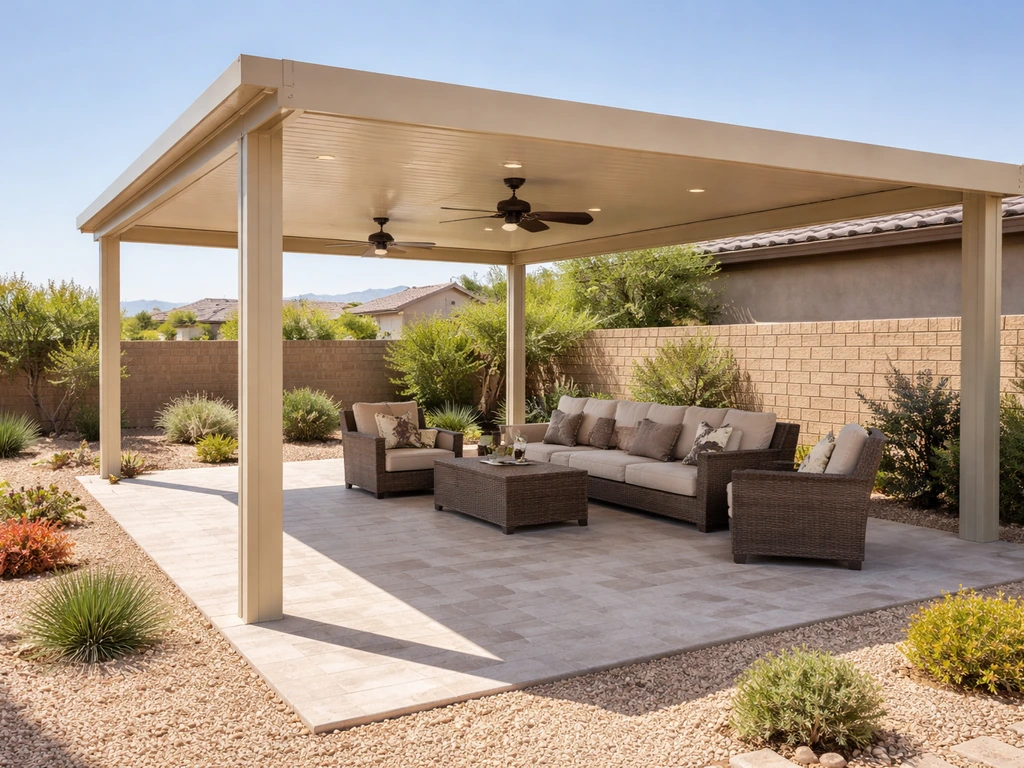
Koda patios reviews guide: spot red flags, compare quality, timelines, warranties, and prep questions before you hire.
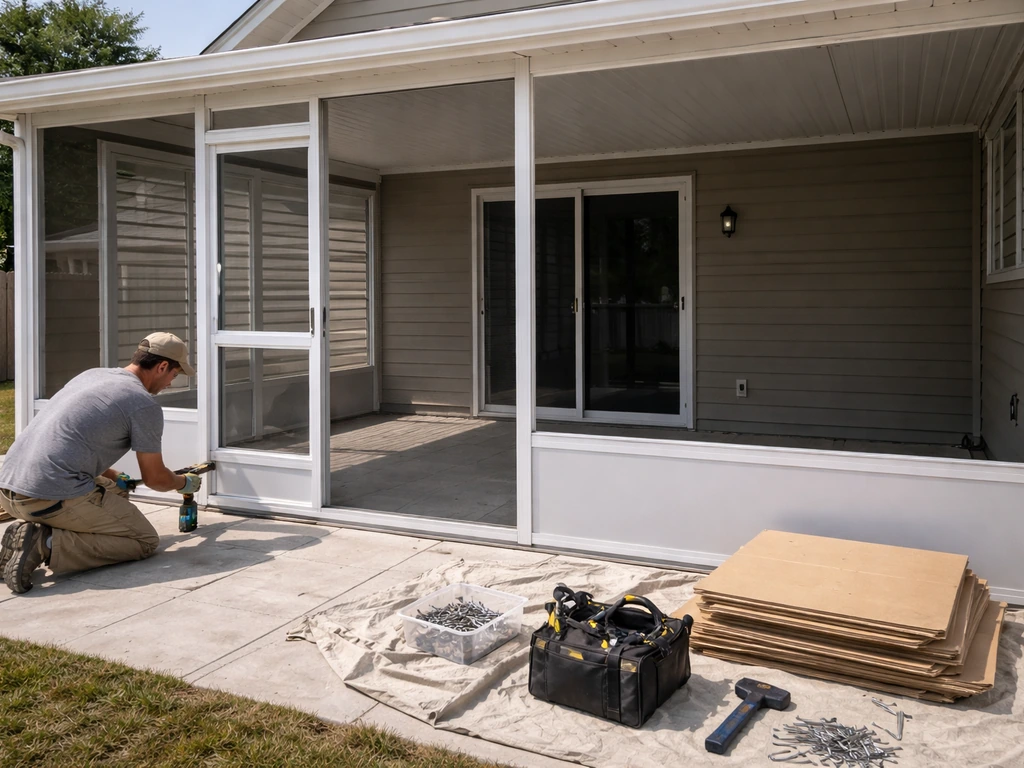
Use Ford patio reviews to vet contractors: verify the right company, read themes, compare quotes, and avoid install issu
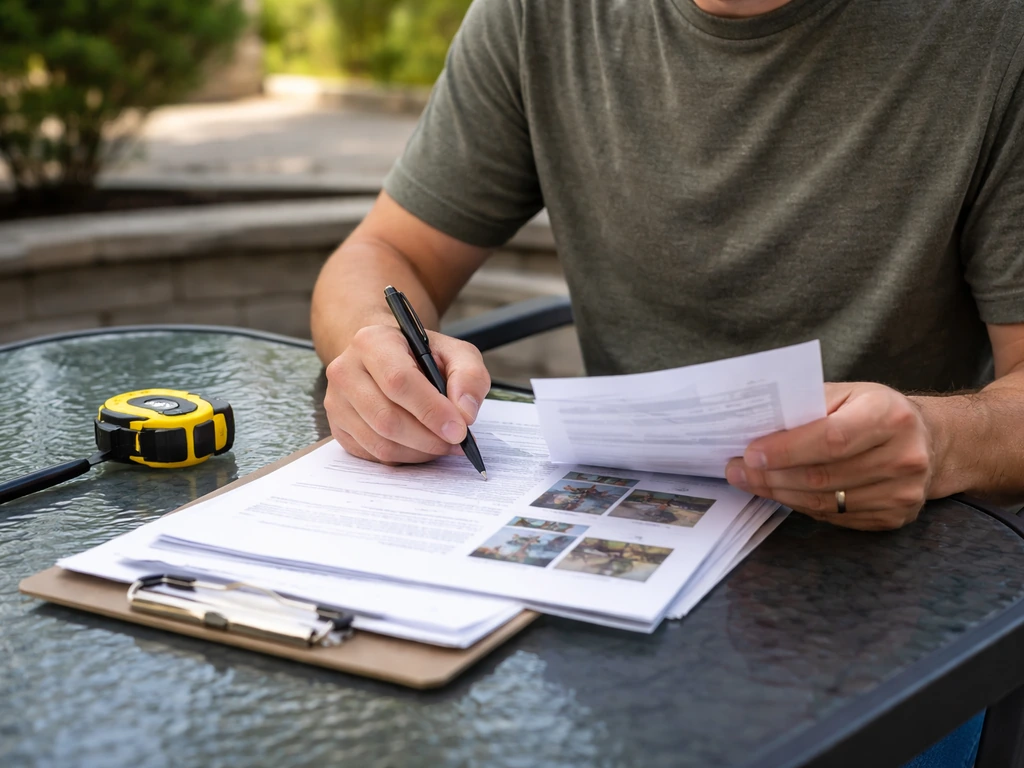
Learn how to trust Ohio custom pool and patio reviews, spot red flags, shortlist pros, and request accurate bids.