
Yes, the Polk Audio Patio 200 is a solid buy for a wired outdoor patio setup if you want reliable, clear sound from a weatherproof speaker pair without overthinking the install. If you are evaluating tone quality and sound performance before you buy, this Olympic patio tones review-style approach helps you compare expectations against real results Patio 200. They rate 4.
Polk Audio Patio 200 Reviews: Real Outdoor Sound, Build, Setup

Maren Lawson
1 Jul 2026
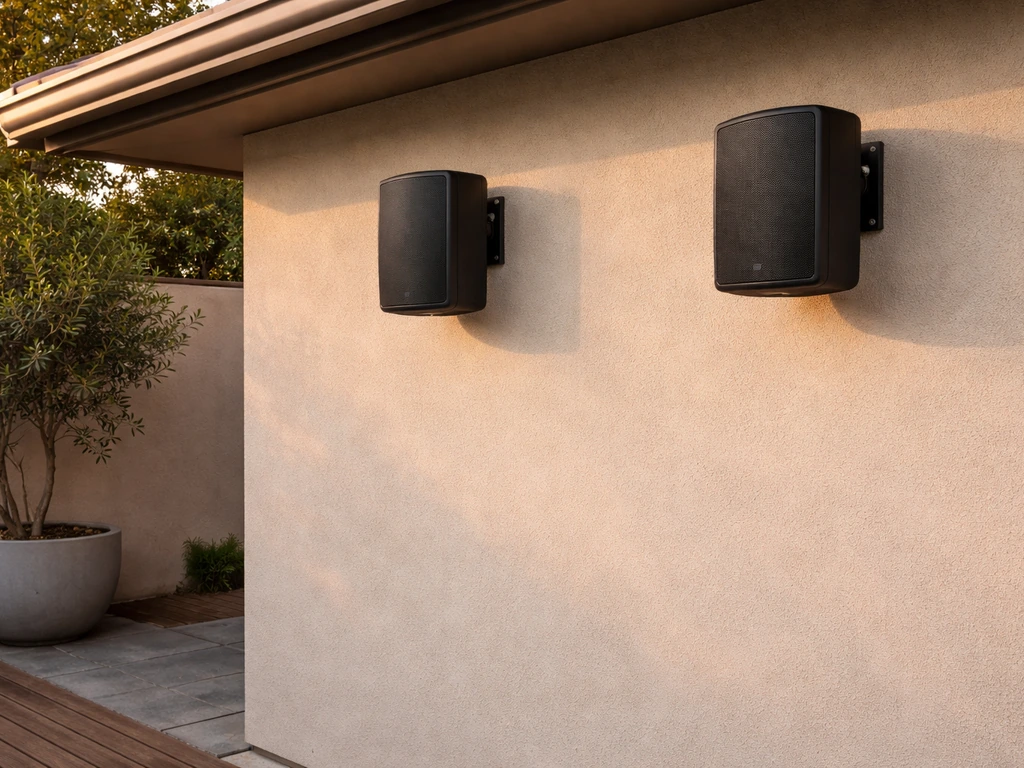
7/5 across 59 aggregated reviews, handle up to 100 watts peak at 8 ohms, and their sealed mineral-filled enclosure with stainless steel hardware genuinely holds up outdoors. The catch is that they are not wireless, they bottom out at 60 Hz so bass is limited, and you need a decent receiver or amplifier to get the most out of them. If those tradeoffs work for you, they are worth every bit of the roughly $250 retail price.
What the Polk Audio Patio 200 is and who it's for
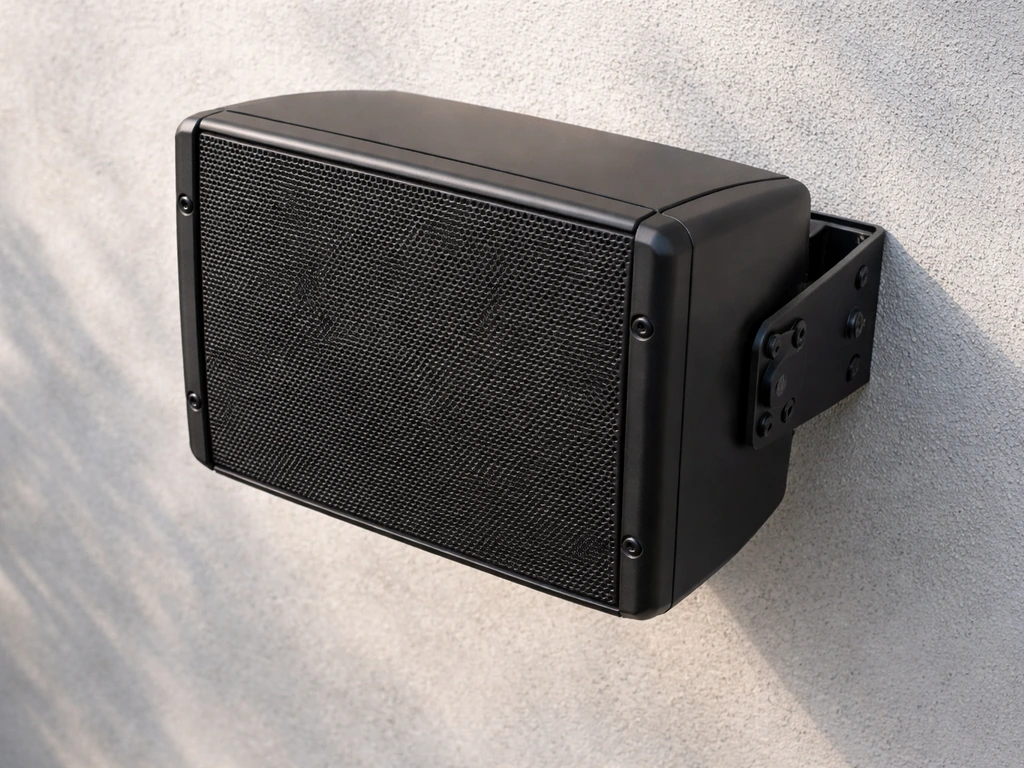
The Patio 200 is a 2-way wired indoor/outdoor speaker that Polk designed specifically for permanent outdoor installation. Each speaker measures 10.31 inches tall, 6.75 inches wide, and 6.69 inches deep, and weighs 4.6 pounds. The driver lineup is a 5-inch Dynamic Balance polypropylene woofer paired with a 3/4-inch anodized aluminum dome tweeter. They come as a pair and connect via speaker wire to a separate receiver or amplifier, which is important to know upfront: there is no Bluetooth, no Wi-Fi, no built-in amp. This is a passive speaker system.
They are built for homeowners who want background-to-moderate-volume music on a patio, deck, or covered outdoor living space and are comfortable running speaker wire from an indoor receiver. If you already have a stereo receiver or AV receiver with speaker outputs, you are the target customer. If you want to stream directly from your phone without any wiring, look at our coverage of Bluetooth patio speakers instead, because the Patio 200 is not that product. If streaming is the priority and you want to skip wiring, the best place to start is with Bluetooth patio speakers reviews that compare models for range and sound quality.
Real-world sound performance: clarity, volume, and coverage
The Patio 200 specs tell a fairly honest story. Sensitivity is 90 dB at 1 watt/1 meter, which means they get reasonably loud without asking a lot from your amp. Frequency response runs from 60 Hz to 25 kHz. That lower limit of 60 Hz means you are not getting deep bass from these speakers on their own. Kick drums and bass guitar will be present but not full, and anything below 60 Hz simply disappears.
In practice, real users consistently describe the mids and highs as the strong suit. The alaTest aggregated review analysis specifically calls out impressive treble quality, and Best Buy review themes echo that with phrases like excellent sound quality and good bass response (relative to their size class, not compared to a subwoofer). One owner running two Patio 200s about 30 feet apart on a patio reported that they sound pretty good, bass is handled acceptably, and they never needed to push the volume to maximum. That is a realistic benchmark: at moderate volumes across a mid-sized patio, these speakers genuinely deliver.
Coverage depends heavily on placement. For a typical 200 to 400 square foot patio, a pair placed 8 to 10 feet apart and mounted at roughly 8 to 10 feet high gives solid, even dispersion. Go much higher than 10 feet and you lose the direct sound field; too close together and you create overlap and phase issues. The Patio 200's 5-inch woofer is not meant to fill a large open backyard on its own. Think covered patio, deck, or pergola rather than a sprawling lawn.
Build quality and weather resistance for outdoor use
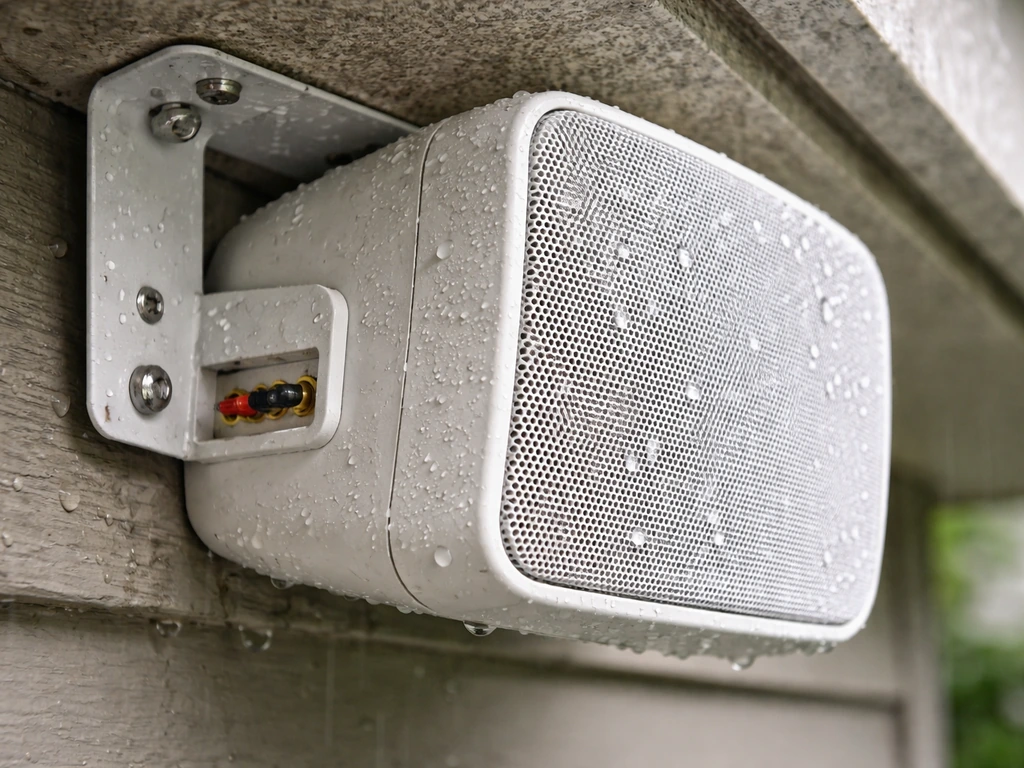
Polk put real thought into the outdoor construction here. The enclosure is a sealed, mineral-filled cabinet designed to block moisture intrusion. The grille and mounting bracket are rust-resistant aluminum. All hardware is stainless steel. The woofer cone is polypropylene, which resists moisture absorption and UV degradation better than paper cones. The tweeter dome is anodized aluminum, another material that handles humidity and temperature swings without degrading. Combined, these choices mean the Patio 200 should realistically survive years of rain, humidity, heat, and cold in most North American climates.
Best Buy reviewers specifically call out the ability to withstand various weather conditions as a consistent positive, and this matches what the materials suggest. One thing to keep in mind: Polk describes these as weather-resistant, not fully waterproof. For example, if your install is directly under a patio or takes regular water spray, you may want to look at the body under the patio review guidance to set expectations and protect the speakers.
If you are mounting them somewhere that takes direct, sustained water spray (like directly under a gutter line or in an unprotected spot that gets standing water), you are pushing beyond the design intent. A covered patio, soffit mount, or under an eave is the right environment.
Installation and setup: wiring, mounting, and placement tips
Installation is genuinely straightforward, which is one of the most-praised aspects in customer reviews. The speakers include a mounting bracket, and most homeowners can handle the physical mount with basic tools. Here is what matters practically: For more detail on this model and how it stacks up, see the Sonance Patio Series review and comparisons.
- Mount height: Keep speakers between 8 and 10 feet off the ground. Higher than that and the sound disperses before reaching ear level.
- Spacing: Aim for 8 to 10 feet apart for even stereo coverage across a standard patio. Wider spacing than that starts to create a hole in the soundstage.
- Angle: Tilt the speakers slightly downward toward the listening area. Most brackets allow for adjustment.
- Wire gauge: Use 16 AWG speaker wire for runs under 80 feet. For longer runs (80 to 150 feet), step up to 14 AWG. Beyond 150 feet, go to 12 AWG. Undersized wire for long runs causes resistance, which translates to lost volume and damping control.
- Wire routing: Run wire through conduit or along the wall in a way that keeps it protected from UV exposure and physical damage. Outdoor-rated speaker wire is worth the small extra cost.
- Connections: Strip about half an inch of insulation, twist the strands, and make secure connections at both the receiver binding posts and the speaker terminals. Loose connections are a leading cause of hum and intermittent sound.
Because the Patio 200 is described by Polk as an indoor/outdoor speaker, you can also use it in finished indoor spaces like a sunroom or enclosed patio addition without any concerns about acoustic mismatch. That flexibility is a genuine plus for homeowners building out layered outdoor living spaces.
Power requirements and system matching
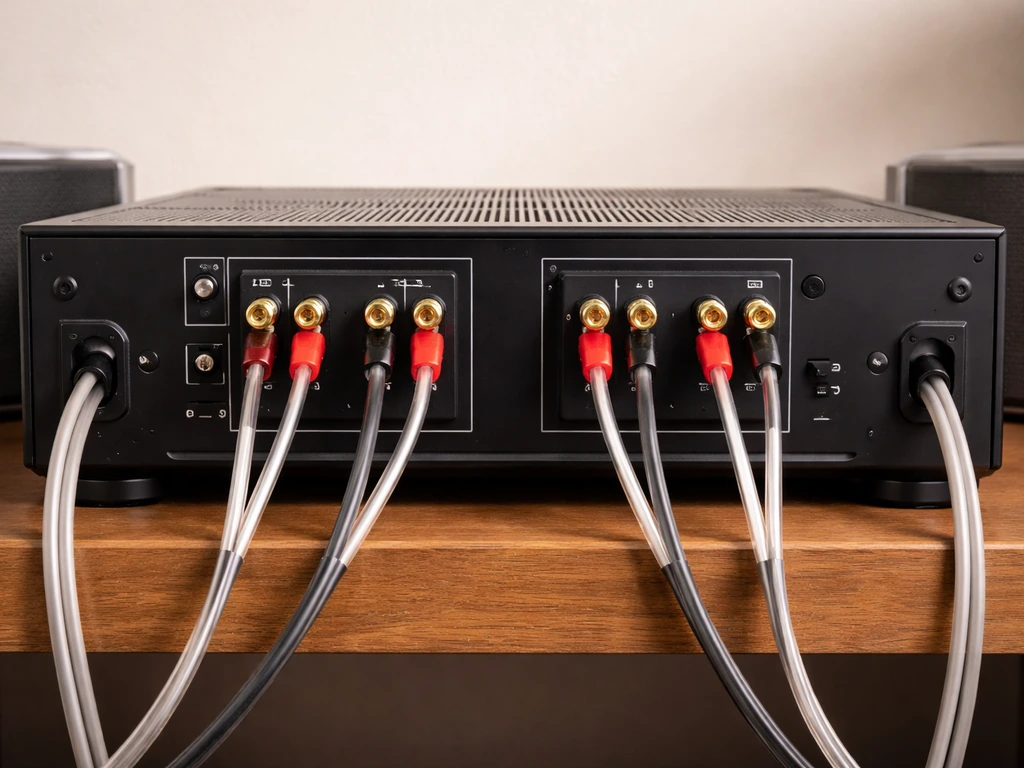
The Patio 200 runs at 8 ohms impedance, handles 50 watts RMS continuously, and peaks at 100 watts. That is a pretty typical load for most stereo receivers and AV receivers on the market. The 90 dB sensitivity means you do not need a powerful amp to get usable volume outdoors, but you do need a stable amp that handles 8 ohm loads cleanly.
One confirmed issue worth knowing: a forum post on the Polk Audio community documents bass garbling when the Patio 200 was connected to an Onkyo TX8511 receiver rated at 100 watts per channel at 8 ohms. The cause in cases like this is typically the receiver's bass management settings, crossover points, or EQ pushing more low-frequency signal into the speakers than their 60 Hz floor can cleanly reproduce. If you experience bass distortion, the first step is to check whether your receiver has a crossover or bass/treble EQ and dial it back before assuming the speakers are defective.
Similarly, a Sonos community thread documents Patio 200 owners running them with a Sonos Connect:AMP experiencing occasional amp protection shutdowns and some distortion. For more background on the Sonance Patio Series, see how it stacks up on everyday installation and sound performance Sonos community thread. The likely culprit there is impedance mismatch or the Connect:AMP's protection circuitry reacting to a transient spike. If you are using a streaming amp rather than a traditional receiver, make sure its output impedance and power rating are compatible and that no additional speakers are wired in parallel in a way that drops the total impedance below 4 ohms.
Do you need a subwoofer? Technically yes, if bass is important to you. The 60 Hz floor means bass guitar, kick drum, and lower synth frequencies are reproduced but thin. Adding an outdoor-rated subwoofer fills that gap meaningfully. If you mostly listen to vocal music, podcasts, acoustic genres, or light background music, you will likely be fine without one. For anything bass-heavy, a subwoofer makes the system noticeably more satisfying.
Pros, cons, and how they compare to alternatives
Here is a direct look at the Patio 200 against a close Polk alternative and the broader value picture:
| Feature | Polk Patio 200 | Polk Atrium 4 | Polk Atrium 6 |
|---|---|---|---|
| Woofer size | 5 inch | 4 inch | 6.5 inch |
| Sensitivity | 90 dB | 89 dB | 91 dB |
| Frequency response | 60 Hz – 25 kHz | 65 Hz – 20 kHz | 40 Hz – 20 kHz |
| Peak power handling | 100 watts | 100 watts | 100 watts |
| Impedance | 8 ohms | 8 ohms | 8 ohms |
| Weather resistance | Sealed mineral enclosure, SS hardware | ABS enclosure, UV-resistant | ABS enclosure, UV-resistant |
| Approximate retail (pair) | $250 | $120–$150 | $180–$220 |
| Best for | Covered patio, permanent install | Small spaces, budget-focused | Larger open areas, more bass |
The Patio 200's mineral-filled sealed enclosure is a step above the standard ABS enclosures on the Atrium line in terms of rigidity and moisture resistance. The Atrium 6 goes lower in frequency (40 Hz vs 60 Hz) and suits larger or more open outdoor spaces better, but costs less and has a different build character.
If you are choosing between these, pick the Patio 200 for a covered patio or permanent soffit installation where build quality and a cleaner look matter. Choose the Atrium 6 if you need more bass extension or are covering a larger open area on a tighter budget. For context on how other patio speaker options compare, the broader patio speaker reviews landscape includes both wired and Bluetooth patio speaker options worth considering alongside this one.
If you are comparing options beyond the Patio 200, looking at koda patios reviews can help you spot which models hold up best in real outdoor use.
- Pro: Excellent treble clarity and midrange detail for outdoor use
- Pro: Sealed mineral-filled enclosure is genuinely more weather-durable than many competitors
- Pro: Easy installation with included bracket and hardware
- Pro: 90 dB sensitivity means they get loud without needing a powerful amp
- Pro: Stainless steel hardware resists corrosion over multiple seasons
- Con: No wireless or Bluetooth, requires a separate receiver and speaker wire run
- Con: 60 Hz low-end limit means limited bass without a subwoofer
- Con: Listed as archived/unavailable at some major retailers, so sourcing requires checking
- Con: Bass distortion possible with poorly matched receivers or incorrect EQ settings
Common issues and how to fix them
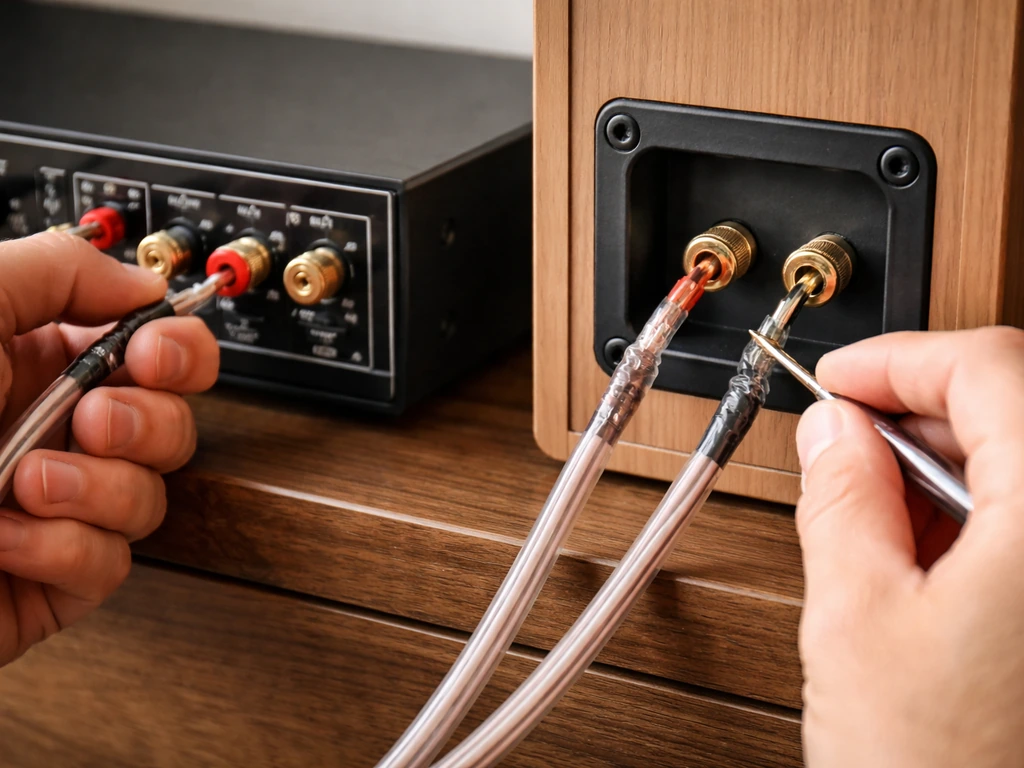
Bass sounds garbled or distorted
This is the most documented complaint in forum discussions. The Patio 200 rolls off at 60 Hz, so if your receiver or amp is sending strong bass signal below that point, the speaker is trying to reproduce frequencies it cannot handle and the result is distortion. Fix it by going into your receiver's speaker settings and either setting the Patio 200 as small speakers (which activates a high-pass filter) or manually adjusting the bass trim down. If you have a subwoofer output on your receiver, enable it and let the sub handle everything below 80 Hz.
Low volume despite turning the receiver up
Two common causes: undersized speaker wire for the run length (use at least 16 AWG for runs under 80 feet), or impedance loading issues if you have multiple speakers on one channel. For practical planning, ShunShelter recommends using appropriate wire gauges by run length (for example, 16 AWG for runs under 80 ft and thicker wire for longer runs) and placing outdoor speakers about 8 to 10 feet apart. Check your wire gauge first. If you are running multiple pairs of speakers from one receiver zone, make sure the total impedance does not drop below the receiver's minimum, usually 4 or 6 ohms. Adding speakers in parallel halves the impedance with each additional pair.
Buzzing or humming
A constant hum or buzz is almost always a grounding or connection issue, not a speaker defect. Check every terminal connection at both ends of the speaker wire. Make sure the wire is not running parallel to an AC power cable for any significant length, as this introduces interference. If you are using a streaming amp or smart home device as the source (like a Sonos Connect:AMP), verify there are no ground loops between the source component and the speaker wire run. A ground loop isolator in the signal chain is an inexpensive fix if the hum persists.
One speaker is louder than the other
Imbalance between the two speakers usually comes from a loose or inconsistent wire connection at one speaker terminal, or from the receiver's balance control being off-center. Check the physical connections first. Then look at your receiver's balance setting and make sure it is centered. If you ran different wire lengths to each speaker, very long runs with undersized wire can also cause slight level differences.
What to check before you buy, and where to get them
Before purchasing, run through this quick checklist to confirm the Patio 200 is the right fit for your setup:
- Do you have a receiver or amplifier with speaker outputs? If yes, you are ready. If not, budget for one before the speakers.
- What is your patio size? For a space up to roughly 400 square feet with a covered or enclosed area, a single pair works well. Larger or fully open spaces may need additional pairs or a more powerful speaker.
- How long is your wire run from the receiver to the mounting location? Measure the route (not just the straight-line distance) and choose wire gauge accordingly: 16 AWG under 80 feet, 14 AWG for 80 to 150 feet.
- What is your mounting surface? Soffits, wood framing, and masonry all need different fasteners. The included bracket works on standard wood framing; masonry requires appropriate anchors purchased separately.
- Is bass a priority? If you regularly listen to hip-hop, EDM, or anything bass-heavy, plan for a subwoofer from the start.
- Is the installation location covered or exposed to direct weather? The Patio 200 is weather-resistant but performs best under a roof overhang, soffit, or covered structure.
On sourcing: the Patio 200 is listed as unavailable at Best Buy at the $249. 99 retail price point and is noted as archived on Polk's own site as of mid-2026. That means your best options are authorized audio dealers, Crutchfield (which carries a wide range of Polk outdoor speakers), or Amazon marketplace listings. If you buy through a third-party marketplace listing, verify the seller is authorized and check that the product has not been relabeled or repackaged.
Polk's warranty is only valid through authorized channels, and for an outdoor speaker that you are relying on for long-term performance, that matters. If you cannot find the Patio 200 in stock, the Polk Atrium 6 or Atrium 8 are current production alternatives from the same brand family with similar outdoor build philosophy.
Bottom line: the Polk Audio Patio 200 is a well-built, genuinely weather-resistant wired outdoor speaker that earns its strong reputation through clear mids and highs, durable materials, and an honest easy installation. Its limitations are real but predictable: no wireless, limited bass extension below 60 Hz, and it needs a proper receiver and correctly sized speaker wire to perform well. If you go in knowing those tradeoffs and set the system up correctly, you are likely to be in the majority of satisfied owners rather than the small group chasing bass distortion issues on forums. If you are comparing options before buying, these Ford patio reviews can help you judge how other outdoor speaker setups hold up in real conditions.
FAQ
Can I use the Polk Audio Patio 200 as a wireless speaker with a phone app?
No. Patio 200 is a passive speaker pair, so you must use a traditional stereo receiver or an external power amplifier (including an outdoor-rated amp) with speaker wire outputs. If your “amp” only has line-level outputs or uses proprietary connections, you likely need an additional amplifier stage.
Will the Patio 200 get loud enough for an open backyard?
Sensitivity is 90 dB at 1 watt, but outdoors your real volume depends on your amp’s power stability into 8 ohms and the length of the speaker wire run. If you routinely listen loud, oversize the wire and confirm your amp handles 8 ohm loads comfortably, otherwise you can hear harshness when the system is pushed.
What receiver settings should I use to prevent bass distortion (especially if I add a subwoofer)?
Yes, but only within limits. Set the receiver to send low frequencies away from the Patio 200 by marking them as “small,” use the crossover setting (commonly 80 Hz as a starting point if you have a sub), and then adjust the sub’s level so vocals do not sound recessed.
My Patio 200 makes a constant buzz, is the speaker broken?
If the hum/buzz appears after installation, treat it like a wiring or grounding issue first, not a speaker defect. Re-seat connections at both speaker terminals, keep speaker wire away from AC power cables, and if you suspect a ground loop in the system, add a ground loop isolator on the signal chain.
Why does one Patio 200 sound louder than the other?
Often, one speaker sounds weaker because of an uneven connection, a bad splice, or the receiver balance control not being centered. After checking wiring tightness, confirm both channels are assigned correctly in the receiver zone settings, and if possible swap left and right connections to isolate whether the issue follows the wire or the speaker.
Do I really need a subwoofer, or can I skip it?
Use a high-pass approach mentally: any bass-heavy music benefits from redirecting sub-bass to a dedicated sub. If you do not want a sub, keep expectations realistic, you will get solid mids and treble, but the system will not reproduce the lowest kick drum and bass guitar fundamentals cleanly.
Can I mount the Patio 200 where it gets direct rain or water spray?
Mostly, yes, but “weather-resistant” is not the same as “fully waterproof.” If the speakers face direct, sustained water spray or standing water, you should relocate them to an eave or soffit, or use additional protection appropriate for outdoor exposure.
What happens if I connect multiple Patio 200 pairs to one receiver zone?
For parallel loads, the key is total impedance on each channel. Adding more pairs in parallel halves impedance with each additional set, so two pairs on one channel can drop below what some receivers tolerate. If you are wiring multiple pairs, check the receiver’s minimum impedance rating before connecting anything.
Can I use bass boost or room correction features with the Patio 200?
Use the receiver’s speaker outputs to confirm you have the right output type, and then set crossover and EQ carefully. Avoid pushing additional bass boosts (room EQ, “loudness,” or bass enhancement modes) because they can increase low-frequency content below the 60 Hz roll-off and cause garbling.
How do I troubleshoot bass garbling without assuming the speakers are defective?
Because Patio 200 rolls off below 60 Hz, any “distortion” that feels like muddiness at higher volume can be improved by reducing bass trim, disabling bass enhancement, and confirming the crossover setting is not set too low. If distortion persists after these changes, then revisit wire gauge and total impedance compatibility with your amplifier.
What are the biggest practical mistakes during installation?
Most homeowners can do it, but the two practical “gotchas” are cable management and mounting height. Plan for a clean wire path away from power lines, mount around the recommended 8 to 10 feet when you want even coverage, and keep the left/right spacing appropriate for your patio size.
Are the Patio 200 speakers safe to use inside a sunroom or enclosed patio?
You can use them in an indoor sunroom or enclosed space, but if the environment is more humid than typical indoor rooms, still treat them as outdoors-rated hardware. Keep the wiring routing secure and avoid pinching cables behind the wall mount.
Next Articles
Sonance Patio Series Review: Is It Worth It?
No-nonsense Sonance Patio Series review: outdoor coverage, durability, installation tips, and buying checklist for your

The Body Under the Patio Review: What to Do Safely
Safe steps, signs, and who to call after finding possible hazards under a patio slab, plus costs and documentation.
Sonance Patio Series 4.1 Review: Should You Buy It?
Honest Sonance Patio Series 4.1 review: sound, bass, coverage, weather durability, and key pre-buy compatibility checks.