
The Sonance Patio Series is a genuinely solid outdoor audio system for homeowners who want real, whole-backyard sound and are willing to pay for a proper wired installation. The flagship Patio 4.1 configuration covers up to 1,000 square feet with four satellite speakers and one in-ground subwoofer, all driven by a single DSP amplifier. It's not a plug-and-play Bluetooth setup you grab off a shelf. It's a permanent, professionally installed outdoor audio system designed to blend into your landscaping and still sound good five years from now.
Sonance Patio Series Review: Is It Worth It?

Maren Lawson
29 Jun 2026
What the Sonance Patio Series is and who it's actually built for
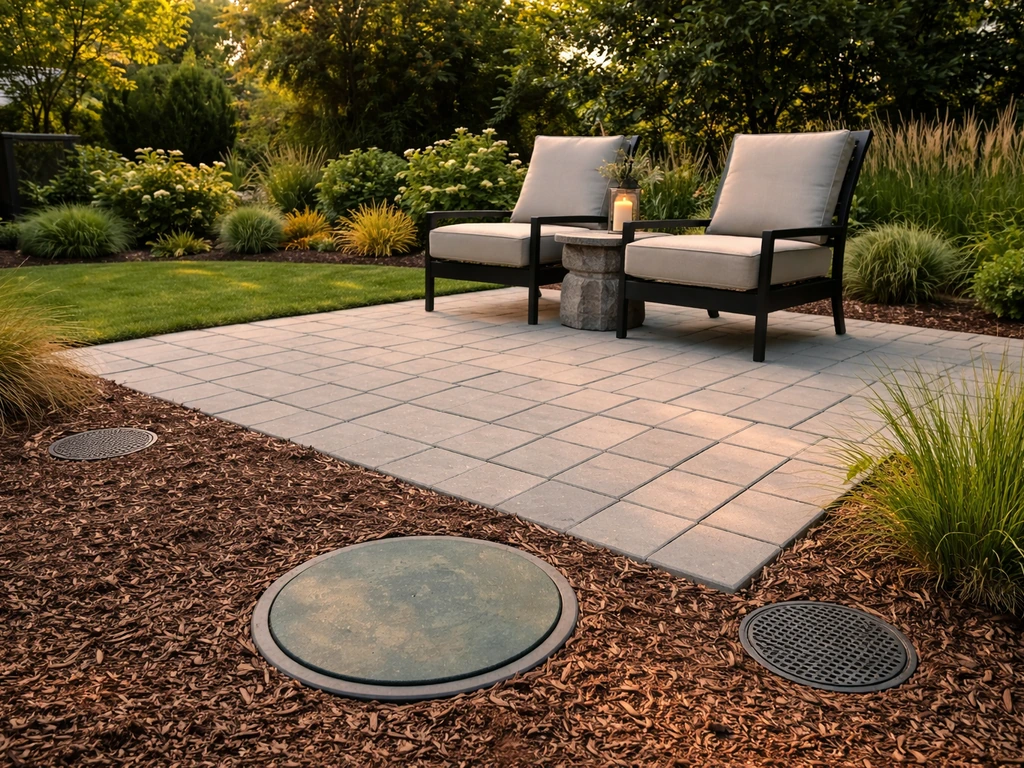
Sonance built the Patio Series for homeowners who want outdoor audio that disappears into the yard rather than sitting on a ledge. The core Patio 4.1 system (SKU 93429) includes four satellite speakers on ground stakes, one 8-inch in-ground subwoofer, and is designed to run off a single Sonance UA 2-125 DSP amplifier. The satellites use anodized aluminum cone drivers with Santoprene surrounds measuring 3.5 inches (98mm), and the sub uses a dual voice coil polypropylene driver in an enclosure you bury in the ground. Nothing sits in a cabinet on your fence. The subwoofer literally goes in the dirt.
That design philosophy tells you exactly who this is for: homeowners doing a patio renovation or outdoor build who want audio integrated at the same time as the hardscaping, landscaping, or deck work. It's not a good fit for renters, people who move frequently, or anyone who wants to set something up in an afternoon. If you're planning a major backyard project and audio is on the wish list, that's the right moment to evaluate this system. Buying it after the patio is finished and trying to retrofit wiring is painful and expensive.
The system is expandable, which is a meaningful selling point. Sonance says the Patio 4.1 can scale up to a full 8-satellite, 2-subwoofer configuration. So if your patio footprint grows or you add a pool area later, you're not starting from scratch. That modular approach is rare in this category and worth factoring into the total cost picture.
The specs that actually matter for outdoor use
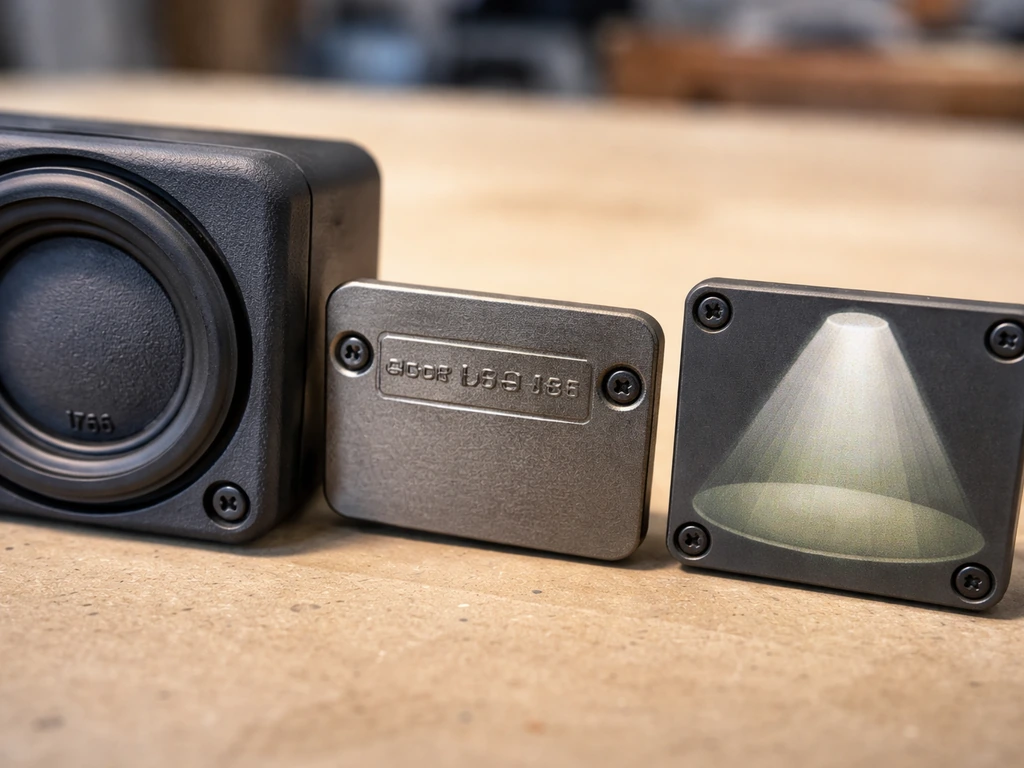
Outdoor audio specs are different from living room specs. Three things actually matter: weather protection, power handling, and coverage area. Here's where the Patio 4.1 lands on each.
| Spec | Patio 4.1 Value | Why It Matters Outdoors |
|---|---|---|
| Weather Rating | IP66 | Rated against dust ingress and powerful water jets — handles rain, sprinklers, and hose-down cleaning |
| Coverage Area | Up to 1,000 sq ft | Enough for most mid-to-large patios, though open/windy spaces need realistic expectations |
| Frequency Response | 40Hz–20kHz (±3dB) | Full range including meaningful bass from the in-ground sub |
| System Power (RMS) | 50W min / 150W system | Sufficient headroom for outdoor listening without clipping |
| Satellite Impedance | 16 Ohms each (8 Ohm matched system) | Designed to work with the paired UA 2-125 amp; not plug-and-play with random receivers |
| Subwoofer Driver | 8-inch (203mm) dual voice coil | In-ground placement reinforces low-end output naturally |
IP66 is a meaningful rating. It means the enclosures are fully dust-tight and can take a direct water jet without damage. For speakers sitting outside year-round in most North American climates, that's the floor you want. Some competing outdoor speakers ship with IPX4 or IPX5 ratings, which are splash-resistant but not the same as jet-resistant. If you're in a climate with heavy seasonal rain, hail, or you run sprinkler zones near your listening area, IP66 matters.
The wire gauge guidance from Sonance's own manual is worth noting before you plan the installation: 18 AWG up to 100 feet, 16 AWG up to 150 feet, and 14 AWG up to 250 feet. They also specifically recommend using direct-burial wire for any underground runs. This isn't optional advice, using standard speaker wire underground will degrade and fail. Build the correct wire spec into your installation budget from day one.
What the sound actually does in a real backyard
This is where outdoor audio gets honest. If you want to sanity-check expectations before buying, patio speaker reviews that focus on real yard listening help you judge how systems perform in the conditions you actually have outdoor audio gets honest. No speaker system, regardless of price, sounds the same outdoors as it does in a room. Outdoors, there are no walls to reflect sound back at you, wind competes with your music, and coverage patterns that look clean on a spec sheet get complicated by trees, pergola posts, and patio furniture. The Patio 4.1's approach to this problem is smart: instead of trying to get two big speakers to throw sound across 1,000 square feet, it uses four smaller satellites spread around the space so every listening position has a speaker nearby.
The in-ground subwoofer is the part that genuinely surprises people. Burying a subwoofer uses the earth as a natural acoustic boundary, which actually helps reinforce bass output in a way that a small above-ground sub sitting on a shelf cannot. You won't get nightclub bass, but you'll get enough low-end presence that music doesn't sound thin the way it does with satellite-only outdoor setups. The 40Hz floor on the full system frequency response reflects this.
Coverage expectation is the most common disconnect between buyers and reality. Sonance's 1,000-square-foot claim assumes a reasonably normal layout with satellites positioned correctly. A long, narrow patio with a pergola at one end and an open lawn at the other is going to feel uneven compared to a square patio where you can place satellites symmetrically. Before you commit to this system, walk your space and identify where you actually spend time listening: the dining area, the grill zone, the hot tub corner. That determines satellite placement, not the shape of the whole yard. If you plan to keep the sound even once the patio is finished, review the body under the patio wiring and layout approach before you pour or bury anything the body under the patio review.
Installation: what to plan before you buy anything
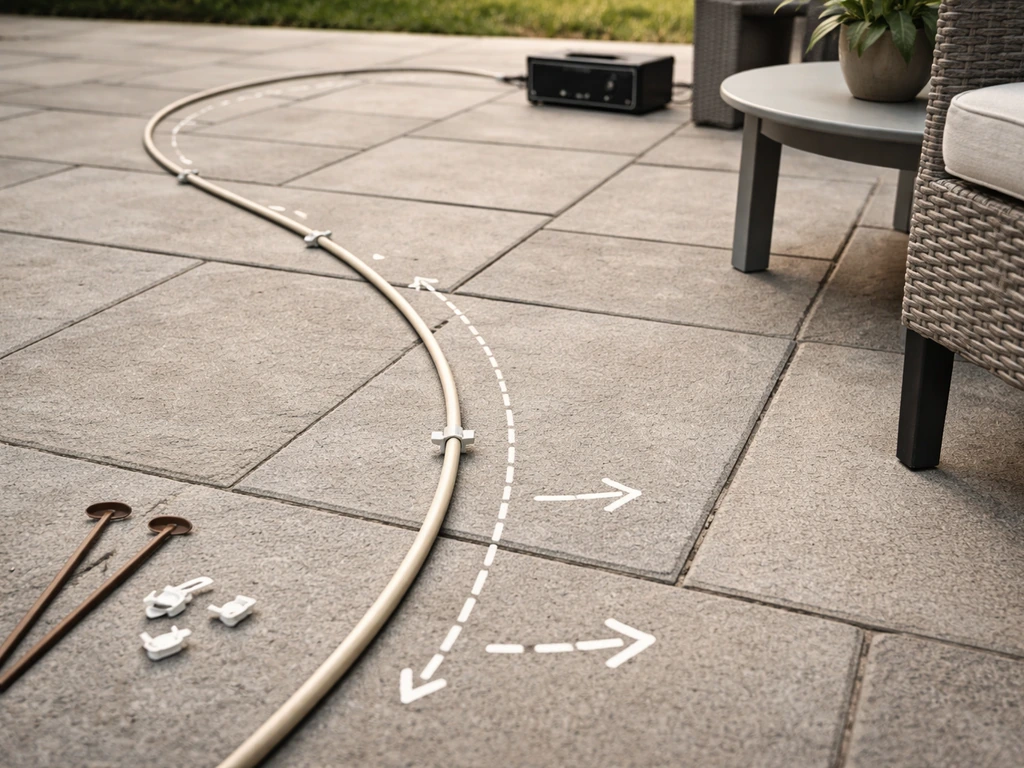
Installation is the make-or-break variable with the Patio Series, and it's where most buyer regret happens when things go sideways. This is a passive wired system. Every satellite and the subwoofer runs speaker wire back to the amplifier. That means you need to plan wire routing before the patio is poured, the landscaping is planted, or the deck is built. Retrofitting after the fact means cutting through hardscape or trenching through finished landscaping, and that gets expensive fast.
The satellites mount on 9-inch ground stakes (included) or optional 19-inch stakes depending on your groundcover height. The subwoofer gets buried with the driver facing up, flush with or slightly below grade. Sonance's manual includes a full speaker layout section with subwoofer placement guidance, and the general community advice is consistent: test satellite and sub placement before burying anything. Move the stakes around, listen to the coverage, then commit once you're happy with where the sound lands in your listening zones.
DIY vs. hiring a professional installer is a real question here. Running direct-burial speaker wire through conduit, making clean terminations at the amplifier, and configuring the DSP settings on the UA 2-125 via the SonARC app is doable for a confident DIYer with some low-voltage experience. But if you have no experience with speaker impedance matching, DSP configuration, or wire routing in outdoor environments, hiring a low-voltage audio installer is genuinely worth it. A bad installation doesn't just sound worse. It can damage the amplifier or void warranty coverage. Get quotes from local audio/AV installers and ask specifically whether they've done Sonance outdoor systems before.
Pre-install checklist to run through before you order
- Measure your patio or outdoor listening area in square feet — be honest about how much of it you actually use
- Identify at least 4 satellite positions (ideally symmetric around your main listening zones) and the best subwoofer burial spot
- Measure the wire run distance from each speaker location to where the amplifier will live (add 20% for routing around obstacles)
- Confirm the amplifier location has proper weather protection — the UA 2-125 is not rated for outdoor mounting
- Decide whether you'll trench wire yourself or include that labor in your contractor scope of work
- Check whether your patio project is still in planning or already built — timing dramatically changes install complexity
Connectivity and controls: how the Sonance Patio Series fits into your audio life
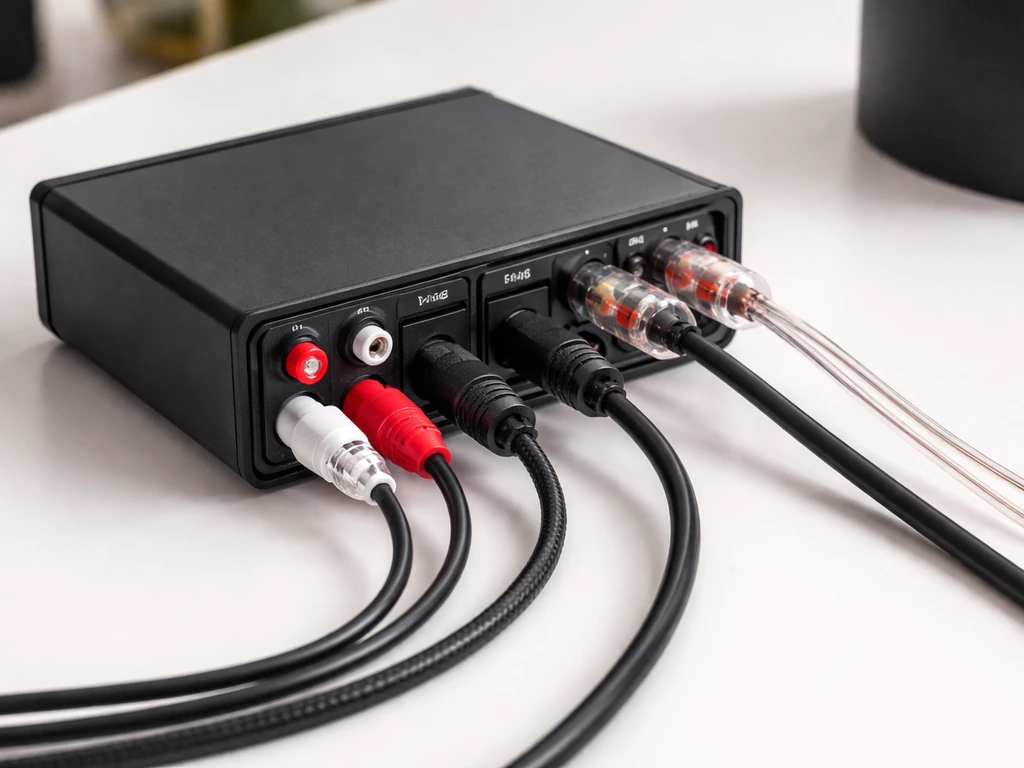
The Sonance UA 2-125 DSP amplifier that pairs with the Patio Series accepts both analog (RCA) and digital (optical and coaxial) inputs. That means you can connect it to a turntable (via a preamp), a streaming device, an AV receiver, or any source with a line-level or digital output. The amplifier delivers 125 watts per channel, or 250 watts bridged in Power Sharing Mode, which is plenty of headroom for the Patio 4.1's 150W system rating.
DSP configuration is handled through Sonance's SonARC app, which connects to the amp via Bluetooth. This is where you set EQ, crossover points, and adjust the balance between satellites and subwoofer. It's not a streaming app. It's a setup and tuning app. Once you've dialed in your settings, you control the music through whatever source device you're using, whether that's a Sonos streamer, an Apple TV, a standard AV receiver, or anything else with a line output.
This is a point worth flagging clearly: the Sonance Patio Series speakers do not natively appear in the Sonos app as Sonos-controlled speakers. This is a common source of confusion in online discussions. If you want Sonos control, you need a Sonos amplifier or streamer feeding the Sonance UA 2-125, not a direct Sonos-to-Sonance integration. The Patio Series is ecosystem-agnostic, it works with whatever you feed it, but it requires an external streaming or control layer if you want app-based music control.
Honest pros, cons, and who should buy or skip this system
What the Patio Series does well
- IP66 weatherproofing is genuinely robust, not just marketing-grade splash resistance
- In-ground subwoofer design delivers real bass outdoors without a visible cabinet on your patio
- Multi-satellite layout gives even coverage across a large area without cranking volume dangerously high
- Expandable to 8 satellites and 2 subs, so you can grow the system without replacing it
- DSP amplifier pairing gives proper tuning control that budget receiver setups don't
- Full system approach (satellites, sub, amp) means the components are matched and tested together
Where it falls short or gets complicated
- Wired installation means timing matters — it's much easier to run wire during patio construction than after
- Not plug-and-play: requires proper amp pairing, DSP configuration, and correct wire gauge/type
- Price is high compared to standalone outdoor speakers — you're paying for a full system and professional-grade components
- Amplifier must be installed indoors or in a protected enclosure, which adds routing complexity
- Sonos integration is indirect, which disappoints buyers who assumed native compatibility
- Satellite drivers are 3.5 inches — they don't replace the midrange presence of a large bookshelf speaker at close range
Buy this system if you're doing a significant patio or outdoor living project, you have a 500 to 1,000 square foot entertaining space, and you want audio that lasts and blends into the landscape. If you are comparing patio audio sound profiles, check our Olympic Patio Tones review for what to expect from the tone and performance. Skip it if you're renting, if your patio is already built and retrofitting wire would be expensive, if you want something truly plug-and-play, or if your outdoor space is under 300 square feet where two good satellite speakers would do the job at a fraction of the cost.
How the Sonance Patio Series compares to other outdoor speaker options
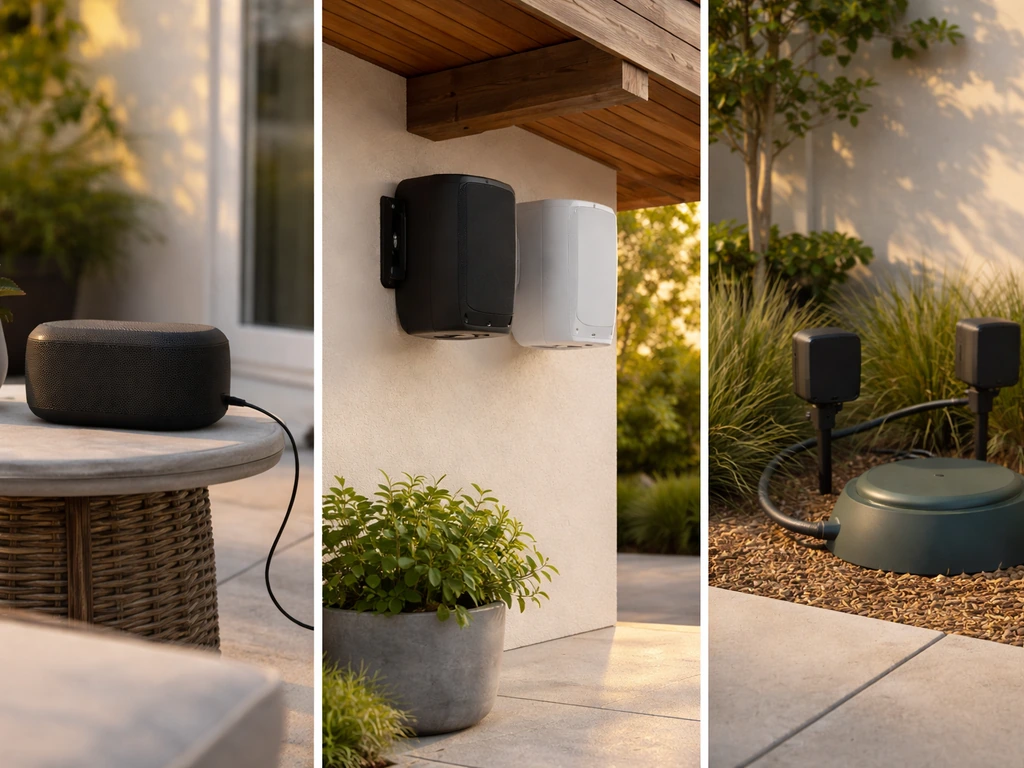
The outdoor speaker market splits pretty clearly into three tiers: portable Bluetooth speakers, permanent single-pair outdoor speakers, and full outdoor audio systems like the Sonance Patio Series. If you're specifically looking for Bluetooth patio speakers reviews, it helps to separate portable Bluetooth models from permanent outdoor audio systems like this one. Each solves a different problem.
| Option | Best For | Coverage | Weather Rating | Install Complexity | Relative Cost |
|---|---|---|---|---|---|
| Sonance Patio 4.1 | Large patios, permanent installs, new builds | Up to 1,000 sq ft | IP66 | High (wired, DSP) | High |
| Polk Audio Atrium 4 | DIY budget installs, small to mid patios | 1–2 listening zones | Weather-resistant (no full IP rating) | Low-moderate (simple passive wiring) | Low |
| Bose Free Space 51 | Garden/deck zones, mid-budget buyers | Small-medium zones | Outdoor-rated | Moderate (passive, needs amp) | Moderate |
| Bluetooth patio speakers | Casual use, renters, small patios | Close-range only | Varies widely | None (portable) | Low |
Polk Audio's Atrium 4 is the most common comparison at the entry level. It's a single-pair outdoor speaker with a recommended amplifier power of 10 to 80 watts RMS. You can build a multi-speaker system with them, but there's no integrated subwoofer solution, no DSP amplifier matching, and coverage for a 1,000-square-foot patio would require significantly more planning and hardware to replicate what the Sonance Patio 4.1 does as a complete package. If you're looking at budget-friendly patio speaker options, Polk Atrium speakers are worth researching as a lower-cost entry point. If you are comparing lower-cost Polk options, check out our Polk Audio Patio 200 reviews for real-world sound and setup details.
Bose's Free Space 51 outdoor speakers sit in the middle ground and have a strong reputation for garden and deck use with simpler installations. They're a legitimate alternative if your patio is smaller and you don't need subwoofer-level bass. The Sonance Patio 4.1 outperforms them at scale and in bass reproduction, but the Bose option is easier to install without professional help.
If you're seriously evaluating the Patio 4.1 but wondering whether a simpler setup would meet your needs, it's worth reading through dedicated patio speaker reviews and Bluetooth patio speaker comparisons alongside this review. If you’re also looking at Ford Patio reviews, compare how each system handles coverage, weather resistance, and installation requirements patio speaker reviews. The right answer depends heavily on your space size, how you entertain, and how permanent your setup needs to be.
The Sonance Patio Series 4.1 specifically also has its own deeper companion review covering the 4.1 configuration in more detail, which is worth checking if you're already leaning toward this system and want to dig into the specifics before pulling the trigger.
Your action plan for buying and installing the Sonance Patio Series
If you've made it this far and the Sonance Patio Series feels like the right call, here's how to move forward without making expensive mistakes.
- Map your outdoor space to scale and identify all listening zones — dining, lounge, grill area, pool deck if applicable
- Count satellite positions based on that map, targeting one speaker per 200 to 250 square feet of active listening area
- Pick a subwoofer burial location in a central spot, away from irrigation heads and tree roots
- Measure every wire run from satellite and sub locations to your planned amplifier location, then select wire gauge from Sonance's chart (18 AWG under 100 ft, 16 AWG under 150 ft, 14 AWG under 250 ft)
- Source direct-burial rated speaker wire — this is not negotiable for any underground run
- Decide whether to hire a low-voltage AV installer: get at least two quotes and ask for examples of outdoor Sonance or similar permanent audio installs
- Plan your source and streaming setup — decide whether you'll use a Sonos amp, streaming device, or AV receiver feeding the UA 2-125 via RCA or digital input
- If your patio project is still in progress, coordinate with your patio contractor to stub wire conduit before hardscape or landscaping is completed
- Download the SonARC app and review the DSP setup process before installation day — it will help you ask better questions of your installer
- After install, test subwoofer and satellite placement with music before any final burial or permanent mounting
The Sonance Patio Series earns its price if you're building or renovating an outdoor space and you want audio to be part of the finished project, not an afterthought. If you’re evaluating Koda patios for your outdoor space, check out dedicated koda patios reviews to compare sound quality, build, and support before you buy. The IP66 rating, in-ground subwoofer design, and expandable architecture separate it from anything in the portable or budget category. The main risk isn't the product, it's buying it without a clear installation plan. Get that plan in place first, and this system will deliver.
FAQ
Can I still hit the claimed 1,000 sq ft coverage if my patio is a long rectangle or has lots of furniture and pergola posts?
For best results, plan the satellite positions around your actual listening zones first (dining table, grill, conversation area) and then place the subwoofer to support bass in the same zones. Don’t try to “fix” weak coverage by moving the amplifier, wiring length, or DSP after the hardscape is already buried, because the main variable outdoors is speaker placement and directivity across your patio shape.
If I buy the Patio 4.1 now, what should I plan for if I want to expand later to a bigger speaker layout?
Yes, but with limits. If you add satellites or a second sub, you still need to route additional direct-burial speaker wire back to the amplifier location and confirm you are using a compatible expanded configuration for your exact Patio Series model. The expandable feature does not eliminate the need for correct wiring runs, correct impedance/DSP settings, and layout planning before you close up the ground.
What’s the best way to use Sonos with the Patio Series if I want app control, not just audio output?
It can be, depending on your audio source and control expectations. The UA 2-125 takes line-level and also supports digital inputs, so you can feed it from an AV receiver, a streaming device with optical/coax output, or a Sonos system through a line-out to the amplifier (typically using a Sonos device that provides line output, not direct Sonos-to-speaker pairing). The key caveat is that music source and app control are separate, the Patio speakers themselves won’t show up as Sonos-controlled endpoints.
Do I need to re-tune the DSP settings after installation, or after any changes to speaker or sub placement?
If you are controlling it through SonARC setup via Bluetooth, you should expect configuration to be sensitive to changes in speaker layout. For example, moving or replacing speakers later can require redoing EQ and balance so the satellites and subwoofer integrate correctly. Also, if your install uses multiple zones with different listening patterns, treat tuning as part of the installation work, not a one-time step you do once and forget.
Is surge protection necessary for this kind of wired outdoor audio setup?
Surge protection is still a good idea even with an IP66 outdoor enclosure system. The amplifier and line-level source equipment are the risk points, especially if lightning or power fluctuations are common where you live. Use an outdoor-rated surge-protected power strip or whole-home surge protection, and keep the amplifier connections dry and properly terminated in a weather-safe enclosure at the amp location.
What are the most common installation mistakes that cause outdoor audio problems with wired systems?
Outdoor direct-burial wire ratings and routing matter more than people expect. Use the correct direct-burial cable specified for underground runs, keep terminations protected and correctly stripped, and avoid routing near power cables if you can, because noise and intermittent issues can show up later as crackling or dropouts. If anything is wrong, troubleshooting is harder once trenches are refilled, so validate signal with a temporary test run before burying permanently.
How should I test speaker placement before the sub is buried and the wire is finalized?
Do a “cover test” before burying anything by temporarily mounting satellites on stakes and walking your listening areas while music plays. Don’t rely only on measurements, because reflections from nearby walls, hardscaping, and wind direction can change perceived coverage. Once you’re satisfied with the listening zones, only then commit to burying the sub and closing everything up.
Is the in-ground subwoofer worth it for smaller patios, or can I get better results with satellite-only setups?
Not always. If you have a very small or tightly enclosed area, two good satellite speakers can sometimes outperform a poorly integrated satellite-plus-sub approach due to shorter throw distances and less placement complexity. On the other hand, if you want fuller low-end presence without placing a sub on a patio surface, the in-ground sub can be the differentiator. Your decision should be driven by whether you want bass presence and how much space you need to cover evenly.
Will I be able to stream and multi-room control music in the same way I do with standard smart speakers?
It depends what you mean by “Sonance Patio Series.” The Sonance Patio Series is ecosystem-agnostic for audio playback, but app-based speaker control is limited to SonARC for tuning, not music playback as a Sonos speaker. If your goal is whole-home, app-based music control across zones, you may need a dedicated streaming/control layer that outputs to the UA 2-125. Otherwise, use the streaming device or AV receiver you already have to manage playback.
Next Articles
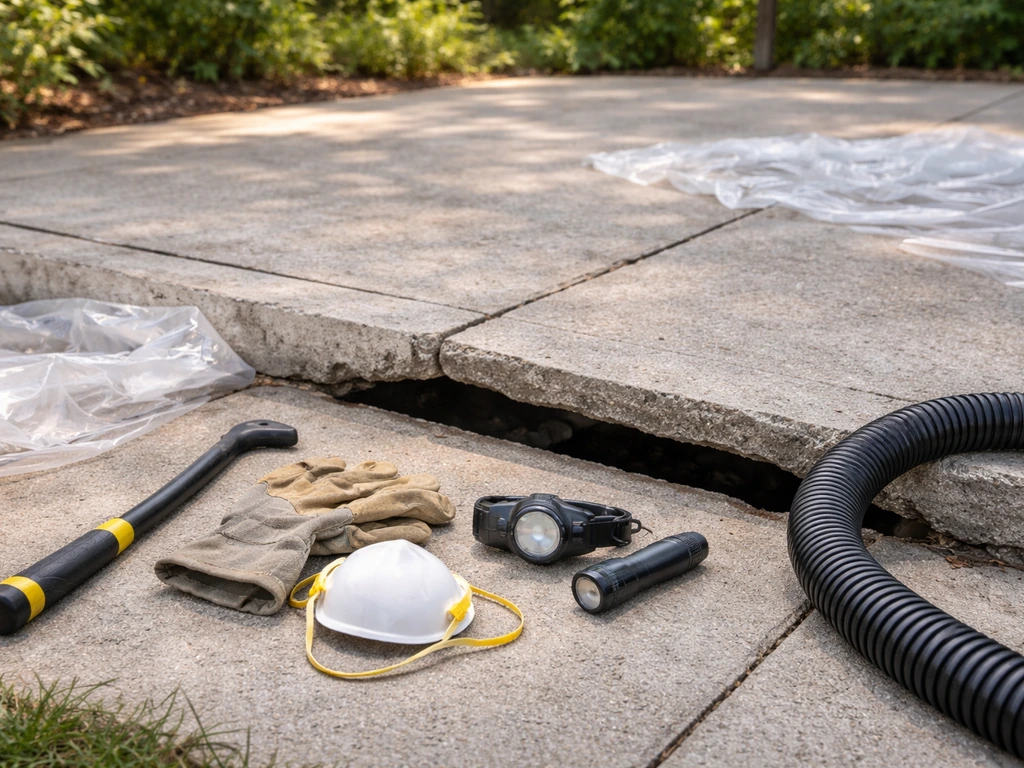
The Body Under the Patio Review: What to Do Safely
Safe steps, signs, and who to call after finding possible hazards under a patio slab, plus costs and documentation.
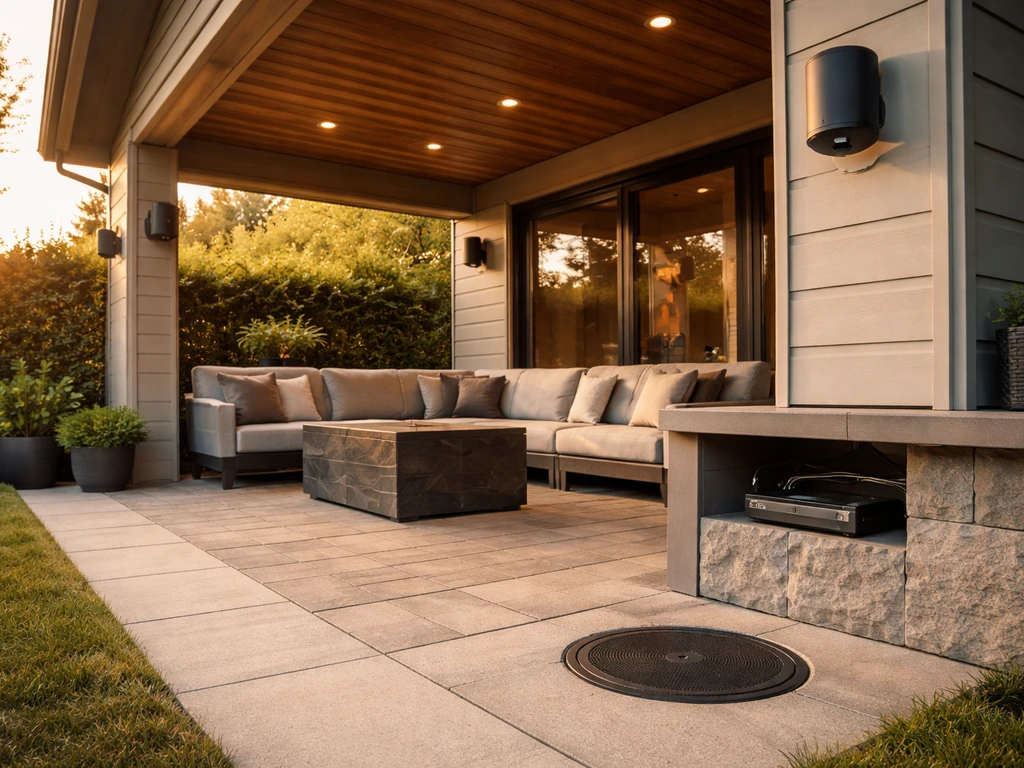
Sonance Patio Series 4.1 Review: Should You Buy It?
Honest Sonance Patio Series 4.1 review: sound, bass, coverage, weather durability, and key pre-buy compatibility checks.
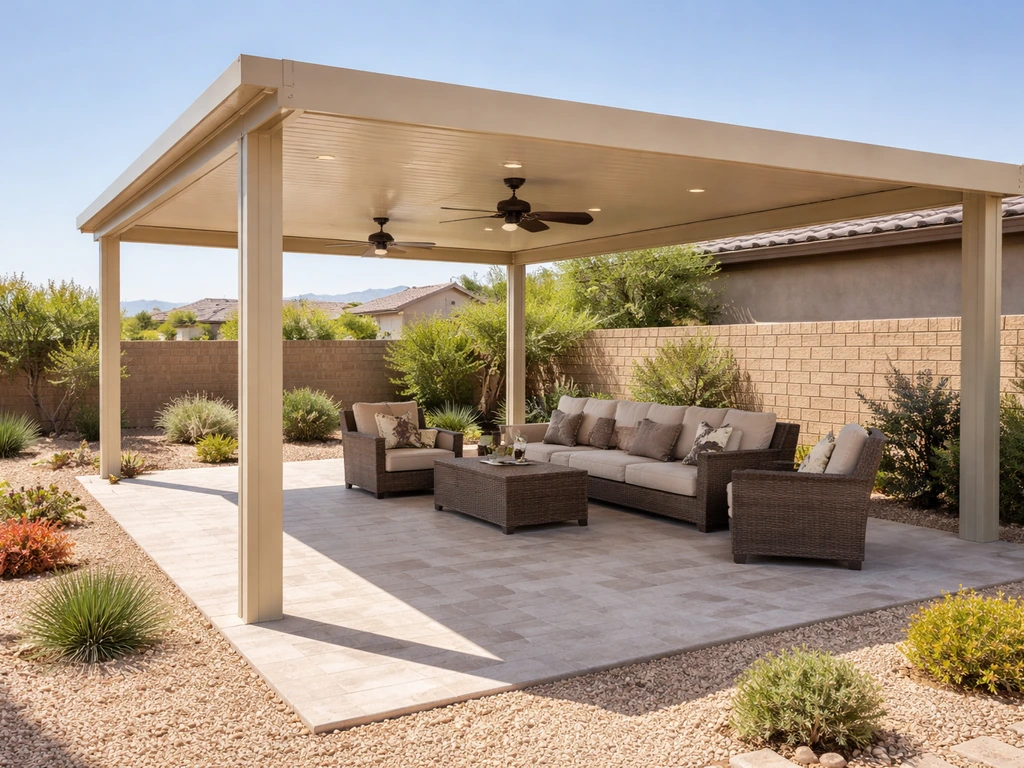
Koda Patios Reviews: What to Check Before You Hire
Koda patios reviews guide: spot red flags, compare quality, timelines, warranties, and prep questions before you hire.