
Olympic Patio Tones is a water-based, non-slip acrylic deck coating designed for concrete pool decks and patios, not an audio product. If you landed here expecting a speaker review, that is a common search mix-up worth clarifying right away. If you were looking for a Sonance Patio Series review (for outdoor speakers), see our separate Sonance Patio Series review for speaker-specific coverage. If you were looking for an audio product review instead, see the body under the patio review. What this review covers is the coating itself: how it performs in real-world conditions, what customers report about its durability and color accuracy, where it falls short, and whether it is worth the $78–$83 per gallon price tag most U.S. retailers are charging as of mid-2026.
Olympic Patio Tones Review, Real-World Patio Speaker Guide

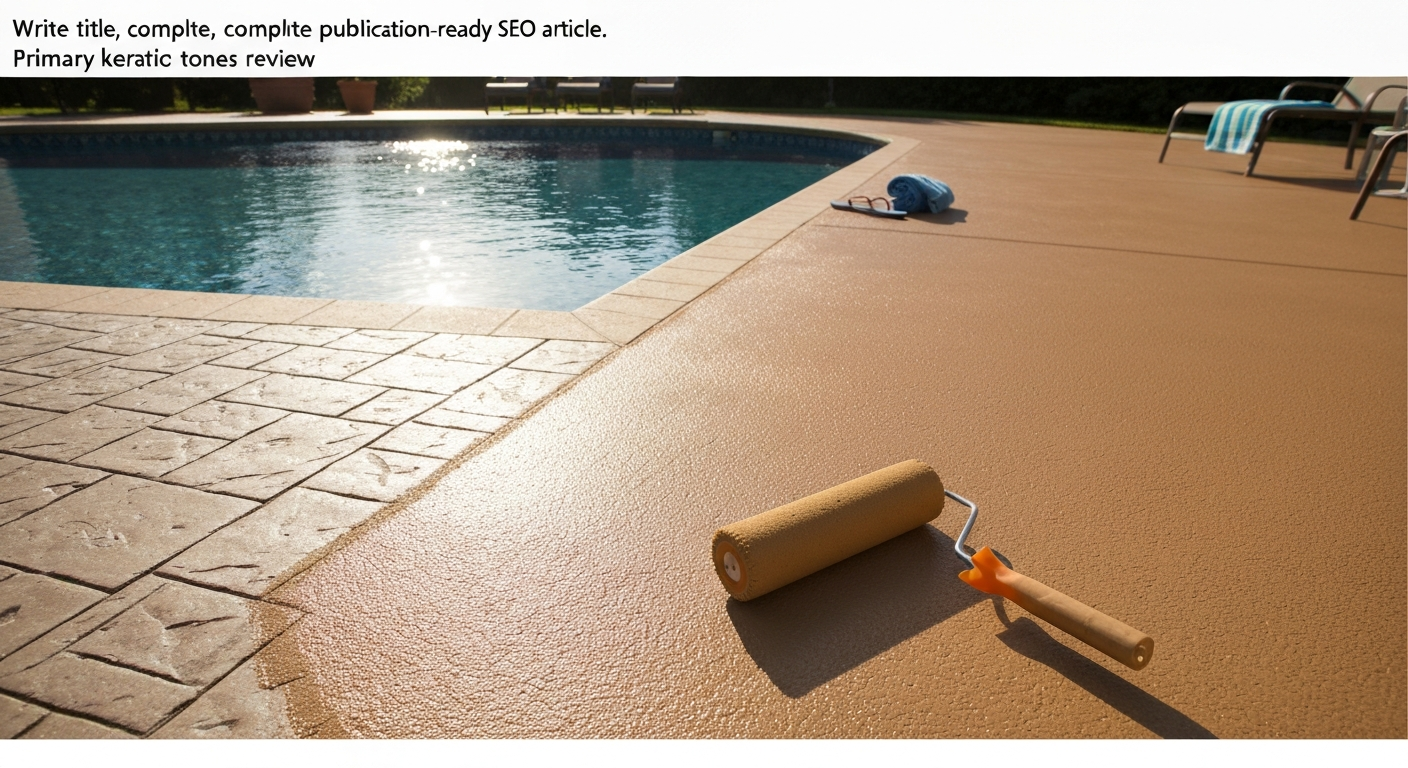
Quick summary and who this review is for
This review is for homeowners who are researching whether Olympic Patio Tones is the right coating for a pool deck or concrete patio, and who want to know what buyers actually experienced rather than just what the manufacturer claims. It pulls together verified retailer reviews, forum reports, and technical documentation to give you a grounded picture before you buy. If you are a contractor pricing a client job, the coverage and prep details here will also be useful. If you are hiring a patio or pool contractor to do the work, this guide helps you ask the right questions and recognize red flags in quotes.
The short verdict: Olympic Patio Tones is a legitimate, workable deck coating with some real advantages in traction and surface temperature, but it demands thorough surface preparation and has a realistic service life of only about 3–4 years under normal outdoor exposure, according to manufacturer guidance. Color accuracy is a recurring complaint among buyers, and regional pricing can vary significantly. It is a DIY-friendly product if you follow the technical bulletin closely, but a careless application will fail early.
What customers are actually reporting: the real-world experience
Retailer review pages and independent forums give a consistent picture of what buyers encounter. On Sunplay, the product carries 4 customer reviews and the tone is cautiously positive, with buyers noting the coating goes on smoothly with a roller and dries to a textured, non-slip finish. The most cited functional benefit is the cooling effect underfoot. One Reddit user on r/swimmingpools described painting their patio with Olympic Patio Tones and reported it stayed noticeably cooler than the surrounding stamped concrete while providing decent anti-slip texture. That is a meaningful real-world win for anyone with kids running barefoot around a pool deck in July.
On the negative side, color mismatch is the most frequently flagged issue. A December 2018 review on Walmart.ca specifically called out color fidelity, reporting the finished result did not match what was shown online. This lines up with the manufacturer's own product literature, which includes a note that digital color approximations may differ and recommends ordering a physical color card before committing. That is not a red flag about the product specifically, but it is something buyers consistently overlook and then complain about after the fact.
Surface prep: the part most people underestimate
The same Reddit thread that praised the cooling effect also called out the surface prep as genuinely arduous, particularly when stripping old paint before recoating. This matches the manufacturer's own technical bulletin, which requires cleaning with tri-sodium phosphate or Olympic Prep Magic, patching any cracks or voids, and ensuring the surface is free of standing water before application. The bulletin notes that application to damp (not wet) surfaces is acceptable, but that standing water will cause adhesion failure. This is the single most common reason early coating failures happen, and it shows up repeatedly in installer feedback.
Weather resistance, build quality, and long-term durability
Olympic Patio Tones is a water-based acrylic, which means it handles UV exposure and wet conditions reasonably well but is not indestructible. The manufacturer's own technical documentation pegs the expected service life at approximately 3–4 years under normal outdoor exposure. That is honest guidance, and it is consistent with what experienced pool deck contractors report seeing in the field. High-traffic pool decks, especially in climates with hard freeze-thaw cycles, tend to land at the lower end of that range.
Cold climate buyers need to pay particular attention to storage and transport. The manufacturer's safety data sheets and product literature include an explicit 'KEEP FROM FREEZING' warning. If the product freezes in transit or in a garage over winter, it is compromised. Buyers in northern U.S. and Canadian markets should confirm with their retailer that product has been stored correctly, especially when ordering online and having it shipped in late fall or early spring.
The acrylic formula holds up reasonably well against chlorine splash and pool chemicals, which is what you would expect from a product specifically marketed for pool deck use. What it does not handle well is a poorly prepped substrate. Any residual moisture, contamination, or incompatible previous coatings will accelerate peeling and flaking well before the 3–4 year mark.
DIY vs. professional installation: what makes sense for your project
Olympic Patio Tones is explicitly designed as a roll-on product. The technical bulletin confirms it can be applied with a roller (1/2-inch nap for smooth surfaces, 3/4-inch nap for rough or textured concrete) or a low-pressure sprayer. That makes it genuinely DIY-accessible in a way that some specialty coatings are not. Two coats are required for a new application, with a recoat window of about 4 hours in warm weather. Foot traffic should be avoided for 24 hours after the final coat.
For a straightforward residential patio or pool deck with sound concrete in good condition, a careful DIYer can absolutely do this job. The math is simple: at roughly 90–125 square feet per gallon (manufacturer figures), a 500-square-foot pool deck needs 4–6 gallons per coat, so 8–12 gallons total for a two-coat application. At current retail prices around $78–$83 per gallon, that is roughly $625–$1,000 in product alone before prep materials.
Where professional installation makes more sense is when the concrete has significant cracking, spalling, or old incompatible coatings that need to be removed. Stripping old paint from a concrete pool deck is physical, time-consuming work, and doing it incorrectly is the most reliable path to early coating failure. Pool and patio contractors, particularly those who specialize in deck resurfacing, will have pressure washing equipment, surface grinders, and TSP-based prep chemicals at scale. If your substrate needs serious attention before coating, the labor cost of hiring a professional is likely to pay off in coating longevity.
Sunroom builders and patio enclosure contractors occasionally include deck coating as part of a larger project scope. If you are already getting quotes for a patio enclosure or pool surround project, it is worth asking whether the contractor can include deck prep and coating in the same mobilization, since the setup costs are shared and you often get better prep quality on a supervised job.
Regional dealer availability and how service varies
Olympic Patio Tones is available through a mix of online retailers, pool supply distributors, and big-box adjacent channels. U.S. pricing tends to cluster around $78–$83 per gallon at established retailers like Sunplay, while commercial pool supply distributors such as RecSupply also stock it. As of mid-2026 Olympic's product page Patio Tones, 1 Gallon, Olympic Paint USA (product page) lists U.S. retail pricing in the ~$78–$83 per gallon range, illustrating regional and channel variation Patio Tones, 1 Gallon — Olympic Paint USA (product page). Canadian buyers on Walmart.ca have reported substantially higher CAD-equivalent prices, which is a real cost consideration if you are north of the border.
One concrete difference flagged in distributor listings is coverage rate discrepancy. The manufacturer quotes approximately 90–125 sq ft per gallon, while the RecSupply listing shows a more conservative 80–100 sq ft per gallon figure. That gap matters when you are buying for a large project. The more conservative figure is likely accounting for rougher, more porous concrete that drinks more product, and it is the safer number to use when estimating how many gallons to buy. Real-world coverage will depend on surface porosity, which varies considerably by region and concrete age.
Regional availability of in-person color samples is uneven. The manufacturer recommends ordering a physical color card before purchasing, but not every local pool supply store or retailer stocks them. Buyers in rural areas or smaller metro markets may find themselves ordering based on digital swatches, which the manufacturer itself acknowledges can differ from actual product. This is where the color mismatch complaints originate, and it is a distribution and availability problem as much as it is a product problem.
Common installation pitfalls reported by installers and customers
- Applying over standing water or an insufficiently dry surface, leading to adhesion failure and early peeling
- Skipping or rushing the TSP/Prep Magic cleaning step, leaving contaminants that block bonding
- Not patching cracks or voids before coating, which allows moisture infiltration under the film
- Applying too thin a first coat to stretch coverage, resulting in uneven texture and color
- Ignoring the 24-hour foot traffic restriction, which can damage the curing film
- Storing product in unheated spaces during cold months, causing freeze damage to the emulsion
- Ordering by digital color swatch without requesting a physical color card first
- Using the wrong roller nap (too thin on rough concrete leads to poor coverage; too thick on smooth surfaces can create bubbles)
- Applying in direct midday sun on hot concrete, which can cause the coating to skin over before bonding properly
Mounting, wiring, and integration: how this product fits into a larger patio project
Unlike outdoor speaker systems (where mounting brackets, wiring runs, and amplifier matching are central decisions), Olympic Patio Tones is a surface coating, so its integration considerations are about the substrate and surrounding hardscape rather than electronics. If you're comparing patio finishes alongside outdoor audio options, see the Sonance Patio Series 4.1 review for details on performance and installation of dedicated outdoor speakers. That said, if you are doing a full patio or pool deck renovation, the sequencing of this coating relative to other work matters.
Deck coatings should always be the last surface treatment applied before furnishing a space. If you are installing in-ground wiring for lighting, outdoor speakers, or pool equipment, those conduit runs and any concrete patching need to be fully cured before you apply Patio Tones. Freshly patched concrete needs to cure for at least 30 days before coating, and any grinding or mechanical surface prep should be done before the final cleaning step. Applying coating over incompletely cured patch material is a documented failure point.
If you are running wiring for outdoor audio or lighting as part of the same project, coordinate with your electrician or audio installer before the coating goes down. For related reading on choosing and installing outdoor audio, see patio speaker reviews for guidance on speaker placement, mounting, and wiring decisions. For help choosing wireless options and comparing outdoor models and mounting considerations, see our bluetooth patio speakers reviews. Rerouting conduit or adding junction boxes after a fresh deck coating is an unnecessary headache. For homeowners building out a full outdoor living space, getting all the rough-in work done, then prepping and coating the deck surface, is the correct order of operations.
How Olympic Patio Tones compares to other deck coating options
It is worth noting upfront that Olympic Patio Tones is a coating product, not an audio product. If you were looking for outdoor speaker evaluations instead, consult Polk Audio Patio 200 reviews for detailed speaker performance and comparison information. If you came here comparing it to outdoor speaker brands, that comparison does not apply. The relevant comparisons are other acrylic deck coatings and pool deck resurfacing systems, not Polk or Sonance speaker lines. For broader patio product comparisons and user experiences, see our Ford patio reviews.
| Product Type | Olympic Patio Tones | Epoxy Deck Coating | Concrete Resurfacer (e.g., Quikrete) | Stamped Overlay Systems |
|---|---|---|---|---|
| Application method | Roller or low-pressure spray | Roller or squeegee | Trowel or gauge rake | Trowel, requires professional |
| Approx. price per gallon/unit | $78–$83/gallon (U.S. retail) | $40–$100+/gallon depending on brand | $20–$40/bag | $3–$8/sq ft installed |
| DIY-friendly? | Yes, with proper prep | Moderate (mixing ratios critical) | Moderate | Generally no |
| Expected service life | 3–4 years (manufacturer estimate) | 5–10 years on well-prepped surface | 5–10 years structurally | 10–20 years professionally installed |
| Non-slip texture | Built-in (acrylic texture) | Can add anti-slip aggregate | Depends on finish | Depends on finish |
| Color accuracy concerns | Noted in reviews; order color card | Generally more predictable | Limited color options | Wide range, professional match |
| Cold climate storage | Must not freeze | Most require temp above 50°F | Standard cement precautions | Professional handles storage |
The honest recommendation here is situational. Olympic Patio Tones is the right call for a budget-conscious DIY refresh of an existing, structurally sound pool deck or concrete patio where you want a non-slip, cooler surface without a major investment. If your concrete is in poor shape or you want a longer service interval before recoating, a higher-build epoxy system or a professionally applied overlay will serve you better over the long run, even if the upfront cost is higher.
Warranty, support experiences, and what reviewers say about long-term maintenance
This is where you need to read carefully. The manufacturer's Technical Bulletin No. 107 includes language explicitly stating the company makes no implied warranty of merchantability and no implied warranty of fitness for a particular purpose. That is a significant disclaimer. It means your recourse if the product fails before the expected service life is limited to whatever express warranty is documented at time of purchase, not any broader implied protection. Before buying, read the current warranty terms from the specific retailer or manufacturer channel you are purchasing through, and do not assume implied warranty coverage applies.
Customer support experiences in the review record are sparse, which is itself a data point. When a product is being sold primarily through pool supply distributors and online retailers rather than through installer networks with dedicated customer service, resolution of warranty claims typically runs through the retailer first. Keep your purchase receipt and document your prep steps with photos. If you ever need to make a claim about premature peeling or adhesion failure, having photo documentation of proper surface prep is the difference between getting traction on a complaint and being told the failure was due to improper application.
For long-term maintenance, the manufacturer guidance and owner reports both point to the same routine: light pressure washing to remove algae, mildew, and debris, and reapplication every 3–4 years or sooner if traffic-heavy areas start showing wear. In climates with hard freeze-thaw cycles, check the surface each spring for any lifting or cracking where water may have gotten under the film during winter. Spot-recoat small areas early, before they expand. Do not let standing water sit on the coated surface long-term.
Buying checklist and how to vet your purchase
- Request a physical color card from the manufacturer or retailer before ordering; do not rely on digital swatches alone
- Measure your surface accurately and use the conservative coverage estimate (80–100 sq ft per gallon) to calculate how many gallons you need, especially on older or more porous concrete
- At current U.S. retail pricing of $78–$83 per gallon, budget accordingly and factor in primer and prep materials separately
- Confirm the retailer stores product above freezing; ask about shipping conditions if ordering in cold-weather months
- Download and read Technical Bulletin No. 107 before starting; it is publicly available and covers every application rule you need to know
- Review the Safety Data Sheet (SDS) for your specific color SKU; SDS documents are published per-color and cover health, safety, and disposal requirements
- If hiring a contractor, ask specifically about their surface prep process and whether they use TSP or an equivalent cleaner before applying any deck coating
- Document your prep steps with dated photos; this protects you if you ever need to discuss performance issues with a retailer or the manufacturer
- Plan for foot traffic downtime: 24 hours minimum after final coat before anyone walks on the surface
- In Canada or other non-U.S. markets, verify current local pricing directly; CAD retail prices have been substantially higher than U.S. equivalents
Red flags to watch for in contractor quotes
If you are hiring a pool or patio contractor to apply Patio Tones or any deck coating, the quote and conversation will tell you a lot about whether they actually know what they are doing. Any contractor who does not mention surface prep in their scope of work is cutting corners. The prep step (cleaning, patching, drying) is where jobs succeed or fail, and a contractor who skips it or glosses over it is handing you a failure on a timeline. Ask explicitly: what prep process do you use before applying the coating? How do you handle existing paint or sealers? What happens if we find cracking or spalling after we start?
Also be wary of contractors who quote suspiciously low per-square-foot prices on deck coating jobs. At retail product cost alone, the math on labor plus materials quickly establishes a floor below which quality work is not possible. A quote that seems too good usually means shortcuts somewhere, typically in prep or in coating thickness. Use verified reviews from homeowners in your region to calibrate what a fair price looks like locally, because regional labor rates vary significantly across North America.
Next steps: where to go from here
If you are ready to move forward with Olympic Patio Tones, the most practical next steps are to download the technical bulletin, order a color card, and measure your surface accurately before buying product. If you are hiring out the work, use the verified-review profiles on this site to find pool and patio contractors in your region who have documented track records with deck coating and resurfacing projects. For regional contractor reputations and user-submitted project photos, check koda patios reviews to see how local installers perform on deck coating and resurfacing jobs. Read the negative reviews as carefully as the positive ones, specifically looking for patterns around prep quality, communication, and warranty follow-through.
When you speak to a contractor, ask for references on deck coating jobs specifically (not just general patio work), ask to see photos of finished projects, and ask what coating products they prefer and why. A contractor who can explain their material choices clearly and knows the technical details of what they are applying is one worth talking to further. One who cannot explain the prep process or gives vague answers about how long the coating will last should prompt you to keep looking.
Olympic Patio Tones is a solid, established product that does what it claims under the right conditions. The conditions that matter most are the ones you control before you ever open a can: a clean, dry, properly prepped surface, realistic expectations about a 3–4 year service life, and a commitment to getting the color right before you order. Get those right and the product will perform. Rush them and no coating on the market will save you.
FAQ
What primary types of verified evidence are required to write a Pool And Patio Reviews–style, accuracy‑first review of Olympic Patio Tones?
Collect: (1) authenticated customer reviews (time‑stamped, geotagged or with location info) across retailers, forums, and Pool And Patio Reviews' own verified‑review panel; (2) dealer/distributor inventory, pricing and availability records by region; (3) installer/dealer field reports and job photos from professional patio/pool contractors and sunroom builders; (4) warranty/return/support claim records (manufacturer and major dealers); (5) manufacturer technical documents (SDS, tech bulletins, application instructions) for baselines; and (6) independent long‑term performance posts (forums, social media with dated photos) to capture real service life.
How should I verify and prioritize customer review sources for regional representativeness and credibility?
Prioritize: (1) Pool And Patio Reviews’ verified reviews (ID‑checked, purchase‑verified) first; (2) retailer reviews with purchase flags (e.g., Sunplay, RecSupply, Walmart.ca) next; (3) contractor‑submitted job reports and photos with contactable references; (4) dated forum/Reddit posts as qualitative color; and (5) exclude or clearly label anonymous/unverifiable claims. Ensure geographic spread (Northeast, Southeast, Midwest, West, Canada) and seasonal spread (summer installs, winter exposures) so findings reflect climate variation.
Which manufacturer/dealer documents are necessary to ground technical claims and application guidance?
Obtain: (1) PATIO TONES product page and color charts; (2) Technical Bulletin No. 107 (application rules, roller nap, prep, recoat/dry times); (3) Safety Data Sheets per color SKU; (4) official warranty and limitations language; and (5) distributor listings that show price/coverage variances. Use these to set factual baselines and to compare against field reports.
What specific data points should be extracted from customer and installer reports about real‑world sound, durability, and weather resistance?
Even though Patio Tones is a deck coating (not audio), gather customer/installer reports on: (1) longevity (years before recoat or failure); (2) weather effects (UV fading, chalking, freeze/thaw damage, blistering); (3) surface traction and heat‑reduction underfoot; (4) color fidelity vs. sample card; (5) adhesion failures and causes (poor prep, moisture); (6) coverage achieved vs. manufacturer claim; and (7) any maintenance actions reported (spot repairs, recoat frequency). Include job photos and dates to corroborate claims.
How do I document installation options and common pitfalls (DIY vs professional)?
Collect step‑by‑step installer accounts and checklists showing: (1) surface‑prep effort (pressure washing, stripping old coatings, patching); (2) recommended tools (roller nap sizes, low‑pressure spray notes from tech bulletin); (3) recoat/dry timing observed in field; (4) time/cost estimates for DIY labor vs. contractor quotes; (5) frequent DIY failure modes (insufficient prep, painting in wrong temperature/humidity, not removing efflorescence); and (6) contractor best practices (moisture testing, using appropriate primers, two coats). Quantify hours, costs, and failure rates when possible.
What regional dealer availability and pricing evidence should be collected?
Gather: (1) dealer/distributor inventory and per‑gallon price snapshots (timestamped) across regions and channels (local pool stores, national retailers, online resellers); (2) shipping/cold‑weather advisories (freeze risk during transport in cold climates); (3) lead times and stockouts reported by dealers; and (4) installer reports on local sourcing vs. special‑order. Present price ranges per region and note currency differences (USD/CAD) and seasonal price shifts.
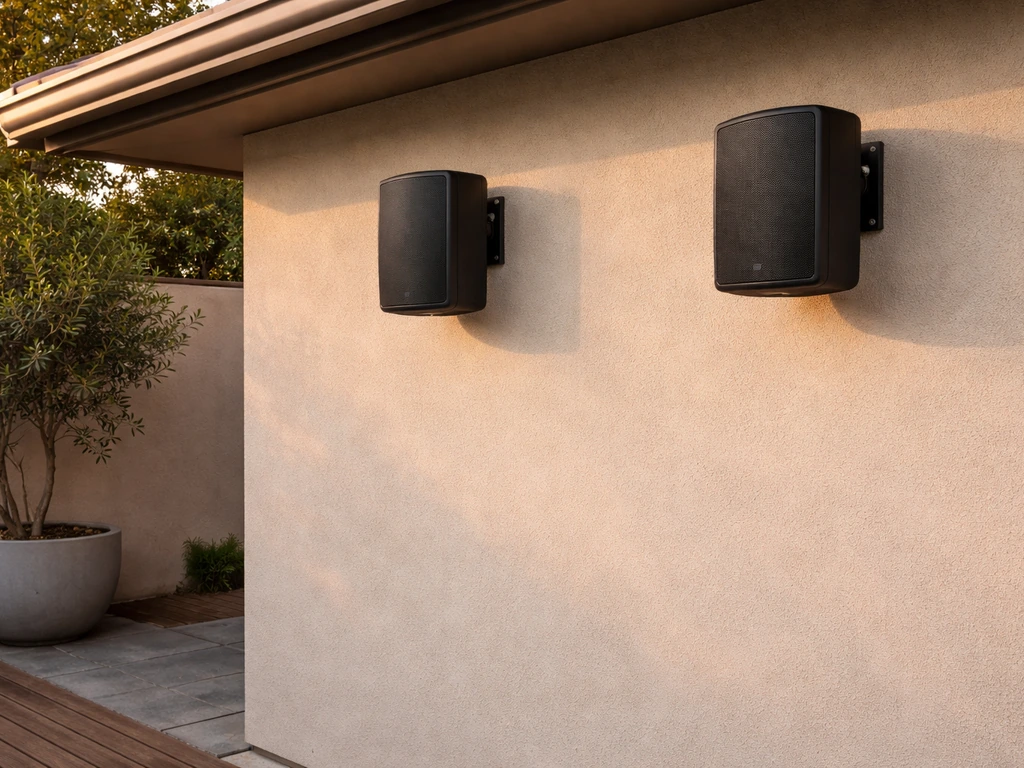
Polk Audio Patio 200 reviews with real outdoor sound, durability, setup tips, power needs, and troubleshooting for low v
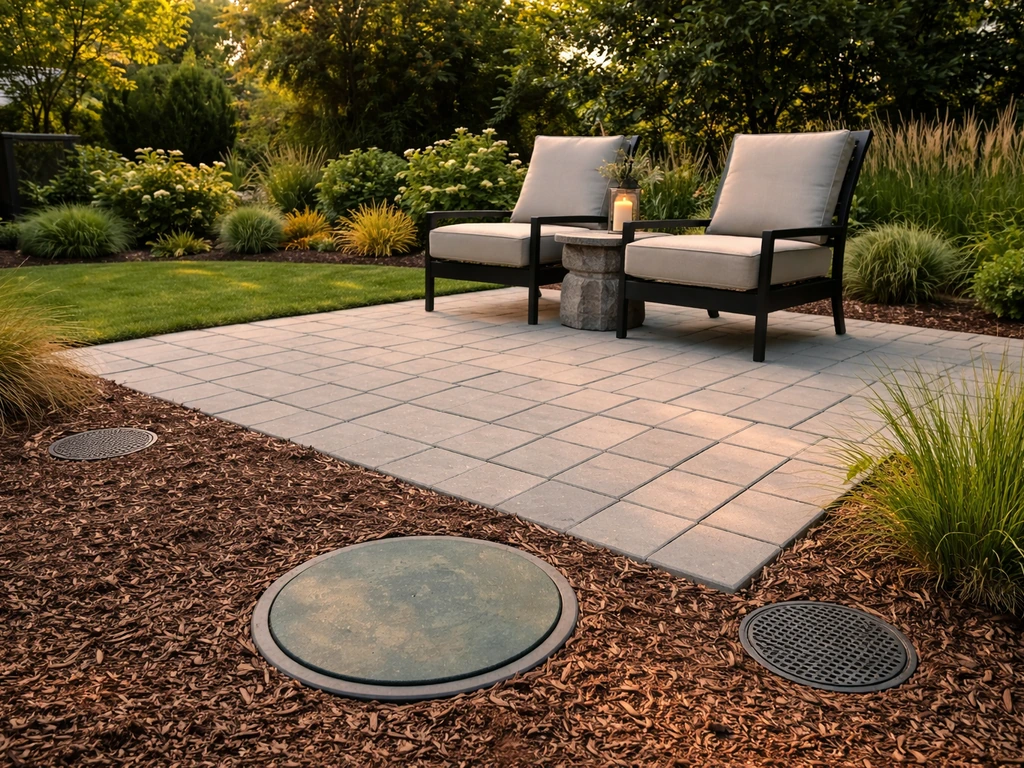
No-nonsense Sonance Patio Series review: outdoor coverage, durability, installation tips, and buying checklist for your
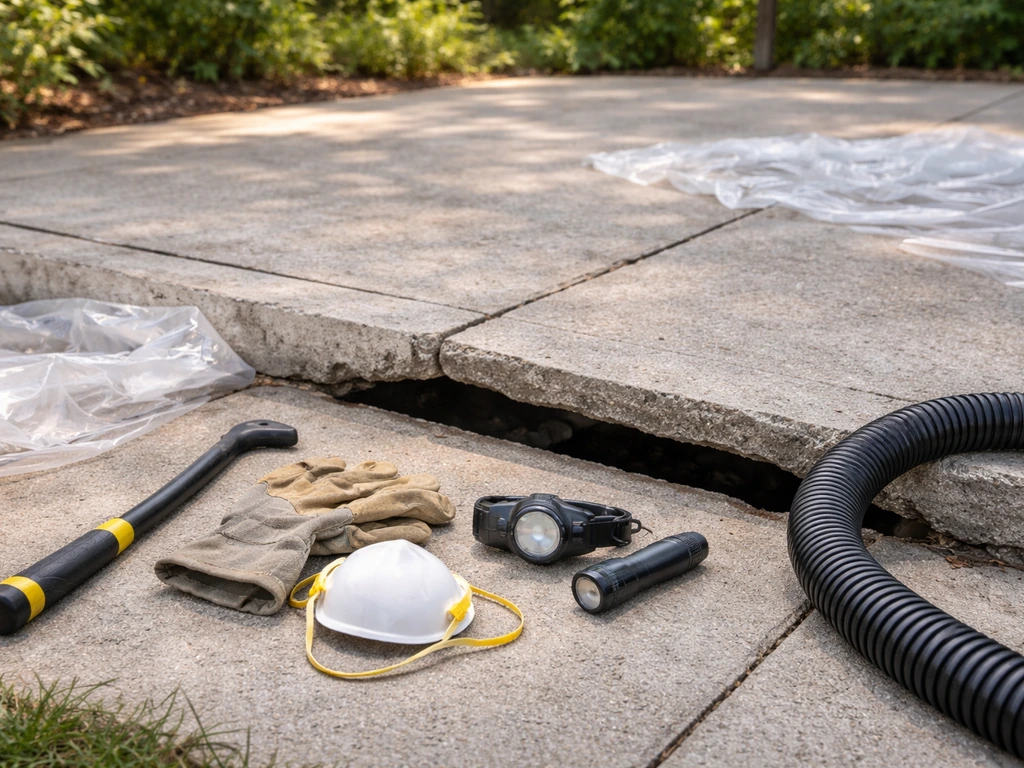
Safe steps, signs, and who to call after finding possible hazards under a patio slab, plus costs and documentation.