
When you search 'your Texas patio reviews,' what you really need is a practical system for finding honest customer feedback, filtering out the noise, and turning what you read into a confident hiring decision. Texas has no shortage of patio companies, from Houston patio cover specialists to custom deck builders in the DFW suburbs, but review quality varies wildly. This guide walks you through exactly how to find verified reviews, read them with a critical eye, spot fraud, and narrow everything down to a shortlist of 3 to 5 contractors worth calling today.
Your Texas Patio Reviews Guide to Find Verified Contractors

Maren Lawson
16 May 2026
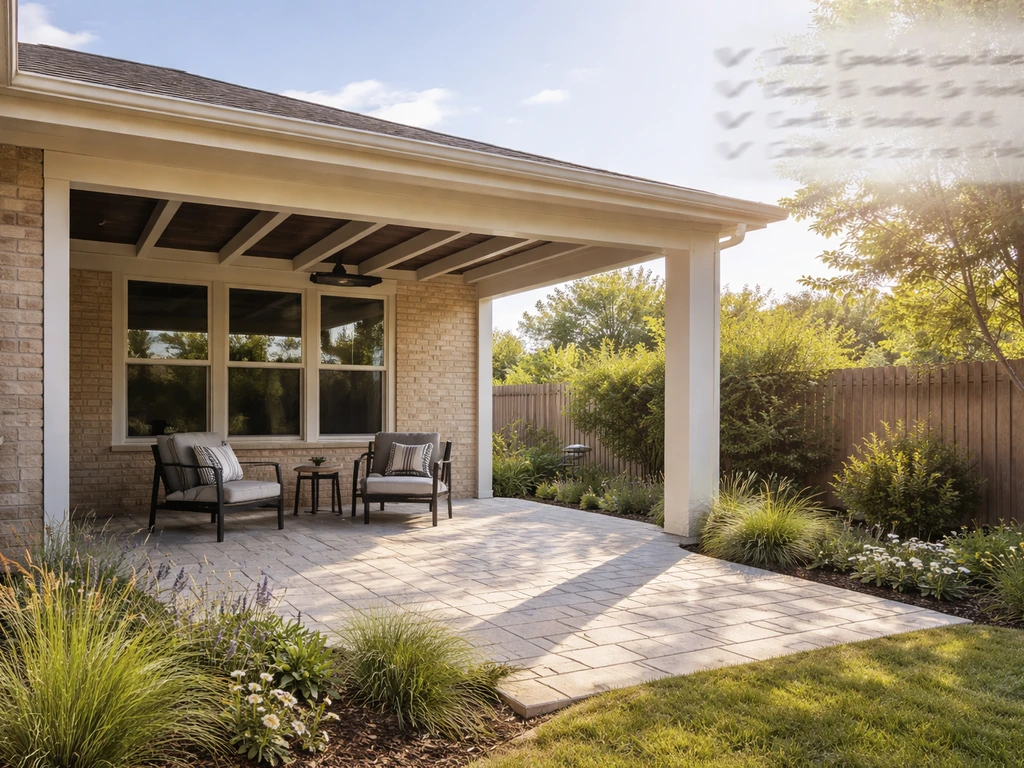
What 'Texas patio reviews' should actually tell you
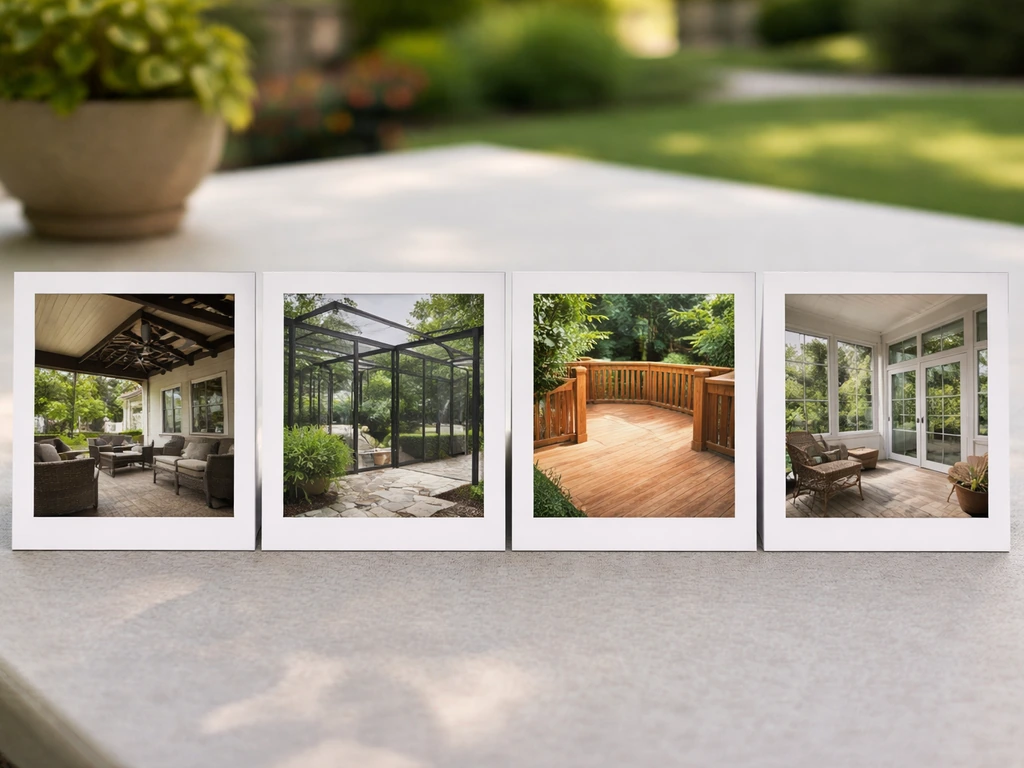
A good review does more than say 'great job.' It tells you what the project actually was (a 400 sq. ft. attached patio cover, a screened enclosure, a cedar deck, a sunroom addition), how long it took, whether it came in near the quoted price, and how the contractor handled problems when they came up. Those specifics matter because patio work in Texas covers a huge range: a basic concrete slab with a shade structure is a completely different job from a fully enclosed outdoor room that Grapevine, TX, for example, classifies as a room addition under building code. The review details that tell you whether a company is right for your project are scope clarity, timeline honesty, material quality, cleanup, communication, and whether the crew pulled permits and passed inspections.
Think about what you're building before you even start reading reviews. Patio covers, open-air decks, screened enclosures, and fully enclosed sunrooms each attract different contractor specialties. A company with 50 glowing reviews for stamped concrete patios might have zero experience with an insulated roof panel cover. So as you read, filter mentally by project type, not just star rating.
Where to find verified reviews for local Texas patio companies
Start with platforms that have a verification layer. Angi flags submitted reviews for internal verification, and if a review looks suspicious, the reviewer gets contacted directly to confirm the experience. That's not foolproof, but it's a meaningful filter compared to a contractor's own website testimonials page. Google Reviews has volume on its side. Yelp uses automated filtering software that pushes reviews it deems unreliable to a 'Filtered reviews' section that most people never see, so the visible rating skews toward higher-confidence feedback. According to Yelp Support, its recommendation software is automated and tries to identify the most helpful and reliable reviews, which is why only those recommended reviews appear on business pages blank" rel="noopener noreferrer">Yelp uses automated filtering software that pushes reviews it deems unreliable to a 'Filtered reviews' section. The BBB is useful less for its star ratings and more for its complaint history, especially unresolved complaints.
For Texas-specific research, this site aggregates verified reviews across patio companies, pool contractors, and outdoor living specialists by region, so you can narrow to your city or metro without wading through national directories that bury local results. If you're specifically searching for old Katy patio reviews, use the same checklist: look for details like scope, timeline, permits, and how drainage or post-install problems were handled verified reviews. If you're in Houston, DFW, Austin, or San Antonio, you'll find regional patterns here, including recurring themes around specific companies, that you won't get from a generic search. If you're specifically looking for Texas custom patios reviews, prioritize vendors that clearly describe scope, materials, and timeline in their customer feedback. Related local research on Houston patio covers, Austin-area builders, and DFW specialists can all help you build context before you pick up the phone. Related local research on houston patio covers reviews, Austin-area builders, and DFW specialists can all help you build context before you pick up the phone. If you want the fastest path to top rated patio builders near me, start with verified local reviews and then narrow to contractors that match your exact project type. If you are specifically looking at T&T Trucks and Taps patio reviews, use that same approach to confirm scope, timelines, and how the company responds to issues build context before you pick up the phone. To make the search faster, you can also look for Texas statuary patio and garden reviews that highlight outdoor craftsmanship and maintenance experience. If you want to focus specifically on Lone Star Patio Builders reviews, look for repeatable details like project scope, timeline, and permit handling rather than vague praise.
Cross-reference at least two or three platforms before trusting a rating. A contractor with a 4.8 on Google but a BBB complaint history and thin Angi reviews deserves more scrutiny than their Google score suggests.
How to actually read ratings and testimonials

The overall star rating is a starting point, not a conclusion. Here's what to dig into once you open the review thread:
- Scope of work: Does the reviewer describe the actual project (size, materials, type of cover or enclosure)? A review that mentions a specific project aligns better with your own situation.
- Timeline accuracy: Did the project finish close to the promised date? Reviews that mention delays matter, especially for Texas summers when concrete and roofing work gets complicated by heat.
- Change orders and final cost: Watch for mentions of surprise charges, scope creep, or mid-project price jumps. These are consistent red flags across Texas patio companies.
- Workmanship details: Cracking concrete, leaking roofs, improper drainage, and flaking paint are specific complaints that signal installation quality issues rather than personality clashes.
- Cleanup and site condition: Leftover materials, broken irrigation lines, and debris left behind show up repeatedly in negative reviews and often predict future service behavior.
- Communication style: Was the crew on-site as scheduled? Did the project manager return calls? Did someone explain the permit process?
- Warranty follow-through: The most useful reviews mention what happened when something went wrong after the job closed, not just whether the work looked good on day one.
Pay special attention to the 3-star reviews. They tend to be the most honest because the reviewer isn't fuming and isn't trying to thank someone with a glowing write-up. A 3-star review that says 'finished two weeks late but the quality was excellent and they did fix the drainage issue' tells you far more than a string of 5-star reviews that each say 'amazing team, highly recommend!'
Red flags and review fraud: what to watch for
Fake or manipulated reviews are a real problem in the home improvement space, and patio contractors are not immune. Here's how to spot them:
- Vague praise with no project details: 'Best company ever! Will use again!' with no mention of what was built, where, or when.
- Reviewer profile with no other reviews: A Google or Yelp account that reviewed exactly one business is a classic signal of a planted review.
- Clusters of reviews posted within a short window: Ten 5-star reviews posted across two weeks after years of silence suggests a review drive, which may or may not reflect real customers.
- Suspiciously perfect ratings on one platform, poor ratings on another: A 5.0 on one site and a 2.8 on another with unresolved BBB complaints is a major inconsistency worth investigating.
- No negative reviews at all: A company with 80 reviews and zero complaints has either scrubbed its profile or its reviews aren't all real. Even excellent contractors get the occasional unhappy customer.
- Responses that don't match the review content: If a contractor responds to a complaint by describing a project that sounds nothing like what the reviewer described, that's a sign the response is templated or defensive rather than genuine.
- References to licensing or insurance that can't be verified: Some reviews mention 'fully licensed and insured' as if it were the contractor's own marketing language, which it sometimes is.
Yelp's automated filtering system actively moves suspicious reviews to a 'not recommended' section, and Angi flags reviews for internal verification, but neither system is perfect. Your best protection is reading reviews across multiple platforms and cross-checking with the BBB complaint database, where you can see the actual text of consumer complaints and how (or whether) the company responded.
Turning reviews into a shortlist of candidates

Once you've read through reviews on two or three platforms, you want to narrow down to 3 to 5 companies worth contacting. Here's a simple process:
- Filter by project type first: Only consider companies with reviews that describe projects similar to yours (patio cover, enclosed sunroom, deck, etc.).
- Filter by location: Texas is enormous. A company based in Plano is not the right fit for a San Antonio project. Look for reviews that mention your city or region specifically.
- Require a minimum review threshold: At least 15 to 20 reviews across verified platforms gives you a meaningful sample. Fewer than that and you're working with too little signal.
- Eliminate any company with unresolved BBB complaints: An unresolved complaint, especially one involving incomplete work or failure to return deposits, is disqualifying.
- Flag the companies where reviewers mention permits and inspections: This signals the contractor operates above the table, which matters a lot for Texas patio work where permit requirements vary by city.
- Note the companies where owners respond to negative reviews constructively: A contractor who engages thoughtfully with criticism is usually easier to work with than one who goes silent or gets defensive.
- Keep your shortlist to 3 to 5 candidates: More than that and you're wasting time. Fewer than three and you don't have enough leverage during quote comparisons.
If you're researching specific companies in Texas, regional review aggregators (like the ones on this site covering builders like Boyd's Custom Patios, Lone Star Patio Builders, Old Katy Patio, Texas Custom Patios, and others) let you compare customer experiences side by side across similar project types rather than hunting through Google page by page.
Questions to ask and how to verify what reviews claim
Reviews give you a script for your contractor conversations. If multiple reviews mention drainage problems after rain, ask directly: 'How do you handle slope and drainage for a covered patio in this area?' If reviews praise the crew's communication, ask what the communication process looks like, who your point of contact is, and how changes get documented. Here are the specific questions worth asking every company on your shortlist:
- Are you licensed in Texas, and can I verify that through TDLR? (The Texas Department of Licensing and Regulation has a public license search tool you can use yourself to confirm any license number they give you.)
- Do you carry Commercial General Liability insurance, and can you provide a certificate of insurance naming me as an additional insured?
- Will you pull the permits for this project? (In cities like Garland, Grapevine, and Austin, patio covers and enclosed spaces require building permits. An enclosed patio in Grapevine, for example, is treated as a room addition under code. If a contractor says permits aren't needed, get that in writing and verify it yourself with your city's building department.)
- What does your change order process look like? Will any scope or cost changes be documented in writing before work continues?
- What warranty do you offer on materials and labor, and how have you handled warranty claims in the past?
- Can you provide two or three references from completed projects similar to mine in the past 12 months?
- What's a realistic timeline for my project, and what typically causes delays?
On the licensing question: TDLR's public verification tool lets you search by contractor name or license number and see whether a license is active, expired, or has had disciplinary action. This takes about two minutes and can save you from hiring someone operating without coverage. For insurance, ask for a Certificate of Insurance (COI) before any work starts. TDLR's contract management guidance references Commercial General Liability coverage as a baseline, and any reputable Texas contractor should have it and be willing to share documentation.
Comparing quotes and deciding who to hire
Once you have quotes from your shortlisted companies, the goal is an apples-to-apples comparison. Patio quotes are notorious for looking very different on paper even when the scope is similar, because some contractors itemize everything while others give a lump sum. Before you compare prices, make sure each quote specifies:
| Quote Element | Why It Matters | What to Watch For |
|---|---|---|
| Materials (brand, grade, thickness) | Insulated roof panels vs. corrugated metal vs. wood differ dramatically in cost and longevity | Vague terms like 'standard materials' without specifics |
| Permit fees | Some contractors include permit costs; others add them later | Quotes that don't mention permits at all for work that requires them |
| Site prep and demolition | Removing an old slab or existing structure adds cost | Scope that assumes a clean site when yours isn't |
| Drainage and grading | Critical in Texas where heavy rain events are common | No mention of slope or drainage in the plan |
| Timeline and payment schedule | Upfront payments over 10–15% are a risk signal | Large deposits before any material is ordered |
| Warranty terms (labor and materials) | Manufacturer and contractor warranties should both be specified | Verbal warranty promises with nothing in writing |
| Cleanup and haul-away | Final site condition is often a source of disputes | No mention of debris removal in the contract |
When two quotes are close in price, go back to the reviews. The company with more documented follow-through on warranties and communication is usually the better long-term bet, even if they're slightly higher. If one quote is dramatically lower than the others, that's worth a direct conversation: ask what's different about their approach, what grade of materials they're using, and whether permits are included. Sometimes a lower quote reflects efficiency; more often it reflects corners being cut somewhere.
Before you sign anything, run through this final checklist:
- Verified the contractor's Texas license through TDLR's public search tool.
- Received and reviewed a current Certificate of Insurance for Commercial General Liability coverage.
- Confirmed which permits are required for your project and who is responsible for pulling them.
- Reviewed at least two or three real references from similar recent projects.
- Compared at least three itemized quotes covering materials, permits, drainage, timeline, and warranty.
- Checked BBB complaint history and reviewed feedback on at least two independent platforms.
- Got warranty terms (labor and materials) documented in the written contract.
- Confirmed the payment schedule and avoided any contract requiring more than 10 to 15 percent upfront before materials are ordered.
Texas patio projects move quickly once you have a good contractor lined up, especially if you're scheduling during fall or spring before the heat peaks. Doing this review research upfront, and using it to ask sharper questions during your quote process, is what separates homeowners who end up happy from those who are filing BBB complaints six months later.
FAQ
How can I tell if a “verified” patio review is truly specific to the same type of project I’m planning in Texas?
Look for matchable details, the review should mention the structure type (open-air slab, covered patio, screened enclosure, or fully enclosed sunroom), approximate size, and key materials (roof panels, lumber species, concrete mix, footings). If the review only says “patio cover” without those specifics, treat it as weak evidence and prioritize reviewers who describe drainage, roof design, and permit handling.
What’s the best way to use your Texas patio reviews to compare contractors when their quotes are not itemized the same?
Ask each company to provide a scope breakdown using the same categories (site prep, foundation or footings, framing, roof system, finishes, electrical if applicable, permitting, and cleanup). Then compare the warranty terms for workmanship and materials separately, because lowball bids sometimes hide limited warranty language even when the total price is close.
Should I trust a company with mostly 5-star ratings, or are there red flags to watch for in the review pattern?
A heavy concentration of near-identical praise with no mention of timeline, change orders, inspections, or problem resolution is a red flag. Also watch for reviews posted in clusters over a short period, especially if they don’t describe project specifics like drainage fixes after rain or how the crew handled permit delays.
How do I read a 3-star review differently than a 1-star or 5-star review?
Treat a 3-star review as diagnostic. The most useful ones include at least one concrete issue (late arrival, minor finish problems, or drainage not matching expectations) plus what the contractor did to correct it. If the review is only vague dissatisfaction, it’s less actionable, cross-check it with how the company responded.
If the review mentions drainage issues after rain, what exact questions should I ask to confirm the plan before work starts?
Ask for the intended slope direction, drainage method (surface grading, swales, or tie-in to existing lines), and how post-install settling will be addressed. Request details on waterproofing and flashing at beams and where the roof meets walls, then ask who is responsible for verifying drainage performance during and after installation.
What should I do if your Texas patio reviews show conflicting experiences for the same contractor?
Cross-reference by project type, if most negative reviews are about screened enclosures but your job is a covered patio, the risk may be lower. Still, ask for similar project references in your exact metro, and verify TDLR license status plus insurance COI before signing anything, because licensing or coverage issues can explain some inconsistencies.
Is it enough to check a contractor’s TDLR status, or should I verify anything else related to coverage?
Verify the license is active and check for any disciplinary history through the TDLR lookup, then request a Certificate of Insurance (COI) for general liability before work starts. Make sure the COI dates cover your project period and that the insured party matches the contractor’s legal entity shown on the quote or contract.
How can I spot potentially fake reviews using your Texas patio reviews without getting stuck overthinking it?
Prioritize common sense signals: repetitive wording across many reviews, missing project specifics (size, materials, timeline, permits), and reviews that never mention any real challenge or how it was handled. If the same account names or profiles appear across multiple contractors with praise-only language, treat the overall signal as unreliable and rely more on cross-platform and BBB complaint text.
What’s a practical checklist for what I should ask during my first call after I shortlist 3 to 5 contractors?
Ask about (1) who your point of contact is during scheduling and changes, (2) permitting timeline and whether they handle it end-to-end, (3) warranty coverage details (workmanship and materials, duration, and exclusions), and (4) how drainage and post-install grading will be verified. Also ask for a written schedule window that matches your desired start month in Texas.
How far in advance should I plan in Texas if I want the fastest path to available scheduling after doing your Texas patio reviews research?
If you want a specific contractor and you’re building during fall or spring before peak heat, start outreach earlier than you think, many projects book out around those seasonal windows. Use your shortlist to request dates right away with your exact scope, because companies may only be available for certain permit timelines and project types.
Are there any situations where I should prioritize contractor responses to reviews over the review star score?
Yes. If a review is negative, the response quality matters most: does the contractor acknowledge the issue, describe a corrective action, and stay specific to the project details. A contractor with fewer stars but consistent, accountable responses is often a safer long-term bet than one with high scores and no evidence of learning from problems.
Next Articles
Ohio Custom Pool and Patio Reviews: How to Compare Contractors
Learn how to trust Ohio custom pool and patio reviews, spot red flags, shortlist pros, and request accurate bids.
Oklahoma Pool and Patio Reviews: How to Choose a Contractor
Use verified Oklahoma pool and patio reviews to vet contractors, spot red flags, and choose by workmanship, communicatio

BMR Pool and Patio Reviews: How to Choose the Right Contractor
BMR pool and patio reviews guide: compare ratings, spot red flags, verify licensing, and shortlist the right contractor.