
To find trustworthy Texas custom patios reviews, you need to go beyond star ratings and focus on specific details: did reviewers mention the exact materials used, how drainage was handled, whether the job came in on budget, and how the contractor responded when something went wrong? That combination of specifics is what separates a useful review from a five-star placeholder that tells you nothing. Once you know what to look for, you can cross-reference multiple platforms, spot the fakes fast, and walk into contractor estimates with a shortlist of smart questions pulled directly from what past customers experienced.
Texas Custom Patios Reviews: How to Evaluate Contractors

Maren Lawson
9 Jul 2026
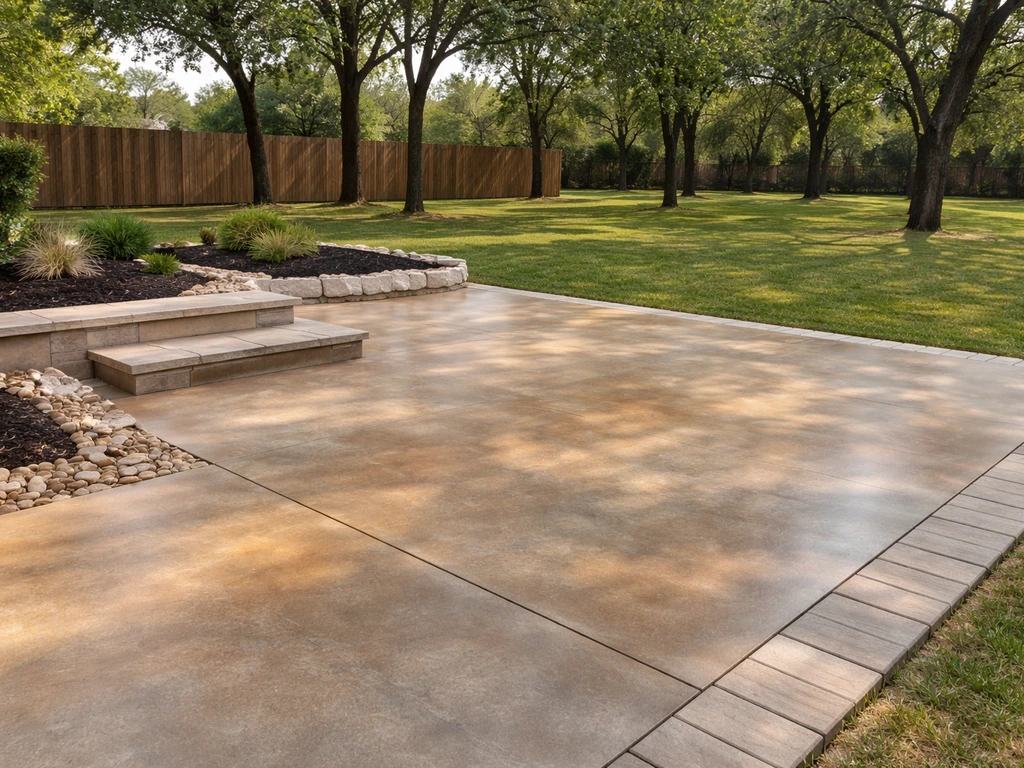
What good Texas custom patios reviews should actually include

A review that says 'Great company, love our patio!' is almost useless to you. What you actually need are reviews that describe the job in enough detail that you can picture the project. For custom patio work specifically, the most valuable reviews cover workmanship quality (did the pavers stay level after the first Texas summer?), layout and measurement accuracy, the specific materials used and whether the contractor actually delivered what was quoted, drainage and grade (this is a big deal in Texas where summer storms are intense), timeline, how change orders were handled, whether permits were pulled, job-site cleanliness, and what happened post-project when something needed fixing.
Reviews matter for custom patio projects more than almost any other home improvement category because the work is highly variable. A paver patio in San Antonio, a stamped concrete overlay in Houston, a covered patio structure in the DFW suburbs, and a patio enclosure near Austin all involve different trades, different materials, and different permit requirements. A contractor who excels at one may be mediocre at another. Reviews that specify the project type, size, and outcome give you data you can actually apply to your situation. Generic praise does not.
When you see reviews from companies like Boyd's Custom Patios, Lone Star Patio Builders, or contractors covered in Houston patio covers reviews, pay attention to whether customers name the specific surface material, mention the square footage, and describe the before and after conditions of the space. If you want, you can also look for Boyd's Custom Patios reviews to see how homeowners describe workmanship, materials, and how issues were handled. Those specifics are the signal. Everything else is noise.
Where to find verified Texas patio reviews and how to check if they're real
The main platforms worth using are Google Business Profile, the Better Business Bureau, and Angi. Each handles verification differently and has different strengths and weaknesses.
Google Business Profile allows businesses to verify their listing, but Google's own documentation acknowledges that the verification process can be incomplete if certain business information cannot be fully confirmed. That means a Google listing being 'verified' speaks to the business itself, not to whether every review on that listing is legitimate. Google reviews are also relatively easy to inflate because there is no transaction confirmation requirement. Still, Google is worth checking because of sheer volume and because you can often spot patterns across dozens of reviews.
The BBB confirms that a marketplace interaction actually took place between a reviewer and the business before publishing a customer review, and it gives the business an opportunity to respond. BBB ratings are designed to reflect how a business is likely to interact with customers, not to guarantee performance. That is an important distinction. A high BBB rating means the company handles complaints relatively well, not that every job is perfect. Read the complaint section carefully because the detail there is often more revealing than the star ratings.
Angi runs an internal consumer verification process intended to screen out spam bots, employees, family members, and competitors leaving fake reviews. When a review is flagged, the platform sends communication to the reviewer to confirm they are a real customer. That said, no platform's verification is airtight, and there is legitimate ongoing skepticism among both homeowners and contractors about how well review ecosystems on lead-generation platforms actually reflect unbiased customer experience. Use Angi as one data point, not the only one.
For regional coverage across Texas, aggregator sites that focus specifically on outdoor living and patio contractors, like this one, often surface reviews that cut through the clutter because the editorial focus is narrow. If you are looking for texas statuary patio and garden reviews, prioritize listings that include verifiable project details, photos, and contractor responses aggregator sites that focus specifically on outdoor living and patio contractors. When a review site is built around patio companies specifically (rather than all home services), there is less incentive for off-topic padding and more pressure to show relevant project details.
Quick checklist for verifying review authenticity

- Does the reviewer have a review history, or is this their only ever review?
- Does the review mention a specific project type, timeline, material, or problem?
- Is the language generic and overenthusiastic with no concrete details? That is a red flag for a fake.
- Did the company respond, and does the response actually address the specifics raised?
- Are there multiple reviews from the same time period that read similarly? That is a velocity pattern worth noting.
- Does the BBB show complaints filed, and how were they resolved?
How to read reviews for the details that actually matter on custom patio jobs
Start by filtering reviews by project type as much as possible. A contractor may have glowing reviews for basic concrete slabs but consistent complaints when they try to do paver work or a covered patio structure. If you are building a covered patio with a metal roof and fans, look specifically for reviews that mention that scope of work.
Here is what to pay attention to for each critical area:
| Review Topic | What to Look For | Why It Matters in Texas |
|---|---|---|
| Materials | Did the reviewer confirm they got what was in the quote? Any substitutions? | Material quality varies widely; Texas heat accelerates failure in cheaper products |
| Drainage and grade | Did water pool after heavy rain? Did the contractor address slope? | Texas storm intensity makes improper drainage a major defect risk |
| Workmanship | Cracks, uneven surfaces, grout failure, settling within the first year? | Temperature swings stress concrete and pavers; poor compaction shows fast |
| Timeline | Was the project completed on the promised schedule? If not, what caused delays? | Weather delays are legitimate; labor or material excuses for weeks-long gaps are not |
| Budget and change orders | Did the final bill match the quote? Were change orders explained in writing? | Cost overruns without written documentation are a common complaint pattern |
| Permits | Did the reviewer mention permits or inspections? Did the contractor handle them? | Local Texas jurisdictions require permits for covered structures; skipping creates liability |
| Communication | Was the contractor reachable during the project? After? | Poor communication during a job is the leading predictor of post-project disputes |
| Warranty and follow-up | Did anything need fixing? Did the contractor come back? | A contractor who disappears post-payment is a serious financial and legal risk |
Pay specific attention to how a contractor responds to negative reviews online. A response that deflects blame, questions the reviewer's credibility, or offers a non-answer tells you more than the original complaint. A response that acknowledges the problem, describes what was done to fix it, and invites further contact is a genuine green flag.
Red flags vs green flags: patterns that actually mean something
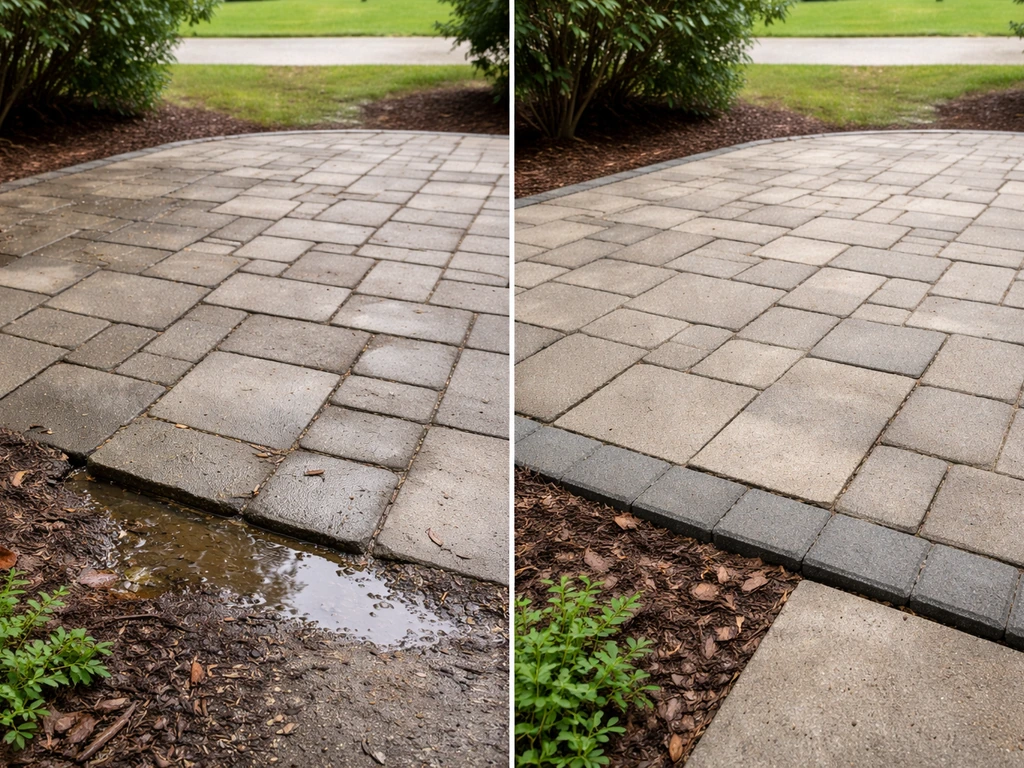
After reading through dozens of Texas patio contractor reviews across multiple platforms, certain patterns repeat. BBB provides guidance on spotting fake reviews by looking for vague, overly enthusiastic generic language, unusual “velocity” patterns, and review structures that can signal inauthentic content. Here is how to separate signal from noise:
| Pattern | Red Flag or Green Flag | What It Signals |
|---|---|---|
| Reviews with just a word or two, or only 'Great job!' with no details | Red flag | Likely fake or solicited from someone who had minimal engagement with the project |
| Multiple complaints about delays with no explanation from the contractor | Red flag | Scheduling or subcontractor management problems that will probably affect your job too |
| Final invoice significantly higher than the original quote, no explanation | Red flag | Undisclosed change orders or bait-and-switch pricing practice |
| Reviewer mentions specific material names, dimensions, or project phases | Green flag | This is a real customer who paid attention; the details are reliable |
| Contractor response addresses the specific complaint and offers resolution | Green flag | Shows the company monitors feedback and takes accountability seriously |
| Multiple reviews mention the same crew member by name and describe consistent quality | Green flag | Indicates stable labor, which matters a lot for custom work |
| Complaints about permits being skipped or inspections not happening | Red flag | Creates real legal liability for the homeowner under Texas property and building code |
| Reviewer describes post-project follow-up and a warranty repair being handled quickly | Green flag | A contractor who comes back is worth paying more for upfront |
The BBB is particularly useful for spotting complaint patterns because their platform requires a confirmed marketplace interaction and gives the business a formal response opportunity. If a contractor has multiple BBB complaints about the same issue (say, drainage problems or no-shows after the deposit clears), that pattern is more credible than a handful of anonymous Google complaints.
Comparing contractors: match what you read to your specific patio type
Not every Texas patio contractor builds the same things well. Before you compare them side by side, nail down exactly what you are building. The review criteria for a poured concrete slab are different from those for a paver patio, a stamped concrete overlay, a pergola or covered patio structure, or a screened enclosure. Read reviews with your specific project type as the filter.
| Patio Type | Key Review Topics to Prioritize | Common Issues to Watch For |
|---|---|---|
| Paver patio | Base compaction, edge restraint installation, polymeric sand application, drainage slope | Pavers shifting or sinking within the first year, especially after heavy rain |
| Stamped or poured concrete | Expansion joint placement, sealer quality, color consistency, surface cracking | Cracking within 12 months, especially in areas with expansive clay soil |
| Covered patio structure (wood or metal) | Permit pulled, footing depth, roof attachment to house, waterproofing at connection point | Roof leaks at the house attachment, inadequate footings that shift over time |
| Patio enclosure or screen room | Screening quality, frame straightness, door alignment, drainage at base | Poor drainage causing water intrusion, screens not fitting frames correctly |
| Outdoor kitchen or firepit integration | Gas line work licensed separately, surface heat tolerance, drainage around features | Unlicensed gas work, surface materials not rated for heat exposure |
When comparing contractors across Texas, be aware that regional differences within the state matter. Houston-area contractors deal with heavy clay soil and intense rainfall, so drainage expertise should show up in their reviews. For Houston patio cover decisions, Houston patio covers reviews can help you compare drainage, layout, and workmanship for covered structures Houston-area contractors deal with heavy clay soil and intense rainfall. DFW contractors need experience with expansive soil that shifts dramatically between wet and dry seasons. San Antonio and Hill Country projects often involve working with sloped terrain and limestone. Look for reviews from customers in your general region to make sure the contractor has relevant local experience.
If you are evaluating companies that come up in related searches, such as Your Texas Patio, Old Katy Patio, or contractors listed in Houston patio covers reviews, cross-check whether the reviews you find match your specific project type rather than just the company's highest-rated service. As you read your texas patio reviews, match the details you see to your exact patio scope before you shortlist anyone.
Questions to ask before you hire, based on what reviews actually reveal
Reviews are most useful when you treat them as a preparation tool for your contractor conversations. Every red flag you spot in reviews is a question you should ask directly during the estimate. If you are looking for quick buying guidance, you can also scan specific patio brands and styles, including T&T Trucks and Taps patio review roundups, to see what homeowners emphasize most T&T Trucks and Taps patio reviews. Here is how to translate review themes into specific questions:
- Will you pull all required permits for this project, and can you show me the permit receipt before work begins? (Multiple reviews mentioning skipped permits mean you need to ask this directly.)
- Can I see an itemized written quote that breaks out materials, labor, and any anticipated change order triggers? (Reviews about unexplained cost overruns tell you to get everything in writing upfront.)
- How do you handle drainage and slope on this type of project, and what is your process for confirming grade before you pour or set pavers? (Drainage complaints are common enough in Texas that this should be a standard question.)
- Who specifically will be on-site doing the work, and are they your employees or subcontractors? Are subcontractors licensed and insured? (Review complaints about crews changing mid-project or unlicensed subs doing structural work are a pattern worth probing.)
- What does your warranty cover, for how long, and what is the process if I notice a problem six months after completion? (Reviews about contractors going dark post-payment tell you to clarify this before you sign anything.)
- Can you provide references from customers who had a similar project type and scope in the past 12 months? (Generic references from three years ago are less useful than a recent customer whose patio you can actually go see.)
- What is your timeline for this project, and what causes delays in your experience? (If reviews repeatedly mention unexplained delays, ask what happened in those cases.)
- Do you carry general liability insurance and workers' compensation, and can I see the current certificates? (This is non-negotiable; do not accept verbal assurance.)
On licensing: Texas has state-level licensing and registration requirements that vary by trade, administered through agencies like the Texas Department of Licensing and Regulation. Certain Texas municipalities also require separate local contractor registration at the city level, meaning a contractor licensed at the state level may still need a local registration in your city to work legally on your property. The City of Universal City, Texas says home improvement contractor registration is required for all home improvement contractors, showing that Texas municipalities can add registration layers beyond statewide licensing separate local contractor registration at the city level. Ask the contractor directly whether they have both, and verify independently where you can.
Your next steps: from shortlist to signed contract
Once you have read reviews carefully and identified two to four strong candidates, here is how to move forward without getting burned. If you are ready to start shopping, compare the top rated patio builders near me and shortlist the contractors whose reviews match your exact patio type.
- Build a shortlist of three to four contractors based on reviews that match your specific project type, not just overall star ratings. Prioritize contractors with reviews that describe work similar to yours in your region of Texas.
- Contact each contractor and request an in-person site visit and an itemized written bid. 'Itemized' means line items for materials with specifications (not just 'pavers'), labor by phase, permit fees, and any allowances or contingencies. A contractor who will not provide an itemized quote is a contractor who is difficult to hold accountable later.
- Verify licensing and insurance before the estimate conversation goes further. Ask for current certificates of general liability and workers' compensation. Then check with TDLR to confirm the contractor is in good standing. Also check whether your city has a local home improvement contractor registration requirement.
- Pull the BBB complaint history for each shortlisted contractor. Read the complaints and the responses carefully. A few resolved complaints over several years is normal for a busy contractor. A pattern of unresolved complaints about the same issue is a real warning.
- Check permit requirements with your local building department before finalizing your decision. For a covered patio structure, most Texas cities require a building permit, and some require a separate electrical permit if you are adding lighting or fans. If a contractor tells you a permit is not needed for a covered structure, verify that independently.
- Review the contract before signing and confirm it includes: project start and completion dates, a detailed scope of work with material specifications, payment schedule tied to milestones (not just a lump sum upfront), a change order clause requiring written approval before extra costs are incurred, and warranty terms in writing.
- Know your rights under Texas law. Texas Property Code Chapter 27 gives homeowners specific protections related to residential construction defects, including a formal notice process if you end up in a dispute. You are required to give written notice by certified mail at least 60 days before initiating legal action, describing the defects in reasonable detail. Understanding this upfront means you know how to document problems if they arise.
One last thing worth saying plainly: the goal of reading Texas custom patios reviews is not to find a contractor with zero complaints. If you are specifically searching for old katy patio reviews, focus on reviews that describe the finished patio results and any fixes after the fact. It is to find a contractor who does good work, communicates honestly, and handles problems like a professional when they come up. That combination is what every reliable review pattern actually points toward, and it is exactly what you should be looking for as you compare your shortlist.
FAQ
How can I tell if a “Texas custom patios review” is actually relevant to my project?
For patio contractors, the strongest reviews usually mention the exact surface and installation method (for example, paver type and base layer, stamped concrete mix, or the drainage channel approach). If a review only says “nice patio,” and does not describe what was installed and how it was set, treat it as weak evidence and rely on reviews that include those technical specifics.
What should I look for in reviews if I’m worried about Texas heat and heavy rain causing failures?
Yes. Look for comments about weatherproofing details that match your climate and patio style, such as expansion joints for concrete in hot Texas summers, water management around downspouts, and how edges are finished to prevent washouts. Reviews that ignore these items often come from jobs that were either different in scope or not installed with long-term performance in mind.
Do reviews mention whether contractors change the price after the estimate, and what should I do with that information?
When comparing quotes, prioritize reviews that describe how pricing changed (or didn’t) after measurements, especially for drainage adjustments, grading, or structural add-ons like roof posts and beams. If you see multiple reviews where change orders arrived late or were vague, ask your contractor to provide a written allowance list and define what triggers additional charges.
What if most reviews praise the finished patio, but say little about the timeline and job management?
Do not rely on the absence of negative reviews. Instead, search within reviews for timing issues like “no-show,” “weeks of delay,” or “missed delivery,” and confirm whether the contractor provides a schedule with milestones (demo, base prep, inspection, install, final walkthrough). If reviews are quiet about timeline management, that is a risk you should validate during your estimate.
How do I use reviews to gauge whether a contractor handles permits and inspections correctly in Texas?
Yes, and it’s especially important for custom work. Reviews that mention permits, inspections, or municipal requirements are more actionable than reviews that do not. If a review does not clarify permits or code compliance, ask your contractor who pulls permits, what inspections are required for your scope, and who is responsible if something fails inspection.
What are the best “green flags” in reviews beyond the final appearance of the patio?
A good signal is a review that describes cleanup and site protection, such as how excess materials were removed, how edges were finished, and whether the contractor corrected settlement or uneven lines after early weather exposure. Ask for photos of the base preparation and an end-of-job walkthrough checklist since many review writers focus only on the final look.
If I keep seeing drainage complaints in reviews, what questions should I ask to protect myself?
Look for patterns like repeated mentions of “drainage not addressed,” “water pooling,” “lifting,” or “sinking after first summer.” Then ask your contractor for your specific drainage plan in writing, including grade targets, where water will go, and what base prep they use. Also ask how they verify results during and after installation.
How do I detect fake or low-quality reviews when comparing across Google, BBB, and Angi?
Cross-check the same contractor across at least two platforms and compare whether reviewers describe the same kinds of projects and outcomes. Red flags include reviews that sound identical, reviewers who never mention the project type, or a company that responds strongly to one platform but not others. Use the platform differences to detect suspicious review patterns.
How should I adjust my review evaluation based on whether I’m in Houston, DFW, San Antonio, or Hill Country?
Regional fit matters, so treat “Texas” as too broad. Filter by the metro area you’re in, then prioritize reviews that discuss your local site conditions (clay drainage challenges in Houston, expansive soil movement in DFW, slope and limestone considerations in San Antonio and Hill Country). If reviews don’t mention soil, grading, or terrain, ask for a site assessment approach.
Once I find good reviews, what should I ask my top contractor candidates to put in writing?
Use reviews to identify what you need written into your contract, then request that exact documentation during your estimate. Examples include: material specs, drainage and grading scope, who obtains permits, start and completion milestones, warranty terms, and a defined process for change orders and punch-list fixes.
Next Articles

Texas Statuary Patio and Garden Reviews: Services and Red Flags
Texas patio and garden reviews guide to judge contractor quality, red flags, and due diligence steps fast.
Old Katy Patio Reviews: How to Evaluate Contractors Fast
Learn what Old Katy Patio reviews mean and how to judge contractors fast using verified, recent, detailed signals.
Lone Star Patio Builders Reviews: How to Vet and Decide
Learn how to read Lone Star patio builders reviews, verify services, spot red flags, and compare bids before hiring.