
Reviews for patio enclosures and sunrooms can tell you almost everything you need to know about a builder, if you know how to read them. The problem is most people skim star ratings, miss the patterns buried in the text, and end up hiring the wrong company for their climate, budget, or use case. This guide walks you through how to use those reviews like a pro: what the complaints actually mean, what to ignore, what to take seriously, and how to turn that research into a shortlist of local builders worth calling.
Patio Enclosures Sunrooms Reviews: What to Check

Maren Lawson
29 Apr 2026
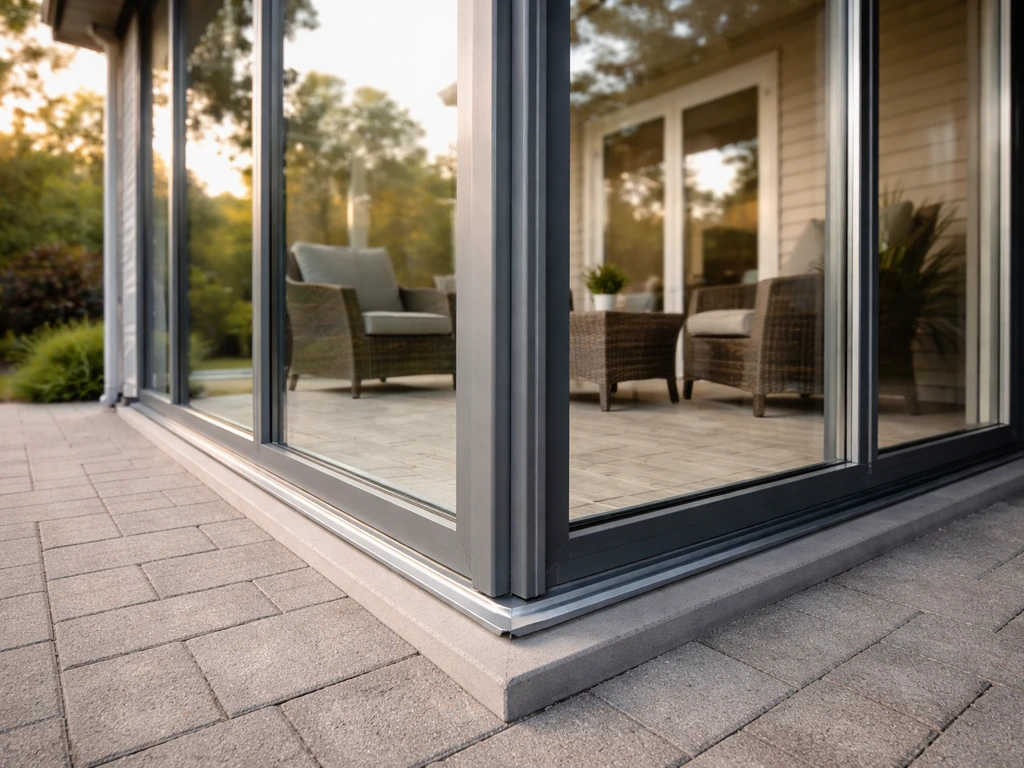
Patio enclosures vs. sunrooms: why reviews differ between the two
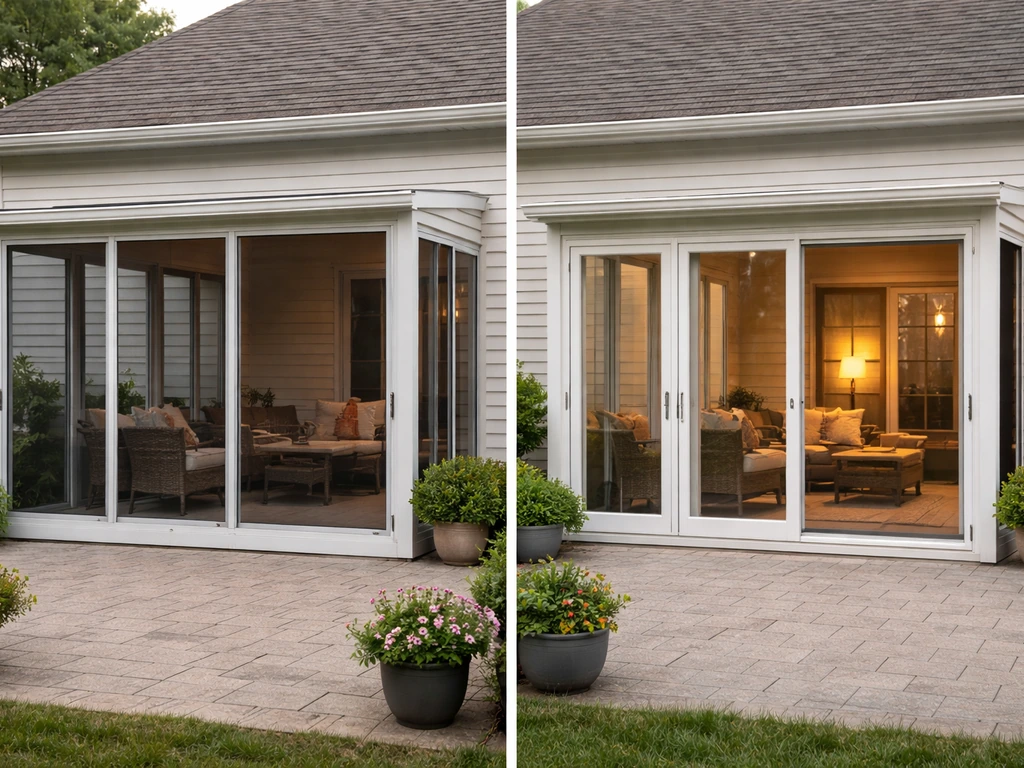
These terms get used interchangeably, but they describe very different products, and that's exactly why reviews for the same company can sound like they're describing two completely different experiences. A patio enclosure is typically a screened or paneled structure built over an existing patio slab. It's designed to keep bugs out, maybe block some wind, and extend your usable outdoor season. A sunroom, especially a four-season model, is closer to a real room addition, insulated walls, double-pane glass, finished interior, sometimes HVAC.
The most important distinction in reviews is the three-season vs. four-season split. Three-season rooms are built for spring, summer, and fall use. They use lower R-value insulation (or none at all), and they are simply not engineered for year-round temperature control. Four-season sunrooms use thicker structural panels, roof configurations commonly run 3 inches, 4.5 inches, or 6 inches thick depending on the system, and thermally engineered aluminum framing (often 4.25-inch systems with proper thermal breaks) that can handle heating and cooling loads. A lot of negative reviews come from homeowners who bought a three-season room and expected four-season comfort. That's not always the builder's fault, but it is a red flag if the builder never had that conversation upfront.
| Type | Typical Use | Insulation Level | Cost Range (Rough) | Common Review Complaints |
|---|---|---|---|---|
| Screen room / patio enclosure | Bug/weather barrier, warm months | None | $5,000–$15,000 | Drafts, pests getting in, flimsy hardware |
| Three-season sunroom | Spring through fall | Low R-value | $10,000–$40,000 | Too cold in fall, condensation, leaks |
| Four-season sunroom | Year-round | High R-value, thermal frame | $25,000–$80,000+ | Cost overruns, HVAC sizing, permit delays |
When you read reviews, always try to figure out which product type the reviewer actually got. Someone who paid $18,000 and expected to use their space in January is probably describing a three-season room sold without enough context. Someone who paid $60,000 and still has drafts has a legitimate complaint about a four-season install gone wrong.
How to actually read and compare reviews like a homeowner
Star ratings are almost useless on their own. A company with a 4.2-star average could have 80% glowing reviews and 20% detailed horror stories, and the horror stories might describe exactly what happens to customers in your situation. Here's how to dig deeper.
Look past the star average
Platforms like Yelp use automated recommendation software that filters out reviews it considers unreliable, based on hundreds of signals like user activity, review detail, and suspicious patterns. In 2025, Yelp reported that 17% of reviews were "not recommended" and excluded from star rating calculations. That means a business's displayed star rating might be hiding a meaningful chunk of feedback. Angi also runs verification checks and may flag or delay reviews that don't pass their process. Neither system is perfect. The point is: always scroll past the highlighted reviews to the full list, including filtered or lower-confidence ones, and read the text.
Find the patterns, not the outliers
One bad review about a rude installer could be a bad day. Five reviews across two years mentioning the same project manager never showing up is a pattern. Read at least 15 to 20 reviews per company, and specifically look for recurring words: "leak," "draft," "condensation," "delayed," "warranty," "unresponsive." If the same theme shows up in reviews from different years and different reviewers, treat it as fact. Similarly, look for what reviewers brag about: "they came back immediately," "everything was explained upfront," "permit handled without drama", those are genuine green flags.
Weight complaints differently depending on the stage
Reviews break into roughly three phases: pre-install (sales process, quote clarity, communication), installation (crew professionalism, timeline, workmanship), and post-install (how the structure performs, and whether the company responds to problems). Post-install complaints are the most valuable because they tell you what life looks like six months or two years after the check clears. A builder who does beautiful installs but ghosts you when the roof leaks in year two is worse than one with a slower timeline but excellent follow-through.
Check BBB complaint records alongside reviews
BBB complaints are a separate signal from review platforms and often more detailed. The BBB distinguishes outcomes as Resolved, Answered, Unanswered, or Unresolved, and a company that consistently leaves complaints Unanswered or Unresolved is showing you exactly how it handles problems. A BBB complaint about a patio screen enclosure delay or a disputed refund is often more actionable than a one-star Yelp review with no detail. These better living patio and sunrooms complaints can highlight where delays, disputed refunds, or poor communication start turning into bigger problems patio screen enclosure delay. You can also search a company name plus words like "complaint" or "delayed" to surface discussions on forums and local community boards that don't show up in structured review platforms.
What reviewers actually judge: comfort, weatherproofing, and durability
When you strip away the emotional language, most sunroom and patio enclosure reviews boil down to three performance categories. Understanding what's actually being measured helps you interpret the feedback accurately.
Comfort and temperature control
This is the number one source of both praise and frustration. Four-season rooms that are properly insulated and HVAC-connected should hold temperature like any other room in the house. When reviews say "freezing in October" or "unbearable in July," the problem is usually one of three things: the wrong enclosure type was sold for the use case, the insulation spec is too thin for the local climate, or the HVAC was undersized or never installed at all. Reviews that mention specific temperatures or months are your best clues, they're telling you how the structure actually performs in real conditions, not showroom conditions.
Weatherproofing and water intrusion
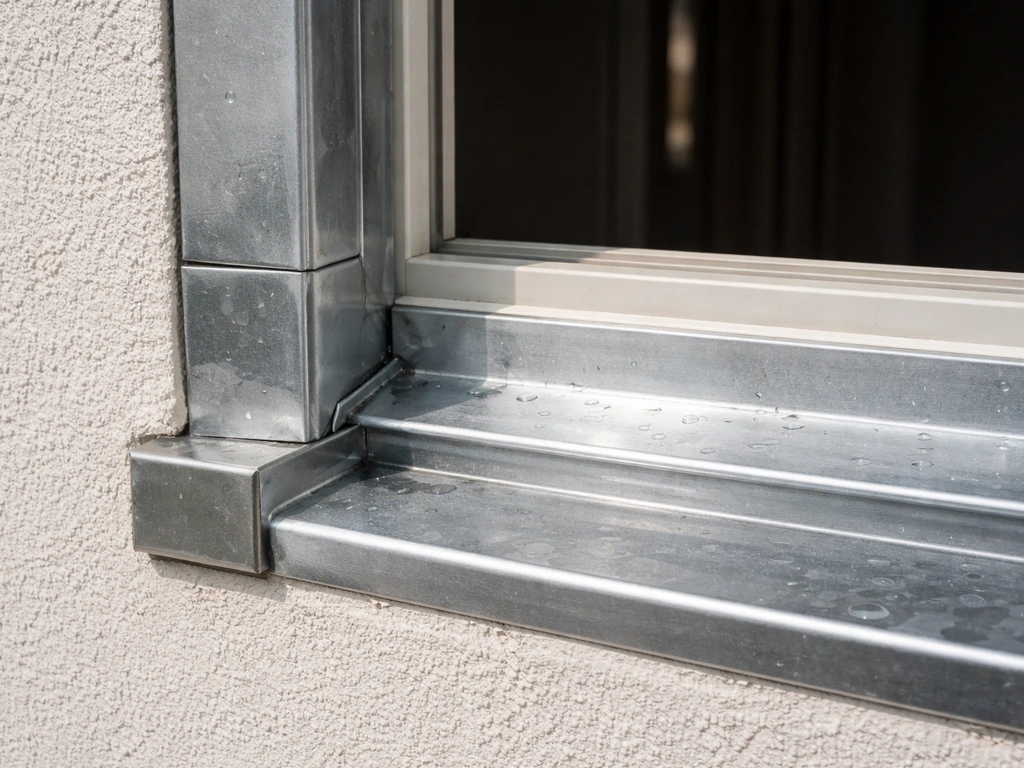
Leak complaints are extremely common and almost always traceable to installation details: improper flashing around window and door openings, missing sill pan drainage, or panel joints that weren't sealed correctly. Proper waterproofing requires correctly lapped flashing and a sill pan approach that directs any water that gets past the outer seal outward and away from wall cavities, not into them. When reviewers say "water pools on the floor after rain" or "the corner seam leaks every storm," that's a flashing or drainage failure. This is also one of the easier things to research: ask builders specifically how they flash the perimeter and roof-to-wall transition, and notice whether they can answer the question clearly.
Durability: hardware, framing, and panels
Durability complaints tend to show up later in reviews, 12 to 36 months post-install. Common issues include: door and window hardware that corrodes or sticks, panel seals that degrade and cause fogging between glass panes, and aluminum framing that flexes or gaps over time if it wasn't properly anchored to the existing structure. Screen rooms have their own durability issues: screen tension, frame gauge, and how well the system seals at floor and ceiling level. Reviewers who mention problems showing up in the second or third year after install are especially valuable, they've stress-tested the product through real seasons.
Common problems that show up in reviews (and what they actually mean)
These are the issues that appear most consistently across review platforms. None of them are dealbreakers on their own, but multiple mentions of the same problem from a single company should be taken seriously.
- Leaks and water intrusion: Usually a flashing or drainage detail failure at the roof-to-wall connection or around door and window openings. WHO indoor air quality guidance notes that poor condensate drainage in HVAC and ventilation systems can cause overflow and moisture problems — a similar dynamic applies to structural seals in sunrooms.
- Drafts: Gaps at floor-to-frame connections, door sweeps that don't seal, or panel joints that weren't caulked properly. Pressure differences between the enclosure and the main house can pull cold air through even small gaps.
- Condensation: Very common in three-season rooms and in four-season rooms that were improperly insulated or where thermal bridging occurs in the frame. Condensation on glass or frames in cold weather isn't always a defect — but condensation pooling on floors or between panes indicates a bigger problem.
- Noise: Both impact noise (rain on roof panels) and ambient noise (traffic, wind). Panel and glass selection matters here — thicker laminated glass or insulated panel systems significantly reduce noise transmission. Reviews that describe the space as "unusable in rain" usually reflect single-wall polycarbonate or thin glass roofing.
- Pests and wildlife: Gaps at floor transitions, screen mesh gauge that's too open, and door seals that don't fully close all create entry points. Reviewers who mention ants, mosquitoes, or small animals getting in after install are describing a sealing failure.
- Hardware failures: Hinges, locks, and door closers on patio enclosures are frequently cited as wear points — especially in coastal or humid climates where salt air accelerates corrosion. Ask specifically what hardware grade is used and whether it's rated for outdoor exposure.
Cost and value: what reviews reveal about pricing and surprises

Pricing for patio enclosures and sunrooms varies enormously, and reviews are full of sticker shock stories, most of which were avoidable. Here's how to frame the numbers before you start collecting quotes.
A basic three-season room typically runs $10,000 to $40,000 total, with a per-square-foot range of roughly $80 to $230. Four-season sunrooms average $25,000 to $80,000, with custom builds running $200 to $400 per square foot. If you see quotes that are dramatically lower than those ranges, the most likely explanation is that something has been excluded: foundation prep, electrical, HVAC connections, permitting fees, or interior finishing. Reviews that say "we ended up paying $15,000 more than the quote" almost always involve one of those items being missing from the original scope.
Change orders are the single biggest value complaint in this category. A contractor who quotes low and then issues change orders for "site conditions" or "upgrade materials" after work has started is a well-documented pattern. Reviews that mention multiple change orders, especially early in the project, are a red flag. Conversely, reviewers who say "the price was exactly what they quoted" are signaling something genuinely valuable: scope discipline.
Post-install repair costs add another layer. Sunroom and patio enclosure repairs typically run $700 to $3,000 for common fixes, but can reach $2,000 to $11,000 or more for structural or leak remediation work. Reviewers who describe spending thousands fixing a two-year-old installation are effectively telling you what happens when a builder cuts corners on flashing, sealing, or hardware. A good warranty, and a company that actually honors it, can be worth thousands of dollars in avoided repair costs.
Add-ons that reviewers either love or regret
- HVAC integration: Reviewers who added mini-split systems or connected to existing HVAC consistently report higher satisfaction in four-season rooms. Those who skipped it often regret it within the first winter.
- Motorized shades or blinds: Generally positive reviews when installed correctly. Complaints usually involve systems that fail or jam, especially in automated configurations — so ask about the specific brand and warranty.
- Upgraded glass (low-E, laminated, or triple-pane): Reviewers in hot or cold climates who paid for the upgrade consistently say it was worth it. Those who took the base glass package often wish they hadn't.
- Flooring: Tile and sealed concrete get the best reviews for durability in patio enclosures. Carpet complaints are common — moisture and cleaning issues in a semi-outdoor space are predictable.
- Ceiling fans and lighting: Cheap installs with builder-grade fixtures show up in reviews as early failures. Specify outdoor-rated fixtures and get the brand in writing.
How to shortlist local builders using review aggregators
Local review aggregators, sites that pull together verified customer feedback for patio and sunroom contractors in your region, give you something Google searches don't: a structured, comparable view of how multiple companies perform in the same geographic market. That matters because patio enclosures and sunrooms are intensely local products. Climate, building code, permit requirements, and even the soil under your patio slab all affect what kind of enclosure makes sense and how well a given contractor will perform.
When using a review aggregator, filter by region first and then by project type. A company that builds excellent three-season rooms in the Mid-Atlantic may have no experience with the insulation demands of a Minnesota four-season build. Reviews for companies in markets like Pittsburgh, Memphis, or Bensalem will reflect entirely different climate conditions and installation challenges, which is why region-specific review coverage matters far more than national brand recognition. If you want local perspective, look for patio enclosures Pittsburgh reviews that match your project goals and climate needs markets like Pittsburgh, Memphis, or Bensalem. If you're shopping in Memphis, patio enclosures sunrooms memphis reviews can help you compare comfort, weatherproofing, and durability in your local conditions. If you're specifically looking at patio enclosures and sunrooms in Bensalem, reviews can quickly show which local installers consistently deliver the comfort, weatherproofing, and durability you need patio enclosures sunrooms bensalem reviews. If you're shopping locally, focus on Pittsburgh patio enclosures and sunrooms reviews that reflect the same climate and permitting realities as your project.
Verification is the other key factor. Look for platforms that confirm reviewers were actual customers, through purchase records, project documentation, or direct outreach. A review from a verified customer who completed a $35,000 four-season sunroom installation is worth ten anonymous ratings. When reading aggregated listings, prioritize companies that have a meaningful volume of reviews (at least 10 to 15 detailed, text-based reviews) over those with many short or rating-only submissions.
Pay attention to how recently reviews were posted. A company's reputation from three years ago may not reflect current ownership, crew quality, or supply chain realities. Prioritize reviews from the past 18 months, and notice whether the tone or quality of feedback has shifted over time, positive then negative, or vice versa. Either shift tells you something important about where the company is headed.
Questions to ask before you sign anything
A good consultation conversation tells you almost as much as the reviews do. Here are the specific questions worth asking, and what the answers should sound like.
- What's included in this quote, exactly? Ask them to walk through foundation/slab prep, electrical, HVAC rough-in, permits, interior finishing, and cleanup. Anything they don't mention is potentially a change order later.
- What enclosure type am I getting, and what's the insulation spec? Get the R-value of roof and wall panels, the framing system name and thickness, and the glass specification (single, double, low-E, etc.). If they can't answer this, that's a red flag.
- Who pulls the permits, and what does that process look like in my municipality? Permit delays are one of the top timeline complaints in reviews. A good builder knows your local jurisdiction and handles permits routinely.
- What does the warranty cover, and who do I call if something goes wrong? Get the manufacturer warranty on panels and glass separate from the builder's workmanship warranty. Ask specifically: what's covered if there's a leak in year two?
- What's the realistic timeline from contract signing to finished installation? Get a start date and a completion range in writing, including what happens if materials are delayed.
- Can you give me two or three references from projects similar to mine, completed in the last 12 months? References from projects that match your climate, enclosure type, and budget are far more useful than a generic list.
- Are you licensed and insured for this type of work in my state? Ask for the license number and verify it independently. Ask for a certificate of insurance naming you as an additional insured during construction.
- How do you handle water and weather sealing at the roof-to-wall transition and around door and window openings? A builder who can explain their flashing and sill pan approach clearly has probably done it correctly before.
Your next steps checklist before you hire
Once you've done your review research and had consultations, here's how to move from shortlist to signed contract without regret.
Site visit and scope confirmation

- Have your top two or three builders do an in-person site visit before finalizing quotes — not a phone or video estimate. Anyone quoting a four-season sunroom without seeing the site is guessing at the scope.
- Ask each builder to walk you through their quote line by line on-site, pointing to what's included for each item.
- If they propose changes to the foundation, drainage, or existing structure, get those details in writing before signing.
- Visit a completed project if at all possible — even a quick drive-by of a recent local install tells you something about finished quality.
Document review before signing
- Get everything in writing: full scope of work, materials spec (panel brand and thickness, glass type, frame system), payment schedule tied to project milestones, timeline with start and estimated completion dates, and warranty terms for both materials and workmanship.
- Confirm that permits are the builder's responsibility and that fees are included in the quote.
- Review the change order policy: what triggers one, how it's priced, and whether you have approval rights before additional charges are incurred.
- Check that the contract includes a lien waiver provision — so you're not liable if the builder doesn't pay their subcontractors or suppliers.
Verifying legitimacy before any money changes hands
- Verify the contractor's state license independently through your state licensing board's online lookup — don't just take their word for it.
- Request a current certificate of general liability insurance and workers' compensation. Call the insurance provider to confirm it's active.
- Check BBB for complaint history and resolution patterns — not just the grade, but the complaint detail and outcome.
- Search the company name with terms like "complaint," "delay," and "warranty" to find discussions that don't appear in structured review platforms.
- Never pay more than 10 to 30% upfront. A large upfront deposit demand is one of the most consistent warning signs in contractor fraud cases.
- Confirm that the final payment is withheld until you've done a walkthrough, verified everything matches the spec, and confirmed the permit has been closed out by your local building department.
Reading reviews well, asking the right questions, and getting the right things in writing will take you a few extra hours, but it's the difference between a patio enclosure or sunroom you love using for twenty years and one that leaks, drafts, or spawns a warranty dispute six months after the crew leaves. The reviews are there. They're telling you everything you need to know. You just have to read them the right way.
FAQ
How can I tell if a review is for the right product type (patio enclosure vs sunroom), especially when the wording is vague?
Look for details like insulation mention (R-value or thick insulated panels), interior finishing (drywall, baseboards), and HVAC or thermostat references. Patio enclosures are more likely to be screened or have minimal insulation, while four-season sunrooms usually get called out for double-pane glass, thermal breaks, and temperature performance through specific winter months.
What should I do if most reviews describe drafts but the company’s listing says “four-season” or “thermally engineered”?
Treat drafts as a design or installation gap, not just an insulation issue. Ask the contractor how they handle thermal bridging at roof-to-wall connections and perimeter transitions, then request the exact insulation thickness and window/door specification. If they cannot point to the details, expect another cycle of comfort complaints.
Are leak complaints always about poor waterproofing, or can they be caused by something else?
Many leaks are flashing or drainage failures, but not all. Water can also come from incorrect guttering/downspouts, clogged weep paths, wrong grading toward the structure, or damage from pressure washing. If a reviewer mentions “only after heavy wind” or “only after storms with X wind direction,” ask whether their system includes wind-driven rain considerations and how the perimeter is configured to shed water.
How do I interpret a low star rating when the review is short and doesn’t include specifics?
Short reviews are harder to use for troubleshooting, so rely more on verifiable specifics. Prioritize reviews that include at least one of these: temperatures or months, leak locations (corner seam, near doors, window flashing), change order descriptions, timeline details, or follow-up actions after a problem. If the review lacks details and doesn’t match other patterns, it is less decision-driving.
What’s a “pattern” in reviews, and how many mentions should be enough to trigger concern?
A single isolated complaint can be a bad day, but multiple reviews from different years naming the same issue, same crew, or same project manager is the stronger signal. As a rule of thumb, if you see the same theme in at least 3 to 5 reviews across a 2 to 3 year spread, especially with comparable circumstances (same room type, same season, same defect type), move it to your shortlist “investigate” bucket.
How can I tell whether a negative review is about the sales process versus the actual build quality?
Use the review timeline. Complaints about responsiveness during estimating, confusing pricing, or delayed start dates point to pre-install process. Complaints about condensation, fogging between panes, persistent drafts after occupancy, or recurring water intrusion point to installation and long-term performance. If the post-install portion is positive but pre-install is bad, it may still be workable if the contract clarifies change orders and completion steps.
What warranty details should I look for when reading reviews, beyond “they honor the warranty” claims?
Search for the actual warranty scope and response timeline. The most useful details reviewers mention are how quickly a company schedules service, whether they repair versus replace, whether they cover labor and parts, and how they handle repeat visits. Also note if reviewers had to escalate to get anything done, that often signals process friction rather than a technical failure.
Can reviews help me estimate the likelihood of change orders for my specific project?
Yes. Pay attention to reviews where homeowners were surprised by missing items like electrical hookups, HVAC tie-ins, permit fees, foundation prep, or interior finishing. If change orders show up early in many reviews, ask your contractor to provide a line-item scope and a written list of what’s included versus excluded, so you can compare quotes apples-to-apples.
How do I use review timing to judge whether a company has improved or gotten worse recently?
Compare reviews from the last 18 months to older reviews. If negativity clusters in more recent reviews, it may reflect a change in ownership, crew turnover, or supply issues. If older complaints exist but recent reviews are consistently detailed and positive, that is more reassuring. Don’t average everything together, weight recency more heavily.
What should I ask the contractor if reviews mention fogging between panes or condensation?
Ask whether they are using insulated glazing units that are rated for the climate and whether the units are properly sealed and installed. Specifically ask about how they prevent air leaks that drive humidity into the insulated cavity, and whether their system includes attention to humidity and ventilation assumptions for the room’s intended use.
Are there red flags in reviews that suggest workmanship problems will show up after 1 to 3 years?
Yes. Look for mentions of window/door hardware corrosion, panel seal degradation, screen frame gaps, or flexing at anchoring points in reviews dated 12 to 36 months post-install. Those late-life issues usually point to materials quality, anchoring method, or installation tolerances that were not durable.
What’s the safest way to compare two contractors if one has higher ratings but fewer detailed reviews?
Don’t rely only on the star average. Favor contractors with enough detailed text to confirm recurring themes, ideally a minimum of 10 to 15 substantial reviews. If one contractor has fewer reviews but they are consistently specific about issues that matter (leaks, drafts, warranty response), it can still be a strong choice, just confirm product specs and installation details in writing.
How should I factor BBB complaints into my final decision if my primary research is from review platforms?
Use BBB information as a dispute-handling signal. Focus on complaint resolution outcomes, patterns of unanswered or unresolved issues, and whether the complaints involve delays, refunds, or failure to address defects. Then match that to what you found in post-install reviews. If both sources show the same failure mode, it is a higher-risk contractor for your scenario.
Next Articles
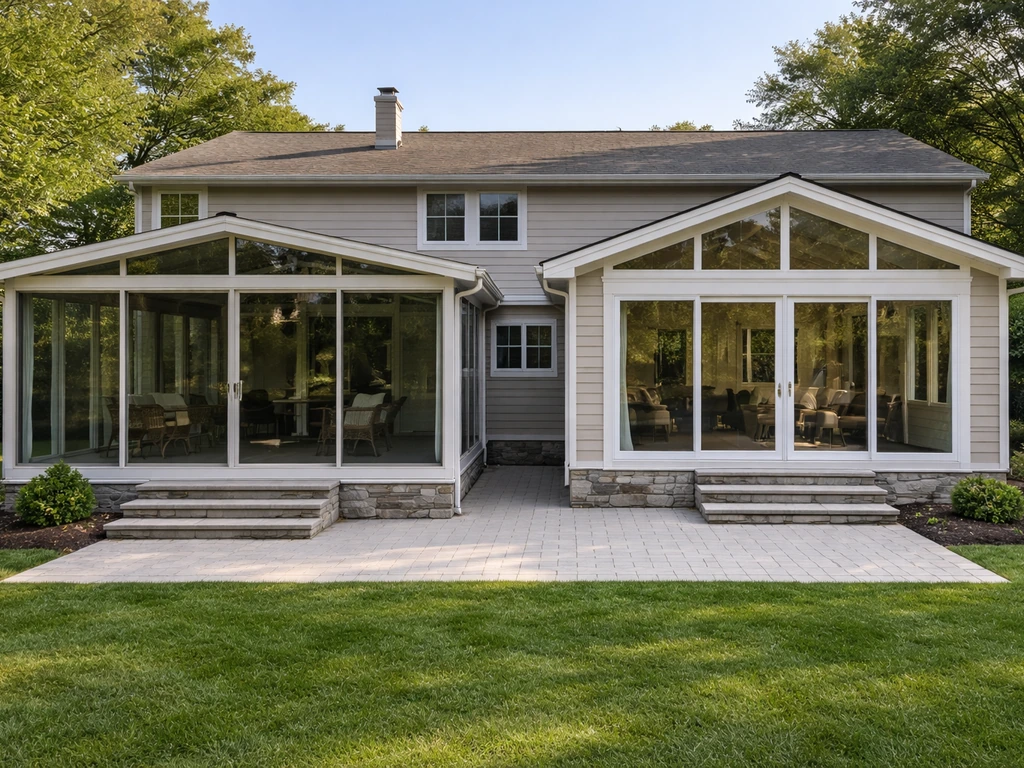
Patio Enclosures Sunrooms Bensalem Reviews: How to Choose
Learn Bensalem patio enclosure vs sunroom differences, then use real reviews to choose a contractor with confidence.
Better Living Patio and Sunrooms Complaints: What to Do Next
Sort Better Living patio vs sunroom complaints, spot causes, and take step-by-step action before or after installation.
Patio Enclosures Pittsburgh Reviews: What to Check Before Hiring
Use patio enclosures Pittsburgh reviews to spot quality and red flags, compare costs, materials, permits, timelines, war