
If you're searching for patio enclosures Pittsburgh reviews, here's what you need to know right now: the Pittsburgh market has a handful of established installers (Betterliving Patio & Sunrooms and Patio Enclosures of Pittsburgh being the two most visible), and the reviews for these companies are genuinely useful once you know what to look for. If you're specifically looking for patio enclosures, sunrooms, and local Bensalem reviews, you can apply the same review-reading checklist to compare builders fairly patio enclosures sunrooms bensalem reviews. Most projects here are three-season enclosures built around existing covered patios or decks, and the reviews that matter most are the ones that go beyond "looks great" to describe communication, timeline accuracy, leak-free performance through a Pittsburgh winter, and how the company handled problems after install.
Patio Enclosures Pittsburgh Reviews: What to Check Before Hiring

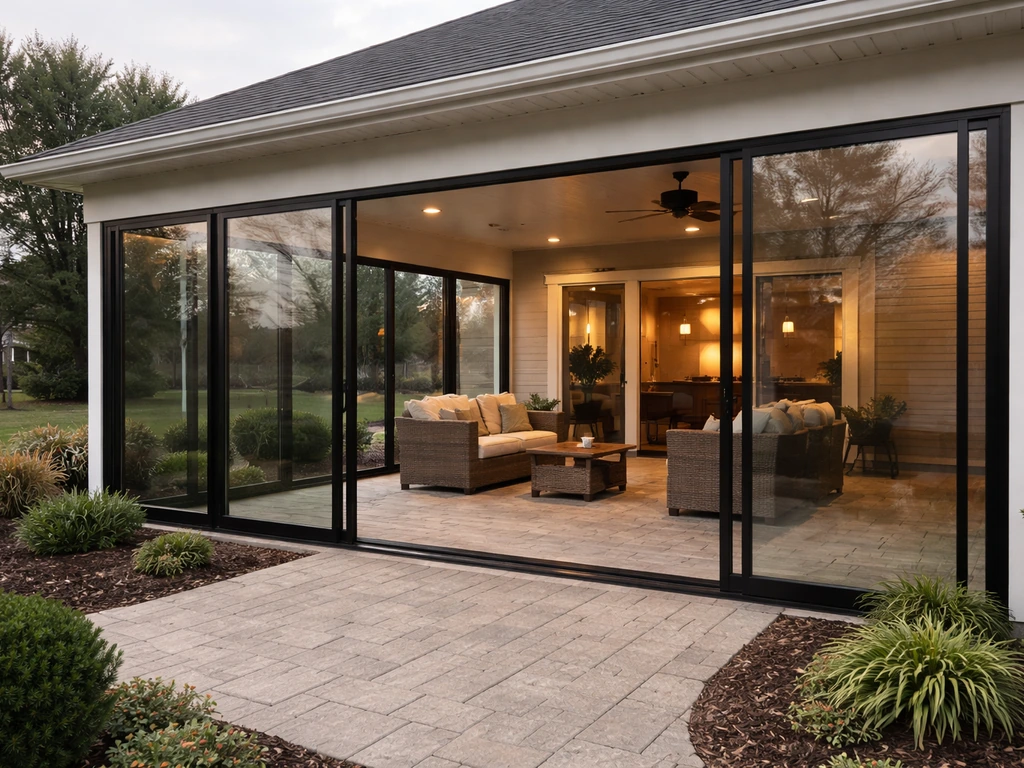
What patio enclosures actually are in Pittsburgh (and when you need one)
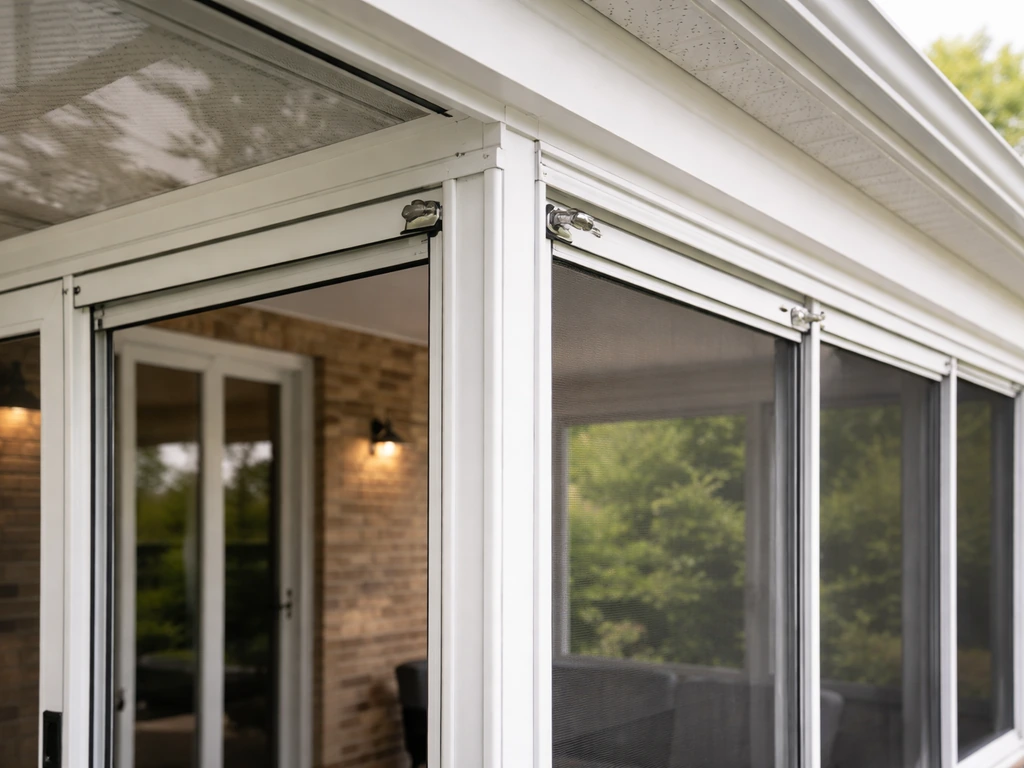
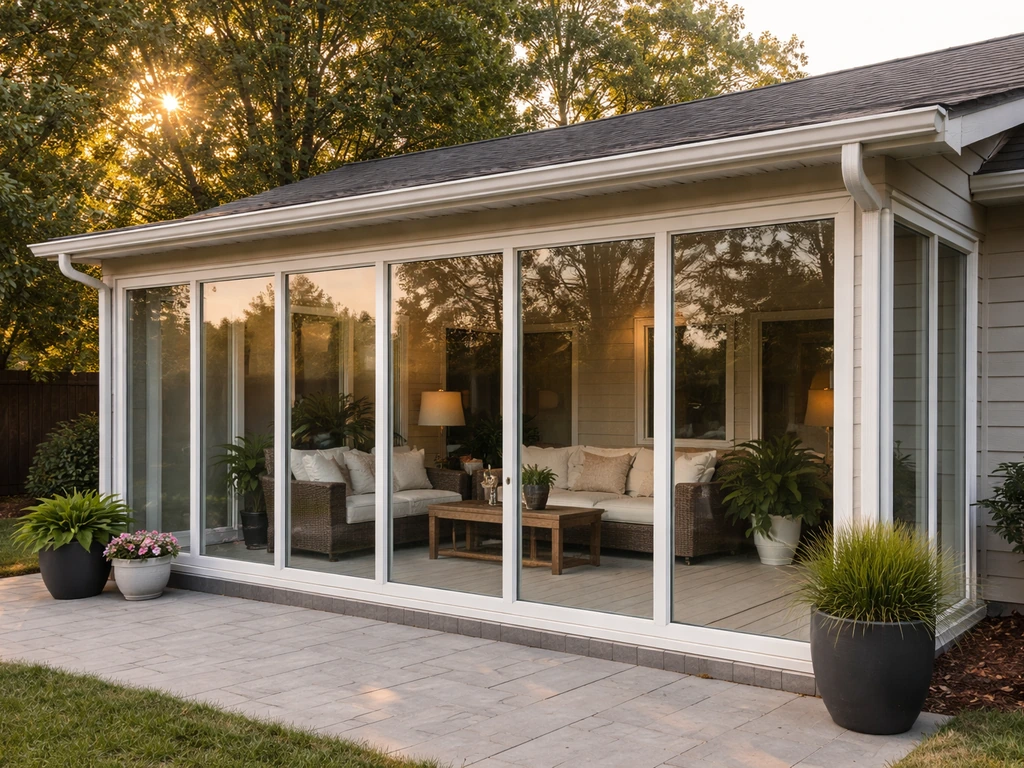
In the Pittsburgh market, a patio enclosure almost always means one of two things: a three-season room that wraps glass or screened panels around an existing covered patio, or a four-season (all-season) sunroom that adds insulation and HVAC to the same concept. The three-season version is the more popular and affordable choice here. It's designed to extend your outdoor use from roughly March through November, protecting you from rain, wind, and bugs without the cost of a fully conditioned space. Without heating and cooling, you're not living out there in January, but for Pittsburgh's long spring and fall, it's a genuinely practical upgrade.
A four-season enclosure changes the math. It needs proper insulation, HVAC hookups, and in many Pittsburgh jurisdictions, a building permit. Companies like Betterliving design and install both types, along with enclosed porches, patio covers, and retractable awnings. Patio Enclosures of Pittsburgh has shown project photos of three-season sunrooms with wall-to-wall glass above a knee wall, which gives you the open sightlines with weather protection. If you already have a Dura-Fold or similar retractable cover in place, some manufacturers offer packaged three-season enclosure kits that work alongside those systems.
You need an enclosure specifically (rather than just a deck or patio cover) when weather is actively stopping you from using the space. If Pittsburgh's spring rain, summer humidity, or fall wind is cutting your outdoor season short by two or three months each year, an enclosure pays for itself in usability. If you're just looking for shade, a pergola or awning is cheaper and simpler.
How to actually read patio enclosure reviews
Most homeowners skim stars and move on, which is a mistake. A 4.2-star average tells you almost nothing about whether a contractor will show up on time, keep your project on budget, or fix a leak that shows up six months after install. The useful signal is in the specifics. If you’re also comparing patio enclosures and sunrooms in Memphis, use the same approach to separate marketing claims from real customer experience patio enclosures sunrooms memphis reviews.
What signals quality in a review
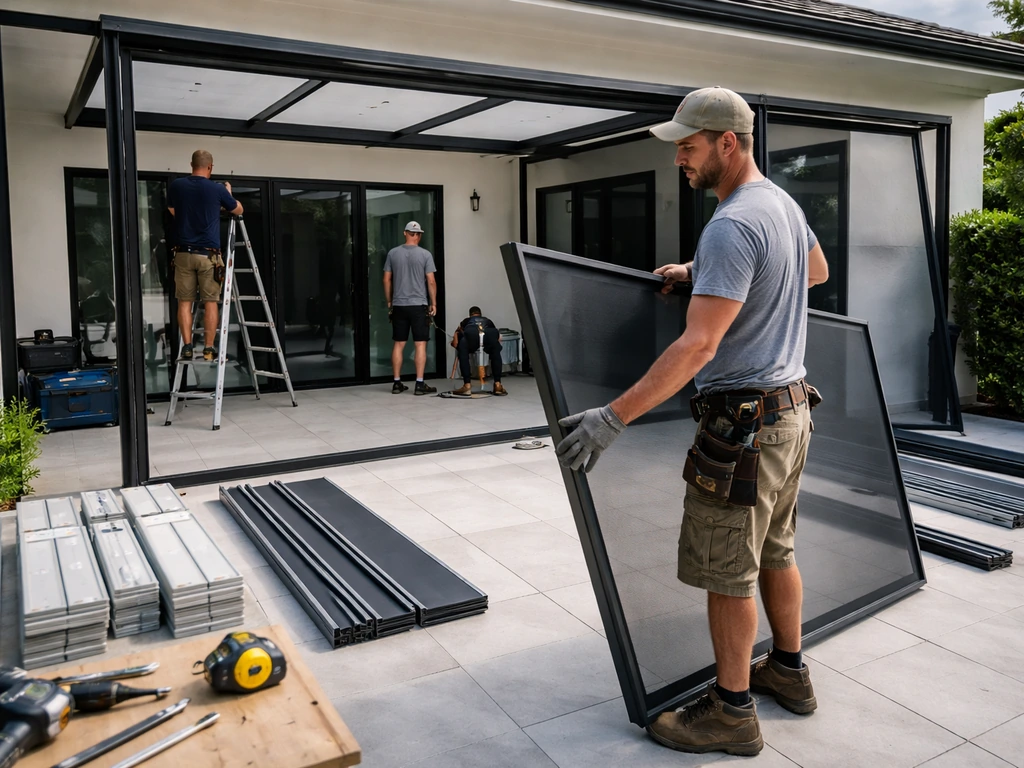
- Reviews that mention a salesperson's name and a specific crew lead by name: this usually means the experience was personal and consistent enough to remember
- Comments about communication during the project: did the company call when materials were delayed, or did the homeowner have to chase them down?
- Specific praise about fit and finish: how glass panels seal, whether the door hardware feels solid, whether the floor transitions are clean
- Mentions of how the enclosure held up after a Pittsburgh winter or summer storm: if someone says it's been two years and there's no condensation or air infiltration, that's worth more than ten five-star posts from install week
- Positive descriptions of post-install follow-up: a crew that came back without argument to adjust a sticking door or re-caulk a panel seam
Red flags to take seriously
- Recurring complaints about leaks, even in separate reviews posted months apart: one leak complaint is a data point, three or four is a pattern
- Vague five-star reviews with no specifics ("Great job! Highly recommend!") posted in clusters: these often indicate solicited reviews, not organic ones
- Complaints about unapproved change orders or surprise charges at the end of the project
- Reviewers mentioning that cleanup was poor or that debris was left on the property
- Unresolved warranty complaints where the company stopped responding after final payment
- Multiple mentions of warping panels or frames, especially on aluminum-framed enclosures exposed to direct sun
- Missed project start dates or multi-week gaps in work with no explanation given to the homeowner
One nuance worth knowing: on review aggregation platforms, negative reviews that include a company response are often more telling than the negative review itself. A company that engages professionally, explains what happened, and describes how it was resolved is demonstrating something real about its culture. A company that argues with reviewers publicly, makes excuses, or goes silent on negative posts is showing you exactly how they'll treat a warranty call.
Where to look for Pittsburgh patio enclosure installers and coverage
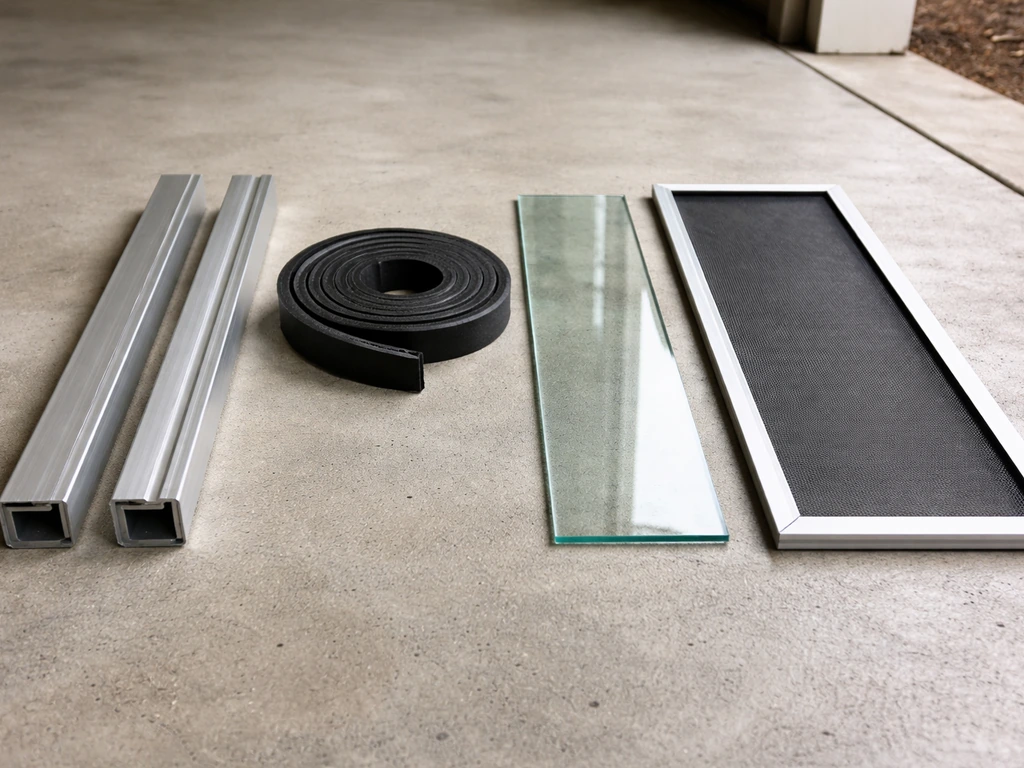
Pittsburgh's patio enclosure market is not huge. You're primarily looking at a small set of established regional players rather than dozens of competitors. Betterliving Patio & Sunrooms is one of the most recognized names, with a Pittsburgh-specific presence covering custom three-season and four-season sunrooms, enclosed porches, and outdoor structures. Patio Enclosures of Pittsburgh operates as another regional installer with documented project work in the area. Beyond those two, you'll find general contractors and remodelers who add enclosures to their service list, but depth of enclosure-specific expertise varies significantly.
When using a review aggregation site, filter specifically for verified reviews of Pittsburgh-area enclosure installers rather than reading national brand reviews as a proxy for local performance. A brand's national reputation and its local franchise or dealer's execution can be very different things. Betterliving Pittsburgh and a Betterliving dealer in another city may share a product line but have completely different installation crews and customer service. Always read the Pittsburgh-specific reviews.
It's also worth cross-referencing what you find here with the company's Better Business Bureau profile and any complaints filed there. BBB complaints are especially useful for warranty disputes that never made it to a public review.
Enclosure types and what Pittsburgh reviewers typically mention
The type of enclosure you choose shapes what reviewers will complain or rave about, so it's worth understanding the options before you start reading reviews through that lens.
| Enclosure Type | Best For | What Reviewers Usually Mention | Common Complaints |
|---|---|---|---|
| Three-Season Room | Extending spring/fall use, moderate budget | Glass quality, panel seal tightness, how well it handles rain | Drafts in colder months, condensation on glass, door alignment |
| Four-Season Sunroom | Year-round use, climate-controlled space | Insulation performance, HVAC integration, energy bills | Higher cost than quoted, permit delays, HVAC coordination gaps |
| Enclosed Porch/Screen Room | Bug control, light weather protection | Screen tension, frame durability, ease of use | Screen tears, frame oxidation, limited cold-weather use |
| Patio Cover with Glass Panels | Weather protection without full enclosure | How well it handles Pittsburgh rain and wind | Panel rattling, seal degradation over time |
Three-season rooms dominate Pittsburgh reviews simply because they're the most commonly installed type. Reviewers tend to focus heavily on how well the glass and framing hold up through the freeze-thaw cycles that are hard on any structure here. If you see multiple reviews for a company where customers mention inspecting the seals or adjusting panels after the first winter, that's a useful data point about how the product ages in this specific climate.
What Pittsburgh homeowners are actually paying for enclosures
Pricing for patio enclosures in Pittsburgh is not standardized, and you will get widely varying quotes for what seems like the same project. That's not necessarily a red flag; it often reflects real differences in materials, frame systems, glass specifications, and what's included in the installation scope. Here's how the main cost drivers break down.
Main cost factors
- Size and footprint: a 200 sq ft enclosure costs materially less than a 400 sq ft one, and irregular or non-rectangular shapes add fabrication cost
- Enclosure type: three-season systems are consistently less expensive than four-season; adding HVAC capability adds both product and installation cost
- Glass specification: tempered glass, low-E coatings, and insulated glass units all add cost but improve performance in Pittsburgh's climate
- Frame material: aluminum frames are standard and durable; vinyl-clad or wood options exist at higher price points
- Existing structure condition: if the contractor needs to repair or reinforce your existing deck, patio, or roof before installing, that adds cost
- Accessibility and site complexity: second-floor installations, tight access corridors, or landscaping obstacles increase labor cost
- Add-ons: ceiling fans, lighting, flooring upgrades, built-in shades, and custom door configurations each add to the base quote
In very general terms, Pittsburgh homeowners have reported three-season enclosure projects ranging from roughly $15,000 to $35,000+ depending on size and specification. Four-season rooms with HVAC integration push into the $40,000 to $70,000+ range for larger or more complex projects. These are not manufacturer list prices; they're installed costs including labor, permits where applicable, and standard cleanup. Be skeptical of any quote significantly below these ranges without a clear explanation of what's excluded.
One thing reviewers consistently flag: get an itemized written quote, not a single project number. When you have line items, you can compare quotes meaningfully and catch scope differences. A lower total quote that excludes permits, concrete work, or electrical rough-in is not actually cheaper.
Permits, materials, warranties, and the installation process
Permits and code in Pittsburgh
Three-season enclosures in Pittsburgh and surrounding Allegheny County municipalities generally require a building permit, especially when attached to the house structure. The IRC provides code guidance for blank" rel="noopener noreferrer">sunrooms, including how they are treated in terms of insulation and related classifications. Four-season rooms with electrical and HVAC work require additional permits. Some homeowners report being told by contractors that a permit isn't needed; treat that as a yellow flag and verify independently with your local municipality. The City of Pittsburgh publishes a "Residential Permits" page through its Dept. of Permits, Licenses and Inspections / Business Development portal blank" rel="noopener noreferrer">Residential Permits page through its Dept. of Permits, Licenses and Inspections / Business Development portal. Unpermitted enclosures can create problems when you sell, and in some cases they've been flagged during insurance claims. A legitimate contractor pulls the permit and lists it as a line item in the quote.
Materials: what holds up in Pittsburgh
Pittsburgh's climate is legitimately hard on outdoor structures: cold winters with freeze-thaw cycles, humid summers, and significant rainfall. Aluminum framing with a powder-coat finish is the most common choice and holds up well when the coating is applied properly. Reviewers who mention frame oxidation or paint peeling within the first few years are usually describing either a quality-control issue on the coating or a lower-grade product. For glass, insulated tempered panels with low-E coating are worth the upcharge in this climate; they reduce condensation and improve comfort at both ends of the season. For flooring inside the enclosure, concrete, composite, or tile all work better than wood in a space that will see humidity swings.
Warranty: what to ask for and what reviewers say about it
Warranties on patio enclosures come in two parts: the product warranty (usually from the manufacturer) and the installation warranty (from the contractor). Product warranties on aluminum frame systems are typically 10 to lifetime on the frame, with shorter coverage on glass seals and hardware. Installation warranties vary widely and this is where Pittsburgh reviews reveal the most. A company that offers a one-year installation warranty and then stops returning calls at month 13 shows up in reviews. Look specifically for reviews that mention post-install service calls and how responsive the company was. That pattern, not the warranty term on paper, tells you what you'll actually get.
What the installation process looks like
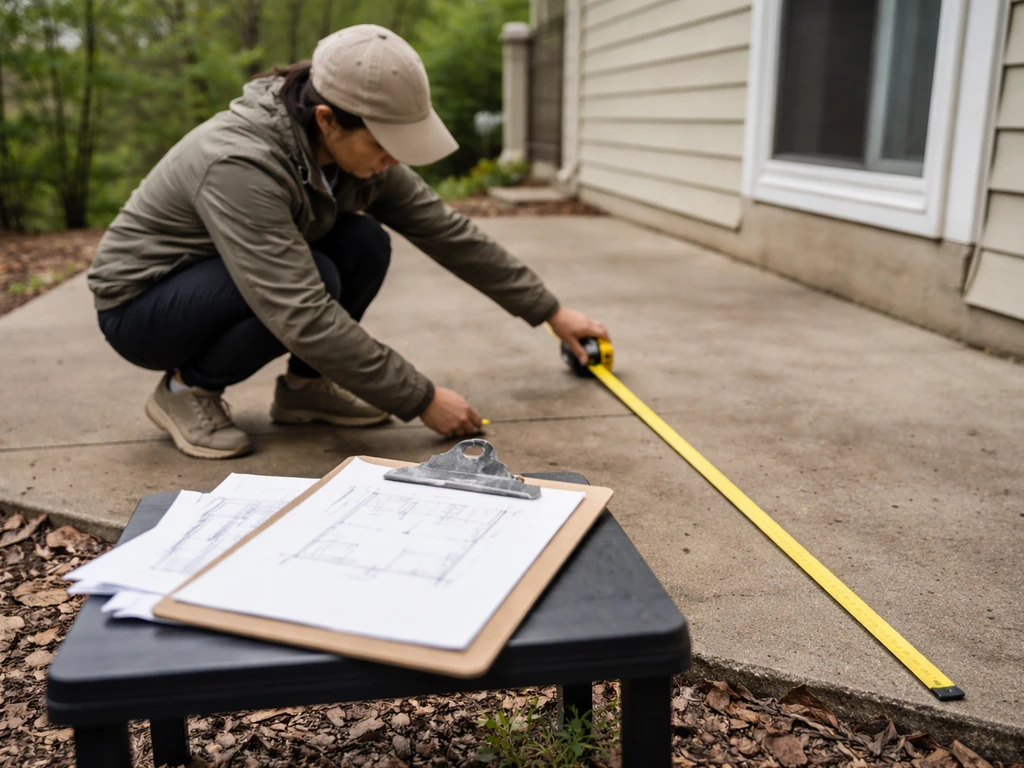
A typical three-season enclosure installation in Pittsburgh runs one to three weeks for the on-site work, depending on complexity. The sequence is usually: site measurement and custom fabrication order (which can take four to ten weeks for lead time), site prep and any structural reinforcement, frame installation, glass and panel installation, door and hardware fitting, finishing and weatherproofing, and cleanup. Reviewers who had good experiences often mention a clear project timeline given upfront and proactive communication when material lead times shifted. Reviewers who had poor experiences frequently mention the opposite: a vague timeline, unexplained gaps in the schedule, and a crew that appeared without notice or disappeared mid-project.
How to pick the right contractor: your next-steps checklist
Here's how to go from reading reviews to actually making a confident hiring decision. This is the process that holds up when you look back at it six months later.
- Read at least 15 to 20 verified reviews for each company you're considering, sorted by most recent. Patterns in the last 12 months matter more than reviews from 2021.
- Note specifically how each company responds to negative reviews. Defensive, dismissive, or absent responses are a real signal.
- Request quotes from at least three companies. Ask each for an itemized written quote that separates materials, labor, permits, and any site prep.
- Ask each company directly: who pulls the permit, and can you share the permit number once it's approved? The answer tells you everything about how they operate.
- Ask for two or three local references from projects completed in the last 18 months, not just the company's best showcase projects.
- Ask specifically about lead time on materials, project start date, and expected completion window. Get these in writing.
- Review the warranty section of the contract for both product and installation coverage. Ask what the process is for a warranty claim: who do you call, what's the response time commitment?
- Confirm scope in writing: what's included in cleanup, what happens if site conditions require extra work, and what the change order process looks like.
- Check the company's BBB profile for complaints and how they were resolved, especially warranty-related ones.
- Before signing, compare the three quotes not just on total price but on what's included. The cheapest quote with the most exclusions is usually not the best value.
One last practical note: if you're comparing companies and one of them comes up repeatedly in reviews alongside another regional name like Better Living Patio & Sunrooms, it's worth reading those reviews as a set. Pittsburgh is a small enough market that the same crew members, subcontractors, or even sales staff sometimes move between companies, and patterns in reviews across companies can tell you something about local installation quality that no single company's page will show you.
The reviews are genuinely useful here if you use them as a research tool rather than a final verdict. A company with 4.1 stars and 80 detailed reviews that include honest complaint threads and professional responses is usually a safer bet than one with 4.9 stars and 12 vague five-star posts. Use this site to dig into the specifics, ask the right questions, and you'll be in a strong position before any salesperson walks through your back door.
FAQ
If a Pittsburgh patio enclosure review mentions leaks or drafts, what details should I look for in the company’s response?
Yes, but focus on answers to “what changed” rather than a disagreement tone. A credible fix plan usually names the specific enclosure component (glass seal, panel alignment, door sweep, flashing, caulk, or threshold) and includes a concrete follow-up date for inspection. If the response is only general praise or blames the homeowner without describing a repair step, treat it as a red flag.
How do I use patio enclosures Pittsburgh reviews to judge whether a contractor will handle water management correctly?
Ask for a pre-install moisture and water management checklist, especially if your enclosure ties into an existing covered patio roof or house wall. In reviews, look for mentions of flashing, gutter or downspout routing, and proper drainage paths. If you see no talk of weatherproofing transitions, expect a higher chance of winter condensation issues or water intrusion where the enclosure meets the structure.
What should I watch for in reviews if my patio is not a perfect square or has an older roofline?
Look for evidence that they measure to match your existing site, not just “standard sizes.” In review stories, useful details include how they handled uneven slabs, out-of-square patio openings, or mismatched roofing lines. A good sign is a reference to field measurements that led to custom frame adjustments, rather than forcing a one-size system.
Do patio enclosure installers in Pittsburgh typically account for seasonal adjustments, and how can I confirm from reviews?
For three-season rooms, ask specifically whether they include adjustable venting or panel systems that can be tuned seasonally. Pittsburgh freeze-thaw can expose small alignment or seal issues after the first winter. Reviews that mention “we inspected after install” or “they came back in the fall to adjust hardware” suggest the company anticipates seasonal tuning.
If I’m comparing quotes, what scope differences should I look for that reviews might reveal?
Treat any quote without an electrical and HVAC line item as incomplete if you are considering a four-season setup. Reviews that complain about “surprise fees” often trace back to missing scope for electrical rough-in, thermostat wiring, venting, or condensate drainage. Your best decision aid is to request a scope sheet that separates enclosure build, permit work, and mechanical components.
What warranty terms should I ask about that reviews might not fully explain?
When reviews mention warranties, separate product coverage from install coverage. If the contractor’s installation warranty is shorter or requires specific maintenance, ask for the exact terms in writing. Also ask whether service visits require a paid diagnostic fee, a return trip charge, or parts-only coverage.
How can I tell from patio enclosures Pittsburgh reviews whether the project timeline will be well-managed?
Yes, but use “sequence clarity” more than “overall duration.” Reviews are most helpful when they describe what happened during lead-time gaps, which crew arrived first, and when the project was on hold versus canceled. If you see repeated complaints about long silent periods after measurement or after fabrication approval, that often indicates schedule control problems rather than a material supply issue.
What’s the best way to use reviews to evaluate permit handling in Pittsburgh?
Ask whether the permit package includes the enclosure attachment method and any required structural reinforcement. In reviews, a useful pattern is customers mentioning engineered reinforcement, inspection scheduling, and permit closure. If reviews are vague about permits or focus on “we didn’t need one,” that is a major risk area to confirm with your municipality.
What should I ask about deck or slab prep, and where do those problems show up in reviews?
If your deck or slab is older, ask whether they will confirm load capacity and plan for anchoring without compromising existing waterproofing. Reviews that complain about shifting frames or door misalignment after a year may indicate inadequate prep or anchoring into unsuitable substrates.
I have a retractable awning system, will reviews tell me whether it will integrate smoothly with a three-season enclosure?
If you have an existing retractable cover (like Dura-Fold), ask whether the enclosure design integrates it or replaces it, and whether any warranties exclude the existing system. Reviews that mention conflicts between the retractable hardware and the enclosure framing are usually about clearance tolerances and weather sealing at the interface.
Memphis patio enclosure and sunroom reviews guide to compare contractors, spot red flags, and choose the right model.

Learn how to trust Ohio custom pool and patio reviews, spot red flags, shortlist pros, and request accurate bids.
Use verified Oklahoma pool and patio reviews to vet contractors, spot red flags, and choose by workmanship, communicatio