
If you're searching for patio enclosure and sunroom contractors near Bensalem, PA, the most reliable way to narrow your list is to read verified local reviews with a specific filter: look for customers who describe the same project type you want, mention weather performance after at least one full season, and comment on how the company handled problems, not just the install day. The Bensalem and greater Bucks County market has active contractors ranging from large national brands with local dealers to regional custom builders, and reviews tell very different stories depending on which you choose.
Patio Enclosures Sunrooms Bensalem Reviews: How to Choose

Maren Lawson
29 Apr 2026
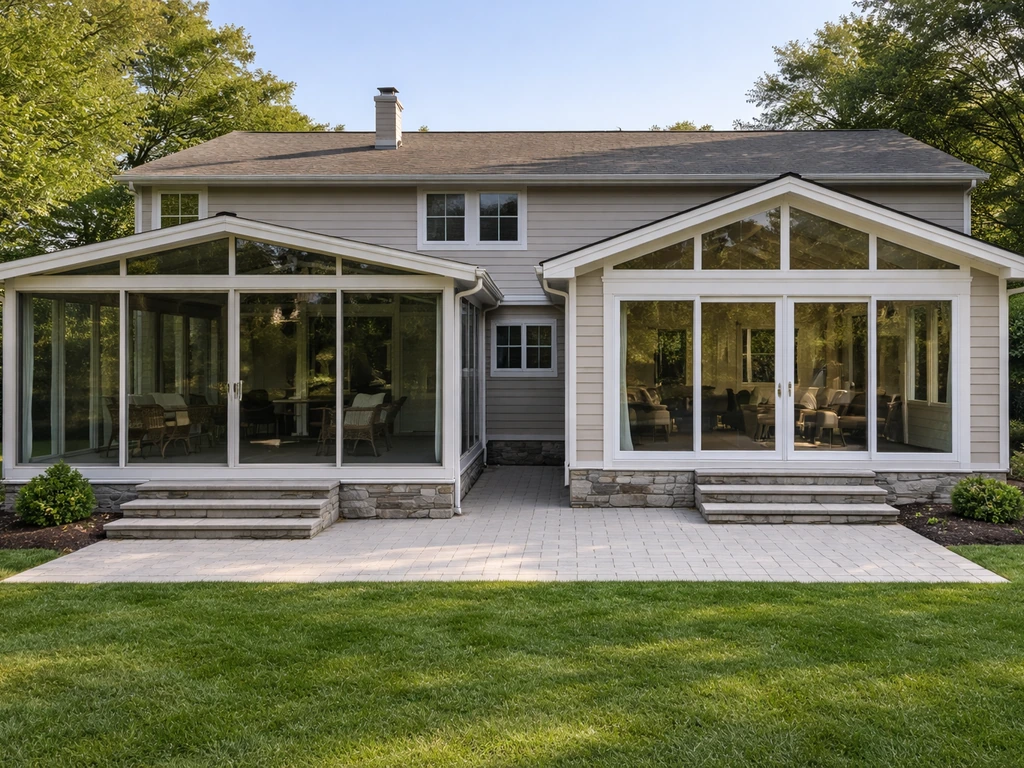
Patio enclosures vs. sunrooms: what's actually different
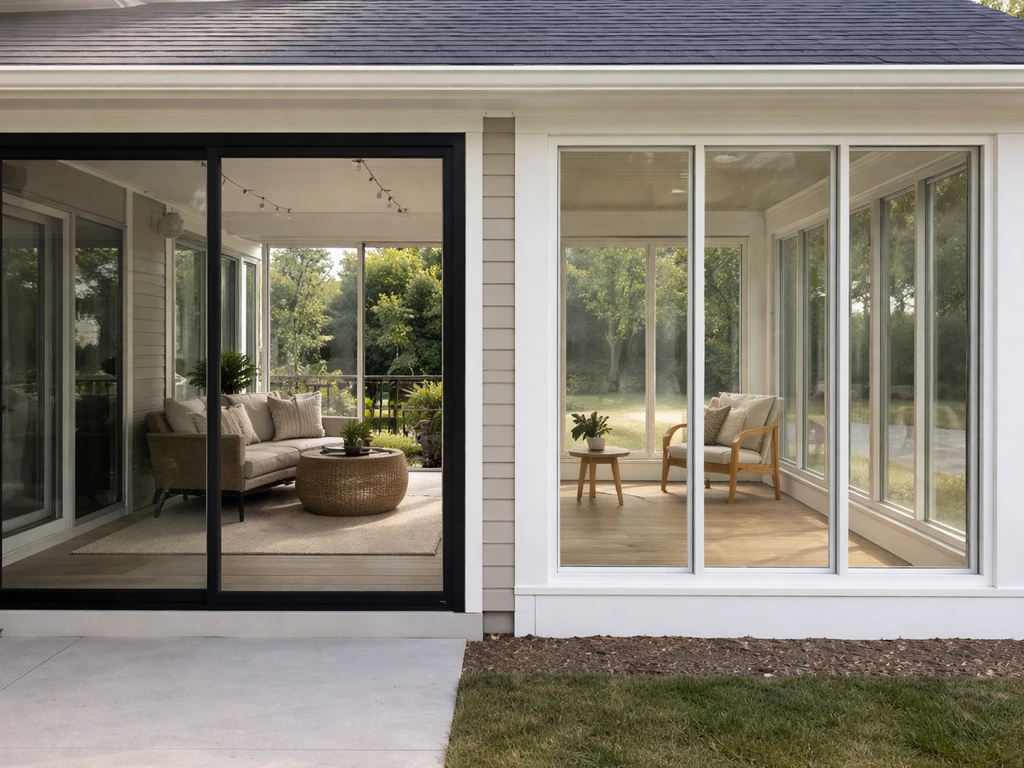
These terms get used interchangeably in searches, but they describe meaningfully different products. A patio enclosure typically involves adding a glass or screen system around an existing covered patio or porch, converting it into a more usable space without a full structural addition. Think of it as enclosing what's already there. Companies like Patio Enclosures describe their Philadelphia-area systems as custom-manufactured screen and glass panels built to fit your existing structure, often backed by a limited lifetime warranty on the components.
A sunroom, on the other hand, is a true room addition. It has its own foundation or ledger-mounted floor system, insulated walls, a roof structure (often glass or polycarbonate), and is typically designed to be conditioned space, meaning heated and cooled. The line matters for permitting: municipal guidance in this region classifies sunrooms and screened enclosures as distinct categories with different code requirements, particularly around energy codes and mechanical systems. A conditioned sunroom needs to meet insulation and HVAC standards that a three-season enclosure does not. When you read Bensalem area reviews, look for which product type the reviewer actually had installed, because a four-season sunroom at $40,000 and a screen-and-glass porch enclosure at $12,000 are not comparable projects.
| Feature | Patio Enclosure | Sunroom Addition |
|---|---|---|
| Starting cost (Bensalem area) | $8,000–$20,000 | $25,000–$80,000+ |
| Requires new foundation? | Usually no | Yes |
| Conditioned (heated/cooled)? | Optional / 3-season | Typically yes (4-season) |
| Permit complexity | Moderate | High (structural + energy codes) |
| Timeline | 1–4 weeks | 6–16 weeks |
| Adds to home value | Moderate | Higher (if properly permitted) |
How to actually read Bensalem reviews (without being fooled)
Generic five-star reviews that say 'great job, love it' are nearly useless for a project this size. You want reviews that contain specific project details: the type of enclosure, the season of installation, the materials used, and what happened after the job was done. Here's how to filter for the ones that matter.
Signs a review is worth trusting
- The reviewer names the specific product (e.g., 'EZE-Breeze panels,' 'all-season enclosure,' 'insulated glass sunroom')
- They mention the season or weather conditions the space has been through since installation
- They describe how the company handled a problem, delay, or warranty claim, not just the install
- The review was posted at least 6 months after the project was completed
- The reviewer mentions the permit and inspection process, which signals the job was done properly
- Negative reviews address specific workmanship issues (leaks, gaps, hardware failures) rather than just price complaints
Patterns that appear consistently in Bensalem-area reviews
Across aggregated reviews for patio enclosure and sunroom work in Bensalem and nearby Bucks County communities, a few themes repeat. Installation quality and sealing top the list: customers who are happy specifically mention tight seals at the roofline, no drafts at panel edges, and hardware that operates smoothly through the first winter. Unhappy customers most commonly report leaks around the roof junction, panels that don't track properly, and installers who didn't caulk transitions between the existing structure and the new enclosure. If you are specifically tracking better living patio and sunrooms complaints, pay close attention to how often issues like leaks, delays, and poor post-install communication come up. Communication and scheduling also appear repeatedly. Reviewers who rate contractors highly consistently mention being kept informed about lead times and permit status. Complaints almost always include 'never heard back after deposit' or 'crew showed up unannounced.' Post-install support matters too: for larger sunroom projects especially, check whether reviewers were able to reach the company months later for minor adjustments.
Who's building patio enclosures and sunrooms near Bensalem
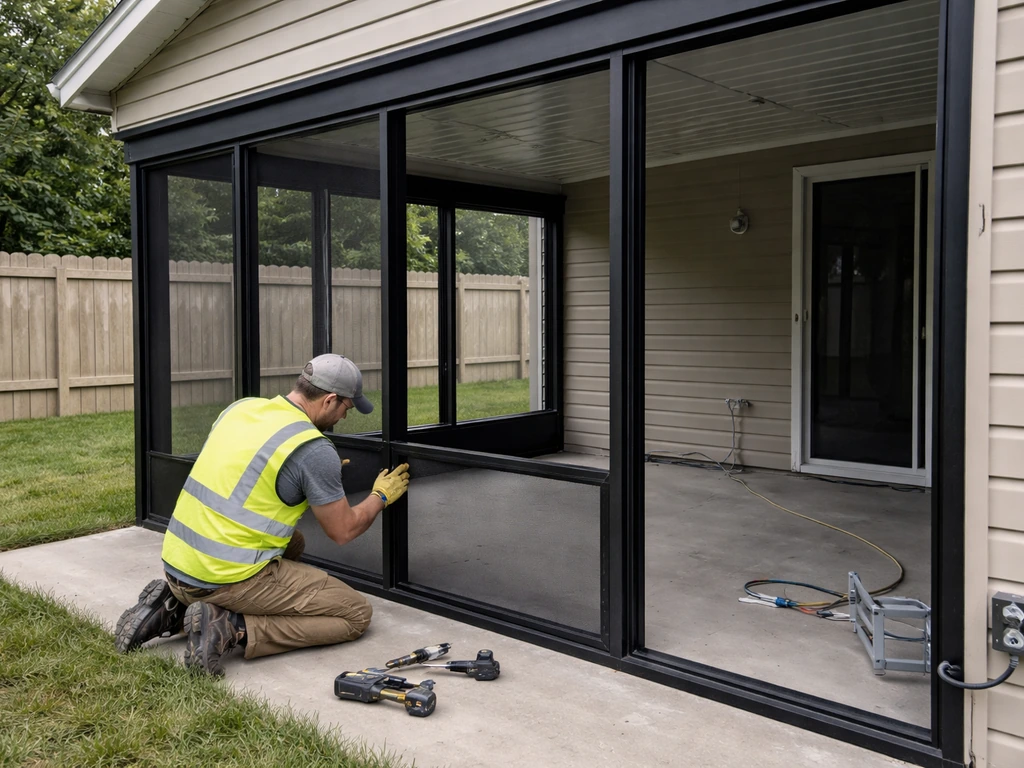
Bensalem sits in Bucks County just northeast of Philadelphia, which means you have access to both major national brands with regional dealers and independent local contractors. Each has trade-offs.
National brands with Philadelphia-area dealer networks
Companies like Patio Enclosures (a Champion brand) operate through local dealer-installers in the Philadelphia metro. Reviews for these companies tend to be consistent on product quality (the panels and hardware are manufactured to spec) but more variable on installation, since the actual crew is a local subcontractor or dealer team. Champion Window, which now covers patio enclosure products under the same umbrella, gets strong marks for their all-season glass enclosure systems in mid-Atlantic markets. When you read reviews for these brands in Bensalem, pay closer attention to the dealer location and the installer name than the national brand name itself. A great national brand with a poorly rated local dealer will still give you problems.
Regional and independent builders
Bucks County has a solid base of regional contractors who build custom sunrooms and three-season rooms from scratch. These companies often offer more design flexibility, handle their own permitting, and employ their own crews rather than subs. The trade-off is that their product warranties are only as strong as the company itself, unlike a national manufacturer's limited lifetime warranty on components. In reviews, independent builders who earn consistently high ratings across the region tend to share a specific trait: they walk the customer through the permit and inspection process upfront and don't start framing until approvals are in hand. That detail alone filters out most of the problem contractors.
For reference, contractors serving markets like Pittsburgh follow similar patterns to what you'll find here. Reviews from those markets (like Better Living Patio of Pittsburgh and Patio Enclosures Pittsburgh reviews) show the same themes: panel sealing, permit handling, and post-install responsiveness separate the strong contractors from the disappointing ones. If you’re comparing options for better living patio & sunrooms of pittsburgh, focus on panel sealing, permit handling, and how quickly the company responds after the job is finished. The same framework applies when you're reading Bensalem reviews.
What drives cost in Bensalem (and how to compare quotes fairly)
Cost quotes for patio enclosures and sunrooms in Bensalem vary widely, and a lot of that variation is legitimate. Here's what's actually driving the numbers.
Glazing type
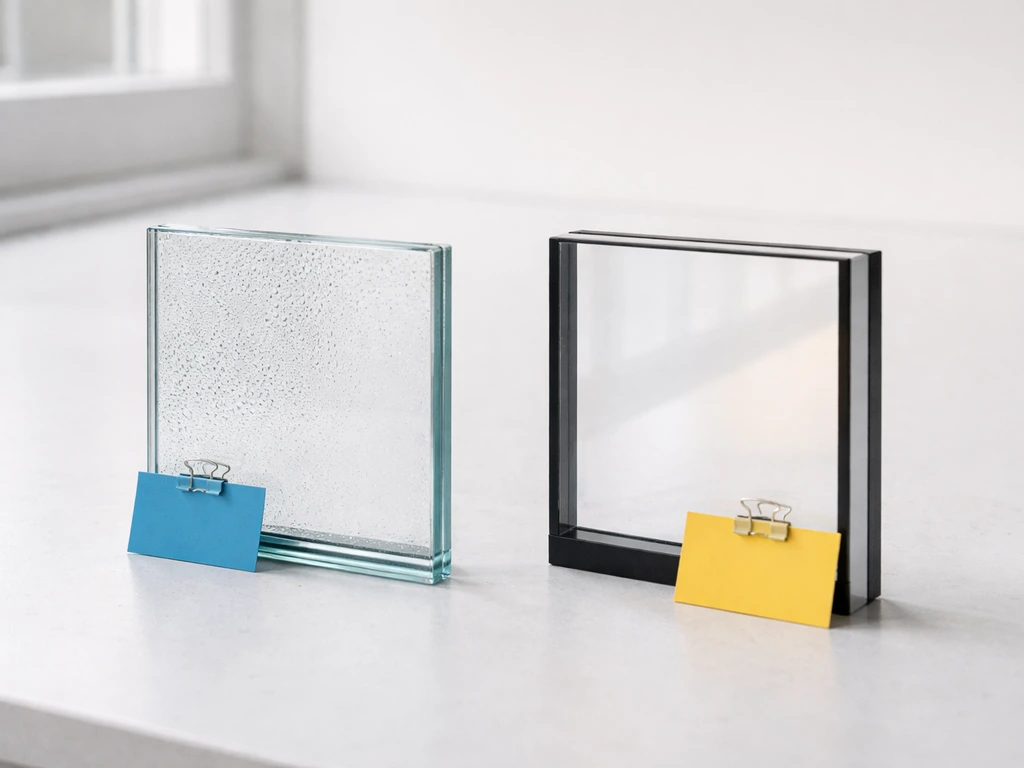
Single-pane tempered glass is the cheapest option and fine for three-season use. Double-pane insulated glass (low-E coating) is what you need for year-round comfort, and it costs significantly more per panel but pays back in reduced heating and cooling bills. Polycarbonate panels are lighter and cheaper than glass but scratch more easily and don't perform as well acoustically or thermally long-term. If a quote is unusually low, check which glazing it specifies.
Framing material
Aluminum framing is the most common choice for patio enclosures in this market: it's low-maintenance, doesn't rot, and handles Pennsylvania's humidity well. Vinyl-framed systems are typically less expensive but can warp or discolor over time in direct sun exposure. Wood framing on custom sunrooms looks best but requires ongoing maintenance and is rarely seen on enclosure systems. Make sure quotes specify the framing material and finish, because two quotes both labeled 'aluminum frame' can differ significantly in wall thickness and thermal break quality.
Add-ons that show up mid-project
- Insect screens or solar shades: $500–$3,000 depending on coverage
- Electrical outlets and lighting: $800–$2,500 (requires licensed electrician in PA)
- HVAC extension or mini-split unit: $2,500–$6,000 installed
- Ceiling fans: $200–$600 each installed
- Upgraded hardware (self-storing panels, motorized screens): $1,500–$4,000+
- HOA approval documentation and engineering letters: $300–$1,000
Permits and seasonality
Bensalem Township requires building permits for sunrooms and most permanent enclosure structures. Bensalem Township’s “Applications, Inspections and Requirements” page also notes that a new fee schedule was adopted March 1, 2024 blank" rel="noopener noreferrer">new fee schedule adopted March 1, 2024. Bensalem Township also publishes a downloadable Fee Schedule PDF (file name includes 10-3-2024), which lists the permit and inspection fees for these projects Bensalem Township requires building permits for sunrooms and most permanent enclosure structures.. Philadelphia's inspection framework (which neighboring municipalities often mirror) includes an initial site inspection to verify the work matches permitted documents. Budget $300–$800 for permit fees and factor in 3–6 weeks for permit approval before any work starts. Contractors who tell you a permit isn't needed for a sunroom addition are a serious red flag. On seasonality: spring and summer are peak demand periods in this market, which means longer lead times (8–14 weeks from contract to install is typical in Q2). Fall and winter installs often have shorter wait times and occasionally better pricing, but verify the contractor has cold-weather install experience, since caulks and sealants have temperature minimums.
Design, weatherproofing, and performance: what actually matters after install
Sealing and leak resistance
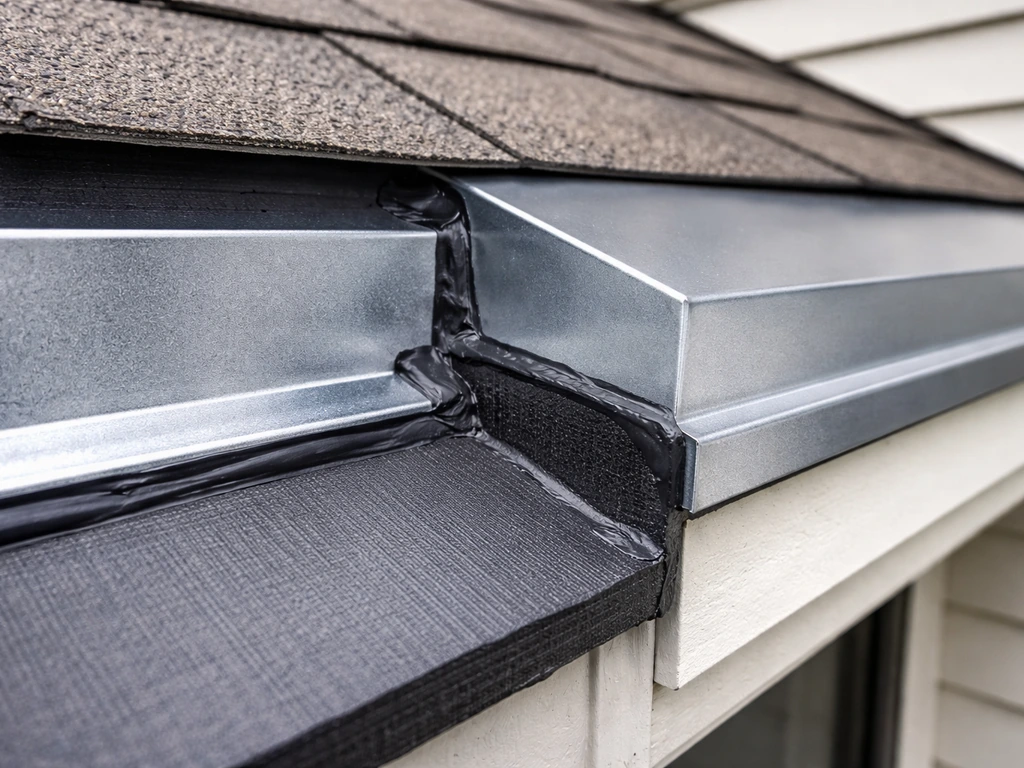
The junction between your new enclosure and the existing roofline is where most leaks originate. A well-installed enclosure uses a combination of flashing, waterproof membrane, and properly applied caulk at every transition point. Ask every contractor to describe exactly how they handle the roof-to-wall junction and what materials they use. Reviews that mention 'no leaks after two winters' are telling you this was done right. Reviews that mention 'leaked the first rainstorm' are telling you it wasn't.
Insulation and thermal performance
For a three-season room, insulation in the walls and ceiling isn't a code requirement, but it dramatically affects comfort on shoulder-season days. For a four-season sunroom in Pennsylvania, you need insulated glazing (at minimum double-pane low-E), insulated walls, and a connection to your home's HVAC system or a dedicated mini-split. Without proper thermal performance, a 'four-season' sunroom is miserable in January and an oven in July. Reviews that specifically mention using the space in December or August are your best data point on whether a contractor actually delivered on thermal performance claims.
HVAC, blinds, and comfort systems
Extending your home's existing HVAC into a sunroom is typically handled by an HVAC subcontractor coordinated by the builder. Make sure your quote specifies who is responsible for this work and whether it's included in the contract price. Solar shades and motorized blinds are often afterthoughts that customers wish they'd included from the start, since south- and west-facing sunrooms in Bensalem get significant afternoon sun. Adding these after the install costs more than including them upfront.
Hardware and durability over time
Hinges, latches, panel tracks, and door hardware on patio enclosures take a beating from weather and daily use. The difference between commercial-grade aluminum hardware and budget components is apparent within two or three years. When reading reviews, note whether anyone mentions hardware issues after 18 months or more. Sticking panels, rusting hinges, and broken latches are the most common durability complaints and are almost always a materials-quality issue, not an installation issue.
Questions to ask before you hire anyone
- Will you handle the building permit, and can I see a copy of the approved permit before work begins?
- What specific glazing type (single-pane, double-pane low-E, polycarbonate) is included in this quote?
- What framing material and wall thickness does this system use?
- How do you handle the junction between my existing roofline and the new enclosure, and what flashing or waterproofing system do you use?
- Who installs the electrical and HVAC work, and is that included in this contract?
- What does the warranty cover, and who do I contact for warranty claims after install?
- Can you give me two or three references from projects in Bensalem or Bucks County completed at least a year ago?
- What's the realistic timeline from signed contract to completed installation, including permit wait time?
- Do you use your own crew or subcontractors for the installation?
- What deposit do you require, and what's the payment schedule tied to?
Red flags to watch for in reviews (and in your conversations)
- Reviews mention the company collected a large deposit and went silent for weeks
- Multiple reviewers describe leaks within the first season
- The company claims a permit isn't required for a structural sunroom addition
- Reviews mention subcontractors who didn't seem familiar with the product system
- The quote doesn't itemize glazing type, framing material, or warranty terms
- No references from completed jobs older than 6 months are offered
- The company has a pattern of responding defensively to negative reviews rather than resolving them
- Reviews mention the final invoice was significantly higher than the original quote due to vague 'add-on' charges
Turning reviews into real quotes and realistic timelines
Here's a practical method: start with a shortlist of 3–4 contractors who show up in verified Bensalem or Bucks County reviews with at least 10 reviews mentioning your specific project type (enclosure vs. sunroom). Filter immediately for any contractor with repeated complaints about leaks, permit problems, or deposit-and-disappear behavior. Then contact your shortlist and use the questions above to request itemized quotes that specify glazing, framing, permit handling, and warranty terms in writing.
When you get quotes back, compare them line by line rather than total price. A $15,000 quote using double-pane low-E glass and a 20-year aluminum frame is not the same product as a $12,000 quote using polycarbonate panels and a vinyl frame, even if the enclosure footprint is identical. Ask each contractor to confirm in writing what permit they'll pull and who is responsible if the inspection fails. That conversation alone will tell you a lot about how they operate.
On timelines: be realistic. In spring and summer, a 10–14 week lead time from signed contract to completed install is normal for a quality contractor in this market. A contractor who promises 3 weeks in June without a permit in hand is either skipping the permit or setting you up for disappointment. Use the review record to see whether a contractor has a history of delivering on time or consistently running over, and factor that into your decision as seriously as price.
If you want to broaden your research, looking at reviews for similar markets (Memphis and Pittsburgh have active review threads for patio enclosures, and national brand complaints threads surface useful patterns) can help you calibrate what 'normal' looks like for these products. For Memphis-area homeowners looking for patio enclosures or sunrooms, the best reviews often highlight sealing quality, permit handling, and responsive post-install support. The same workmanship and warranty themes appear across regions. Bensalem is not an outlier, and the contractors who earn consistently strong reviews there tend to check the same boxes: transparent permitting, detailed written quotes, their own installation crews, and a real process for handling post-install issues.
FAQ
How can I tell from reviews whether I’m comparing a patio enclosure to a true sunroom (3-season or 4-season)?
Before you sign, ask the contractor to list the exact product type in the written scope (patio enclosure, 3-season room, or 4-season sunroom). If they cannot clearly state which category they’re building, you have no reliable way to compare quotes or warranties, and you may end up with the wrong insulation and HVAC expectations.
What part of the project should I focus on in Bensalem reviews to predict leak risk?
Look for review details about the roof-to-wall transition, not just general “no leaks.” Ask for the specific flashing and waterproof membrane approach they use, and confirm whether they include caulking at every junction. Reviews that mention a problem after “first winter” or “first rainstorm” usually point to a missed transition step.
What questions should I ask about permits if a contractor says a sunroom enclosure does not need one?
Yes, and it matters for your budget. Ask for a line item showing permit fees, the permit submission date, and who is responsible if revisions are required. A red flag is when the contractor says “we’ll handle it” but does not name the process, timeline, and contingency if the inspection fails.
When a quote is much cheaper than the others, what should I verify about the glass and panels?
Request proof of glazing spec in your quote, not just “tempered” or “double-pane.” Also ask whether low-E is specified and whether the insulated glass is used in the entire perimeter (panels and roof). Unusually low prices often come from downgraded glazing coverage or glass type.
How do I confirm who is responsible for HVAC work and how the sunroom will actually stay comfortable?
Ask whether your sunroom will be connected to your existing HVAC or handled by a mini-split, and confirm who performs that coordination. If the builder won’t clearly state responsibility (builder vs HVAC subcontractor), delays and gaps in performance claims are common, even when installation craftsmanship is good.
How can I judge post-install support from reviews, especially for larger sunrooms?
Look for reviews that mention outreach after installation, especially months later for alignment, sealing adjustments, or hardware tuning. Then ask the contractor what their service response window is for minor adjustments and what is considered “warranty service” versus “maintenance.”
What warranty details should I request so I know what is actually covered if problems appear?
Ask your contractor to disclose warranty terms separately for components versus installation workmanship. Many national brands cover parts (like panels and hardware) under a limited lifetime warranty, while workmanship coverage depends on the local installer or builder. If the quote only states the manufacturer warranty, you may still have no clear recourse for install defects.
What should I look for to avoid hardware-related durability problems mentioned in reviews?
Hardware issues show up under weather and daily use. Ask what hardware grade is used (and whether it is the same across door, hinges, latches, and tracks). Also ask whether they replace worn parts after the first season under warranty, since sticking and rust complaints often surface in year two if quality is low.
How do I verify that a “four-season” sunroom claim matches real performance in Pennsylvania weather?
If you plan to use the space in winter or peak summer, insist on specifics: insulated glass (low-E), insulation in walls and roof, and whether vents or solar control are included. Reviews that show photos or mention actual December or August use are more predictive than generic comfort claims.
What is the best way to evaluate timeline promises in contractor reviews?
Yes. Ask the contractor to list expected lead time by phase (permit approval, material fabrication, install) and to state when they start scheduling crew time. In Bensalem, spring and summer demand can push timelines, so the best contractors tie their dates to permits and fabrication windows, not only a target “install month.”
If I want an install in fall or winter, what cold-weather details should I confirm?
Ask whether they can schedule a fall or winter install if you want quicker turnaround, but also confirm cold-weather installation practices. Specifically ask about temperature minimums for sealants and caulks, and whether they will adjust methods to prevent failures at the roofline junction.
What should I compare line-by-line in quotes so price differences reflect real product differences?
When comparing quotes, insist on an itemized list of framing type, wall and roof construction, glazing (including low-E), and hardware. If a quote lumps multiple items into one line, ask them to break it out. Two enclosures with identical footprints can differ dramatically in insulation and thermal breaks, which reviews often reveal only indirectly.
Next Articles
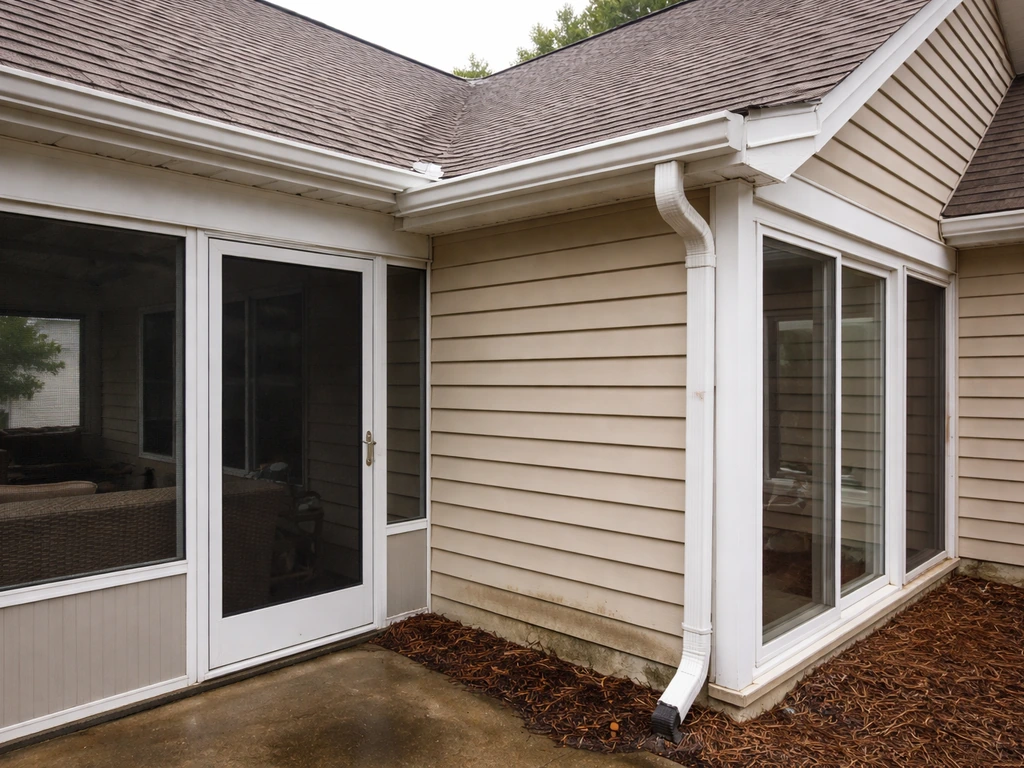
Better Living Patio and Sunrooms Complaints: What to Do Next
Sort Better Living patio vs sunroom complaints, spot causes, and take step-by-step action before or after installation.
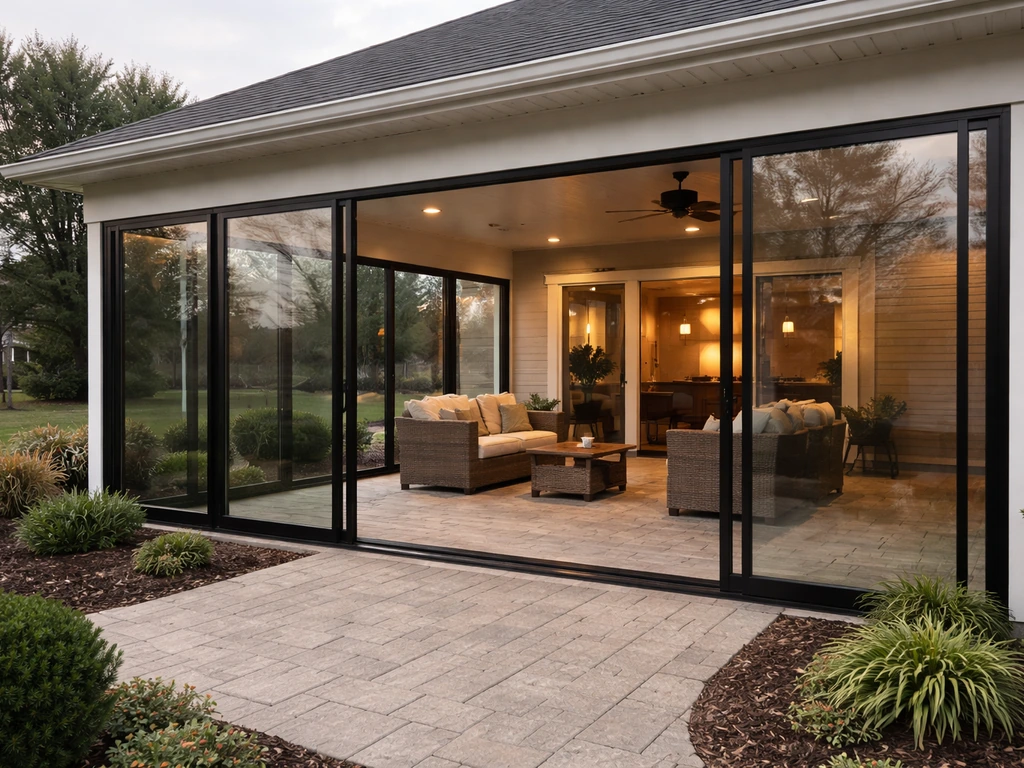
Patio Enclosures Pittsburgh Reviews: What to Check Before Hiring
Use patio enclosures Pittsburgh reviews to spot quality and red flags, compare costs, materials, permits, timelines, war
Patio Enclosures Sunrooms Memphis Reviews: How to Choose
Memphis patio enclosure and sunroom reviews guide to compare contractors, spot red flags, and choose the right model.