
Better Living patio and sunroom complaints tend to cluster around three core problems: leaks at the roof-to-house connection, workmanship shortcuts that show up within months of installation, and a payment structure that front-loads money before the work is actually finished. Those aren't random gripes. They're patterns that repeat across cities and across different local dealers who sell under the same brand name, and once you know what to look for, you can spot a risky situation before you sign anything.
Better Living Patio and Sunrooms Complaints: What to Do Next

Maren Lawson
29 Apr 2026
What Better Living patio and sunroom complaints usually mention
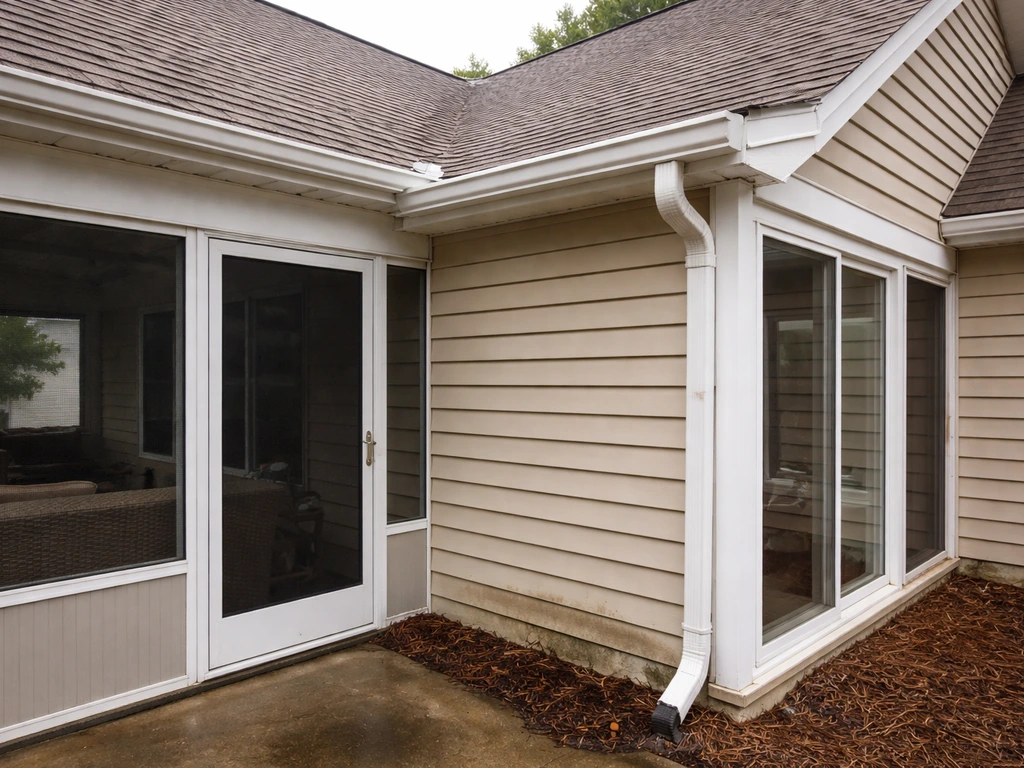
Scroll through BBB filings, review aggregators, and complaint boards for Betterliving dealers and you'll see the same words pop up over and over: 'leaks after the first rain,' 'months of delays,' 'couldn't get anyone to call back,' and 'I already paid most of the contract before the job was done.' One Mid-Atlantic homeowner put it bluntly in a BBB complaint, writing that the company would 'always find someone to come out promptly to get their payment' but not to fix outstanding problems. Another described a roof line that 'looks terrible,' guttering 'cut out around the sunroom horribly,' and a connection to the house that leaked after the very first rainstorm, leaving them needing to hire a separate contractor just to repair the capping and gutters. A Des Moines-area complaint echoed the same themes: delays, quality concerns, and a feeling that the project just stalled once the installer had collected most of the money.
The complaints also consistently mention an expectation gap around warranties. Homeowners assume 'the company' stands behind the work. But Betterliving products are made by Craft-Bilt and sold through independent authorized dealers, so the manufacturer warranty (which covers 50 years on components and 15 years on insulated glass) applies to properly installed products, not to installation labor itself. When something leaks or a door doesn't fit right, that's usually an installation issue, and the installation warranty is entirely separate, negotiated with your local dealer. That disconnect between what homeowners expect and what the paperwork actually says generates a significant share of unresolved complaints.
Common issues by product type
Patio enclosures and patio covers
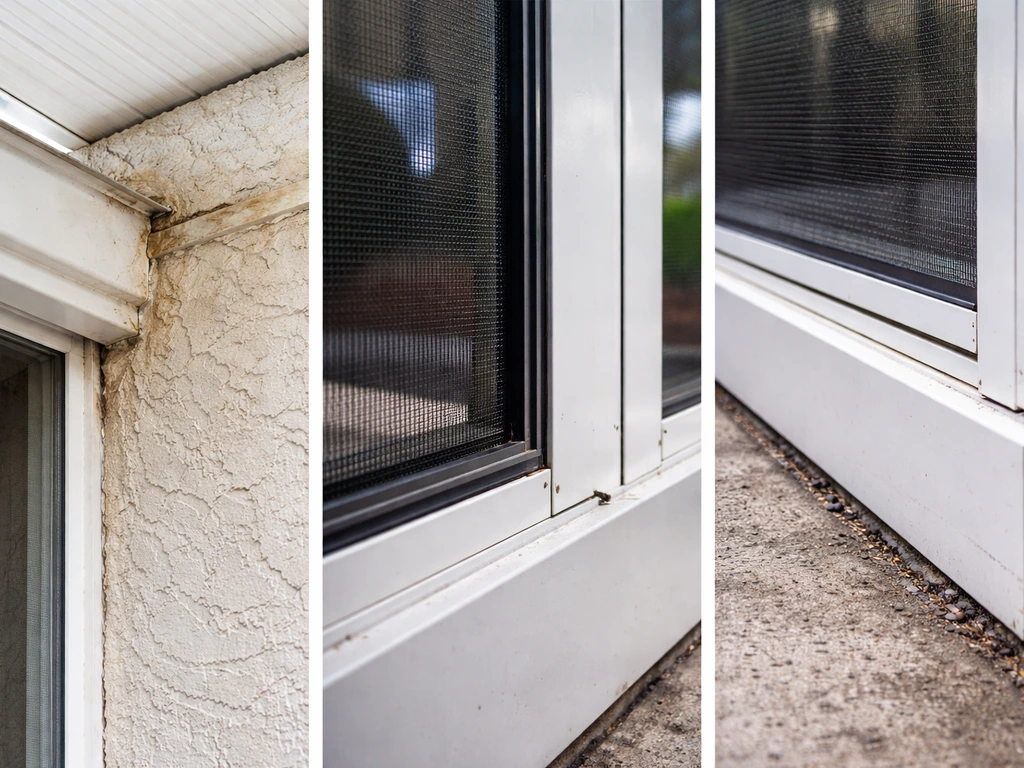
With patio enclosures, the most common complaints involve water getting in at the roof connection point, air gaps around screen or glass panels, and structural finishing problems like improper capping where the enclosure meets the existing house. If you're specifically hunting for patio enclosures pittsburgh reviews, compare what people say about roof-connection leaks and how quickly the dealer addresses service after installation. If you are still deciding, comparing patio enclosures sunrooms reviews can also help you separate common enclosure failures like roof-connection leaks from contractor-specific workmanship issues. If you want faster confidence, look at patio enclosures and sunrooms reviews by location to see which failure points show up most often for the local installer <a data-article-id="8340C046-C4AE-4CD5-9B83-B6F4C4BE0FBB">patio enclosures sunrooms reviews</a>. If you're comparing options in Bensalem, use patio enclosures sunrooms reviews to spot which installation failure points show up most for local dealers before you commit. These issues usually surface fast, often within the first rainstorm or the first cold snap. Homeowners also describe panel alignment problems and door/window operation issues where things simply don't close squarely. If the foundation or concrete slab wasn't perfectly level to begin with and the installer didn't account for that, panels won't sit right and gaps will appear that let in both water and cold air.
Three-season and four-season sunrooms
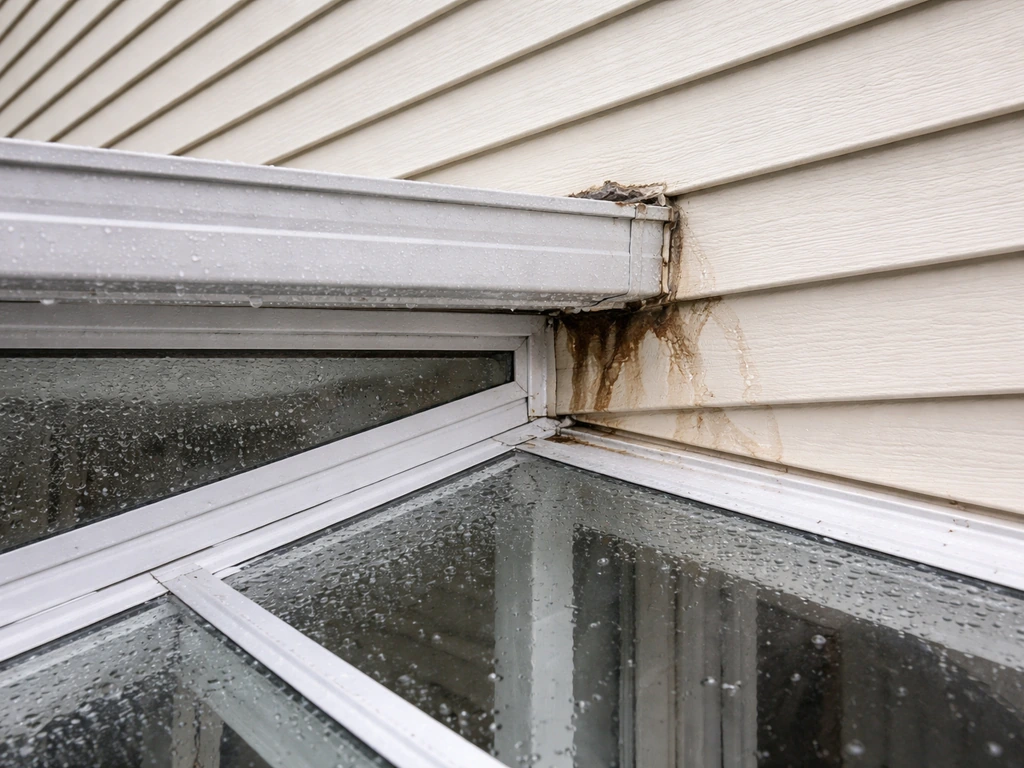
Sunroom complaints are more serious in scope because the stakes are higher. A full sunroom is attached to your house and integrated with its roofline, drainage, and sometimes its HVAC. The most frequent failure points are flashing at the house-wall connection (which is supposed to run over the wall hanger and extend at least 2 inches past the panel hanger per Craft-Bilt's own installation documentation), inadequate sealing at glass panel joints, and roof pitch or drainage design choices that allow water to pool. One homeowner specifically described calling about a roof leak repeatedly and being told service would come only 'when someone is in the area,' which is a textbook example of a post-installation support failure. Drafts and energy loss complaints are also more common with sunrooms than with open patio covers, usually because door weatherstripping and glass seals weren't installed correctly or degraded quickly.
Add-ons: decks, awnings, and patio covers
Add-on products like patio awnings and attached deck systems tend to generate complaints about cosmetic finishing (trim gaps, capping that doesn't align with existing siding), hardware failures, and timeline issues when they're part of a larger project. These rarely involve the structural or water-intrusion severity of a full sunroom complaint, but they're worth noting because an installer who rushes the cosmetics on a deck or awning is often the same one who rushes the flashing on a sunroom.
Root causes worth understanding
Most complaints trace back to a short list of root causes. Understanding these helps you separate a genuine product defect from an installation problem, which matters enormously when you're trying to get something fixed.
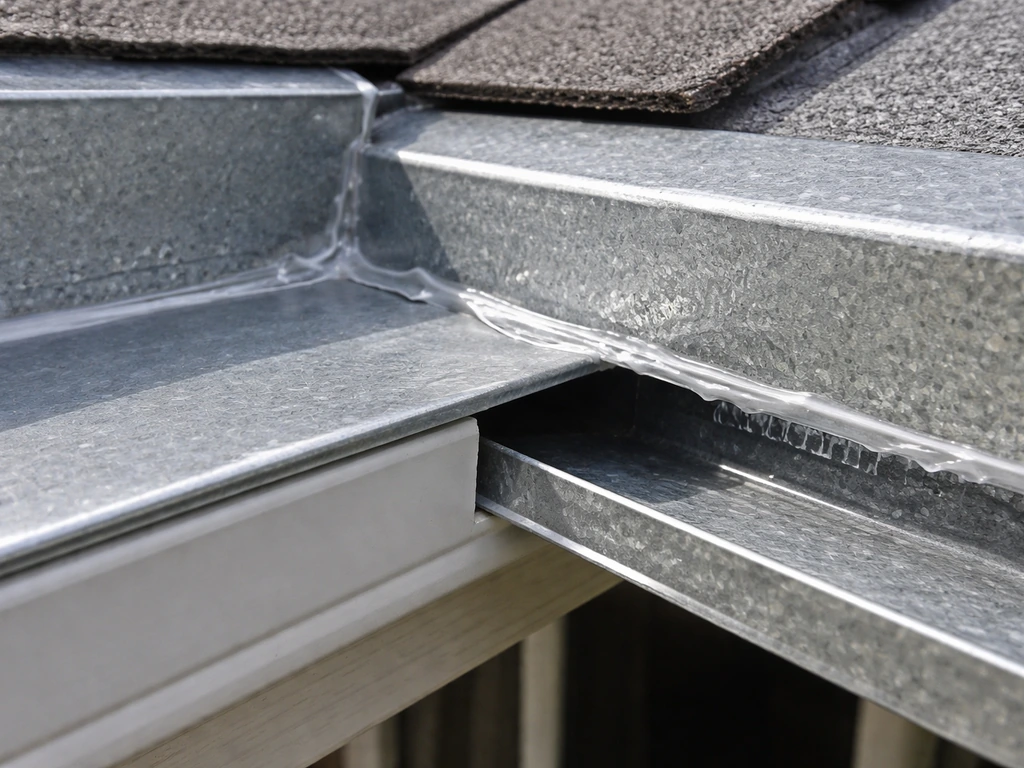
- Flashing and water management failures: Craft-Bilt's own training materials specify exactly how flashing should run from the house wall over the panel hanger assembly, with precise runout measurements. When installers skip steps or improvise, water finds a way in. This is the single most common root cause of leak complaints.
- Front-loaded payment structure: When a contract collects most of the money before the job is complete, the installer's financial incentive to finish cleanly disappears. Multiple complaints describe this exact dynamic.
- Dealer-to-dealer workmanship variability: Because Betterliving products are installed by independent authorized dealers, not a single corporate crew, the same Craft-Bilt product can be installed superbly in one city and poorly in the next. The brand name alone tells you almost nothing about your local installer.
- Permitting and code compliance gaps: Some dealers pull permits as required; others don't, or they underspecify the project to avoid inspections. When no permit was pulled and something goes wrong, you have almost no leverage.
- Foundation and leveling assumptions: Installers sometimes assume a slab or deck is level without verifying. When it isn't, panel alignment and door fit suffer immediately.
- Communication and project management breakdowns: Delays compound when a project manager isn't actively tracking milestones or keeping the homeowner informed. This is a process failure, not a product one, but it shows up in nearly every negative review.
- Warranty structure confusion: The manufacturer covers the components; the dealer covers installation. When homeowners don't know this distinction up front, disputes stall because each party points to the other.
How to read complaint patterns like a signal, not just noise
A single bad review doesn't mean much. A cluster of similar complaints from the same dealer, especially ones that describe the same specific failure, is a genuine red flag. Here's a practical framework for evaluating what you're reading.
| Signal to check | What it tells you | How to weight it |
|---|---|---|
| Frequency of same complaint type | If 4 out of 10 reviews mention leaks, that's a pattern, not a fluke | High weight: repeating failures suggest a systemic workmanship problem |
| Severity of complaint | A cosmetic gap is different from a leak that damaged flooring or drywall | High weight for water intrusion or structural issues; lower for finish complaints |
| Whether the company resolved it | BBB complaints sometimes show 'resolved' but the consumer didn't accept the resolution, which means the fix didn't actually work | Medium-high: look for whether the resolution addressed the root cause |
| How the company responded publicly | A dismissive or blame-shifting response is a red flag; an owner who takes responsibility and explains the fix is a positive signal | High weight: response tone predicts future behavior |
| Whether complaints span multiple locations or just one dealer | Complaints from Pittsburgh, Des Moines, and a Mid-Atlantic dealer suggest a broader pattern; complaints only from one city may indicate a single bad dealer | High weight for multi-location patterns; moderate for single-location clusters |
| Recency of complaints | A string of complaints from two years ago followed by recent positive reviews may indicate the dealer changed their installation team | Moderate: don't dismiss older data, but weight recent reviews more heavily |
Review aggregators that show overall ratings alongside individual complaint text are useful precisely because you can scroll past the star rating and look for keyword patterns: how many times does 'leak' appear, how many mention 'delay,' how many describe a payment dispute. That kind of manual scan takes ten minutes and tells you far more than a summary score.
Already signed or had work done? Do these things now
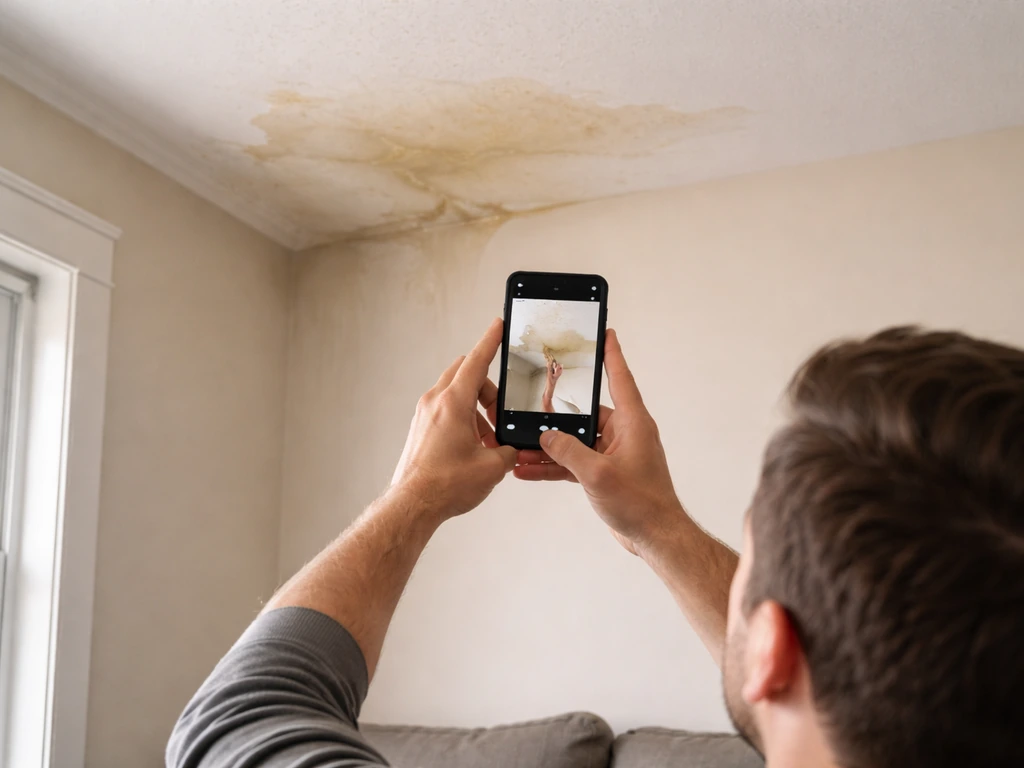
If you're already in a contract or the work is already done and you have a problem, the most important thing you can do right now is build a paper trail before you do anything else.
- Document everything photographically today. Photograph every area of concern, including the roofline connection, any gaps or capping issues, door and window fit, and any water damage. Date-stamp the photos.
- Pull out your contract and read the specific warranty language. Look for whether an installation warranty is listed separately from the manufacturer's product warranty, what the warranty period is, and what the process is for making a claim.
- Send a written notice to the dealer (email is fine; certified mail is better) describing each specific defect clearly. Reference the address, installation date, and the section of the contract that covers workmanship. Do not just call. Phone calls leave no record.
- Request the installation instructions from Craft-Bilt's documentation resources. These are available as downloadable PDFs and specify exactly how flashing, panel connections, and roof integration are supposed to be done. If your installer deviated from those specs, that's your evidence.
- Give the company a reasonable written deadline to respond, typically 14 to 30 days, and state that you'll escalate to the BBB, your state contractor licensing board, and your state attorney general's consumer protection office if the problem isn't addressed.
- If the deadline passes without resolution, file a BBB complaint (even knowing resolution isn't guaranteed, it creates a public record), contact your state's contractor licensing board, and consider reaching out to your state attorney general's consumer protection office. Some states have home improvement contract laws with specific remedies.
- If the dispute involves significant money, consult a construction attorney or pursue mediation. Many states allow you to use a construction mediator before going to small claims or civil court. Keep all documentation organized in a single folder for this purpose.
- If the work hasn't started yet but you've signed and want out, check your contract for a rescission window. Many states require a three-day right of rescission for home improvement contracts signed at your residence. Act within that window if you're still in it.
One thing worth knowing: Betterliving's manufacturer warranty explicitly excludes damage from improper installation, wind, rain-water accumulation, and removal by non-authorized dealers. If your dealer argues that your leak is a 'product defect,' you now have the information to push back and clarify that flashing failures are an installation issue covered under the dealer's installation warranty, not the manufacturer's component warranty.
Still deciding whether to hire? Check these things first
Questions to ask before you sign
- Are you an authorized Betterliving dealer, and can I see your current dealer authorization documentation?
- Who specifically will be installing my project, and are they employed by you or subcontracted?
- Will you pull a permit for this project, and can I have the permit number once it's issued?
- What is your installation warranty, separate from the manufacturer's product warranty, and is it in writing?
- Can you show me the Craft-Bilt installation instructions for the specific product I'm buying?
- What is the payment schedule, and will the final payment be held until I inspect and sign off on completed work?
- Can you provide three recent local references I can actually call?
- What happens if there's a leak in the first year? Who do I call, what's the response time commitment, and is that in the contract?
Contract language and measurements to require
Never sign a contract that doesn't include a written payment schedule tied to project milestones, with a meaningful final payment held until completion and your sign-off. If a dealer asks for more than 30 to 40 percent upfront, that's a yellow flag. If they want 70 percent or more before work begins, walk away. The contract should also specify the exact product model, glass type, frame color, and any specific configurations you agreed to in writing. Verbal assurances about upgrades or features mean nothing when there's a dispute.
Pre-installation and post-installation inspection checklist
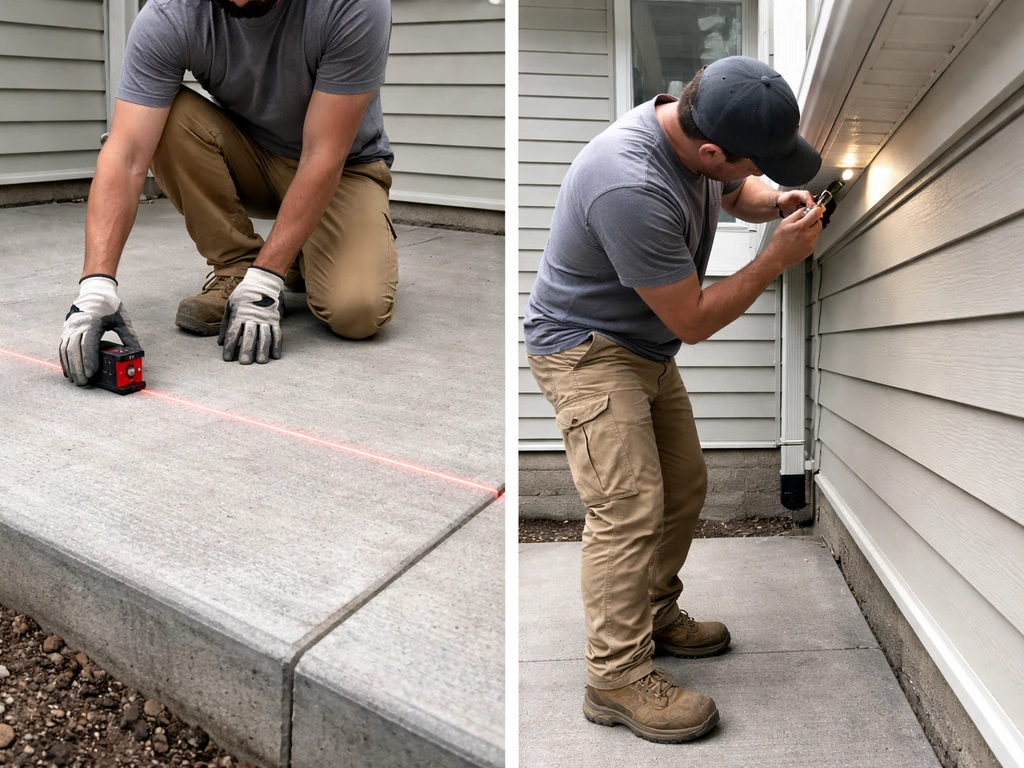
- Before installation: verify the slab or deck is level and document any existing issues with your home's roofline, gutters, or siding that the installer should account for
- Before installation: confirm the permit is posted or available on the job site if one was required
- During installation: check that flashing is visible at the house-wall connection before it's covered by trim or capping
- At completion: run water over the roof connection point before making your final payment, and watch for any drips at the interior connection
- At completion: operate every door and window through a full cycle, check for smooth operation and a consistent gap all the way around
- At completion: inspect all capping and trim where the structure meets your existing house, looking for gaps, misalignment, or exposed raw edges
- At completion: check that gutters are intact, properly connected, and draining correctly where the installer cut into or repositioned them
- Within 30 days: return during or immediately after a rain event and inspect the interior ceiling, walls, and floor of the enclosure for any moisture
Red flags and best practices from verified-review buyers
The clearest takeaway from reading verified reviews across regions is that the Betterliving brand name is essentially a product specification, not a service guarantee. The same Craft-Bilt components can be installed by a meticulous local dealer with a seasoned crew in one market and by a rushed, understaffed operation in another. Regional differences matter: a Pittsburgh-area dealer may have a completely different complaint profile than a Mid-Atlantic or Des Moines dealer operating under the same brand umbrella. If you're looking at <a data-article-id="F2919ACA-9BAD-4193-A6EA-668702ABDC2F">better living patio & sunrooms of pittsburgh</a>, focus on Pittsburgh-area dealer reviews and the specific flashing, sealing, and payment practices people report. That's why looking at location-specific reviews rather than national brand scores is so important when you're researching.
Verified-review buyers who had good experiences tend to describe dealers who were proactive about permits, walked them through the installation steps in plain language, held a final payment milestone until the homeowner was satisfied, and responded to post-installation calls within a week rather than 'when someone is in the area.' Those aren't extraordinary standards. They're just baseline professionalism, and their absence in a dealer's review pattern is a reliable warning sign.
- Red flag: dealer is difficult to reach after the deposit is paid but easy to reach when a payment is due
- Red flag: contract has no written installation warranty or the warranty excludes 'water damage' without clear carve-outs for installation defects
- Red flag: installer dismisses questions about permits by saying the project 'doesn't need one' without checking your local municipality
- Red flag: dealer can't provide recent local references or references are from several years ago
- Red flag: post-installation service response time is vague or dependent on technician routing rather than a specific commitment
- Best practice: independent dealers who have been operating in the same local market for 10-plus years and have a consistent review presence tend to be more accountable than newer entrants
- Best practice: request a site visit and written assessment before signing, not just a sales presentation, so you know the installer has actually looked at your roofline and slab conditions
- Best practice: compare complaint resolution rates across dealers, not just star ratings. A dealer with a few complaints that were fully resolved is often more trustworthy than one with zero complaints and very few reviews
Reading complaint patterns carefully before you hire is genuinely worth an hour of your time when the project involves tens of thousands of dollars and a permanent attachment to your home. The homeowners who end up in BBB disputes and on complaint boards almost universally describe the same avoidable mistake: they didn't verify the dealer's local track record, they agreed to a front-loaded payment schedule, and they didn't get the installation warranty in writing. Fix those three things before you sign and you'll have dramatically better odds of a project that actually ends the way it started.
FAQ
What’s the fastest way to confirm whether my warranty covers installation errors like flashing and leaks?
Ask for the installation warranty document in writing and confirm who the warranty is administered by (your local dealer vs the manufacturer). If the dealer only mentions a “manufacturer warranty,” that usually means components may be covered but installation labor and flashing/sealing are not, and you could be left paying for rework.
How can I tell whether my leak is a product defect or an installation issue?
Not all “leak” complaints are the same. Before calling the dealer, note whether water enters at the roof-to-house flashing line, at glass or screen panel joints, or from pooled runoff on the roof pitch. This lets you request the correct remedy (reflashing and capping, joint re-sealing, or drainage redesign) instead of generic service visits that keep delaying real fixes.
If I have problems after installation, what should I demand from the dealer upfront to avoid delays?
Request a service timeline in the contract for post-installation problems, including a response window (for example, within 3 to 7 business days) and an estimated date for the first corrective visit. If they will not commit in writing, it matches a common complaint pattern where service only happens “when someone is in the area.”
What’s the best way to structure payments so I can still enforce warranty work if something goes wrong?
Hold back funds only through the “final payment” milestone tied to completion and your sign-off, not through partial, informal withholding. If you keep paying without documenting punch-list items, the dealer can claim you accepted the work, which weakens your position when you later pursue installation warranty coverage.
If the dealer promises to fix it, how do I make sure the repair is real and not just a temporary patch?
When a dealer says they “will handle” an issue, ask them to provide a written change order or corrective-action plan that lists what will be replaced or reinstalled (specific flashing section, capping trim alignment, weatherstripping, or joint sealant). Without a written plan, disputes often turn into arguments over whether repairs were attempted or only “looked at.”
If my patio enclosure has gaps and drafts, what should I check about leveling and panel alignment?
Yes, but be specific. Many complaints involve improper level or alignment leading to drafts and gaps. Ask whether they assessed the slab or foundation level before setting panels, and what adjustment method they use if the surface is out of level (shimming, re-leveling, or reinstallation).
What evidence should I collect if I plan to dispute a leak or draft issue with the dealer?
Take photos and videos at the likely failure point right after rain or cold exposure, and include a close-up showing the water path or air gap location. Also save the original contract drawings or product spec sheet. This matters because warranty conversations often hinge on where the failure occurs and whether it can be matched to installation details like flashing extension and joint sealing.
Why do Better Living contract disputes often come down to missing details in writing?
Before signing, confirm the contract includes exact product details you are buying, such as glass type, frame color, panel configurations, and any roof or drainage options. If those are described only verbally, you risk paying for one configuration and receiving another, then the dealer treats it as “as installed” when functionality fails.
Is it always wrong to pay upfront, and what payment structure is the practical red flag?
If the dealer asks for more than about 30 to 40 percent upfront, treat it as a negotiation signal rather than an automatic denial. But if they refuse to add a clear milestone-based schedule and meaningful holdback, that’s a stronger warning sign. For high-risk areas like flashing and sealing, you want most money tied to tested, finished results, not early mobilization.
If my sunroom feels drafty or loses heat, how do I know whether it’s sealing or HVAC integration?
Yes. If your sunroom is tied to HVAC, ask how the installer will handle ducting, make-up air, and any thermostat or return adjustments, and confirm whether any energy-loss complaints could be attributed to incomplete sealing around penetrations. HVAC-related scope gaps can create “comfort” complaints that look like installation quality issues but stem from unaddressed system integration.
When comparing reviews, what type of complaint evidence should I trust most for choosing a dealer?
If you’re comparing dealers, prioritize complaint text that names the failure point and timing, such as “first rain” leaks or “within months” quality issues, over reviews that only mention friendliness. Also note whether the same complaint theme repeats for the same dealer rather than across the entire brand, since the article’s core pattern is dealer-specific workmanship differences.
Next Articles
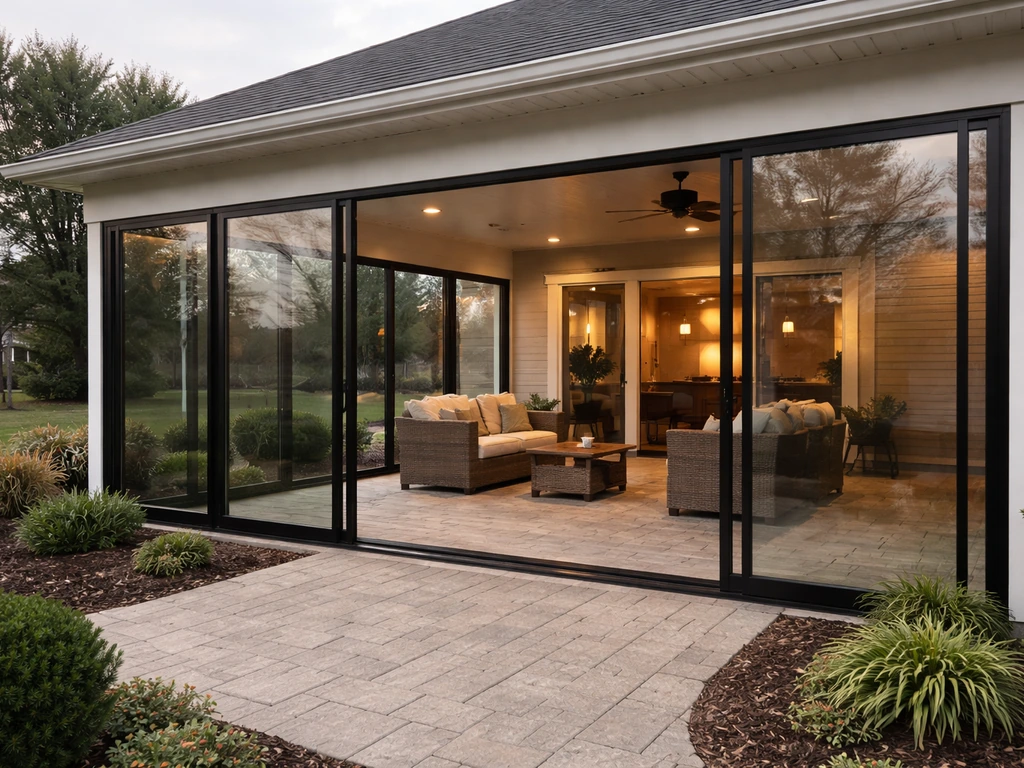
Patio Enclosures Pittsburgh Reviews: What to Check Before Hiring
Use patio enclosures Pittsburgh reviews to spot quality and red flags, compare costs, materials, permits, timelines, war
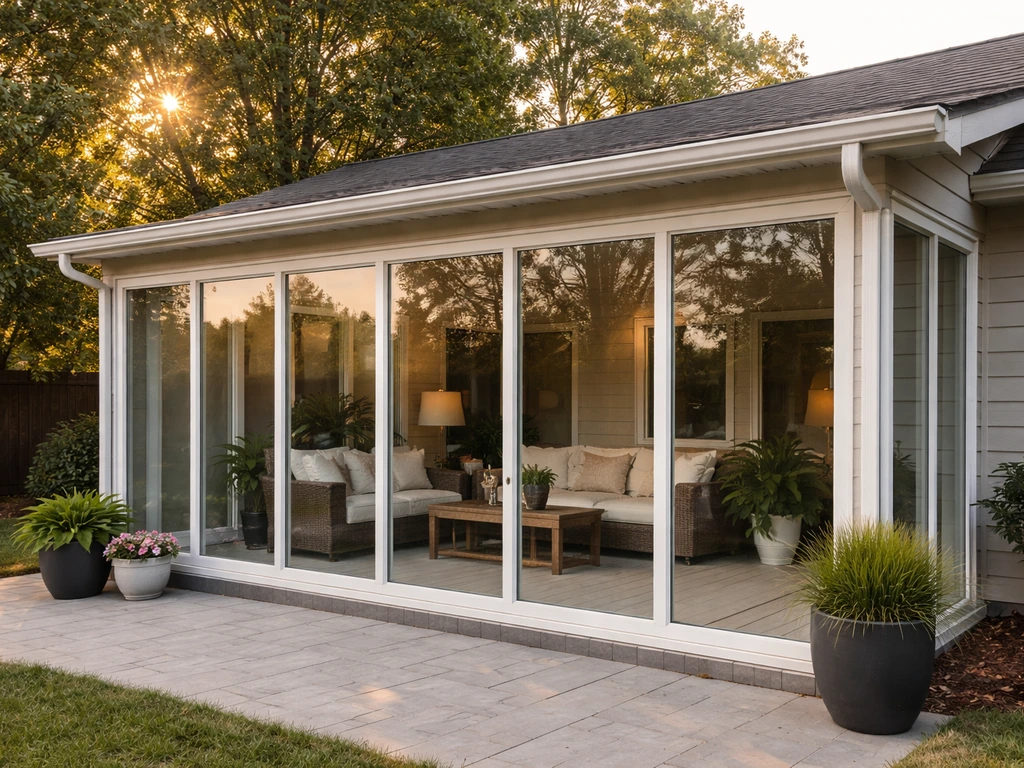
Patio Enclosures Sunrooms Memphis Reviews: How to Choose
Memphis patio enclosure and sunroom reviews guide to compare contractors, spot red flags, and choose the right model.

Ohio Custom Pool and Patio Reviews: How to Compare Contractors
Learn how to trust Ohio custom pool and patio reviews, spot red flags, shortlist pros, and request accurate bids.