
For most Memphis homeowners, a patio enclosure is the faster, more affordable upgrade, while a true four-season sunroom costs more but gives you a heated and cooled living space you can actually use in January and August. The right choice depends on how many months a year you want to use the space, your budget, and whether you want screens, glass, or full insulation. Once you know that, the next job is reading verified local reviews carefully enough to separate contractors who deliver from those who just photograph well on social media.
Patio Enclosures Sunrooms Memphis Reviews: How to Choose

Maren Lawson
29 Apr 2026
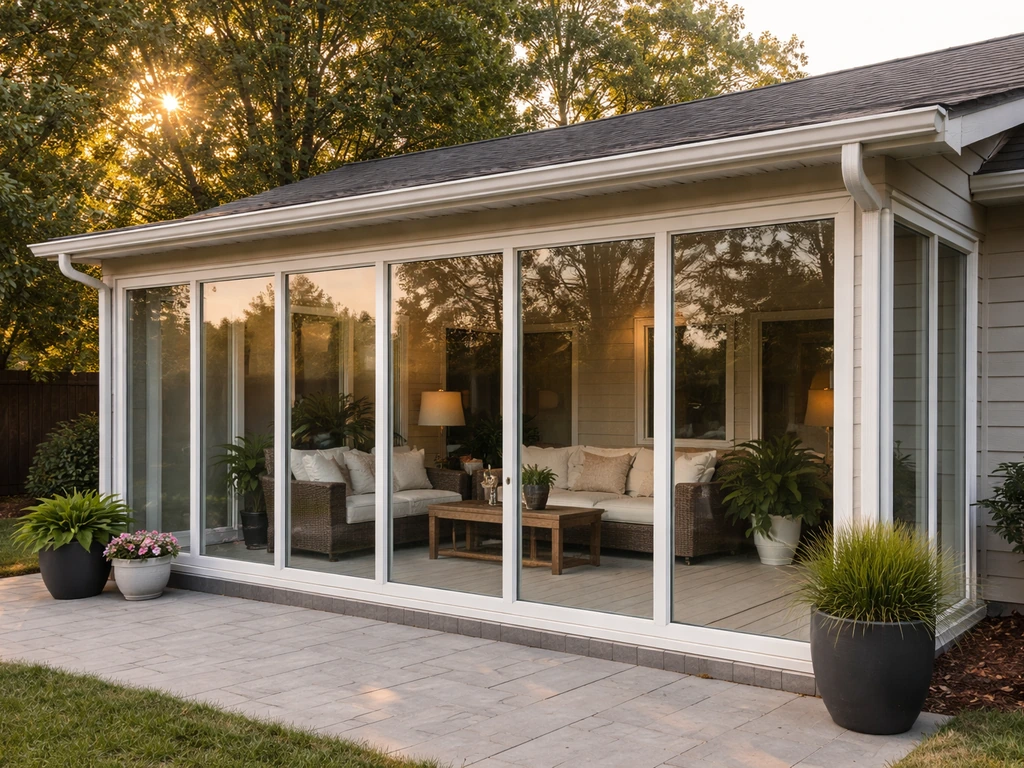
What patio enclosures vs sunrooms actually mean in Memphis
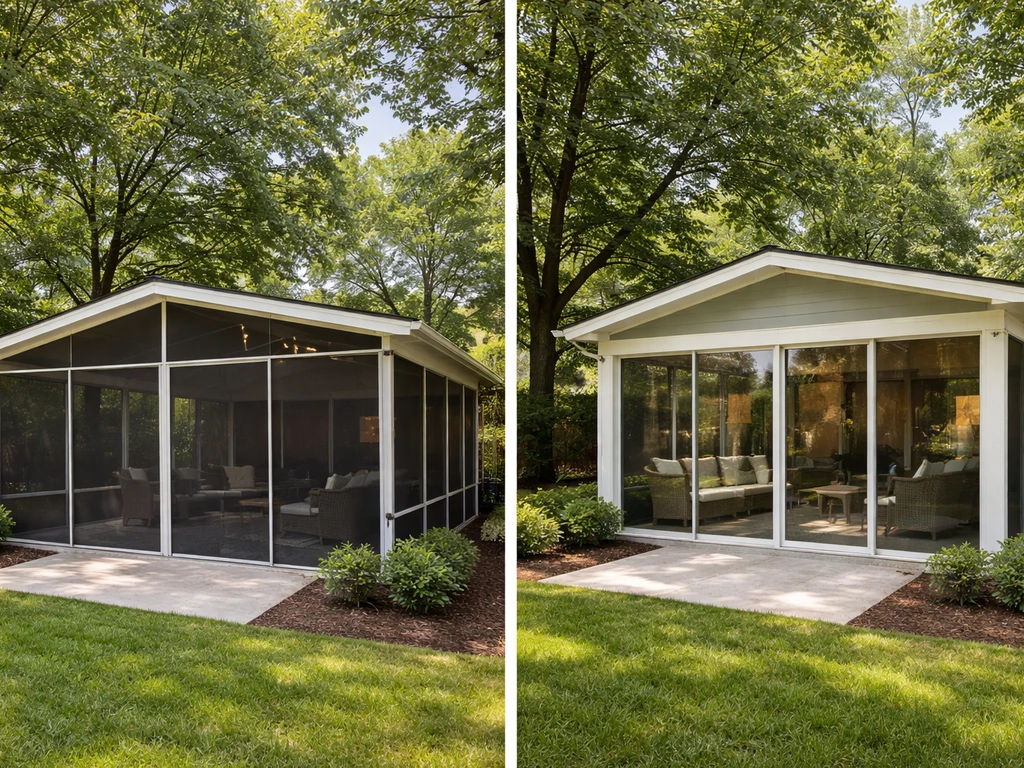
These terms get used interchangeably in ads, but they describe meaningfully different products. Knowing the difference before you call a single contractor saves you from comparing apples to oranges when estimates come in.
| Type | Structure | Climate Control | Best For | Rough Cost Range |
|---|---|---|---|---|
| Screen Room | Aluminum or vinyl frame, screen panels | None (open-air feel) | Bug/rain protection, seasonal use | Lower end |
| Three-Season Room | Permanent roof, large windows or convertible panels | None or portable heat | Spring, fall, mild winters | Mid range |
| Four-Season Room | Thermally engineered aluminum frame, insulated glass | Full HVAC, heated and cooled | Year-round living space | Higher end |
| Solarium | Mostly glass walls and roof | HVAC required | Maximum light, year-round | Highest end |
Memphis sits in a climate zone where summers are brutally humid and winters can dip into the 20s. A screen room works beautifully from March through October, but if you want to use the space in July at noon or on a cold February weekend, you need at minimum a three-season room with a portable heater, and realistically a four-season room with a connection to your home's HVAC or a dedicated mini-split. Brands like Patio Enclosures build their four-season aluminum rooms specifically to be heated and cooled year-round, using what they call a thermally engineered aluminum frame. That framing detail matters: non-thermally-broken aluminum conducts cold and heat straight through, creating condensation and comfort issues that show up in reviews as 'leaking' complaints when they are actually a design problem.
A solarium is the premium option, with glass on the roof as well as the walls. It lets in the most light but also the most heat load, which in Memphis means your HVAC system has to work harder. Three-season and four-season rooms, by contrast, use a permanent solid or insulated roof that keeps direct sun off the glass walls. If you are budget-conscious, start with a screen room or three-season option and know what you are giving up. If you want a true extra room, budget for four-season from the start.
How to use Memphis reviews to actually compare builders
Star ratings are nearly useless on their own. A contractor can have a 4.7 average and still have a pattern of late installs, surprise charges, or post-job communication that vanishes. The Daily Memphian has specifically warned Memphis consumers about fake reviews manipulating star averages, so treat the number as a starting point, not a verdict. What you are looking for is themes inside the text of the reviews.
Signals that actually matter in verified reviews
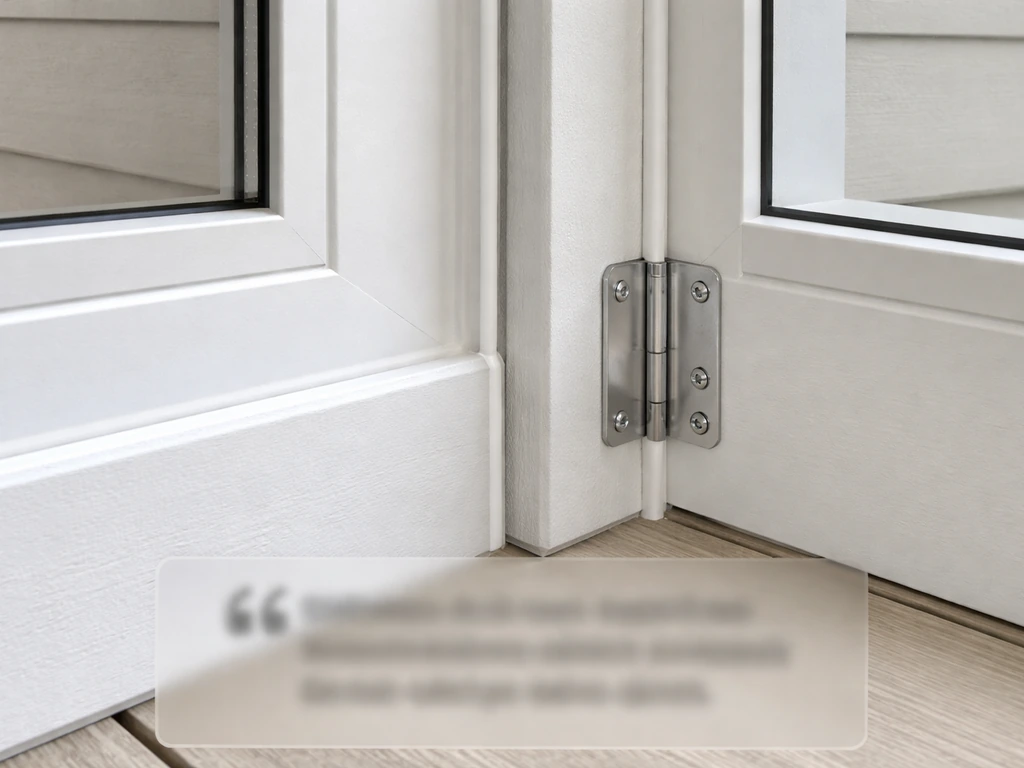
- Workmanship detail: Reviews that mention specific things like cleanup, panel alignment, caulk lines, or hardware quality are more reliable than generic praise. One verified Memphis-area review noted the crew 'cleaned up after themselves every time,' which is a small thing that reflects overall professional standards.
- Timeline accuracy: Look for comments about whether the project finished when promised. Delays due to weather are normal; delays due to poor scheduling or missing crews are a red flag.
- Communication style: 'They were prompt in getting back to me' is a meaningful signal. Contractors who are responsive during the sales process tend to be responsive when problems come up after installation.
- How problems got handled: One Memphis-area review noted that the subcontractors 'were not good,' but the company sent two Field Supervisors to address the concerns. That kind of escalation response matters. A bad day on a job is not a dealbreaker. A company that ignores you after problems start is.
- Permit and inspection mentions: Reviewers who mention their project passed inspection or that the contractor pulled permits are giving you useful compliance signals.
- Post-install follow-through: Leaks, condensation questions, and trim issues often emerge 3 to 6 months after install. Reviews written six months or more after the job tell you more about a company's real character than fresh five-star reviews.
For Memphis specifically, check Angi, HomeAdvisor, and the BBB's Memphis sunroom construction category. Each platform has different review verification standards. Angi explains that reviews or feedback are checked before posting and may be refused or removed at Angi’s discretion different review verification standards. Angi's Memphis sunroom listings are tagged as based on 'verified reviews,' which means the platform has confirmed the reviewer was an actual customer. BBB profiles give you complaint counts and resolution history, which is separate from star ratings and often more revealing. Cross-reference all three before you form an opinion on any contractor.
If you have already researched patio enclosure and sunroom builders in other markets, you will notice that the same themes come up across cities: the contractors who earn consistent long-term praise are almost always those with transparent pricing, strong post-install communication, and a clear warranty process. Reading patio enclosures sunrooms reviews can also help you spot which brands and installers get consistent results in humid Memphis conditions patio enclosure and sunroom builders.
If you are comparing patio enclosure options in Pittsburgh, prioritize reviews that mention workmanship, timeline accuracy, and warranty follow-through patio enclosures pittsburgh reviews. Reading patio enclosures sunrooms reviews for Bensalem homeowners can also help you compare builder reliability and customer service before you choose a contractor. Memphis is no different.
Common pros and cons in verified Memphis customer experiences
Pulling from verified customer reviews across Memphis and comparable Southern markets, here is what comes up most often on both sides.
What satisfied customers tend to say
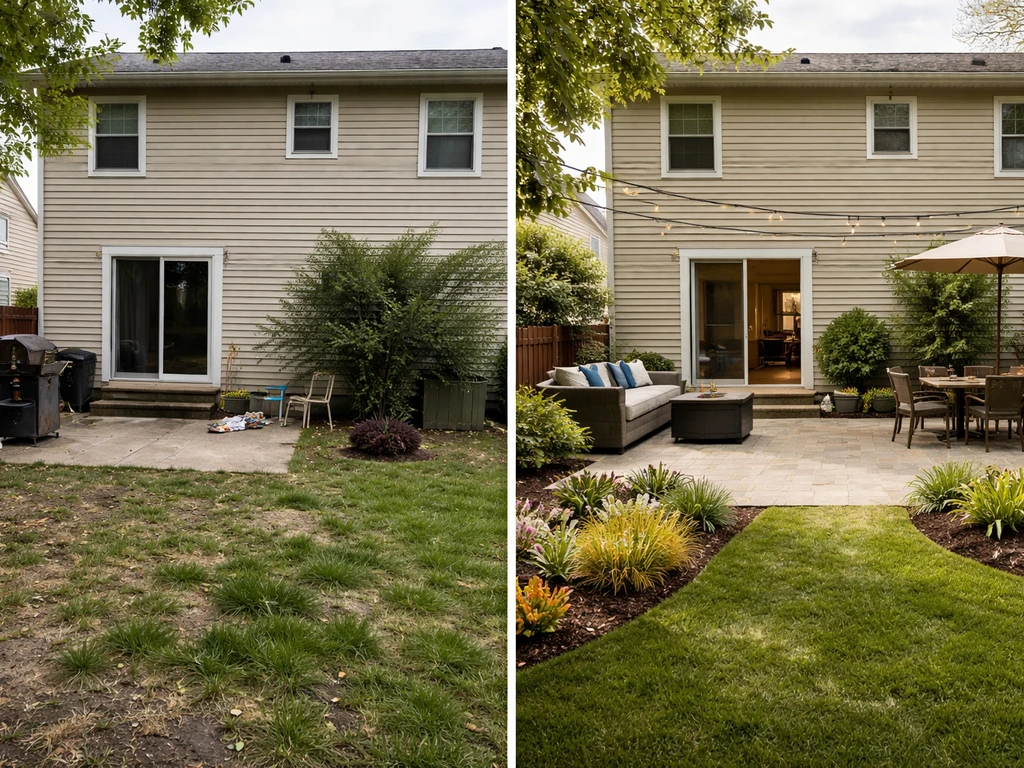
- The finished product transformed how they use their backyard, especially during Memphis's long spring and fall seasons
- Custom design process felt personalized rather than catalog-style
- Installation crews were professional, tidy, and respectful of the existing property
- The company communicated proactively about scheduling and material lead times
- Warranty claims (when needed) were handled without major friction
- Permit process was handled by the contractor, not left to the homeowner to figure out
What frustrated customers tend to say
- Subcontractors used for parts of the job did not match the quality of the sales or project management team
- Timeline slipped without proactive communication from the company
- Condensation or minor leak issues appeared after the first heavy rain, and follow-up was slow
- Final price came in higher than the original quote due to 'scope changes' that were not clearly defined in the contract
- Post-install warranty service became harder to reach once the check cleared
- Some homeowners did not realize they needed an HVAC hookup for a four-season room until after the structure was built
The condensation versus leak distinction is worth understanding before you read reviews. Sunrooms get condensation on glass in humid climates, especially in Memphis summers. That is a ventilation and glazing issue, not necessarily a defective install. A true leak, where water is entering through frame joints or the roofline, is a workmanship or materials problem. Knowing the difference helps you interpret a negative review more accurately: is the customer describing normal condensation they were not prepared for, or an actual water intrusion issue that the contractor should have fixed?
Questions to ask and documents to request before you sign anything
Getting an estimate is easy. Getting the right information during an estimate is harder, because most contractors are trained to present their product, not to hand you reasons to compare them. Here is what you want to ask directly and what you want in writing.
Questions to ask every contractor

- Are you licensed with the Tennessee Board for Licensing Contractors, and can I see your license number? (Tennessee requires contractor licensing for covered work, and you can verify status directly with the state board.)
- Who pulls the building permit from the Memphis Permit Center, you or me? If you, how do you handle inspection scheduling?
- Will electrical work be part of this project? If so, who handles the electrical permit and inspection?
- Will you be using subcontractors for any part of the install? If so, are they licensed and insured?
- What is your change-order policy? If the scope changes after we sign, how is that documented and priced?
- What does your warranty cover, and who do I call if I have an issue in year two or year three?
- Can you show me three recent Memphis-area references I can actually call, not just email?
- What is the realistic timeline from signed contract to finished installation, and what causes delays in your experience?
Documents to request before you sign
- Proof of general liability insurance and workers' compensation coverage (ask for a certificate of insurance naming you as the certificate holder)
- A copy of the contractor's Tennessee state license
- A fully itemized written contract that includes scope of work, materials specified by brand and grade, payment schedule, start and completion dates, and change-order procedures
- The manufacturer's warranty document in writing, not just a verbal reference to a 'lifetime warranty'
- A written description of what is and is not included (HVAC hookup, electrical outlets, interior finishing, permits, cleanup)
Tennessee consumer protection guidelines specifically recommend keeping a signed, legible copy of any home repair contract. Do not let a contractor start work on a handshake or a one-page estimate. The contract is your protection if timelines slip, costs balloon, or warranty disputes arise. Tennessee's commerce regulations also treat a contractor's failure to respond to warranty issues as misconduct, which means you have a path for escalation if a licensed contractor ignores a legitimate post-install problem.
Cost factors: what actually drives the price in Memphis
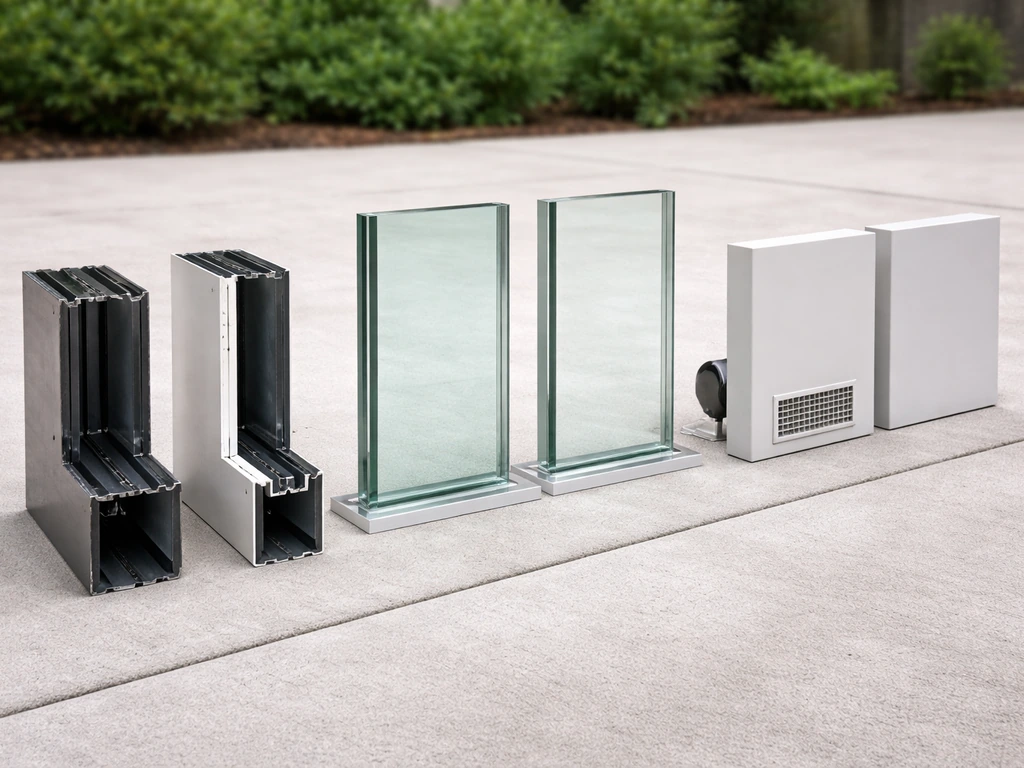
Patio enclosure and sunroom pricing is not fixed. The final number is built from several layered decisions, and understanding each one helps you compare quotes that may look very different on paper but actually describe different products.
Frame material
Aluminum is the dominant frame material for factory-built enclosures and sunrooms. The quality difference that matters most is whether the aluminum is thermally broken (meaning there is a thermal barrier inside the frame that prevents heat and cold from transferring directly through). Non-thermally-broken aluminum costs less upfront but creates condensation issues and energy loss in Memphis's temperature extremes. Vinyl frames are common in more budget-oriented screen rooms and three-season products and generally require less maintenance than painted aluminum.
Glass and screen options
Glass selection significantly affects both comfort and cost. Insulated glass units (double-pane with a gas fill) are the standard for four-season rooms. Low-E coatings reduce solar heat gain, which is critical in Memphis summers. Single-pane glass or acrylic panels are cheaper but perform poorly in temperature extremes. Screen options range from standard fiberglass mesh to solar screens that reduce glare and heat gain. If bug control and ventilation are your primary goals rather than year-round use, a high-quality screen room with solar screening can be a smart, cost-effective choice for Memphis.
Insulation and HVAC
An insulated roof panel and insulated glass walls are baseline requirements for any room you plan to heat and cool. Beyond that, you need to decide how HVAC will work: extension of your existing home system (which may require a duct run and a load calculation to confirm your system can handle the extra square footage), a dedicated mini-split (the most common solution, typically $2,000 to $5,000 installed on top of the room cost), or a portable unit (cheapest but least effective). Many homeowners are surprised by this cost because it is not always itemized in the initial enclosure estimate.
Permits and site prep
Memphis requires building permits for permanent structures, and depending on the project scope, an electrical permit may also be required. For permit categories and how to access the Memphis Permit Center, use the City of Memphis' central Permits & Licenses page central Permits & Licenses page for the Memphis Permit Center. Permit fees are real costs that should appear in the contractor's quote. If a quote is notably lower than others and does not mention permits, ask specifically. Some contractors omit permit costs to make their number look competitive, then add them later as a change order.
Custom vs standard sizing
Factory-built systems like those from Patio Enclosures are described as custom designed and custom manufactured for the specific footprint of your home. Better Living Patio & Sunrooms of Pittsburgh is one example of a local provider you can compare against the same review and documentation standards. That custom manufacturing has a cost premium over off-the-shelf kit systems, but it also typically produces a better fit and a cleaner finished product. When comparing quotes, confirm whether the system is custom-fabricated or a modified standard kit, because the installation labor and long-term performance differ.
Red flags to watch for before and after you hire
Most costly mistakes in this category happen not because homeowners were careless, but because they did not know what to watch for. Here are the patterns that appear repeatedly in negative reviews and BBB complaints for sunroom and enclosure contractors.
- No written contract or a contract that is vague about materials, timeline, and payment schedule. Walk away.
- Pressure to sign same-day or lose a 'special price.' Legitimate contractors do not need to use high-pressure tactics.
- Unable or unwilling to provide a Tennessee contractor license number. This is a basic transparency test.
- No mention of permits. Any permanent structure addition in Memphis requires a permit. A contractor who skips this is either cutting costs or uninformed, and either way you inherit the liability.
- Subcontractors used without disclosure. You have a right to know who is working on your property.
- Very low bids with no itemization. A significantly lower quote is often missing scope items (HVAC hookup, electrical, interior finishing, permits) that will reappear as extras.
- No references from jobs completed more than six months ago. Fresh reviews can reflect a new company or a recent push. You want to know how a contractor performs a year after the project closes.
- Vague warranty language. 'Limited lifetime warranty' means different things from different manufacturers. Get the actual warranty document, not a marketing description of it.
- Bad reviews that describe the same specific issue repeatedly (leaks at a specific joint type, crew no-shows, unreturned calls after deposit). One negative review may be an outlier. Three reviews describing the same problem is a pattern.
On the post-install side, if you have a legitimate issue, start by contacting the contractor in writing (email creates a paper trail). If you get no response, escalate to the manufacturer if the product carries a manufacturer warranty. After that, the Tennessee contractor licensing board and the BBB both have formal complaint processes. Tennessee's framework treats a contractor's failure to address warranty issues as a form of professional misconduct, which gives you leverage beyond just leaving a negative review. If you are specifically looking into Better Living Patio & Sunrooms complaints, also cross-check how the issues were resolved through warranty and the contractor's written communication timeline better living patio and sunrooms complaints.
Your next-step checklist: from research to signed contract
Use this as a working checklist. Print it, put it in a folder, and check things off as you go. The homeowners who feel confident about their hire decision are almost always the ones who followed a deliberate process rather than going with whoever showed up first and had a nice brochure.
- Define what you actually want: screen room, three-season, or four-season room. Decide whether year-round use is a requirement or a nice-to-have, because that one decision drives most of the cost and product differences.
- Set a realistic budget range that includes not just the structure but HVAC, electrical, permits, and any interior finishing. Add a 10 to 15 percent buffer for scope changes.
- Read verified reviews on Angi and HomeAdvisor for Memphis-area sunroom and patio enclosure contractors. Focus on review text, not star averages. Look for the patterns described above: workmanship, communication, timeline accuracy, and post-install response.
- Check BBB's Memphis sunroom construction category for complaint history on any contractor you are considering. A few complaints resolved promptly is different from multiple unresolved complaints about the same issue.
- Shortlist two to three contractors with consistent positive patterns across multiple review platforms.
- Contact each contractor and request an in-home estimate. Bring your lot survey or a rough footprint sketch, photos of your current patio or foundation, and a clear description of your intended use (seasonal vs year-round, furniture and traffic plans, privacy needs).
- Ask each contractor all the questions listed above and note how they respond. Contractors who answer clearly and without defensiveness are easier to work with when problems arise.
- Request proof of Tennessee contractor license and insurance certificate from each shortlisted company. Verify the license directly on the Tennessee Board for Licensing Contractors website.
- Compare written, itemized estimates side by side. Make sure each quote covers the same scope before comparing numbers. If one quote is missing permits, HVAC, or electrical, ask for a revised version that includes them.
- Check references. Call at least two references from completed projects, specifically asking about post-install communication and any issues that came up after the project closed.
- Review the full contract before signing. Confirm scope, materials, timeline, payment schedule, change-order policy, and warranty terms are all in writing.
- Confirm permit process: who pulls it, when it will be filed, and how inspections will be scheduled.
- Sign with your first-choice contractor and keep a copy of everything: contract, license, insurance certificate, warranty document, and all email communication.
If you are also comparing contractors in nearby markets or evaluating national brands operating across multiple cities, the same framework applies. The brands and local operators may differ, but the review signals, documentation requirements, and red flags are consistent whether you are in Memphis or anywhere else in the mid-South. The homeowners who get the best outcomes are the ones who treat this like a hiring decision, not a shopping trip.
FAQ
How can I tell in Memphis reviews whether the “thermal break” issue is really addressed?
Ask whether the aluminum is thermally broken at the frame members and also at any corners, transitions, and roof connections. Some contractors describe the overall system as “thermally engineered,” but a quote may omit which parts are actually thermally broken (or whether thermal breaks are continuous).
What HVAC details should I require in the estimate for a four-season patio enclosure or sunroom?
Have the contractor confirm the exact HVAC approach in writing, including whether they will do a room-by-room load calculation. For mini-splits, ask who is responsible for line set routing, condensate drainage, and electrical requirements, since missing details often show up as cost changes later.
What should I look for in reviews to predict whether the job timeline will actually hold?
Look for specific numbers and dates, not just timelines like “we will start soon.” In particular, ask for a start date, a target completion date, and the expected lead time for glass, roof panels, and any electrical permits. Vague schedules are a common theme in negative Memphis reviews.
How do I prevent “surprise charges” that show up in reviews after the estimate?
Request the contract to list what is included in the base price (foundations, electrical or conduit, permit handling, roof insulation specifications, and glass type). If those items are missing, it is a sign the quote may be incomplete even if the total price looks good.
If a review mentions leaking, what should I ask the contractor to check for water intrusion points?
Ask for photos or a written description of how the contractor plans to handle drainage where the structure meets your house, including flashing and water-shedding at the roofline. Many “leak” complaints are triggered by poor water management at transitions, not by the glazing itself.
Are there ventilation requirements I should ask about, even if the glass looks high quality?
Ask whether the room will have mechanical ventilation or dedicated airflow. In humid Memphis conditions, opening windows or relying on passive vents may reduce comfort, while a plan for airflow helps prevent stagnant air that customers sometimes describe as “too damp” even when the structure is fine.
What warranty questions should I ask that usually change the outcome after installation?
Before signing, ask how the warranty is structured (manufacturer warranty on components versus contractor workmanship coverage) and what “warranty service” means in terms of response time. Also ask whether warranty service requires the homeowner to pay for diagnostics or shipping.
Which review signals predict poor communication during the project, not just after delivery?
In reviews, watch for whether customers report clear communication methods during the project (scheduled check-ins, a contact person, and written updates). Lack of responsiveness is often more predictive of dissatisfaction than the final look of the patio enclosure.
What permit-related questions can I ask to avoid getting blindsided by Memphis building requirements?
Ask if the contractor pulls permits in-house or hands that responsibility to the homeowner, and confirm the permit scope (building and possibly electrical). If permits are omitted in the quote, assume permit costs and administrative delays can become change orders.
How should I interpret “condensation” complaints in patio enclosures sunrooms Memphis reviews?
If a review complains about condensation, ask whether it was measured or observed at specific times (for example, nighttime lows versus midday heat). Condensation can be normal in humid weather, but persistent dripping indoors often points to drainage, airflow, or installation details that should be verified.
What glass specification details should I confirm to match what reviewers experienced?
Request the exact glass package details (double-pane, gas fill if applicable, and Low-E coating) and ask whether the product is rated for solar heat gain relevant to Memphis summers. Reviews sometimes mention comfort but do not explain whether the glass and coatings were actually specified.
How can I tell from a quote or review whether the system is truly custom-built versus a modified kit?
Confirm whether the room is custom-fabricated to your footprint or modified from a standard kit, and ask for tolerances and adjustment allowances. Fit issues can cause recurring service calls, and those show up in reviews as “alignment” or “drafts” problems even when materials are solid.
Next Articles

Ohio Custom Pool and Patio Reviews: How to Compare Contractors
Learn how to trust Ohio custom pool and patio reviews, spot red flags, shortlist pros, and request accurate bids.
Oklahoma Pool and Patio Reviews: How to Choose a Contractor
Use verified Oklahoma pool and patio reviews to vet contractors, spot red flags, and choose by workmanship, communicatio
BMR Pool and Patio Reviews: How to Choose the Right Contractor
BMR pool and patio reviews guide: compare ratings, spot red flags, verify licensing, and shortlist the right contractor.