
"Sunvue patio" is most likely referring to Sunvue Sunrooms & Patios Inc., a California-based contractor that installs patio covers, patio enclosures, and sunrooms. There is also a New Zealand brand called SUNVUE that sells outdoor living systems like pergolas and awnings, and a U.S. outdoor living site operating under the domain sunvueoutdoorliving.com with contact email [email protected]. If you are in the U.S. researching a local installer, Sunvue Sunrooms & Patios is almost certainly what you are evaluating. Here is how to find good reviews, read them correctly, and decide whether to hire them. ICC’s 2024 International Building Code, Appendix I for patio covers includes design and structural rules such as wind and seismic load resistance and guidance on enclosure wall configuration and open-area percentages blank" rel="noopener noreferrer">ICC’s 2024 International Building Code, Appendix I (Patio Covers). After you narrow to the right contractor entity, it is also helpful to scan sunny screen and patio reviews to see how their work holds up in bright, high-visibility conditions.
Sunvue Patio Reviews: How to Verify Feedback Fast

What 'Sunvue Patio' actually refers to
Before you can trust any review, you need to confirm you are reading reviews about the right entity. There are at least three things the name could point to depending on where you live.
- Sunvue Sunrooms & Patios Inc. (California): A licensed general building contractor (license #830441) with a documented permit history covering patio cover/enclosure work and electrical meter upgrades. This is the most common U.S. meaning of the search. Important note: as of May 2026, BuildZoom flags this license as expired, which is a significant detail covered later in this article.
- Sunvue Outdoor Living / sunvuepatio.com (U.S.): A site using the 'Sunvue Patio' brand identity for outdoor living products. The relationship between this site and the California contractor is unclear, so verify directly with any company you contact.
- SUNVUE NZ (New Zealand): A separate supplier/installer of pergolas, outdoor blinds (including Ziptrak systems), awnings, and glazing bar systems for weatherproofing timber pergolas. If you are outside North America, this may be what you found. The NZ company is unrelated to the California contractor.
The practical takeaway: confirm the company name, state or country, and license number before reading any review. A review for the NZ brand does you zero good if you are hiring someone in San Diego.
How to find trustworthy Sunvue patio reviews on an aggregator
Not all review platforms are equal, and the gap matters a lot for contractor research. Here is what to look for and how to use an outdoor-living review aggregator effectively. If you want faster comparisons, you can also check premium solar patios reviews alongside your Sunvue patio review aggregator research.
Use location filters first
Filter by your city or metro area before you read a single review. A contractor operating in the San Diego area may have a completely different crew and quality standard than a franchisee or similarly named company three states over. On any aggregator worth using, you should be able to narrow results to your zip code or county and see only reviews from homeowners in your region.
What 'verified review' actually means
Verified reviews are linked to an actual project transaction, not just someone with a keyboard. On solid platforms, a review is verified when the homeowner can be tied to a confirmed lead, quote, or completed job with the contractor. ConsumerAffairs, for example, uses a time-weighted verification system that checks for duplicate content, spam signals, and review recency to calculate satisfaction scores. HomeAdvisor connects reviews to homeowners who actually matched with and used the service professional through their platform. If a review has no verification badge and no project detail, treat it as anecdotal.
Filter by service type, not just company name
Sunvue's work spans patio covers, full enclosures, and sunrooms. A review from someone who got a simple lattice patio cover does not tell you much about their sunroom enclosure work, and vice versa. Filter by service type (patio enclosure, covered patio, sunroom addition) to find reviews that actually match the project you are planning. Cross-checking consistency is key: if you see 20 reviews for patio covers and they are mostly positive, but the 4 reviews for full enclosures all mention scheduling delays, that is a meaningful pattern. Reading solara patio cover reviews can help you spot recurring workmanship and scheduling patterns before you request quotes.
What to look for inside the actual reviews

Star ratings alone are nearly useless. What matters is the detail inside the review. Here are the specific things worth scanning for.
| Review Detail to Find | Why It Matters | Green Flag | Yellow/Red Flag |
|---|---|---|---|
| Materials used | Patio cover quality varies enormously by material | Reviewer names specific product (Alumawood, Elitewood, vinyl) and mentions it held up well after 1-2 seasons | Vague 'good material' comments with no specifics |
| Workmanship quality | Installation errors show up fast in weather | Mentions level footings, clean welds, proper flashing at roofline | Mentions leaks, sagging, or visible gaps after first rain |
| Build timeline | Delays cost homeowners money and patience | Project finished on or close to promised date | Multiple mentions of weeks-long delays or no-show crews |
| Permit handling | Unpermitted work can create legal and resale problems | Contractor pulled permits and scheduled inspections | Reviewer discovered no permit was pulled after the fact |
| Communication | Correlates with how problems get resolved | Contractor responded quickly to questions and issues | Ignored calls, slow responses, or stonewalling after deposit |
| Site cleanup | Often overlooked but tells you about professionalism | Site left clean, debris hauled away same day | Scrap materials, concrete waste, or tools left behind |
| Issue resolution | Every project has surprises — what matters is how they handled it | Contractor acknowledged and fixed problems promptly | Reviewer had to threaten legal action to get a response |
Common pros and cons homeowners report
Based on the patterns that tend to surface across patio cover and enclosure contractors in this category, here is what customers consistently praise and what trips them up. These themes apply broadly to Sunvue-style patio enclosure contractors and should guide how you read individual reviews.
What tends to land in the pros column
- Design variety: Homeowners often appreciate having options for solid roofing, lattice, and glazed/weatherproof covers, and praise contractors who help them pick the right fit for their yard and climate.
- Value at mid-range price points: Customers who got detailed written quotes upfront and stuck to scope tend to feel the value was good relative to the finished result.
- Fast installation once scheduled: Experienced patio cover crews can complete a standard covered patio in one to three days, which customers rate positively compared to longer general contractors.
- Visual transformation: Curb appeal improvements are a common theme in positive reviews, especially when the design matches the home's existing roofline and materials.
What tends to land in the cons column
- Scheduling and follow-through: The most common complaint across patio enclosure contractors is the gap between the promised start date and the actual start date.
- Communication after deposit: Customers frequently note that responsiveness drops sharply once they have paid a deposit, especially when they have follow-up questions or change requests.
- Warranty ambiguity: Reviews often mention confusion about what the warranty covers (materials vs. labor, and for how long) because it was not spelled out in writing at signing.
- Permit surprises: Some homeowners only discover mid-project or after the fact that no permit was pulled, creating headaches with their city or HOA.
- Change order friction: Scope creep and add-on costs that were not clearly disclosed upfront generate some of the angriest reviews in this category.
Cost and what the reviews tell you about pricing
Patio cover and enclosure pricing is highly variable, and review signals can help you calibrate before you get a quote. Reviewers who share cost details give you useful anchors, but the range is wide because so many factors move the number.
What drives the price
- Size: A simple 12x16 patio cover costs a fraction of a 400 square foot full enclosure. Note that in California and many jurisdictions, patio covers under 300 square feet of projected roof area may qualify for a permit exemption, which saves time but should still be verified with your local building department.
- Material choice: Aluminum patio cover systems (like Alumawood) sit in a different price tier than vinyl or full timber-and-glass enclosure systems.
- Enclosure level: An open lattice cover, a solid insulated roof cover, and a fully glazed or screened patio enclosure each jump significantly in price.
- Electrical and HVAC work: Adding lighting, outlets, ceiling fans, or mini-split HVAC to an enclosure adds labor and permit scope. Sunvue's permit history includes electrical meter relocation and upgrade work, which signals they do handle these add-ons.
- Permit fees and engineering: In jurisdictions with strict wind or seismic load requirements (including much of California), structural engineering drawings are required for enclosures, which adds a real cost.
- Site conditions: Non-level ground, existing slab work, or a complex roofline attachment all add labor hours.
Change orders: the review warning signal
Change orders are where bad contractor experiences often start. In reviews, watch for complaints like 'the final price was 30% higher than the quote' or 'they added fees we never agreed to.' A legitimate change order happens when the scope genuinely changes (you asked for something extra, or there was an unforeseen site condition). An illegitimate one happens when the original quote was underscoped on purpose to win the bid. If you see multiple reviewers mentioning surprise final invoices, that is a pattern to take seriously.
Questions to ask before you sign anything
The review research you do should directly feed the questions you ask at the estimate meeting. Here is a practical list based on what reviewers consistently wish they had asked upfront.
- Is your contractor's license current and active? Ask for the license number and verify it yourself with your state licensing board. Do not rely on what the contractor tells you verbally. As of May 2026, Sunvue Sunrooms & Patios' California license (#830441) was flagged as expired on BuildZoom — confirm directly with the CSLB whether it has been renewed before signing.
- Will you pull the permits, and can I see the permit receipt? This protects you legally. A contractor who hesitates or suggests skipping the permit to 'save you money' is transferring risk onto you.
- What does the warranty cover and for how long? Get two numbers in writing: the labor warranty (typically 1-5 years with reputable contractors) and the manufacturer's product warranty. Ask specifically what voids coverage.
- Who is actually doing the installation — your employees or subcontractors? This matters for accountability if something goes wrong.
- What is the realistic start date, and what causes delays in your current schedule? Compare the honest answer here against what reviewers reported about scheduling.
- How are change orders handled? Ask them to walk you through the process. If scope changes, will you get a written change order before any additional work begins?
- What does cleanup include, and when does it happen? Same-day cleanup after each phase is a reasonable standard. Get this in writing.
- Can you provide two or three references from projects similar to mine, completed in the last 12 months? Then actually call them.
Red flags to watch for, even when reviews look fine
A mostly positive review profile does not mean you can skip due diligence. Here are the specific things that should give you pause, regardless of star rating.
Red flags in the reviews themselves
- Reviews that are suspiciously short and generic: 'Great work, highly recommend!' with no project detail is a low-value signal and can indicate padded reviews.
- A sudden cluster of 5-star reviews in a short window: Check the review dates. A burst of positive reviews after a long gap often correlates with a contractor asking recent customers to help bury bad reviews.
- Negative reviews that describe the same specific problem more than once: One complaint about a permit issue could be a one-off. Three complaints about the same issue is a pattern.
- Responses from the contractor that are defensive or dismissive: How a contractor responds to a bad review tells you exactly how they will handle your problem.
Red flags to validate outside of reviews
- Expired or unverifiable license: Confirm the license status directly with your state's contractor licensing board. An expired license as recently as May 2026 means the contractor may or may not be current today — verify before you pay a deposit.
- No permit history you can find: BuildZoom and your local building department both let you search permit history by contractor name or address. A legitimate enclosure contractor should have a clear trail of permitted work.
- Vague written scope: If the contract does not specify materials by brand and grade, square footage, and what is and is not included, you have no protection when disputes arise.
- Photos that do not match the finished work described: Ask to see photos from actual completed projects, not just the manufacturer's marketing images.
- No membership or verifiable affiliation: Organizations like the National Sunroom Association maintain rosters of member companies committed to quality and compliance standards. Not being a member is not automatically a problem, but membership adds a layer of accountability.
How to cross-validate a contractor
Run the contractor name through at least three independent sources: your state licensing board website, BuildZoom or a similar permit-based database, and a review aggregator filtered to your region. If all three return consistent information (active license, real permit history, reviews that match the scope they claim to do), you are on solid ground. If any one of the three returns something inconsistent, that is the thread you pull before signing.
How Sunvue compares to similar patio companies
If you are comparing Sunvue to other patio cover and enclosure companies in your area, it helps to look at how similar regional specialists are reviewed. Companies like Solara patio covers and Premium Solar Patios operate in overlapping markets and attract similar review themes around pricing transparency, permit handling, and design options. Sunniland Patio and Sunny Screen and Patio come up frequently in Florida-region comparisons, while Patio Heat and Shade serves buyers focused on shade-specific solutions. Reading reviews across a few of these companies in parallel gives you a useful sense of what is normal for this contractor category and what stands out as genuinely better or worse.
Your next steps to shortlist and hire with confidence
Here is the practical sequence to move from 'I searched Sunvue patio reviews' to 'I made a confident decision.'
- Confirm which Sunvue entity you are evaluating: Get the exact company name, state, and license number from any contractor you contact.
- Verify the license independently: Go to the California Contractors State License Board (or your state equivalent) and search license #830441 or whatever number they provide. Confirm it is active today, not just at the time of their last project.
- Pull their permit history: Search BuildZoom or your local county building department for permit records under the company name. Look for patio cover and enclosure permits in the last two to three years.
- Find reviews filtered to your region and service type: Use an outdoor living review aggregator, filter by your metro area and by enclosure/patio cover work specifically, and read the text of at least 10 reviews — not just the star average.
- Get two to three competitive quotes: One quote tells you nothing. Three quotes tell you whether Sunvue is pricing normally, low (potential scope trap), or high for your area.
- Ask the pre-hire questions from this article at your estimate meeting: Treat the answers as additional data points that either confirm or contradict what you read in the reviews.
- Get everything in writing before paying a deposit: Scope, materials with brand names, timeline, permit responsibility, change order process, warranty terms, and cleanup expectations — all of it in the contract.
The homeowners who end up with the best patio projects are the ones who treat the review research phase as real homework, not a five-minute Google check. The information you need to make a confident call is out there, you just have to look in the right places and know what to do with it.
FAQ
How can I tell if a Sunvue patio review is relevant to my exact project?
Use the review to match three specifics: the product type (cover, enclosure, or sunroom), the project complexity (new build vs retrofit), and the scope details mentioned (permits, electrical/HVAC, glazing, foundation work). If a review only says “great service” with no scope or materials, treat it as low-evidence even if it has a high star rating.
What review details matter most for patio enclosures or sunrooms that require permits?
Look for evidence of a real permit trail, not just a promise. In reviews, that often shows up as wording about city inspections, permit numbers, wait times for approval, or coordination with HOA requirements. If reviewers never mention permits or inspections while their projects clearly required them, consider that a warning sign.
When I see complaints about change orders, how do I know if it was legitimate scope change or quote padding?
Distinguish three scenarios: (1) the contractor requested a change order because the homeowner added features, (2) the site conditions forced a scope adjustment (tree roots, uneven foundation, hidden rot), or (3) the original estimate omitted required work. If multiple reviewers cite “missing work,” “quote didn’t include,” or repeated add-ons without new owner requests, you should pause.
Do review timing patterns matter for Sunvue patio reviews and contractor quality?
Be cautious when review dates cluster right after a change in company name, address, or branding. Also note whether the negative reviews are older but the positive ones are newer with no explanation. A sudden shift can happen, but for contractors, it can also reflect rebranding or staff turnover.
How do I separate workmanship quality from communication or scheduling issues in reviews?
Yes, and you should evaluate workmanship and schedule separately. Make a quick tally: which themes repeat in positive reviews (clean installation, communication, finishing) and which repeat in negative reviews (missed dates, debris cleanup, “not as shown”). If a contractor is consistently praised for one category but frequently criticized for another, you can negotiate safeguards for the weak area.
What should I watch for if the reviews mention pricing, contracts, or “what was included”?
Treat it as a red flag if reviewers mention vague contracts, missing itemized pricing, or inability to explain line items. Strong reviews usually describe what was included (materials, venting, hardware, electrical if applicable) and how documents were handled before work started.
Why does filtering by city or zip code matter even when the company operates in my state?
On aggregators, filter to your zip code or county first, then verify that reviewers describe similar conditions (coastal weather exposure, sun load, wind rating needs, HOA rules). Even within the same state, building requirements and site realities can differ enough to change both cost and performance outcomes.
Should I use Sunvue patio reviews differently depending on whether I want a cover versus a full enclosure?
If you see both positive and negative reviews, compare the project type mentioned. A contractor may be solid at simple patio covers but have different crews or processes for full enclosures or sunrooms. Use that to guide your shortlist, not just your overall impression of “good reviews.”
How do I convert what I learn from reviews into better questions at my estimate?
Ask your estimator to reproduce the review-informed questions in writing: timeline milestones, permit responsibility, expected change-order process, and what triggers additional costs. Then request a line-item estimate and a clear scope narrative so your quote can be checked against the common complaints reviewers raise.
How can I avoid being misled by reviews that are written before the job is fully completed?
Check that the review includes the project completion date (or at least the start date), and see whether the homeowner waited for final inspection or punch-list completion. Early “great so far” feedback can look positive even if finishing and warranty follow-through are the real issue.
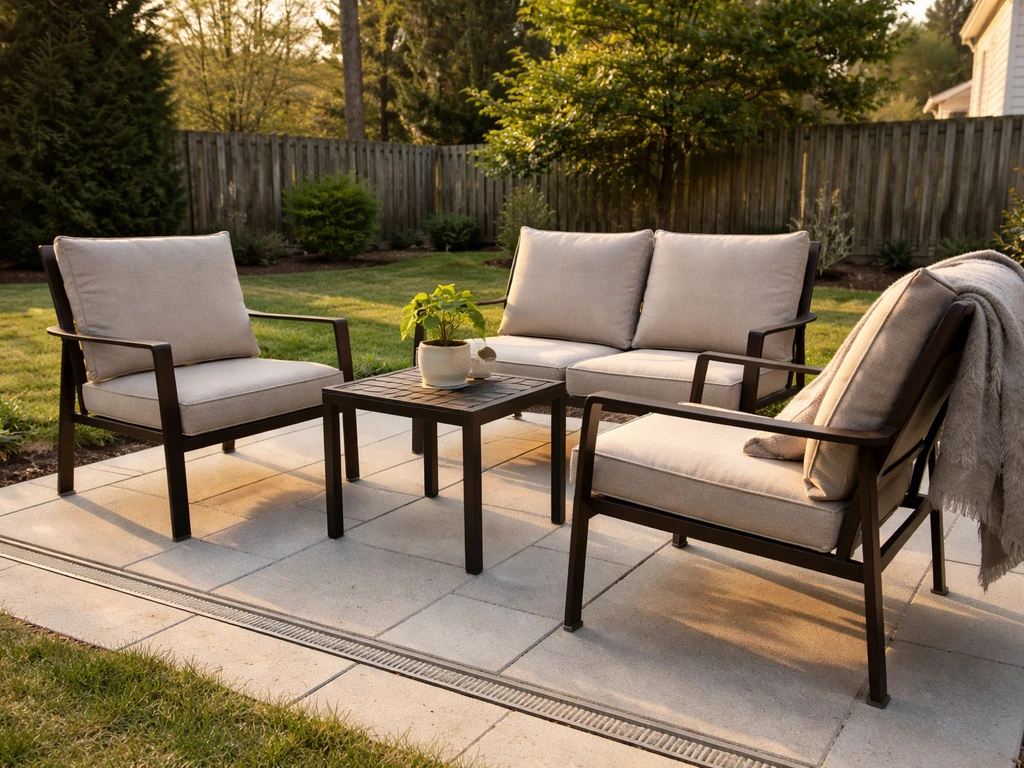
Sunniland patio reviews summary with key pros and cons, pricing signals, workmanship, drainage, timeline, and what to as
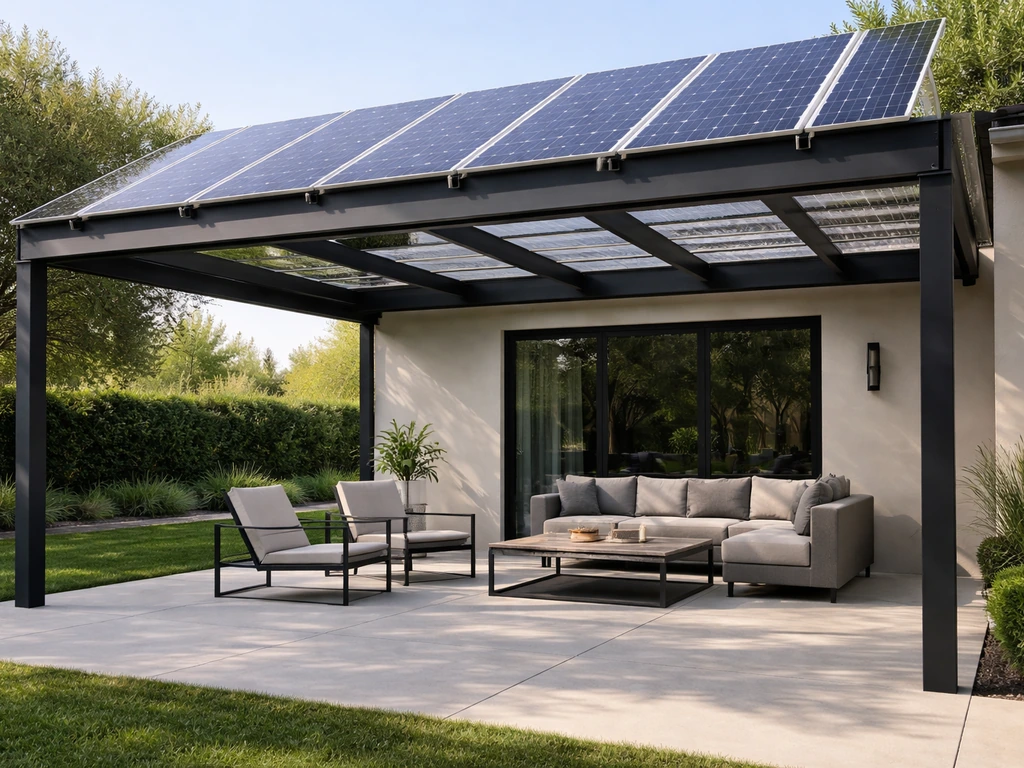
Learn how to use premium solar patios reviews to vet contractors, compare quotes, and avoid costly solar-install mistake
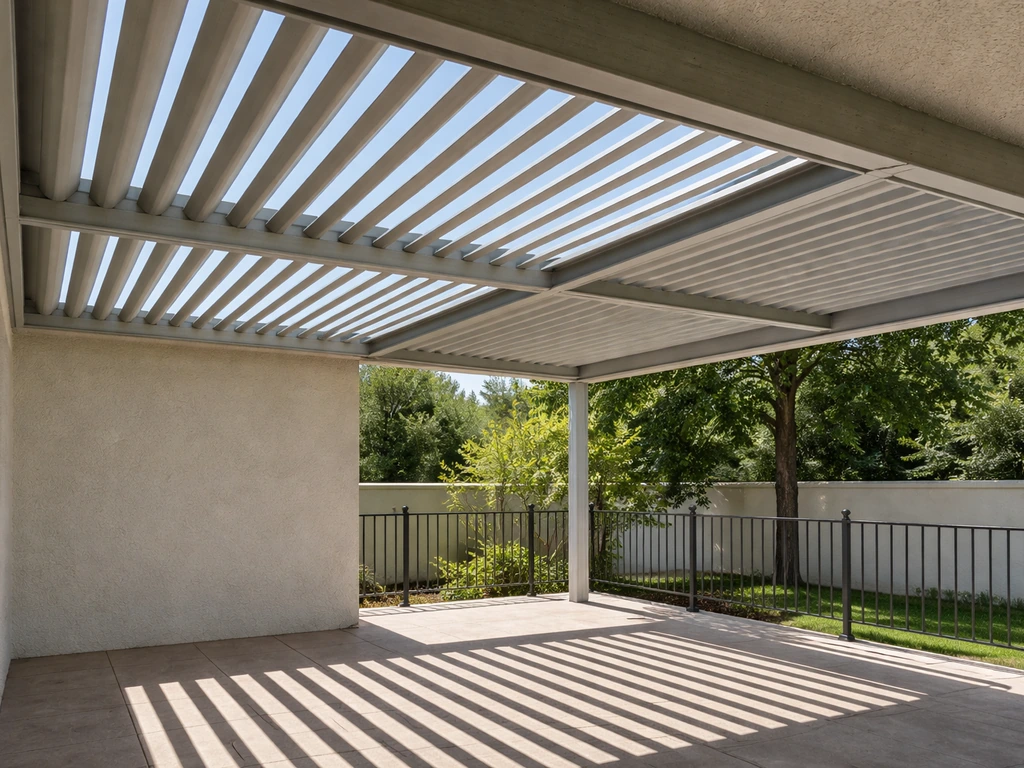
Solara patio cover reviews comparing standard vs adjustable models: build, weather, operation, installation, warranty, v