
If you're searching 'premium solar patios reviews,' you're probably trying to figure out whether a specific company is worth hiring for a solar-integrated patio project, or whether 'premium' is just a marketing word on a brochure. The honest answer: reviews are genuinely useful here, but only if you know what to look for. Most homeowners read star ratings and move on. What actually predicts a smooth project is buried in the details: how reviewers describe permitting, whether the installer pulled the right electrical permits, how the solar components performed six months after install, and whether post-install problems got resolved. This guide walks you through every step, from decoding review platforms to comparing proposals line by line before you sign.
Premium Solar Patios Reviews: How to Choose a Contractor

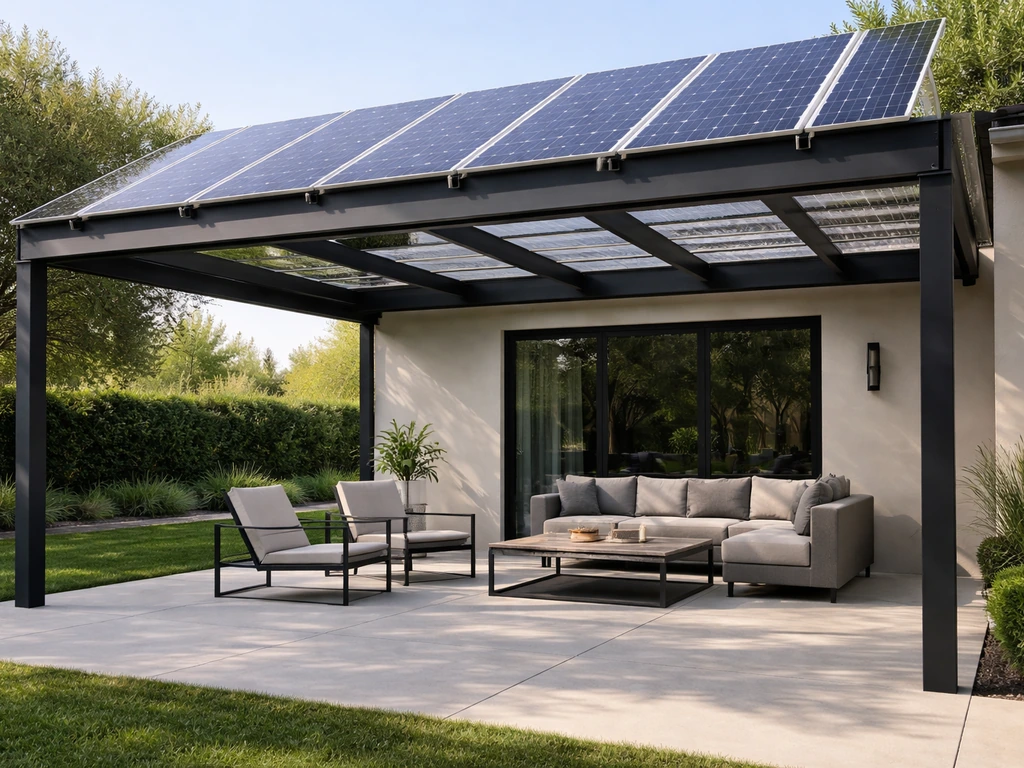
What 'Premium Solar Patio' Actually Means (and the Most Common Mix-Up)
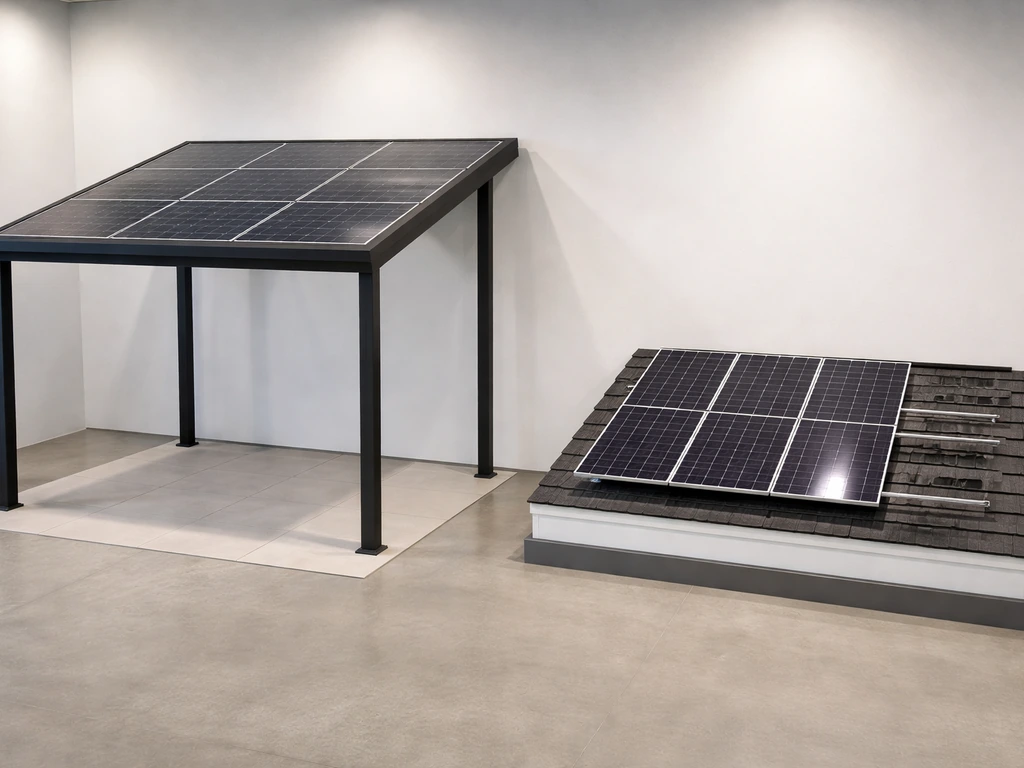
The single biggest source of confusion in this category is that 'solar patio' means very different things depending on who's selling it. You need to know which product you're actually buying before you can evaluate any review or proposal.
There are essentially two distinct products on the market. The first is a solar-integrated patio cover or pergola that incorporates photovoltaic (PV) panels into the structure's roof plane, converting sunlight into usable electricity. This type of installation involves PV modules, an inverter (often string or microinverters), a combiner, disconnects, and sometimes battery storage. It connects to your home's electrical panel and may require utility interconnection and a Permission to Operate (PTO) approval before you can legally turn it on. This is a true solar electric system attached to a patio structure, and it costs more than a standalone rooftop solar array because you're paying for the structure plus the electrical system.
The second product is a smart pergola or motorized louvered patio cover with integrated LED lighting, rain sensors, and app control. Think of products like motorized louvered roofs with built-in electrical features. These are genuinely premium patio products, but they do not generate electricity. They use electricity. That's an important distinction when you're reading reviews or comparing quotes.
A 'premium' solar patio proposal in the full sense should include all of the following, clearly spelled out: the patio structure itself (cover, pergola, or enclosure), the PV modules with their specs (wattage, brand, model), the inverter type and model (microinverters tend to carry longer warranties, with some brands offering 25-year coverage), rapid shutdown compliance per NEC 690.12 and 690.56, a structural design that accounts for dead load, wind, snow, and the concentrated point loads from PV racking standoffs, and a complete permit package. If a quote bundles all of this into a single vague line item, that's a problem we'll come back to.
| Feature | Solar Electric Patio Cover | Smart/Motorized Pergola |
|---|---|---|
| Generates electricity | Yes (PV modules + inverter) | No |
| Electrical permit required | Yes, typically with utility interconnection | Sometimes (for low-voltage lighting/motors) |
| Structural engineering required | Yes (PV load calculations required) | Varies by jurisdiction |
| Utility PTO needed | Yes (grid-tied systems) | No |
| NABCEP-certified installer needed | Strongly recommended | Not typically applicable |
| Battery storage option | Yes (optional add-on) | No |
| Expected payback period | 8–15 years depending on system size and local rates | No energy payback (purely a comfort product) |
When you're reading reviews on any platform, keep this distinction in mind. A reviewer saying 'our solar patio looks beautiful and the lights work great' may be describing a smart pergola, not a system that offsets their electric bill. Only reviews that mention things like 'our electric bill dropped,' 'the installer pulled a solar permit,' or 'we got our utility PTO' confirm you're reading about a true solar electric installation. For help narrowing down trustworthy options, you can also use sunniland patio reviews as a starting point before you book any contractor calls.
How to Read Premium Solar Patio Reviews the Right Way
The platforms you'll encounter, Angi, Google, Yelp, Thumbtack, and Trustpilot, all handle review verification differently, and knowing those differences changes how much weight you should give each one.
Angi's verification process is intended to confirm that reviews come from real customers rather than bots, employees, or competitors. Google's Local Services Ads badge indicates specific verification checks on the provider's profile. Trustpilot uses automated detection technology to screen reviews before they're published. Yelp openly acknowledges that its filtering system removes some reviews from star-rating calculations at any given time. Thumbtack's reviews come from customers but you should treat that platform primarily as a lead marketplace rather than a certification authority. None of these platforms fully guarantee quality. What they do is reduce (not eliminate) outright fake reviews.
The reviews that actually tell you something useful about a solar patio installer are the ones with operational specifics. Here's what to filter for when you're reading:
- Permit mentions: reviewers who say 'the installer handled all the permits' or 'the city inspector came out and passed everything' confirm the contractor actually went through proper channels
- Utility interconnection: mentions of the utility company approving the system, or receiving Permission to Operate, indicate a grid-tied solar project was done correctly
- Timeline accuracy: positive reviews from solar patio projects should describe a timeline that included permitting and inspection (weeks to months, not days), because any installer who 'finished in a weekend' on a PV project probably skipped steps
- Post-install performance: reviews written 6 to 18 months after install that mention actual electricity production, app monitoring data, or bill savings are worth ten times more than a review written the week of completion
- Problem resolution: how a contractor handles problems matters more than whether problems occurred. A detailed review describing a wiring issue that was fixed promptly and professionally is a positive signal, not a negative one
- Cleanup and site condition: consistently mentioned in strong reviews for premium contractors; consistently absent or negative in reviews for lower-quality ones
Negative reviews deserve special attention. A single bad review about a scheduling delay is noise. A pattern of reviews mentioning the same issue, like 'they never pulled a permit' or 'the system hasn't worked since month two and they won't return calls,' is a signal. Read the contractor's responses to negative reviews too. A response that addresses the specific complaint with factual detail is a good sign. A response that dismisses or deflects is not.
One more thing: volume and recency matter. A company with 80 reviews from the past three years is more informative than one with 200 reviews spread over a decade. The solar and patio industries change quickly, and an installer's crew from four years ago may not be the same team doing work today.
Questions to Ask Solar Patio Installers Before You Sign Anything

Once you've shortlisted two to four contractors based on reviews, the next step is a direct conversation before requesting a formal quote. These questions separate the real solar-integrated patio specialists from general patio builders who've added 'solar' to their website. NABCEP eligibility requirements for the PV Installation Professional credential include that the contractor be a licensed contractor in good standing in a solar or electrical construction trade and have documented decision-making responsibility in PV systems.
- Are you NABCEP-certified or do you employ NABCEP-certified PV installation professionals? NABCEP company accreditation is considered the most rigorous credential in the residential solar industry. You can verify individual and company listings in NABCEP's public professional directory before the conversation even begins.
- What electrical license does your company hold, and is it current in this state? A solar patio that ties into your home's electrical system requires a licensed electrical contractor in most jurisdictions, not just a general contractor.
- Who pulls the permits: you or me? The correct answer is always the contractor. If they suggest you pull your own permits to save money or speed things up, walk away.
- What does your permit package include? A complete residential solar permit package should contain a cover sheet, site plan, roof or patio layout, electrical single-line diagram, equipment datasheets, structural mounting details with load calculations, and rapid shutdown documentation. If they look uncertain at this question, that tells you something.
- Does the design include rapid shutdown compliance per NEC 690.12? This is a code requirement for PV systems on buildings. The conductors need to de-energize when shutdown is initiated. Ask for the specific component that provides this and how it will be labeled on the equipment per NEC 690.56.
- Is the racking system UL 2703 listed? UL 2703 is the safety standard for PV mounting systems covering mechanical loading, bonding, grounding, and fire rating. Ask the contractor to show you the manufacturer's UL 2703 qualification documentation for the specific panel and racking combination they're specifying.
- What structural engineer or stamped design will be used? The structure supporting solar panels must be designed for dead load, live load, wind, snow, and the concentrated loads from PV racking standoffs, both with and without panels present. This is not optional in any jurisdiction that requires permits.
- How long after the final inspection before I can turn the system on? The answer should reference the utility's Permission to Operate (PTO) process. Depending on the utility, PTO can take several additional weeks after the inspection passes. If the contractor says you can flip the switch the day the inspector leaves, they don't understand grid-tied interconnection.
- What warranties do you provide and what do they cover? There are three separate warranties: product/equipment warranty (typically manufacturer-issued), performance/production warranty (guaranteeing a minimum annual output), and workmanship warranty (covering the installation labor). Get all three in writing with specific coverage periods and exclusion language.
- Can you provide references from solar patio projects completed in the past 18 months? General patio references don't count here. You want to speak with someone whose solar-integrated structure has gone through at least one full season of operation.
How to Compare Quotes and Verify What You're Actually Buying
Getting three to five quotes is standard advice, but it only works if the quotes are actually comparable. In the solar patio space, they often aren't, because different contractors scope the job differently and present savings projections using wildly different assumptions.
Scope and Hardware
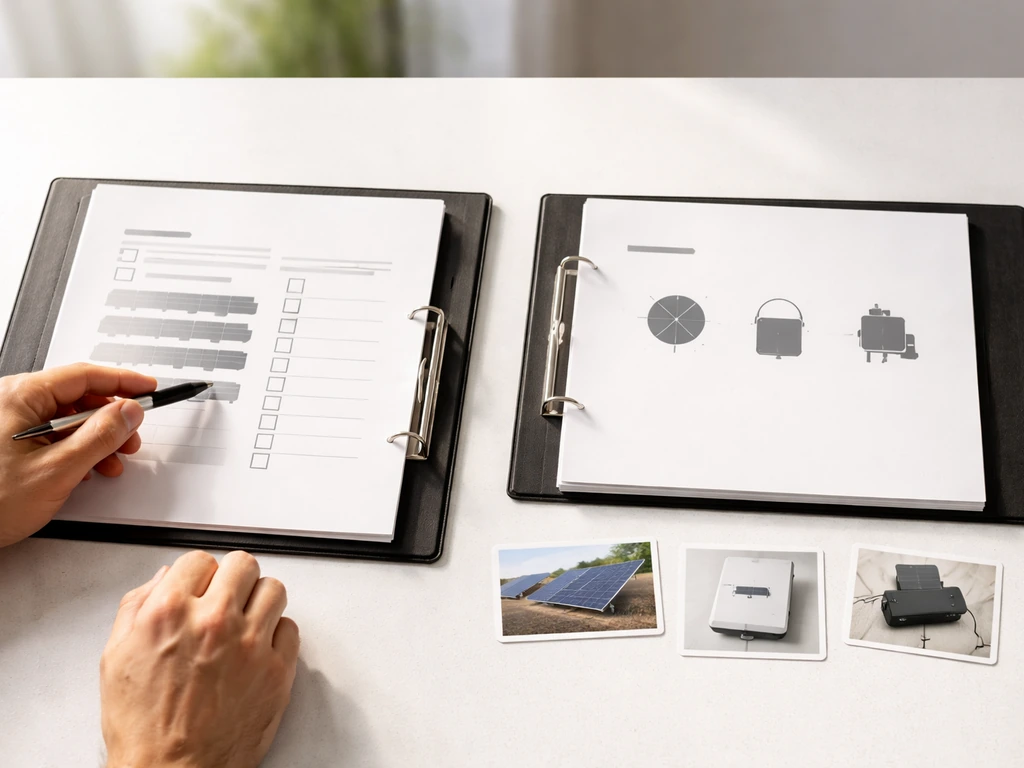
Every quote should specify the exact number of PV panels, the panel brand and model, the wattage per panel, the inverter type (string inverter, microinverter, or power optimizer), the inverter brand and model, and whether battery storage is included or excluded. If one quote says '10 panels' and another says '10 panels with microinverters,' those are different products at different price points. Microinverters, for example, often carry 25-year warranties from reputable manufacturers, which matters when you're evaluating a 15-year payback scenario. A string inverter may carry only 10 to 12 years.
Energy Generation and Savings Projections
This is where quotes diverge most misleadingly. Two contractors can project dramatically different 10-year savings from the same system size simply by using different electricity rate assumptions. A premium proposal documents the assumptions: current utility rate per kWh, assumed annual rate escalation, expected annual system production (in kWh), and any net metering or feed-in tariff assumptions. If a quote shows you a savings number without these underlying figures, ask for them explicitly. The savings projection is only as reliable as the assumptions behind it.
Permits and Interconnection
Verify that permit fees, utility interconnection application fees, and inspection coordination are included in the contract price, not listed as potential additional costs. Some contractors quote the hardware installation and then charge separately for permitting, engineering, or utility paperwork. That's not inherently wrong, but you need to know the total cost before comparing.
Warranty Terms Side by Side

| Warranty Type | What to Expect from a Premium Installer | Watch Out For |
|---|---|---|
| Equipment/Product | Manufacturer warranty transferred to homeowner (often 25 years for panels, 25 years for quality microinverters) | Installer-only warranty with no manufacturer passthrough |
| Performance/Production | Guaranteed minimum annual kWh output, typically 80–90% of rated production at year 25 | No production guarantee, or guarantee with excessive exclusions |
| Workmanship/Installation | 10 years minimum for labor and roof/structural penetrations | 1–2 year workmanship warranty, or verbal-only |
| Structural (patio/pergola) | Contractor liability for structural integrity of the patio cover itself | Excluded entirely or pushed to a third-party manufacturer |
Total Installed Cost and ROI Realism
A solar-integrated patio cover costs more than a standalone rooftop solar installation, because you're paying for the structural component plus the electrical system. That's not a red flag, it's just the math. What is a red flag is a ROI claim that assumes utility rates will rise dramatically every year, that you'll use every kWh the system produces, and that no maintenance costs will occur over 20 years. A realistic premium proposal acknowledges these variables honestly rather than presenting a single rosy number.
Red Flags in Solar Patio Reviews and Proposals
Some warning signs show up in reviews. Others only appear when you look closely at a contract or proposal. Here are the ones worth taking seriously.
- Reviewers mention the system was 'activated' or 'turned on' immediately after installation with no mention of utility approval: this suggests the installer may have bypassed the PTO process, which is a code violation for grid-tied systems
- Multiple reviews reference the same contact person leaving the company, followed by service responsiveness dropping sharply: this pattern suggests the company's quality depends on one individual rather than a system
- Reviews written within days of project completion dominate the overall rating with very few reviews from 6 to 12 months post-install: this can indicate a review-solicitation practice that captures enthusiasm before problems emerge
- Proposal lists a single combined line item covering structure, panels, inverter, electrical, and permitting with no itemization: you can't verify what you're buying, and you can't compare it to other quotes
- Contractor cannot produce a UL 2703 qualification document for the racking system they're specifying, or has never heard of it: this is a structural and electrical safety standard, not optional paperwork
- No mention of rapid shutdown compliance or inability to name the specific NEC article that requires it: this is a code requirement for any PV system on a building, and a contractor who can't speak to it clearly hasn't done many permitted residential solar projects
- Workmanship warranty is under 5 years or explicitly excludes roof or structural penetrations: this is exactly the area most likely to cause long-term damage, and protecting it is a minimum standard for a premium installation
- Sales pressure to sign before the permit review is complete, or claims that a permit 'isn't required' for a patio solar installation in your area: permits are required for PV systems in virtually every U.S. jurisdiction
- Financing terms that extend past the system's performance warranty period, or that include a lien on your home in the fine print
The same skepticism applies when you're comparing this category to related patio-focused companies you might encounter in your research. If you are specifically looking at sunvue patio reviews, keep the same skepticism in mind when comparing solar patio providers that may be strong in adjacent patio services but uneven on electrical and permitting details. Patio shade and enclosure specialists, patio cover manufacturers, and outdoor living contractors sometimes expand into solar offerings without the electrical and permitting infrastructure to do it well. Reviews for those companies in adjacent categories can be genuinely strong for their core patio products while telling you nothing about solar integration quality.
How to Use a Review Aggregator to Shortlist and Book Your Next Steps
A review aggregation site that covers patio contractors, solar installers, and outdoor living specialists is the fastest way to cut your initial list from dozens of vague Google results down to three to five credible candidates. Here's how to use it effectively rather than just browsing star ratings.
Filter Before You Read
Start by filtering for your specific region. Solar system design depends heavily on local sun hours, local utility interconnection rules, local building codes, and local permit offices. A contractor with 50 glowing reviews in Arizona is not automatically qualified to navigate your county's permit process in the Pacific Northwest or Florida. Regional filtering on a review aggregator removes this noise immediately.
Then filter by service type. On a platform that covers the full range of patio and outdoor living contractors, you want to specifically identify companies listed as solar patio installers or solar patio cover specialists, not just general patio builders or general solar installers. The right contractor sits at the intersection of those two categories and should have reviews describing both the structural patio work and the electrical solar work.
What 'Verified' Really Means on a Review Platform
On most aggregators, 'verified' means the platform has taken a step to confirm the reviewer was an actual customer rather than a bot or an employee. It does not mean the platform audited the quality of the work, confirmed the permit was pulled, or verified that the solar system is performing as promised. Treat verified reviews as authentic customer opinions, not technical audits. If you're looking specifically at patio heat and shade reviews, apply the same rule: confirm whether the product is just shade hardware or an actual solar-integrated system reading reviews. The technical verification is your job, and it happens when you ask the questions listed earlier in this guide.
Signals That Correlate with Fewer Problems
When you're scanning a contractor's review profile on an aggregator, these specific signals consistently correlate with smoother projects in the solar patio category:
- Reviews that explicitly mention permit approval or city inspection passing
- Reviews that reference system monitoring, app data, or actual bill reductions (not just 'it looks great')
- Review dates spread consistently over 2 or more years rather than clustered in a single month
- Owner or manager responses to reviews that are specific and professional, not templated
- Mentions of NABCEP certification in either the company profile or in reviewer comments
- Reviews that describe the company handling a problem well, not just reviews where nothing went wrong
Your Shortlist-to-Quote Checklist
Once you've identified three to five candidates from the aggregator, use this template when you contact each one. Sending the same structured message to all of them makes comparison much faster and also signals to the contractor that you're a serious, informed buyer.
- State your project scope clearly: patio size (approximate square footage), whether you want full solar electric generation or primarily shade with some integrated lighting, and your general timeline
- Ask whether they are NABCEP-certified or employ NABCEP-certified professionals, and whether they can provide their license number for your state
- Ask whether they handle all permitting and utility interconnection, and include it in their quoted price
- Request a sample permit package or project portfolio showing a completed solar patio installation including the electrical single-line diagram and structural drawing
- Ask for the names and models of the PV panels, inverter, and racking system they typically specify for a project like yours
- Ask for at least two references from solar patio projects completed in your region in the past 18 months
- Request their three-part warranty summary in writing before a formal site visit
Contractors who respond to this kind of message with specific, direct answers are almost always easier to work with through the entire project. Contractors who respond with a sales pitch and a request to schedule a consultation before answering any of your questions are showing you something about their communication style early. Pay attention to it.
The goal of using a review aggregator isn't to find the company with the highest star rating. It's to build a shortlist of contractors who have a demonstrated track record in solar patio installation specifically, verify their credentials before the first call, and then use your direct conversations and proposal comparisons to make the final call. Done this way, you're not relying on reviews alone. You're using reviews as the first filter in a process that ends with you holding a detailed, itemized, permitted proposal from a contractor whose references have actually seen their solar system generate electricity.
FAQ
How can I tell from reviews whether the contractor installed a true solar-electric patio system versus a smart louvered cover?
Look for reviewers who mention electricity production or bill impact, such as kWh generation, utility interconnection, PTO, or net metering. If the review only talks about app control, lighting, rain sensors, or shade angle, it is almost certainly describing a motorized louvered cover that uses electricity but does not generate it.
What details should I ask a contractor for if a review says the project went smoothly?
Ask for the permit reference numbers, inspection milestones, and a copy of the PTO approval timeline (or the status if pending). Also request the exact component list they quote (PV module model, inverter type and model, and whether shutdown devices are included) so you can confirm the install scope matches the review.
Are microinverter warranty claims in reviews a reliable signal of long-term performance?
They can be a useful clue, but verify the specific warranty terms and who provides them, not just the marketing statement. Ask whether the warranty is on the hardware only or includes labor for replacements, and confirm the inverter model so the warranty length actually matches what the contractor installs.
If reviews say “they handled everything,” what should I verify to avoid surprise fees?
Confirm that the quote price includes permitting, engineering, utility application fees, and inspection coordination. Then ask the contractor to list any line items that could become change orders, such as panel upgrades, conduit runs, or electrical panel service modifications.
How should I treat a negative review that only complains about aesthetics or patio design?
Aesthetic or scheduling complaints can be separate from electrical quality. Still, read for operational red flags like repeated system downtime, failure to respond after installation, missing permits, or unresolved inspections. If negative mentions relate to the PV system not working, weight it more heavily than purely design-related feedback.
What if most reviews for a company are for patio covers or shade products, not solar installations?
That is a common edge case. Ask what portion of their recent projects are solar-integrated patio electric systems and request two to three solar patio references (not just general cover jobs). If they cannot show solar-specific results, treat their reviews as limited evidence.
How many quotes should I request, and what makes quotes “comparable” in this niche?
Request at least three, but only compare quotes that match on PV module count, PV module model and wattage, inverter type and model, and whether battery storage is included. Also compare the modeled production and utility-rate assumptions, because two systems with the same size can produce different savings projections if the assumptions differ.
What should I ask about the estimated payback if a review mentions big savings?
Ask for the exact utility tariff inputs they used (your current rate, expected escalation, and whether the model assumes full self-consumption or specific export behavior). Also ask how they handle scenarios like changes in net metering rules, partial shading, or HVAC loads that affect how much electricity you actually use.
What are common “review blind spots” that do not show up until after installation?
Look for recurring omissions like delayed PTO, incomplete closeout paperwork, or ongoing communication issues. You can detect these early by asking whether they provide commissioning documentation, what the post-install monitoring process is, and the typical timeframe for utility interconnection approval and final system activation.
When an aggregator says a review is “verified,” should I treat it as proof of solar performance?
No. “Verified” usually indicates the reviewer is a real customer, not that the system performed as expected or that permits were handled correctly. In your follow-up, ask about PTO completion, inspection outcomes, and any post-install maintenance or inverter replacements to confirm performance claims.
How can I confirm that the contractor’s design accounts for structural and electrical code requirements?
Ask about structural load design for wind, snow, and the concentrated PV racking standoff loads, then ask how they address rapid shutdown compliance requirements. Reviews that mention “no issues at inspection” are encouraging, but you should still request what standards or code checks they applied and whether any structural engineering stamps are included.
What should I do if I like reviews and the contractor responds well, but the proposal is vague?
Do not sign until the proposal includes an itemized scope with exact hardware models, inverter type and model, and a clear statement of permit and interconnection responsibilities. If the contractor pushes back or refuses to itemize, treat that as a risk signal even if reviews are positive.
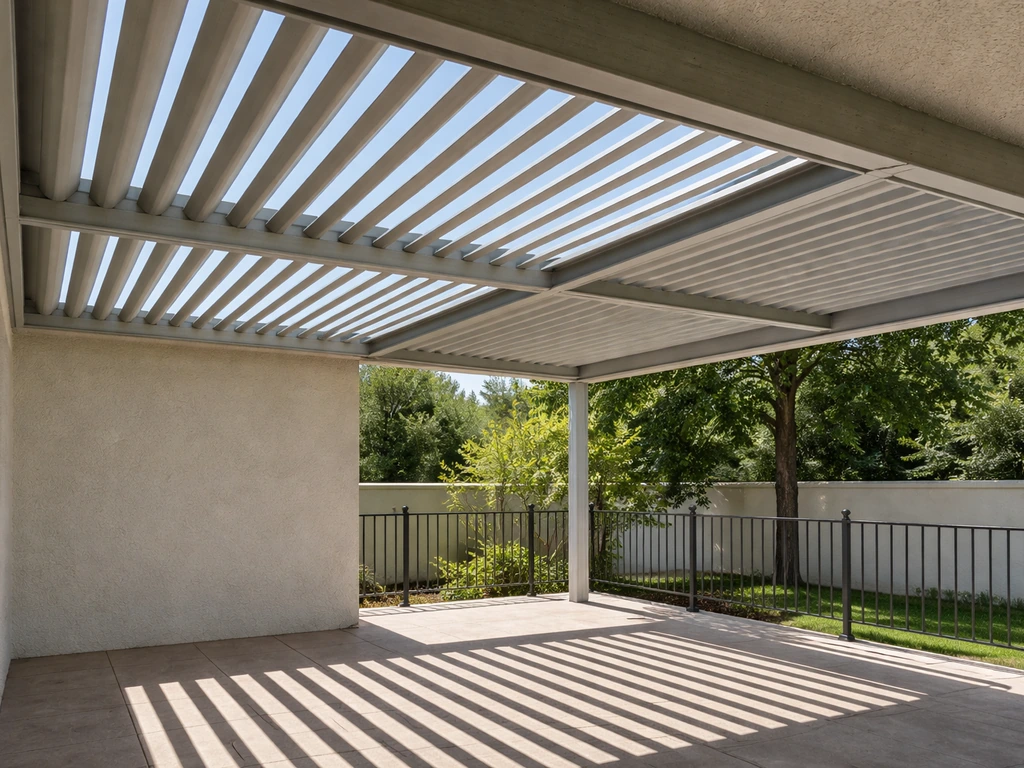
Solara patio cover reviews comparing standard vs adjustable models: build, weather, operation, installation, warranty, v
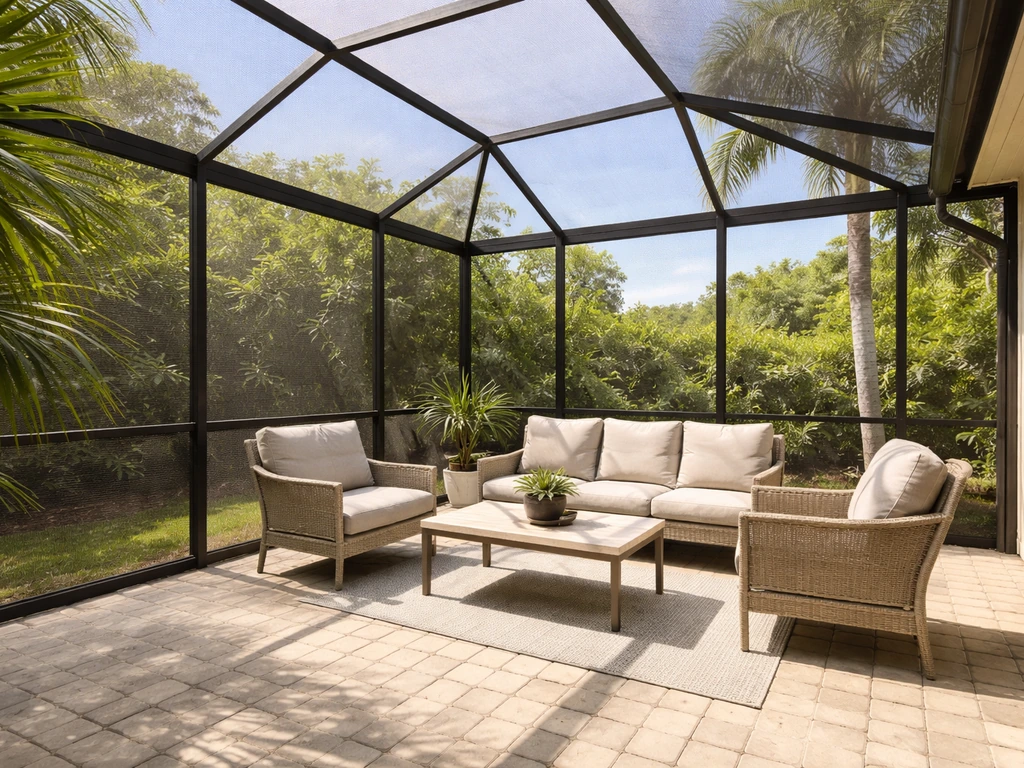
Sunny screen and patio reviews guide: verify contractor fit by workmanship, scheduling, pricing, permits, and dispute hi
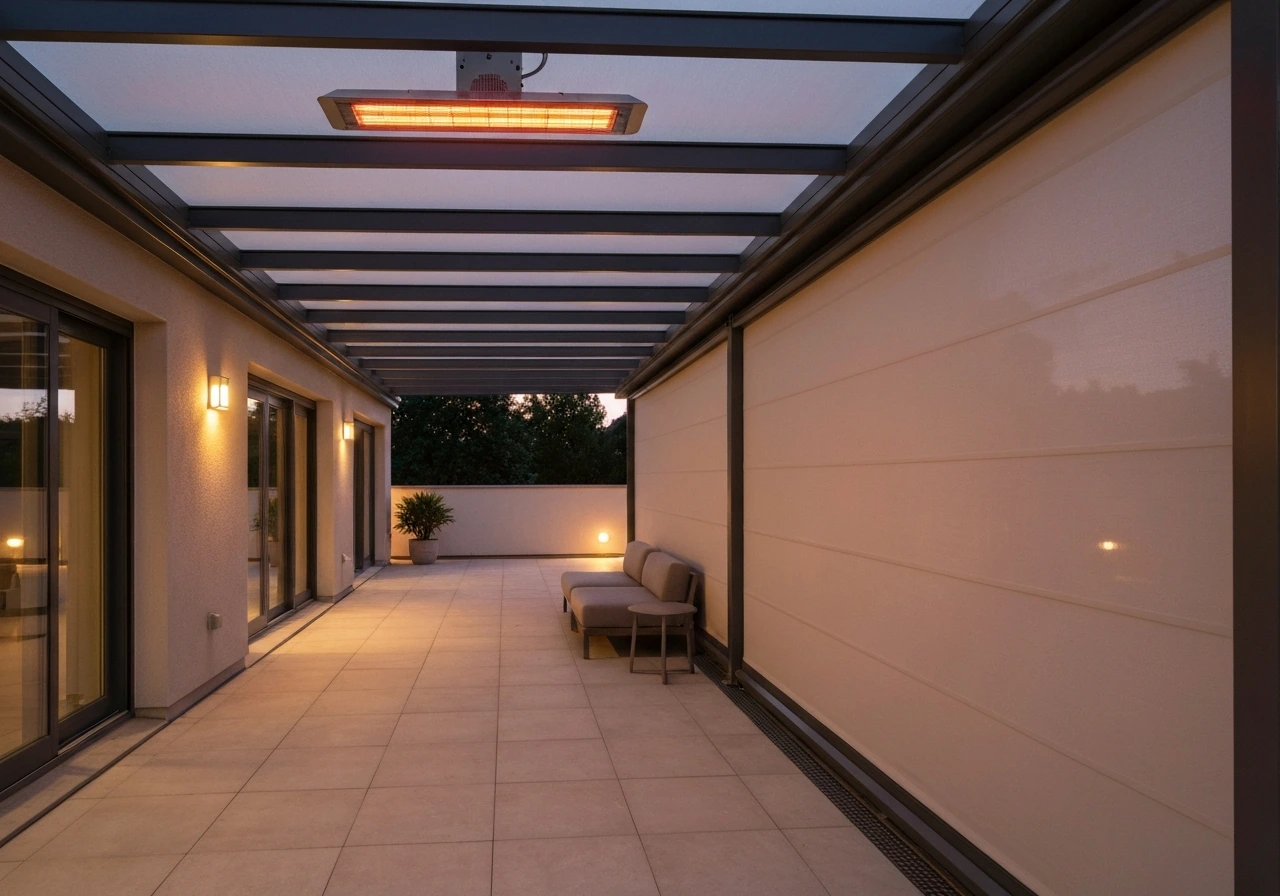
Practical patio heat and shade reviews guide to pick the right heater and shade, place them safely, and compare contract