
Solara patio covers get genuinely mixed reviews. The product itself, particularly the adjustable louvered system, is well-engineered and built from extruded aluminum with a strong warranty backbone. But the customer service and post-install support experience has tripped up enough buyers that you need to go in with your eyes open. If you are looking for premium solar patios reviews, focus on the same themes: installation quality, motor support, and whether warranty coverage matches your climate. If you get the right authorized dealer and nail the installation, reviewers report covers that still look great a decade later. If you don't, you may find yourself waiting four weeks for an email reply and troubleshooting a motor replacement on your own.
Solara Patio Cover Reviews: Adjustable vs Standard Guide

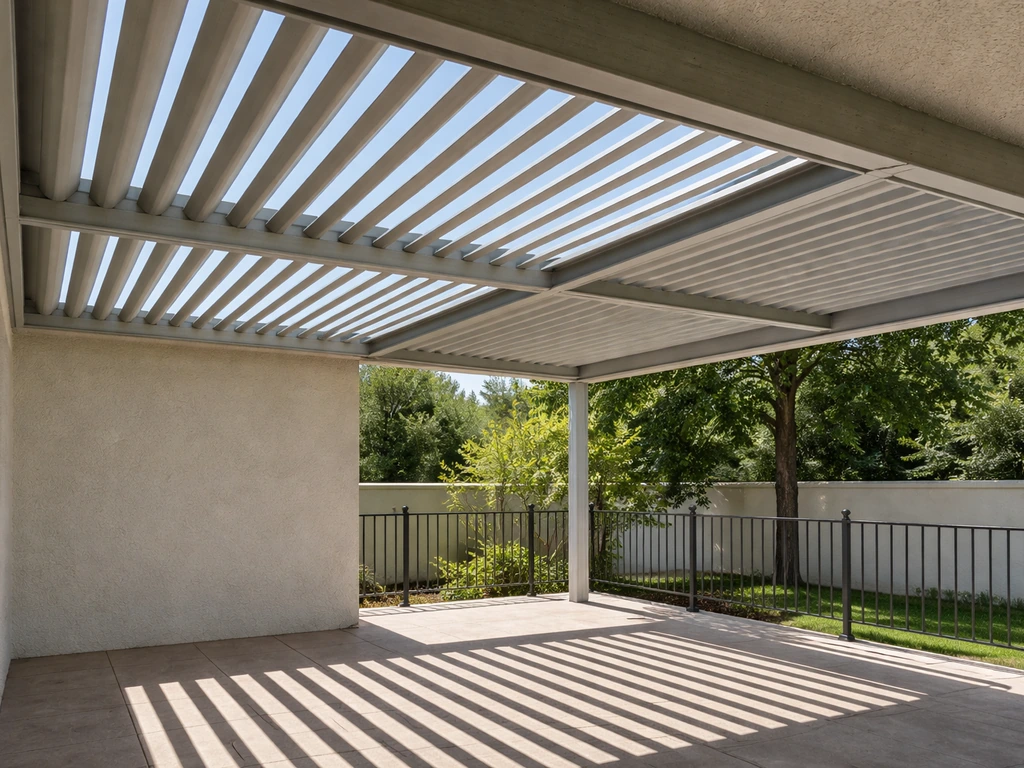
What Solara patio covers actually are (and how standard differs from adjustable)
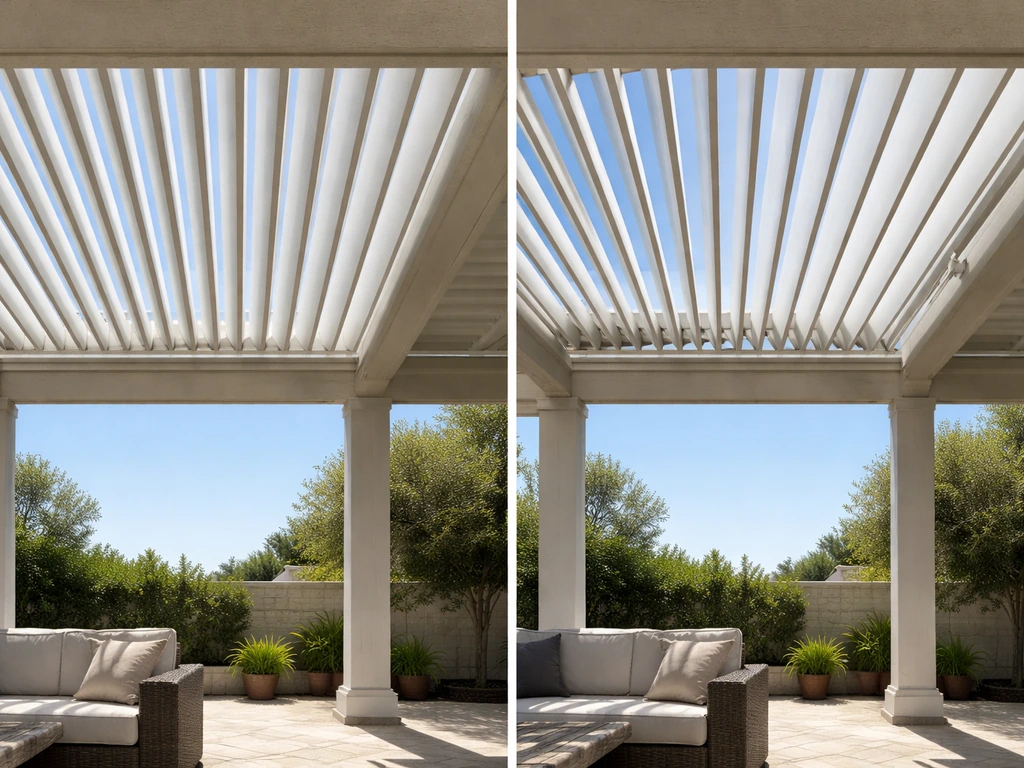
Solara makes louvered aluminum patio cover systems, and the big fork in their product line is standard versus adjustable. A standard louvered patio cover has fixed louvers set at a permanent angle. You get consistent shade and rain deflection, but the louver position never changes. These are simpler to install and less expensive.
The adjustable system is the one that gets the most attention in reviews. The louvers rotate, so you can tilt them to catch a breeze, close them flat when the afternoon sun is brutal, or open them fully to let in light on a cloudy day. Solara builds these with extruded aluminum posts, support beams, and rafters. The louver fabrication itself comes in two construction types: roll-formed and extruded, depending on the configuration you order. Operation can be manual (via a hand crank or rod mechanism) or motorized with a remote control and an optional smart app upgrade. That motorized option is a big selling point, but it also introduces components that have their own warranty timeline and represent the most common source of post-install complaints.
Layout-wise, Solara's adjustable system can be attached to the house with louvers running perpendicular or parallel to the home wall, or built as a freestanding structure entirely. The attached version uses a specific flashing detail (Solara calls it component F-1) where the cover meets the house, which is critical for waterproofing. The system also has engineering documentation built to IBC (International Building Code) standards, which means it's designed for permitting. That's important and worth noting before you talk to a local dealer.
What reviewers actually say: the real pros and cons
Reviews of Solara patio covers are spread across BBB, Houzz, and consumer complaint platforms, and they cluster into consistent themes. If you are trying to narrow it down, read sunniland patio reviews to compare common installation and support themes against Solara’s reported experience. The product quality feedback is generally positive when installation goes well. The service and support feedback is where things get rocky.
What people like
- Long-term durability: One BBB reviewer (Nanci M., April 2023) noted her cover was installed in 2013 and still looked great ten years later with routine cleaning. That's a real data point.
- Adjustable louver functionality: The ability to tilt louvers to grab a down breeze or close them when the sun is too intense is consistently cited as the standout feature. Reviewers who use this function regularly are generally satisfied.
- Aluminum construction: Extruded aluminum holds up better than vinyl or wood alternatives in heat, humidity, and UV exposure. No one in the reviews is complaining about the material itself rotting or warping.
- Engineering documentation: Having IBC-referenced engineering packages makes the permitting process more straightforward than with some competitors, which is a quiet but meaningful advantage.
- Motorized convenience: Buyers who get the motorized version working correctly appreciate the remote and app control, especially for covers over larger patios.
What people don't like
- Customer service response times: Multiple complaints describe waiting weeks, sometimes up to four weeks, for replies to basic email questions. One reviewer on RevDex specifically called out that the owner was frequently unavailable, with staff citing travel and out-of-country explanations.
- Post-install motor support: A complaint on a business directory platform described Solara shipping a replacement motherboard and remote with essentially no installation guidance, leaving the homeowner to figure it out alone.
- Low aggregate ratings on some platforms: The Houzz profile for Solara Adjustable Patio Cover shows a 1-out-of-5 average, and Solara Adjustable Patio Cover, LLC is not BBB accredited. Neither of those facts means the product is bad, but they do signal that when things go wrong, resolution has been inconsistent.
- Alignment sensitivity: Reviewers and the company's own installation documentation both flag that correct alignment during installation is critical for long-term operation. Covers that are slightly off during install tend to cause louver operation problems down the road.
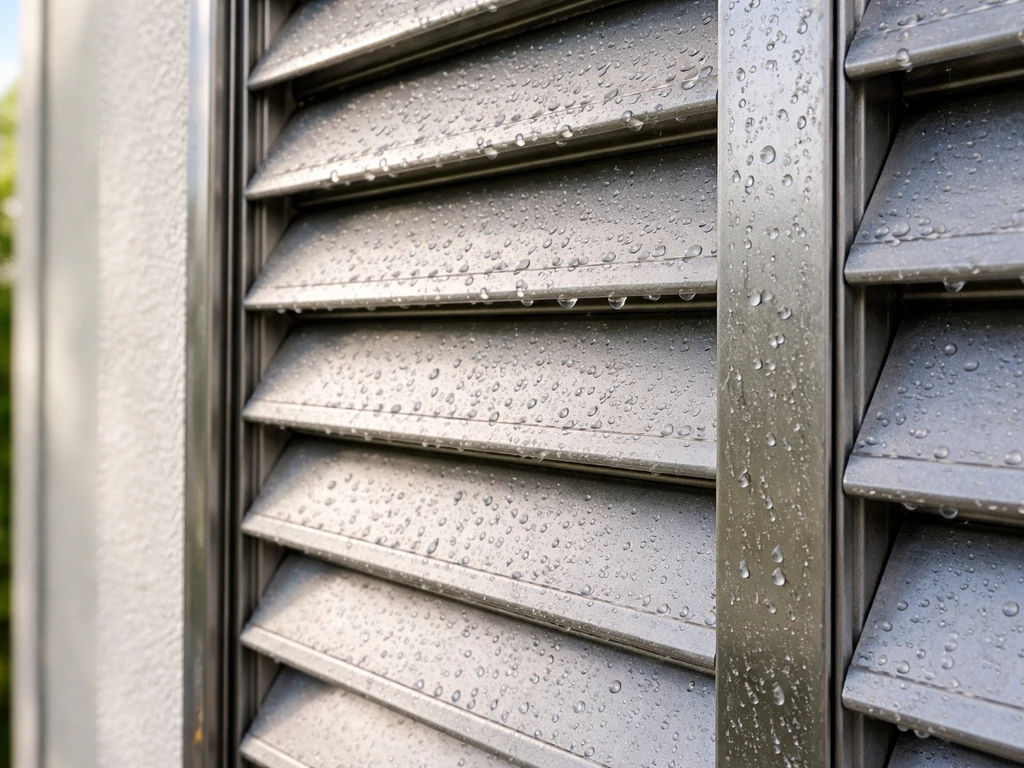
- Water behavior on adjustable louvers: Louvered roofs by design can allow some water to pass between louvers depending on angle and rainfall intensity. This is not unique to Solara, but it catches some buyers off guard if they expect a solid waterproof ceiling.
The installation experience: timelines, permits, and workmanship
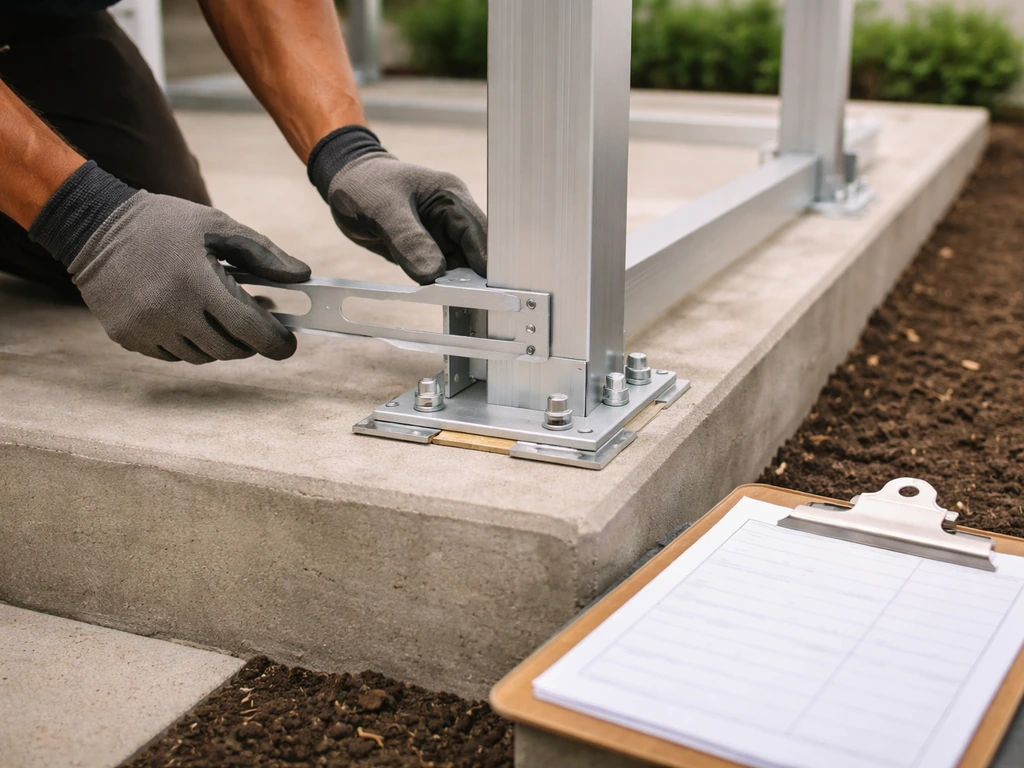
Solara's system is sold and installed through authorized dealers, and that dealer relationship shapes virtually everything about your installation experience. The product comes with detailed installation instructions that specify setup geometry (including a standard 12-inch rafter overhang in their example layouts), leveling requirements, and precise steps for connecting shafts and brackets in the correct alignment sequence. These aren't simple instructions, and they reward an experienced installer.
Permit handling is a real consideration. Solara provides engineering packages referenced to IBC, which gives local dealers the documentation they need to pull permits in most jurisdictions. However, the actual permitting timeline depends entirely on your local building department. In slower markets or areas with backlogged permit offices, this can add weeks to the project. Ask your dealer specifically: who pulls the permit, how long they estimate it will take in your county, and whether they handle the inspection scheduling.
Workmanship complaints in the reviews tend to tie directly back to alignment. The adjustable louver mechanism relies on precise internal shaft and bracket connections. If those aren't set up correctly during installation, you'll notice it within the first year when the louvers start sticking, operating unevenly, or causing stress on the motor. The best installers do a full operational test before they leave and walk you through how to maintain the system. If a crew rushes through that final step, push back.
Cleanup and site condition after installation aren't heavily documented in reviews, but this is worth asking about upfront with any dealer. Aluminum cover installations generate cut material and packaging waste. A quick question about what they haul away versus leave behind tells you a lot about how a contractor operates overall.
How it performs in real weather: sun, rain, wind, and years of use
The shade control on the adjustable system is its strongest real-world selling point. Being able to rotate louvers as the sun moves through the day, or close them fully during peak afternoon heat, gives you flexibility that a fixed patio roof or pergola can't match. Reviewers in warm, sunny climates particularly value this, and it's a meaningful difference from a standard louvered cover.
Rain performance is more nuanced. When louvers are fully closed, you get significant rain protection, but not the same sealed coverage as a solid patio roof. At certain angles or in heavy, wind-driven rain, water can find its way between louvers. A louvered-roof design guide also notes that water may make its way between louvers depending on louver geometry, angle, and overall design water can find its way between louvers. This is a physics reality of louvered roof design in general, not a defect specific to Solara. If complete rain exclusion matters to you (for example, if you're putting outdoor electronics or upholstered furniture under the cover), factor that into your decision or plan your furniture placement accordingly.
Wind tolerance depends on your specific engineering package and how the structure was attached and anchored. Solara's warranty explicitly excludes damage from windstorms, hail, tornadoes, and hurricanes, so if you're in a high-wind region like coastal Florida, the Texas Gulf Coast, or tornado-prone plains states, ask for the specific wind load rating on your engineering package and compare it to your local design wind speed. Don't just take a dealer's word that it's fine.
On long-term durability, the ten-year-old cover still looking good in that 2023 BBB review is encouraging. Extruded aluminum is genuinely durable in most climates, but Solara's warranty specifically notes that normal weathering, fading, chalking, corrosion from chemical fumes or salt, and fire or lightning damage are excluded. If you're near the ocean, that salt exclusion matters. Powder-coat finish quality on aluminum can vary by production batch and coating supplier, so ask your dealer about their finish warranty specifically.
Warranty, service, and parts: what's covered and what isn't
Solara's warranty structure is actually one of the stronger aspects of the product on paper. Understanding the tiers before you buy helps you set realistic expectations.
| Component | Coverage | Key Conditions |
|---|---|---|
| Posts, support beams, perforated beams | Lifetime limited warranty | Must be installed by authorized dealer per engineering package and local code |
| Louvers (operation-affecting defects) | 10-year limited warranty | Louver troughs must be kept clear of debris; normal fading/weathering excluded |
| Manual opening system (pins, brackets, flashing, shafts, springs, fiberglass) | 15-year limited warranty | Manual system must be operated to full open at least twice per month |
| Motor, motherboard, transformer, remote control | 5 years full, then prorated 10% per year through year 15 | Electrical damage, improper use, and weathering excluded |
Two maintenance requirements buried in the warranty terms are worth calling out because violating either one can void coverage. First, louver troughs need to be kept clean of leaves, rocks, and debris. Second, if you have a manual opening system, you must operate it to the fully open position at least twice a month. That second one surprises a lot of buyers. If you're away for the winter or just don't use the cover much in certain seasons, that bi-monthly operation requirement could become an issue.
The warranty claims process has some friction built in. You must submit written notice within 30 days of discovering a defect, and the notice needs to include a detailed description, installation date, address, installer name and address, and a copy of your invoice. Once you submit, Solara has up to 120 days to remedy the issue through repair, replacement, or refund of the defective part. Labor costs for removal and reinstallation are not covered. Given the customer service complaints about slow response times elsewhere in the reviews, starting that 30-day clock and documenting everything in writing from the start is essential.
The motor and electrical components are where post-install support has been weakest based on the reviews. If you’re trying to understand what to expect, sunvue patio reviews often highlight where motor support and troubleshooting can get frustrating. The five-year full warranty is reasonable for motorized equipment, but the real-world experience described by at least one reviewer, receiving a motherboard and remote in a box with minimal support, suggests that Solara's direct technical assistance for troubleshooting can fall short. Make sure your local dealer, not just Solara corporate, is prepared to support you on electrical issues.
Choosing the right Solara option for your patio and climate
The standard versus adjustable decision comes down to how you actually use your outdoor space and what weather you're managing. If your primary concern is blocking a fixed western sun exposure and you don't need ventilation control, a standard louvered cover is simpler, less expensive, and has fewer mechanical parts to maintain. If you want to genuinely customize your outdoor environment throughout the day and season, the adjustable system earns its price premium.
Within the adjustable line, the manual system is mechanically simpler and the 15-year warranty on those components reflects that durability. The motorized option adds real convenience, especially for larger covers where manual operation is awkward, but the 5-year motor warranty and the real-world support complaints mean you should factor in the likelihood of eventually troubleshooting or replacing electrical components yourself or through your dealer.
Climate-specific guidance: in hot, dry climates like Arizona or Nevada, the adjustable louver system excels because you can maximize shade in summer and open for warmth in winter. In humid Southern climates like Florida or the Gulf Coast, focus on the salt and corrosion exclusions in the warranty and ask specifically about the coating used on your system. In the Pacific Northwest, where rain is the primary issue, understand the rain-through-louvers limitation before committing. In the Midwest or Northeast, ask about the snow load rating in your engineering package if you get significant winter accumulation.
Layout also matters. If your patio has an unusual shape or a non-standard roof line attachment point, that flashing detail at the wall connection becomes more complex. Make sure your dealer has done similar configurations before and can show you photos of comparable installs in your area. The layout options (perpendicular, parallel, or freestanding) give real flexibility, but each has different structural requirements.
If you're comparing Solara to other louvered and adjustable patio cover systems, it helps to look at how similar products from other regional and national brands fare in your market. Dealers in your area who carry multiple product lines can sometimes offer useful side-by-side comparisons, and reading through experiences with other patio cover specialists can sharpen what questions to ask about any system.
Before you sign: questions to ask and red flags to watch for
Use this checklist before you commit to a dealer or sign any contract. The goal is to separate dealers who will be genuinely helpful through the full project from those who are great at the sale and less reliable afterward.
- Are you an authorized Solara dealer? (Warranty coverage is conditioned on authorized installation, so this is non-negotiable.)
- Can you show me the engineering package that will be used for my specific installation, including the wind and snow load ratings for my area?
- Who pulls the permit, and how long does it typically take in my county? Will you schedule and attend the inspection?
- Do you have photos or references from similar installations in my area, specifically with the same louver configuration I'm ordering?
- What is your process if I have a problem with the motor or louver operation in year two or three? Do you handle that directly or do I deal with Solara corporate?
- Walk me through the post-installation walkthrough. Will you demonstrate full operation and leave me with the maintenance schedule?
- What is your typical timeline from signed contract to completed installation, and what causes delays in your experience?
- What does the quote include, and what is explicitly excluded? (Labor for any warranty repairs, permit fees, and haul-away are common add-ons.)
Red flags to take seriously
- A dealer who can't or won't provide the engineering package before you sign. That document is what makes permitting and warranty work.
- No local references for completed Solara installs. Louvered adjustable covers are more complex than basic patio structures; you want someone who has done them before.
- Vague answers about post-install support for the motor or electrical components. Given the documented complaints about Solara's direct support responsiveness, your dealer is your real safety net.
- Pressure to skip the permit process. The warranty is conditioned on proper installation to local code. An unpermitted install could void your coverage entirely.
- A contract that doesn't specify the exact louver configuration, color, and operational system you discussed. Vague contracts lead to disputes.
- No written documentation of the warranty terms or a dealer who says the warranty is handled differently than Solara's published terms describe.
- Extremely short installation timelines that don't allow for permitting. This usually means someone planning to skip the permit step.
- No mention of the maintenance requirements (debris clearing, bi-monthly operation) during the sales process. A dealer who doesn't tell you about those warranty conditions before you buy isn't giving you the full picture.
The bottom line on Solara patio covers is that the product has real merit, especially the adjustable system, and verified reviews show it can hold up for a decade or more with proper care. If you want a quick reality check, browse sunny screen and patio reviews to see how the adjustable covers perform in everyday use verified reviews. The risks cluster around customer service responsiveness and the quality of the local dealer you choose. Spend as much time vetting your installer as you do evaluating the product itself, and you'll be in a much stronger position from day one.
FAQ
How do I tell if a standard versus adjustable Solara patio cover will actually meet my needs for sun and privacy?
Adjustable louvers improve shade angle control, but privacy is also affected by open or tilted louver position. Before choosing, ask your dealer what the Louvers look like at typical “midday open” and “fully closed” angles, and confirm whether you plan to keep them partially open most days. If you want near-constant privacy, you may prefer a standard setup or you may need to plan privacy screens or curtains for times when louvers are tilted.
What’s the biggest installation mistake that causes early louver sticking or uneven operation?
Most early sticking issues come from misalignment of internal shafts and bracket connections during install, followed by skipping a full operational test. Ask the installer to demonstrate smooth movement through the full range (including stops) before they leave, and confirm whether they perform any lubrication or alignment fine-tuning during commissioning. If they only do a brief test or skip the walk-through, treat it as a red flag.
Do I need to worry about rain getting through even when the louvers are closed?
Yes, especially in wind-driven storms or at certain louver angles. The key question is not whether rain can penetrate in theory, it’s whether your specific storm exposure will reach the level where water matters for your items. If you store electronics, cushions, or wood furniture under the cover, plan placement so the most sensitive items sit farther inside from the drip paths, or consider additional weather protection.
How can I confirm the wind resistance is appropriate for my location before ordering?
Request the specific wind load rating and the engineering package calculations for your exact configuration, then compare that to your local design wind speed. Also ask how the system is anchored to your foundation (not just what the warranty says), because attachment and anchoring details often determine real-world performance as much as the rating. If a dealer cannot provide the rating details in writing, that’s a practical reason to pause.
What should I ask about permitting, beyond “who pulls the permit”?
Ask for the timeline split between permit submission, plan review, inspection scheduling, and the expected on-site inspection date. Some delays come from resubmissions or missing documentation, so confirm whether the installer submits the IBC engineering package exactly as required by your county. If your area commonly backlogs inspections, you want a plan for how the crew handles delays so they do not rush the install.
How do I avoid voiding warranty coverage related to maintenance and operating the manual system?
If you have the manual version, the warranty requires operating the louvers fully open at least twice per month, even if you are away or not using the space. A common mistake is treating that as seasonal or optional maintenance. If your schedule makes that hard, consider motorized operation and ask whether routine use patterns still satisfy the maintenance expectation. Also ask whether there is any recommended cleaning method for louver troughs to avoid damaging finishes.
What documents should I collect before installation in case I need to file a warranty claim later?
Keep your invoice, the installation date, the installer company name and address, and any product configuration sheets. During install, take photos of key connection areas and the flashing detail at the house interface, since those are often central to troubleshooting. Since written notice must be submitted within 30 days of discovering a defect, having these documents ready reduces delays and “missing info” back-and-forth.
Does the warranty cover labor for removal and reinstallation if a motor or electrical part fails?
Typically, labor for removal and reinstallation is not covered, even when the defective part is handled under warranty terms. That means you should ask your dealer what their in-person troubleshooting process looks like and what you would likely pay if the issue requires multiple service visits. For motorized systems, confirm who bears the cost for labor and travel so you can budget for worst-case support scenarios.
How do I evaluate motorized support quality if reviews mention slow or limited troubleshooting help?
Ask your authorized dealer what their standard troubleshooting steps are for motor and control board issues, and who provides technical support when they escalate. Specifically ask whether they can diagnose issues without shipping parts immediately, and what the turnaround time usually is for replacements. If the dealer relies mainly on you contacting the manufacturer, treat that as a risk for downtime.
If I’m near the ocean, what should I ask about corrosion and finish protection?
Ask the dealer about the finish warranty and the coating system used, because salt exposure can accelerate corrosion and can be excluded under normal weathering or chemical exposure terms. Also ask whether the system has any additional protective steps for hardware or fasteners, not just the louver surfaces. If you cannot get clear coating details in writing, factor that uncertainty into your decision.
How do layout choices like perpendicular versus parallel louver orientation affect real-world results?
The orientation can change how shade patterns and airflow behave across your patio, and it may influence how water and debris behave near the wall connection. Ask to see examples in your area for perpendicular and parallel setups and confirm which flashing detail or wall connection approach is used for your configuration. For unusual shapes, insist on photos of comparable installs rather than generic showroom models.
What questions should I ask before signing to vet whether a dealer is reliable beyond the sale?
Ask who is responsible for permitting, inspection scheduling, final operational testing, and cleanup. Then ask the dealer how they handle punch-list items if issues show up within the first 30 to 90 days, and whether they provide a maintenance checklist in writing. Finally, verify the contract includes clear timelines and responsibilities for motor-related service visits, not just product warranty terms.
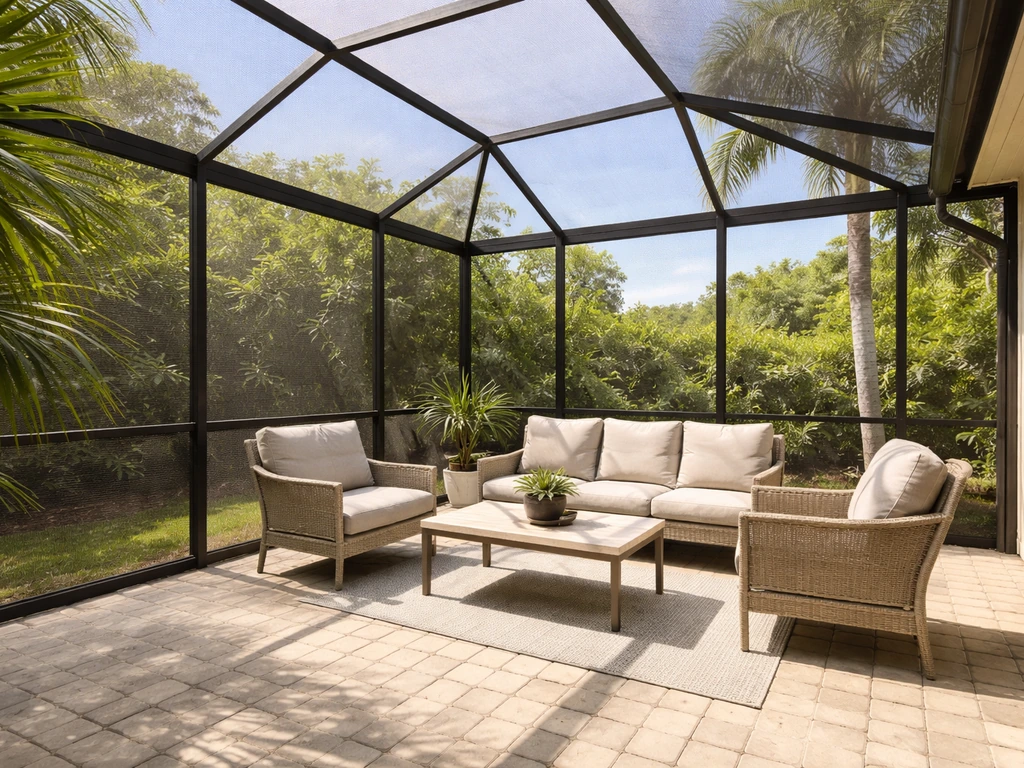
Sunny screen and patio reviews guide: verify contractor fit by workmanship, scheduling, pricing, permits, and dispute hi
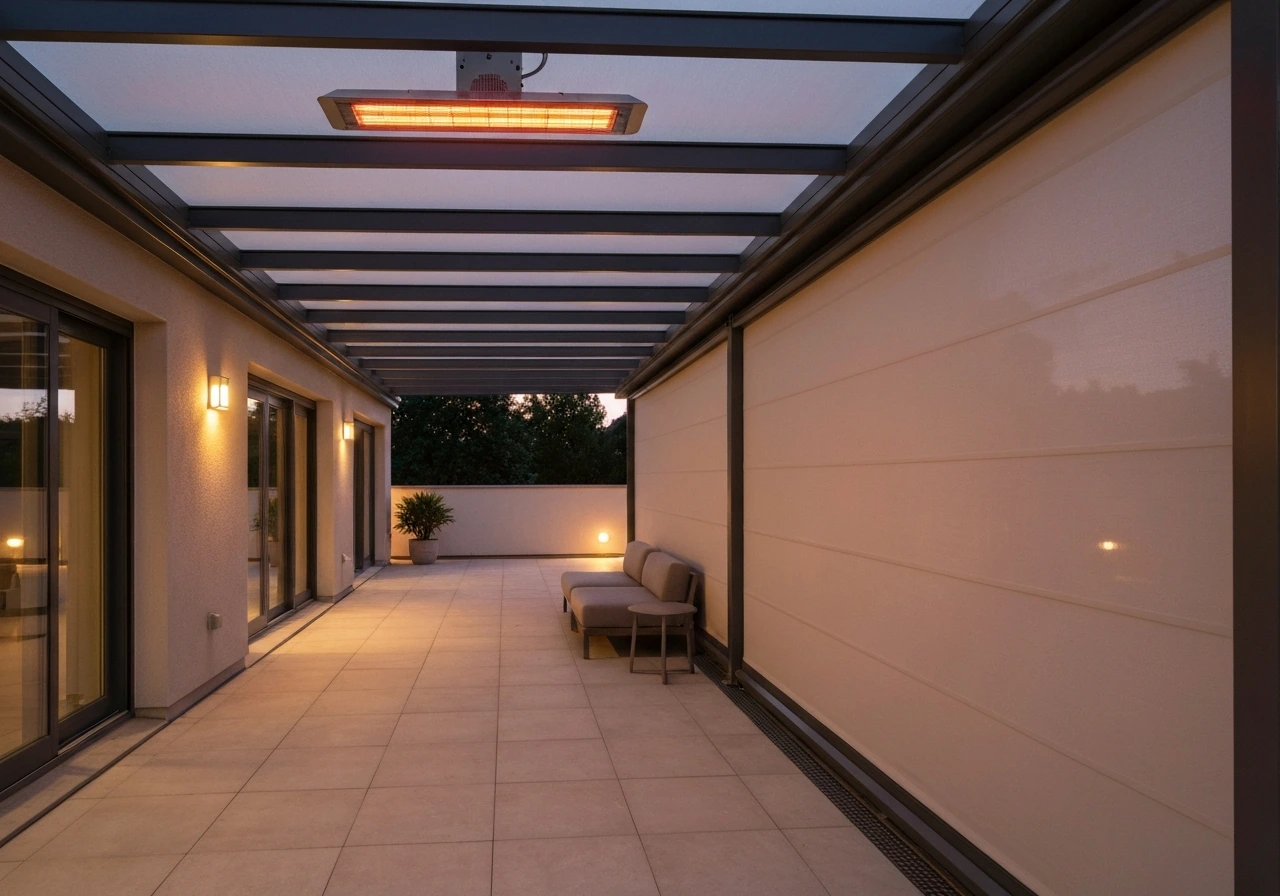
Practical patio heat and shade reviews guide to pick the right heater and shade, place them safely, and compare contract
Learn how to trust Ohio custom pool and patio reviews, spot red flags, shortlist pros, and request accurate bids.