
Tampa patio enclosure contractors range from highly rated, permit-savvy specialists to outfits that disappear after the deposit clears. Based on verified reviews aggregated across BBB, Angi, HomeAdvisor, and BuildZoom, the best-reviewed Tampa-area companies score consistently on three things: clean permitting records, hurricane-rated materials with documented Florida Product Approvals, and a project manager who actually answers the phone. HomeAdvisor (Angi company), contractor profiles & verified customer reviews (national platform) maintains verified‑customer review pages and installation‑project listings for Tampa screen/enclosure/sunroom contractors, which Pool And Patio Reviews commonly cites for date‑stamped photos, verified flags, and contractor responses HomeAdvisor (Angi company) — contractor profiles & verified customer reviews (national platform). This guide pulls together what real reviewers are saying, what the local building code actually requires, what you should expect to pay in 2026, and how to avoid the contractors who keep showing up in complaint threads.
Patio Enclosures Tampa Reviews: Local Guide, Hiring Checklist

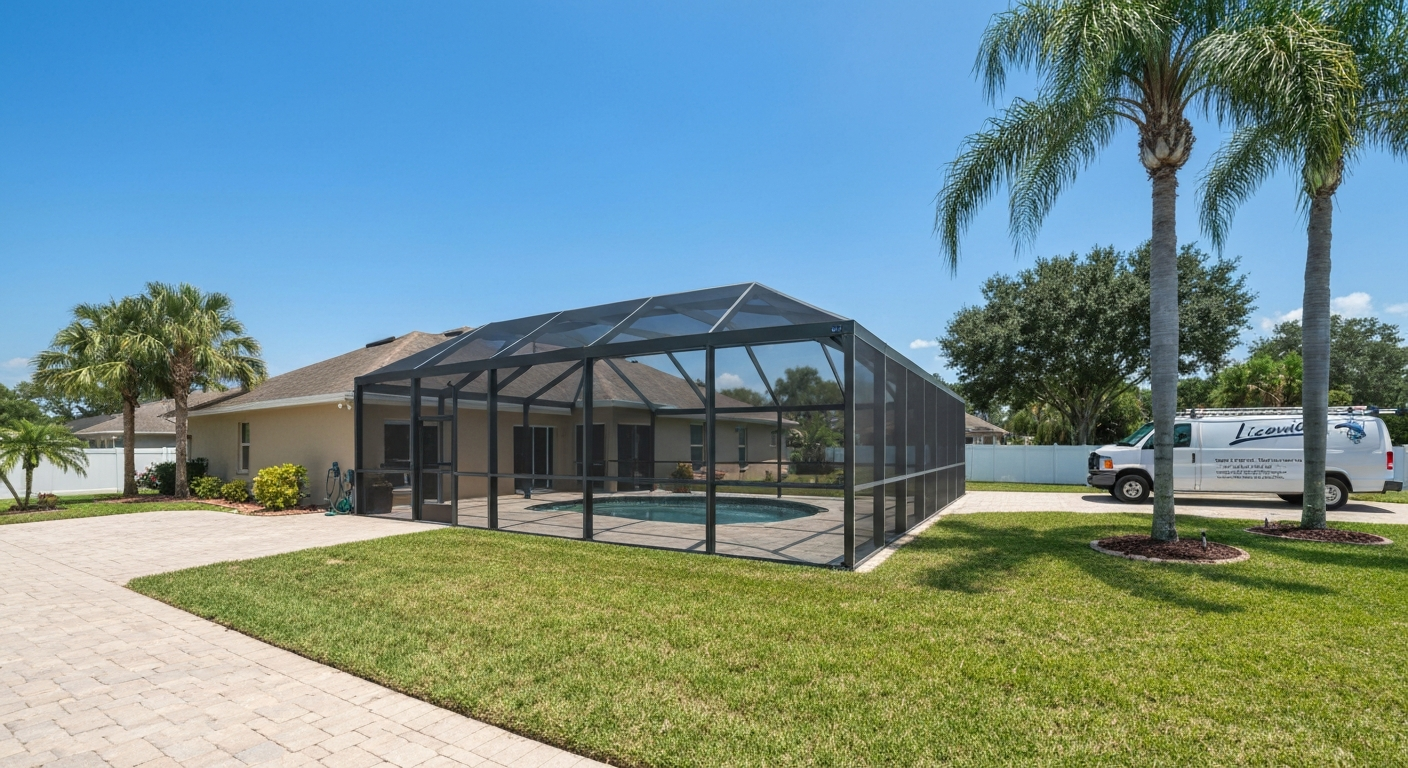
What this Tampa patio enclosures review guide covers
Pool And Patio Reviews aggregates and organizes verified customer reviews for patio-enclosure contractors across North America, including a growing library of Tampa and Hillsborough County profiles. This guide synthesizes those reviews alongside local permitting rules, material comparisons, and cost benchmarks so you can walk into a contractor conversation already knowing what questions to ask. You will find a rating summary, a breakdown of common praises and complaints, a materials comparison, a cost and timeline table, a step-by-step hiring checklist, and instructions for submitting your own verified review once your project is done. If you are also researching markets like Atlanta or San Antonio, the regional pages for patio enclosures in those cities use the same framework and are worth bookmarking for comparison.
At-a-glance: what verified Tampa reviewers are saying
Cross-platform review data for Tampa-area patio and screen-enclosure contractors paints a mixed picture. Standout firms like Harper Screen Enclosures (Riverview/Tampa area) carry an A+ BBB accreditation and a 5.0 on HomeAdvisor, which is a genuinely rare combination. Most mid-tier contractors land in the 3.8 to 4.4 range on Angi and Google when you combine all reviews, not just the recent ones. The aggregate pattern from verified purchase flags and photo-backed reviews points to a few recurring themes.
- Installation quality and craftsmanship get the most five-star mentions when the crew is an in-house team rather than a subcontracted one
- Communication and scheduling reliability are the top sources of three-star and lower reviews across nearly every Tampa contractor profile we track
- Permit handling splits reviewers sharply: homeowners who were walked through the process give higher scores; those who pulled permits themselves after the fact are often the angriest
- Post-installation warranty response is the single biggest predictor of whether a five-star review turns into a one-star update six months later
- Price transparency at the quote stage correlates strongly with overall satisfaction scores
Pool And Patio Reviews recommends treating Google star averages as a volume signal rather than a quality verdict. A contractor with 200 Google reviews averaging 4.2 stars needs a closer look at the most recent 20, the one-star reviews specifically, and whether the contractor responded to complaints. BBB complaint history and resolution records add context that star ratings simply cannot provide.
What Tampa homeowners consistently praise
Pulling verified reviews with photo attachments and confirmed project timelines, here is what shows up repeatedly in the positive columns for well-rated Tampa enclosure contractors.
- Crew professionalism and site cleanliness: reviewers frequently call out crews that showed up on time, protected landscaping, and left the yard cleaner than they found it
- Knowledgeable sales consultants who explained Florida Product Approval numbers and design-pressure ratings without being pushed
- Accurate permit handling: contractors who pulled all required permits through the City of Tampa's Accela portal or Hillsborough County Development Services without asking homeowners to manage it themselves
- Aluminum framing quality: reviewers on completed pool cage and screen-porch projects specifically praise heavy-gauge aluminum that didn't flex or rattle after the first summer storm
- Warranty follow-through: top-rated contractors honored screen replacement and frame adjustment calls within the stated timeframe without argument
- Detailed written quotes that broke out material costs, labor, permit fees, and contingencies separately
What Tampa homeowners complain about
Negative verified reviews for Tampa enclosure contractors cluster around a predictable set of pain points. These are not one-off complaints; they recur across multiple contractor profiles and multiple platforms, which is exactly why they are worth flagging here.
- Scheduling delays after deposit: the gap between signed contract and crew-on-site is the most common complaint trigger, with some reviewers reporting waits of 10 to 18 weeks beyond the originally quoted start date
- Subcontractor surprises: homeowners who expected the sales team's crew to show up instead got a different company with no introduction or handoff documentation
- Permit problems passed to the homeowner: several Tampa-area reviewers describe being told mid-project to call the county themselves because the contractor 'doesn't handle Hillsborough unincorporated' or similar deflections
- Screen quality on lower-bid jobs: mesh that sagged, puckered, or tore within a single storm season on budget-tier projects
- Unanswered warranty calls: contractors who scored well on installation reviews but racked up one-star updates when a repair request went unanswered for months
- Vague contracts: reviewers who accepted a one-page quote instead of a full scope-of-work document were more likely to face change-order disputes
- No Florida Product Approval documentation provided at completion: some homeowners discovered during insurance renewals that the installed product lacked verifiable FPA numbers
Materials and design options: screened porches, aluminum enclosures, and glass sunrooms
Tampa's climate, which combines brutal UV exposure, humidity that rarely drops below 60 percent, and a genuine hurricane threat from June through November, narrows the practical material choices faster than most homeowners expect. Here is how the three main enclosure types play out in Florida conditions.
Screened porches and pool cages
Aluminum-framed screen enclosures are by far the most common choice in Tampa and for good reason. They maximize airflow, keep out insects and debris, and when built to Florida wind-load specs, hold up through most tropical storm conditions. The Florida Building Code classifies most screen enclosures as non-habitable, which affects both the permitting path and the structural requirements. Typical screen mesh options include standard fiberglass (least expensive, replaced most often), no-see-um mesh (tighter weave, better insect barrier, slightly reduced airflow), and heavy-duty polyester or PVC-coated mesh for high-wind zones. Maintenance is straightforward: pressure washing once or twice a year and screen replacement every 7 to 15 years depending on mesh grade and storm exposure.
Aluminum frame and panel enclosures
For homeowners who want more weather protection than a screen but are not ready for a full glass sunroom, aluminum-panel enclosures with acrylic or polycarbonate inserts split the difference. They block rain and wind while still being lighter and less expensive than glass. The downside is condensation management: acrylic panels trap more heat and moisture than glass, which matters a lot in a Tampa summer. Top-rated reviewers of aluminum enclosures emphasize asking for the specific Florida Product Approval (FPA) number and design-pressure rating before signing anything. A legitimate contractor will have that documentation ready without you asking twice.
Glass sunrooms (three-season and four-season)
Glass sunrooms are the premium tier and the most review-polarized category in Tampa. When done right, with impact-rated laminated glass or tempered insulated units carrying verified FPA numbers, they are genuinely transformative. When done wrong, they become expensive greenhouses that require constant AC and spring leaks at the frame joints within a few years. The Florida Building Code distinguishes between Category I (thermally isolated, not heated or cooled) and Category II (connected to the home's HVAC) sunrooms, and that distinction affects both permitting complexity and long-term energy costs. Four-season sunrooms intended to be climate-controlled year-round sit in a different permitting and engineering lane than a three-season screen-and-glass hybrid.
| Enclosure Type | Typical Lifespan | Storm Rating Available | Maintenance Level | Best For |
|---|---|---|---|---|
| Screened porch / pool cage | 15-30 years (frame); 7-15 years (screen) | Yes, with FBC-compliant framing | Low (annual wash, periodic rescreen) | Insect control, airflow, budget-conscious |
| Aluminum panel enclosure | 20-30 years | Yes, product-approval dependent | Low-medium (seal checks, panel cleaning) | Rain/wind protection without full HVAC |
| Three-season glass sunroom | 25-40 years | Yes, with impact-rated glass | Medium (seal integrity, condensation management) | Year-round use in mild weather |
| Four-season glass sunroom | 25-40+ years | Yes, engineered required | Medium-high (HVAC integration, thermal sealing) | Full climate-controlled living space |
Hurricane resilience, permitting, and Florida building-code realities
This is the section Tampa homeowners most often skip and then regret. Florida's building-code framework is not optional or negotiable, and it directly affects whether your enclosure survives a hurricane, whether your homeowner's insurance will pay a claim, and whether the structure can be sold with the house without triggering a code-compliance dispute at closing.
Who issues your permit depends on your address
If your property falls inside Tampa city limits, permits are issued through the City of Tampa's Accela Citizen Access online portal, which is the official construction-services system for permit applications and status tracking. If you are in unincorporated Hillsborough County, you work through Hillsborough County Development Services, which publishes its own submittal instructions, fee schedules, and permit office locations. This distinction trips up a lot of contractors and homeowners alike. A contractor who tells you the permit process is the same everywhere in the Tampa metro is either cutting corners or does not know the market well enough to hire.
Florida Product Approval and what it actually means
Statewide Florida Product Approval (FPA) is administered through the Florida Building Commission's searchable database at floridabuilding.org. Every FPA certificate includes the product's design pressures, installation limitations, and approved documentation. When a contractor quotes you an aluminum enclosure or glass system, ask for the FPA number. Look it up yourself. It takes about three minutes and tells you exactly what wind loads the product is rated for and under what installation conditions. If the contractor cannot produce an FPA number for a fenestration or structural component, that is a red flag, not a paperwork formality.
Miami-Dade NOAs and when they apply
Miami-Dade County's Notice of Acceptance (NOA) program applies specifically to the High Velocity Hurricane Zone (HVHZ), which covers Miami-Dade and Broward counties. Tampa is not in the HVHZ, so NOAs are not automatically required for every product used here. However, some contractors and product manufacturers hold both an FPA and a Miami-Dade NOA, and an NOA can actually be a useful secondary signal that a product has been tested to extremely rigorous standards. If a Tampa contractor mentions NOA compliance, it is worth understanding whether they mean the product holds one or whether they are confusing Miami-Dade requirements with Tampa requirements.
Verifying your contractor's license
Florida contractor licensing is managed through DBPR (Department of Business and Professional Regulation) and the Construction Industry Licensing Board (CILB). The MyFloridaLicense portal's 'Verify a Licensee' tool lets you confirm a contractor's license type, current status, and expiration date in about 30 seconds. Under Florida Statute 489.115, active license holders must maintain proof of financial responsibility and minimum liability and property-damage insurance. For construction employers with W-2 employees, Florida law also requires workers' compensation coverage unless a valid exemption is on file with the Division of Workers' Compensation. Florida construction employers with employees must maintain workers' compensation coverage unless a valid, filed exemption applies; contractors and hiring contractors must verify subcontractors' coverage (Florida Division of Workers' Compensation, Employer / Exemption information (MyFloridaCFO)) Florida Division of Workers' Compensation — Employer / Exemption information (MyFloridaCFO). Ask for the license number before you sign anything, verify it yourself, and ask to see the certificate of insurance and workers' comp documentation. Every legitimate Tampa contractor will hand these over without drama.
Typical Tampa costs and financing options
Cost ranges for patio enclosures in Tampa have risen meaningfully since 2022 due to aluminum and glass material costs and labor tightening. Based on current market data for 2025-2026, here is what you should realistically budget.
- Pool cage rescreen (existing frame): $1,500 to $6,000 depending on cage size and mesh grade
- New screen enclosure or pool cage: $5,000 to $25,000 for most residential footprints; larger or custom designs push higher
- New screened porch addition: $10,000 to $35,000 for a basic-to-mid-range build with concrete floor and aluminum framing
- Three-season glass or acrylic sunroom: $20,000 to $50,000 depending on size, glazing type, and foundation work
- Four-season fully conditioned glass sunroom: $35,000 to $150,000 or more for a large, architect-designed addition with HVAC integration
- Permit fees in Tampa and Hillsborough County typically run $300 to $1,500 for a standard enclosure project, depending on project value and scope
Financing options vary by contractor. Some of the larger Tampa-area enclosure companies offer in-house financing or partner with third-party lenders like GreenSky or Synchrony Home. Home equity lines of credit (HELOCs) remain a popular option for projects above $20,000, and several reviewers on Pool And Patio Reviews specifically mentioned using a HELOC to fund a glass sunroom because the interest rates were more favorable than the contractor's financing offer. Whatever financing route you choose, make sure the total project cost including permits, inspections, and any site-prep work is reflected in the financed amount. Reviewers who financed only the base quote and paid for overruns out of pocket reported much higher stress levels through the project.
Sample cost and timeline estimates by enclosure type
| Project Type | Estimated Cost Range | Design/Quote Phase | Permit Phase | Installation Phase | Total Typical Timeline |
|---|---|---|---|---|---|
| Pool cage rescreen | $1,500 – $6,000 | 1-3 days | None or simple notification | 1-3 days | 1-2 weeks total |
| New residential pool cage | $8,000 – $25,000 | 1-2 weeks | 2-6 weeks (city/county) | 3-7 days | 6-12 weeks start to finish |
| Screened porch addition | $10,000 – $35,000 | 1-2 weeks | 3-8 weeks | 5-14 days | 8-16 weeks start to finish |
| Three-season sunroom | $20,000 – $50,000 | 2-4 weeks | 4-10 weeks | 2-4 weeks | 10-20 weeks start to finish |
| Four-season glass sunroom | $35,000 – $150,000+ | 3-6 weeks | 6-14 weeks (engineering review) | 4-10 weeks | 16-32 weeks start to finish |
These timelines assume no major site complications, no variance requests, and a contractor who submits permit documents correctly the first time. Reviewers who experienced the longest delays almost universally traced them back to incomplete permit submittals, not inspector scheduling. A contractor who submits a complete, properly engineered permit package will almost always move faster than one who submits quickly but incorrectly.
How to evaluate whether a Tampa enclosure review is credible
Not all reviews are worth equal weight. Here is the framework I use when reading Tampa contractor reviews on any platform.
- Check the date: reviews older than three years may not reflect the current crew, ownership, or quality standards of the business
- Look for verified purchase or verified project flags on Angi and HomeAdvisor profiles; these indicate the reviewer was a paying customer
- Photo-backed reviews carry more weight than text-only ones because they confirm a project actually happened
- Read contractor responses to negative reviews: a professional, solution-focused response is a good signal; a defensive or dismissive one is a warning
- Look for pattern consistency: one bad review might be an outlier; five reviews all mentioning scheduling delays or permit problems is a pattern
- Cross-check the BBB profile: a complaint that was filed, ignored, and closed as unresolved tells a very different story than one that was resolved to the customer's satisfaction
- Use Google reviews as a volume gauge, not a quality verdict; a 4.1 with 300 reviews deserves more scrutiny on the negatives than a 4.7 with 12 reviews
Step-by-step hiring checklist for Tampa homeowners
- Verify the contractor's state license on MyFloridaLicense (DBPR Verify a Licensee) before the first meeting
- Confirm the license type covers patio enclosures or general contracting in Florida and that it is currently active
- Ask for a certificate of liability insurance and workers' compensation documentation; verify them independently if possible
- Request the specific Florida Product Approval (FPA) number for every major structural or glazing component they plan to use
- Confirm who pulls the permit: city of Tampa via Accela or Hillsborough County Development Services, and ask to be copied on submittal confirmation
- Ask for a detailed written scope of work that itemizes materials, labor, permit fees, and any site-prep costs separately
- Check BBB complaint history and resolution records, not just the letter grade
- Read the 10 most recent Angi and HomeAdvisor reviews, paying equal attention to three-star and lower reviews
- Ask for two or three references from projects completed in the last 18 months in your county (city or unincorporated)
- Clarify the warranty terms in writing: what is covered, for how long, and what the response-time commitment is for warranty calls
- Do not pay more than 10 to 30 percent upfront; draw schedules tied to project milestones are standard and protect both parties
Red flags Tampa reviewers have flagged repeatedly
- Contractor cannot produce a license number or deflects the request
- Quote is a single-line number with no material or labor breakdown
- Contractor asks you to pull your own permits or suggests skipping them entirely
- No mention of Florida Product Approval or design-pressure ratings on any proposed materials
- Large upfront deposit requirement (50 percent or more) before permit is even submitted
- Sales rep promises a start date that is not written into the contract
- No written warranty documentation provided at contract signing
- Google reviews have a suspicious cluster of five-star ratings posted within a short window (often a sign of solicited reviews following a complaint surge)
- Contractor dismisses your questions about hurricane ratings as unnecessary for Tampa
How Tampa compares to other markets we cover
If you are relocating, comparing contractor markets, or just curious whether Tampa's pricing and permit complexity is typical, Pool And Patio Reviews covers comparable deep-dives for other cities. For a Texas perspective, see patio enclosures San Antonio reviews to compare pricing, permitting, and contractor reputations across markets. For Cincinnati-specific ratings and verified contractor reviews, see patio enclosures Cincinnati reviews. The patio enclosures Atlanta and patio enclosures San Antonio review guides use the same verified-review aggregation methodology and are useful reference points: Atlanta's permit process through Fulton County and Georgia's state licensing board differs meaningfully from Florida's DBPR system, and San Antonio's market has its own material preferences and contractor density patterns. For a direct comparison, see our Atlanta porch and patio reviews for local permitting notes and contractor ratings. The Albany NY and Rochester NY guides cover cold-climate enclosures where heating and insulation requirements dominate the design conversation in ways Tampa homeowners rarely face. See our patio enclosures Albany NY reviews for detailed cold‑climate case studies and contractor ratings. For focused local feedback, see our patio enclosures Rochester NY reviews for contractor ratings, cost benchmarks, and verified homeowner photos. Comparing across markets helps calibrate whether a Tampa quote is competitive or whether a contractor is pricing for the lack of informed comparison shoppers.
How to submit your own verified Tampa review on Pool And Patio Reviews
If you have recently completed a patio enclosure project in Tampa or anywhere in Hillsborough County, your verified experience is genuinely useful to other homeowners doing this research right now. Pool And Patio Reviews accepts homeowner-submitted reviews through a verification process that confirms you were a paying customer on the project. The process is straightforward: navigate to the contractor's profile page on the site, select 'Submit a Review,' and follow the prompts to confirm your project details. You will be asked to provide the general scope, timeframe, approximate cost range, and your experience across key dimensions including communication, permitting, installation quality, and warranty responsiveness. Photos are optional but make your review significantly more useful to readers. Reviews that include specific details, such as permit timeline, material grades used, and how the contractor handled any problems, consistently earn higher helpfulness ratings from other users than generic praise or vague complaints.
FAQ
What is the overall summary of verified reviewer ratings and common themes for 'patio enclosures Tampa reviews' on Pool And Patio Reviews and cross‑platform sources?
Summary: Pool And Patio Reviews aggregates Tampa contractor profiles and points readers to original verified reviews on platforms such as Angi/HomeAdvisor, Google, and BBB. Common verified themes found across platforms: - Praises: timely completion on simple rescreens, clear pricing on standard pool cages, durable aluminum framing and corrosion‑resistant finishes, and courteous onsite crews. - Complaints: scheduling delays during high season, inconsistent subcontractor quality, change‑order disputes, and warranty/service response delays. - Pattern to watch: higher star averages with low review volume can mask isolated serious complaints; high volume with consistent themes (e.g., repeated warranty service) is a stronger signal. Pool And Patio Reviews recommends cross‑checking each Tampa contractor profile (license, BBB, Angi, Google) rather than relying on a single rating.
How does Tampa’s local climate and permitting environment affect patio enclosure choices and durability?
Climate & permitting impact: - High humidity, salt‑air (near coast) and intense UV increase corrosion and material degradation—aluminum with thermal break finishes and marine‑grade fasteners are commonly recommended. - Hurricane‑prone region: wind loads matter. Many projects require engineered anchorage and approved products. - Permitting: City of Tampa and Hillsborough County are the primary AHJs—use Tampa’s Accela portal for city permits and the county’s Development Services portal for unincorporated areas. - Building code: Florida Building Code (FBC) and product approvals (Florida Product Approval; Miami‑Dade NOAs in HVHZ areas) govern fenestration and structural components. Contractors must supply product approval documentation and engineered drawings if required.
What are the typical material and design options (screened porches, aluminum enclosures, glass sunrooms) and their maintenance needs?
Materials & maintenance: - Screened porches / pool cages: aluminum framing with mesh screening. Lowest cost, good ventilation, frequent maintenance is cleaning screens, checking spline, and treating frame for surface corrosion. - Aluminum framed enclosed porches: can incorporate glass panels or fixed windows—moderate cost, good corrosion resistance, occasional caulk and fastener inspection. - Glass / sunrooms (three‑season and four‑season): insulated glass or tempered impact glass in aluminum or vinyl framing. Higher cost, requires flashing, condensation control, and periodic seal/gasket inspection. Maintenance tasks common to all: clean tracks and screens, inspect fasteners, reseal joints as needed, clear gutters and roof drainage. For coastal Tampa: use stainless or coated fasteners and regular rinse to reduce salt build‑up.
What are the typical Tampa cost benchmarks and financing options for patio enclosures?
Cost & financing: - Typical ranges (2025–2026 benchmarks): screened pool cages/rescreens: $5,000–$25,000; new screened‑porch addition / three‑season sunroom: $10,000–$50,000; four‑season glass sunrooms: $35,000–$150,000+. Costs vary by size, materials, permitting, engineered requirements and site access. - Financing: personal home improvement loans, home equity lines of credit (HELOC), FHA Title I loans, contractor financing programs, and deferred‑interest payment plans (where offered). Verify total interest, draw schedules and whether financing requires contractor milestones. - Tip: Get itemized estimates showing unit costs (materials, labor, permits, engineering) to compare financing needs.
What hurricane, permit and building‑code considerations are specific to Tampa/Florida homeowners?
Hurricane / code considerations: - Florida Building Code applies statewide—local AHJs (City of Tampa or Hillsborough County) enforce it. - Product approvals: verify Florida Product Approval or Miami‑Dade NOA for impact‑rated or HVHZ products when applicable; AHJs may require job‑site copies. - Engineering: many enclosures need engineered anchorage and wind‑load calculations for Tampa wind zones; expect sealed drawings for permit submittal. - Permits: use Tampa’s Accela Citizen Access portal for city permits; Hillsborough County portal for unincorporated areas. Unpermitted work risks fines, insurance denial and resale problems.
What timelines, warranties and contractor communication patterns should homeowners expect based on verified Tampa reviews?
Timelines & warranties: - Typical timelines: simple rescreens: 1–7 days; new screened additions: 2–4 weeks; sunrooms/glass enclosures with engineering and permitting: 6–12+ weeks (permit wait times vary). - Warranties: expect manufacturer warranties on materials (5–20 years, variable) and contractor workmanship warranties (commonly 1–5 years). Verify warranty in writing and whether it’s transferable. - Communication: verified positive reviews cite weekly progress updates, single point‑of‑contact PM, and written change‑order approvals. Negative reviews often cite poor follow‑up and unreturned warranty requests—require a communication plan in the contract (scheduled updates, escalation path).
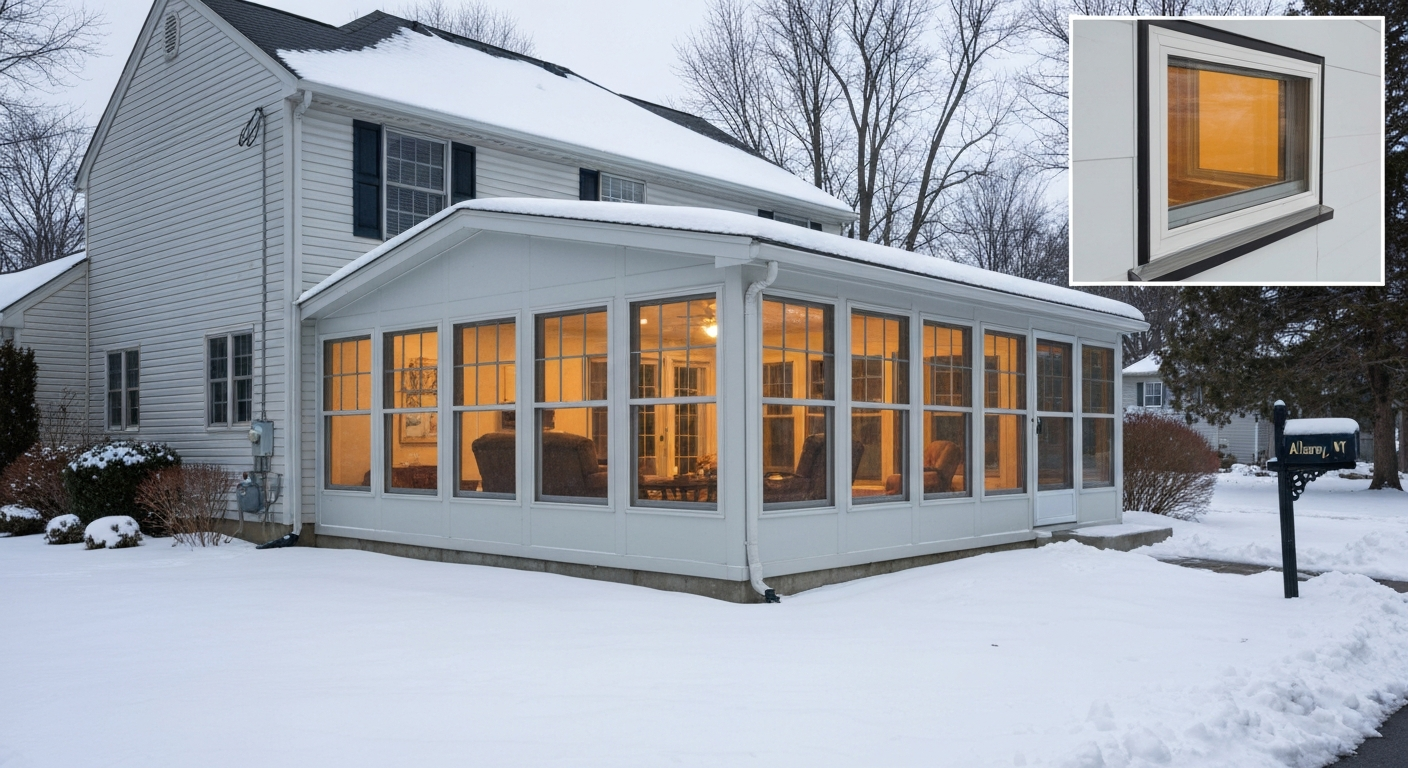
Compare verified patio enclosures Albany NY reviews, costs, permits, and a contractor checklist to choose confidently.
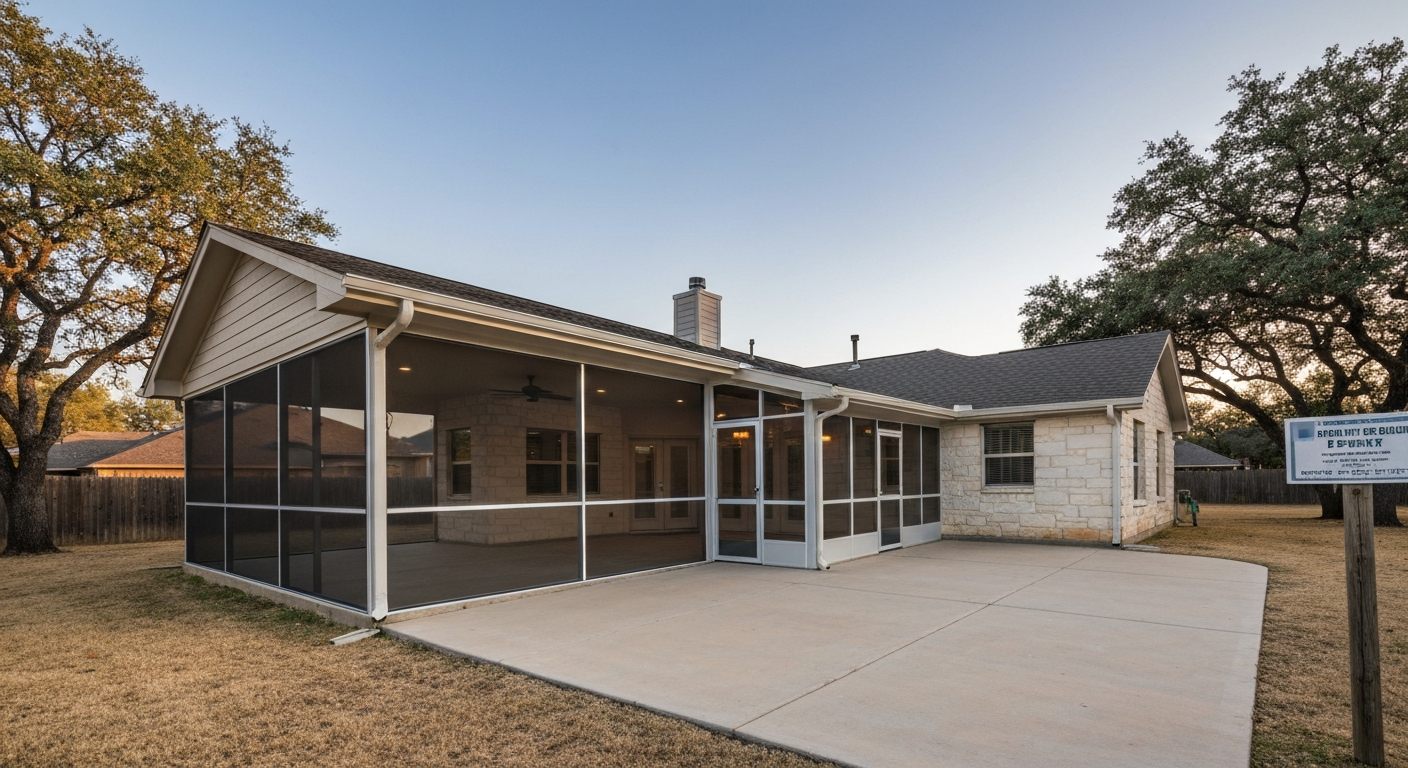
San Antonio patio enclosures reviews: compare top contractors, verified customer feedback, costs, timelines, and hiring-
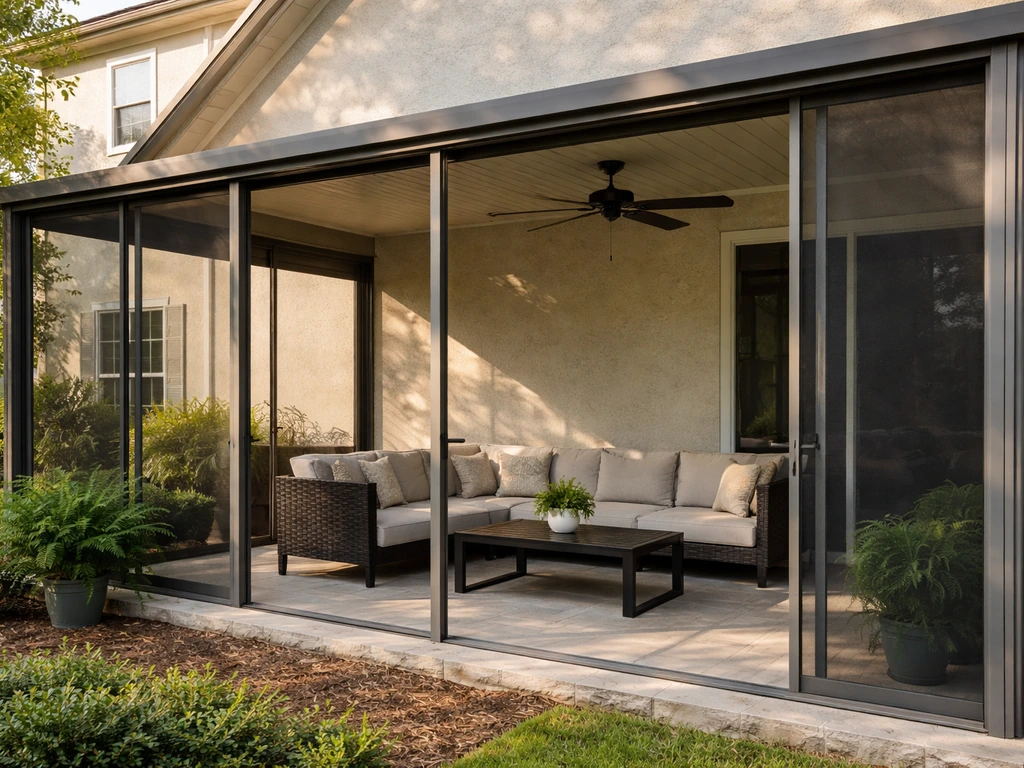
Use Atlanta patio enclosure reviews to compare installers by materials, installation, weatherproofing, timelines, permit