
If you're searching for patio enclosures Cincinnati reviews, you're trying to do one thing: figure out which local contractor is actually worth hiring and which ones to avoid. The good news is that Cincinnati has a real market of patio enclosure companies with enough review history to make that judgment. The not-so-good news is that a star rating alone won't protect you. You need to know what to look for inside those reviews, what the red flags sound like, and how to run a fair comparison before you sign anything. This guide walks you through all of it.
Patio Enclosures Cincinnati Reviews: How to Choose Wisely

Maren Lawson
5 Jul 2026
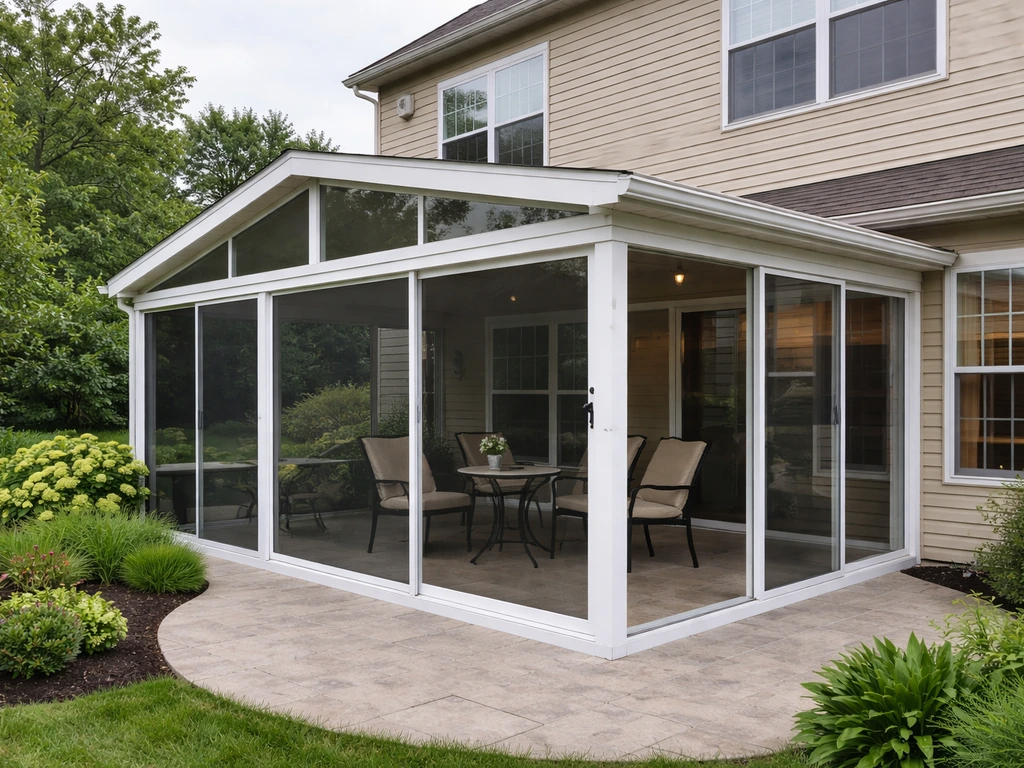
What "patio enclosure" actually means in Cincinnati
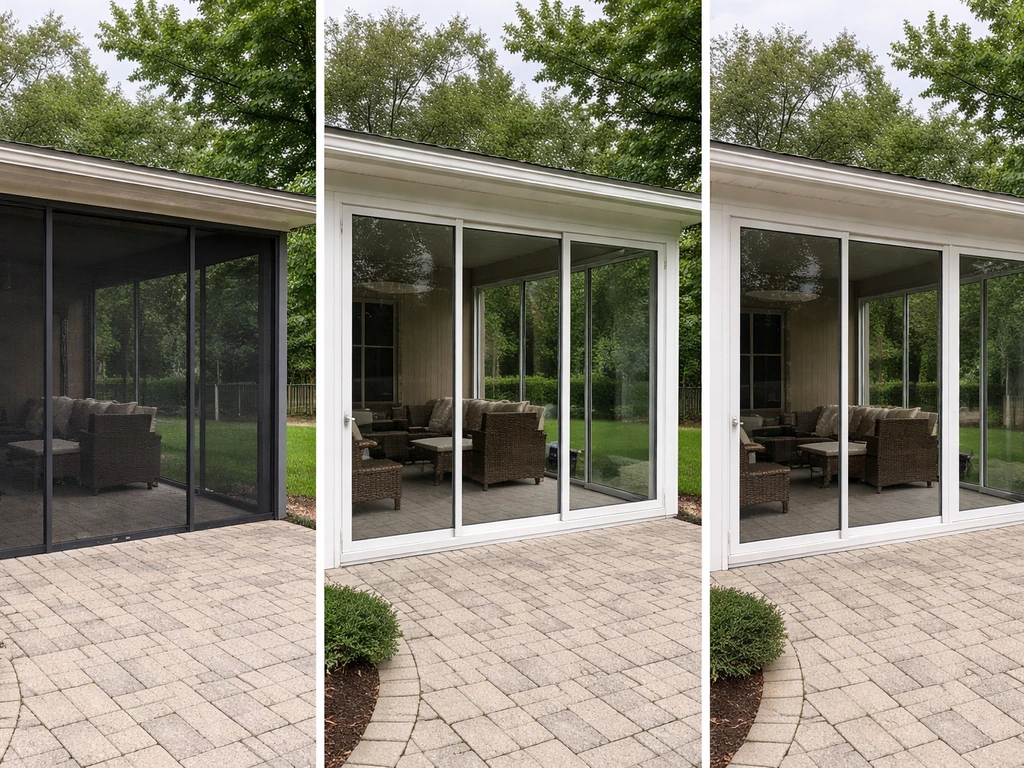
Before you can evaluate reviews intelligently, you need to know which product you're even reading about. "Patio enclosure" is a catch-all term that covers several very different structures, and confusing them is one of the most common mistakes homeowners make early in the process.
Screened-in porch
A screened-in porch uses aluminum or fiberglass screen panels to keep bugs out and allow airflow. It does not include insulation or weatherproofing by default. It's the least expensive entry point and works well for Cincinnati summers, but you'll lose usability once October hits. Reviews for screened porches are usually about screen quality, frame construction, door operation, and how well the contractor handled the transition between the existing structure and new framing.
Three-season room
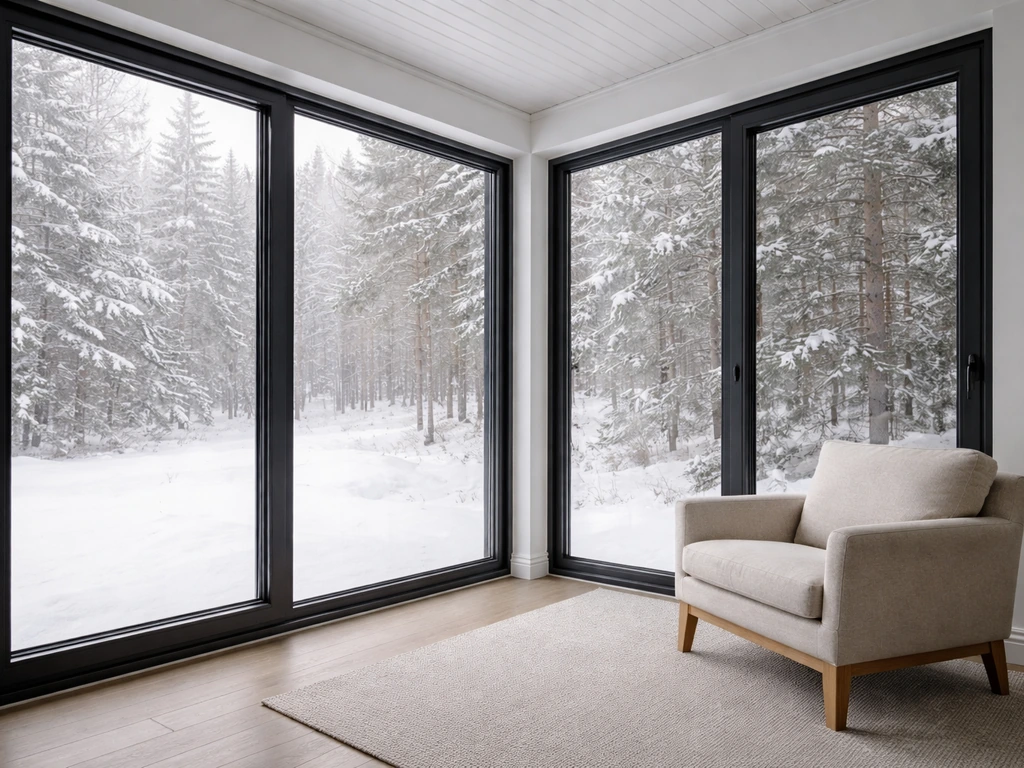
A three-season room replaces the screen panels with a window system, often using products like Eze-Breeze or similar vent-style windows. You get real weather protection and can use the space from roughly spring through late fall. It extends your comfortable season compared to a screened porch but isn't designed for Cincinnati's coldest months. Reviews here focus heavily on how the windows seal, whether doors latch properly, and whether the room stays dry in rain.
Four-season room and solarium
A four-season room (sometimes called an all-season sunroom, glass enclosure, or solarium) adds insulated glazing, a thermally broken frame, and typically connects to your home's HVAC. Champion Windows, Better Living, and similar companies describe this as adding glass or an all-season enclosure around an existing covered patio to make it usable year-round in any weather condition. These are the most expensive option but also generate the most detailed reviews because there's more that can go wrong, including condensation, insulation performance, roof integration, and HVAC tie-ins.
| Type | Weather Protection | Typical Use Season | Key Review Topics |
|---|---|---|---|
| Screened Porch | Bugs only, no weather | Late spring to early fall | Screen quality, frame fit, door operation |
| Three-Season Room | Rain and wind, no heating | Spring through late fall | Window seal, door latching, leak resistance |
| Four-Season / Solarium | Full year-round | 12 months | Insulation, glazing, HVAC connection, condensation |
One more thing: Cincinnati sits in Hamilton County, and the county has a formal residential permit process specifically for sunrooms (filed under a Sunrooms permit guide). Forest Park and other municipalities within the metro area require a permit to construct a patio cover or enclosure. If a contractor tells you a permit isn't needed for a structure that clearly qualifies, that's a problem you'll read about in their reviews too.
How to actually read and compare patio enclosure reviews
A 4.7-star average is nearly meaningless without context. Here's how to use reviews correctly instead of just skimming ratings. If you are searching for patio enclosures in Tampa, reviews can also help you spot common contractors and workmanship issues specific to the area patio enclosure reviews.
Ratings give you a filter, narratives give you the story
Use the overall star rating to narrow your initial list, but then actually read the written reviews, especially the 2- and 3-star ones. Those middle-ground reviews often tell you the most: the company did finish the job but had communication problems, or the install was fine except for one persistent leak they took months to address. That's the kind of information that matters when you're deciding whether a company is worth the risk.
Look at review volume and recency together
A company with 200 reviews and an average of 4.3 stars is more informative than one with 8 reviews and 4.9 stars. Also check when those reviews were written. If the most recent positive reviews are three years old and recent ones show a pattern of complaints, that company may have had a crew or management change. Recency matters in this industry.
Verified reviews carry more weight
Platforms like Angi perform verification checks before publishing reviews. Angi also says it may refuse or remove reviews at its discretion, as part of its feedback verification checks before posting performs verification checks before publishing reviews. BBB requires reviewers to provide their name to the business and confirms that a marketplace interaction took place before a review goes live. Reviews that name a specific project type, timeframe, crew member, or product are far more credible than generic praise like "great job, highly recommend." The BBB also requires the business to have an opportunity to respond, which means you can see how the company handles criticism publicly, and that responsiveness is itself a useful data point.
Cross-check reviews against project photos and service area
Some companies have great reviews but their project photos show work done in other markets. Confirm the company actually has a Cincinnati installation history, not just a Cincinnati phone number. If a company does patio enclosures in multiple regions (similar to how major brands serve markets from Tampa to Albany to San Antonio), check that the reviews you're reading are from Ohio customers dealing with Ohio weather conditions, not Florida projects. If you're comparing patio enclosures Atlanta reviews, focus on the companies that consistently serve the Atlanta area with the right materials for local conditions patio enclosures in multiple regions.
The review signals that actually predict a good or bad experience
After reading through dozens of Cincinnati-area patio enclosure reviews and BBB complaint narratives, the same themes keep showing up. If you specifically need patio enclosures Albany NY reviews, use these same themes to spot workmanship, leak performance, and contractor responsiveness patio enclosure reviews. Here's what to weight heavily.
Workmanship quality and measurement accuracy

Precise measurement is the foundation of a patio enclosure. If panels, frames, or doors are cut to the wrong dimension, nothing fits right. BBB complaint narratives from Cincinnati-area patio enclosure customers describe specific situations where an entire wall was out of alignment and doors and screens wouldn't close or latch properly.
On the BBB’s Titan Sunrooms customer reviews page, the sample BBB review narrative also highlights timeline issues like materials ordered after a deposit and discusses measurements and contract terms BBB complaint narratives from Cincinnati-area patio enclosure customers describe specific situations where an entire wall was out of alignment and doors and screens wouldn't close or latch properly. .
When reviewers mention components that don't fully close, lock, or seal, that points to a measurement or fabrication problem, not just a minor inconvenience. Look for reviews that specifically mention how well the finished product fits and operates.
Weatherproofing and leak performance
Leaks are the single most common serious complaint in patio enclosure reviews. If you are specifically searching for patio enclosures rochester ny reviews, use the same checklist above to judge whether a company’s installs are consistently leak-proof and well-finished. The most frustrating version isn't a leak that's fixed quickly, it's one that persists after multiple service visits.
Cincinnati review narratives include language like "still leaking after numerous attempts," which tells you the company either can't diagnose the root cause or isn't motivated to fix it properly. Leaks in enclosures almost always trace back to flashing at the roof-to-wall transition, sill trough drainage, or caulking at penetration points. If multiple reviewers for the same company describe recurring leaks, that's a systematic quality problem, not a one-off.
Door and screen operational quality
Doors that don't latch, screens that pop out of their tracks, and windows that won't lock properly are recurring themes in patio enclosure complaints. These aren't trivial issues: a door that doesn't lock properly on a Cincinnati winter night is a real comfort and security problem. Pay attention to whether reviewers mention how the doors and screens operate six months or a year after installation, not just on the day the crew left.
Post-job cleanup and property access
Some enclosure installs require equipment access to the slab or yard. Reviews that mention equipment damage to landscaping, lawn ruts, or debris left behind are worth noting. They often indicate a crew that's moving fast and not being careful with your property. It's a small thing individually, but it usually correlates with other shortcuts in the actual work.
Glazing and insulation performance for Cincinnati winters
For three-season and four-season rooms, look for reviews that mention comfort in cold weather and condensation performance. Double-pane Low-E glazing significantly reduces condensation risk compared to single-pane glass by raising the interior glass surface temperature. If reviewers describe heavy condensation problems on their "four-season" room, that often means the glazing spec was undersold or the installer skipped proper humidity management recommendations. Note that some warranties (including certain window system products) explicitly exclude condensation-related defects, so this matters when reading warranty disputes in reviews.
Red flags to spot in Cincinnati patio enclosure reviews
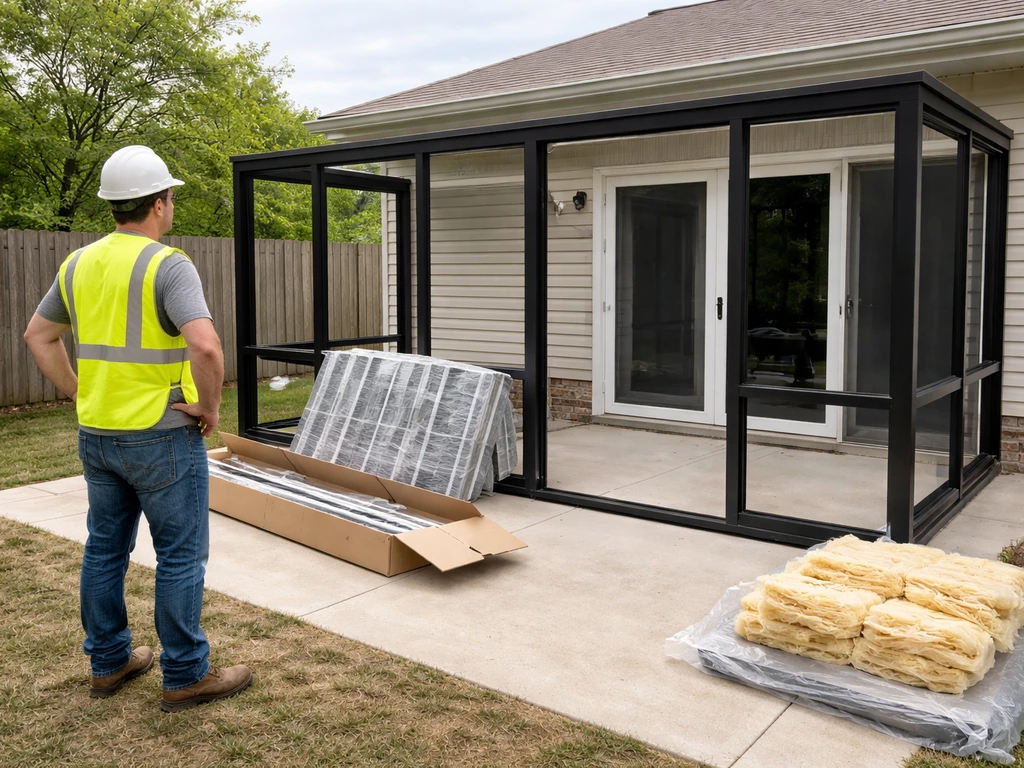
These are the patterns that should make you hesitate or remove a company from your list entirely.
- Repeated timeline delays after deposit: Reviews describing materials being ordered weeks after the deposit was collected, or project start dates pushed multiple times, suggest poor project management or cash flow issues. One Cincinnati-area reviewer described materials not being ordered until well after payment was made.
- Excessive or surprise change orders: If multiple reviewers mention being asked for more money mid-project for scope items that should have been visible during the initial site visit, the company is either underquoting to win jobs or not doing thorough pre-job assessment.
- Warranty denial or slow warranty response: Watch for narratives where the company cited contractual fine print to avoid warranty repairs, or required the homeowner to sign a completion certificate before defects were corrected. This is a specific tactic described in Cincinnati BBB complaints. Signing that paperwork can lock you out of recourse.
- No BBB response to complaints: BBB shows whether a business responded to complaints. A company with unresolved complaints and no response is a serious red flag. Compare this with companies that respond professionally and demonstrate a resolution.
- Vague or generic 5-star reviews clustered in a short time window: A sudden burst of 5-star reviews with no specific details can indicate manufactured reviews. The BBB notes that fake reviews are sometimes outsourced and lack the specific project detail that genuine customer experiences include.
- Permit avoidance: Any contractor who suggests skipping the permit process for a structure that clearly requires one in Hamilton County or your specific municipality is putting the legal and safety liability on you.
Questions to ask and things to verify before you sign
Once you've shortlisted companies based on their review quality, you need to get on the phone or in person and ask direct questions. Here's what to cover.
Scope and specifications
- What specific enclosure system or product line are you proposing, and can you provide the manufacturer's spec sheet?
- What frame thickness, glazing type (single, double-pane, Low-E), and weatherstripping are included?
- What does the roof integration look like: how will flashing be handled at the transition to my existing structure?
- Is the door hardware included, and what's the brand and warranty on it?
- What happens if measurements are off at installation? Who absorbs the cost of reordering panels or frames?
Permits and local compliance
- Will you pull the permit for this project, or do I need to? (Note: Angi and others clarify that the ultimate responsibility for permits sits with the homeowner, even when the contractor handles the paperwork.)
- Which jurisdiction governs my address: Hamilton County Building Inspections, or my city's building department?
- Will the project require any electrical, HVAC, or plumbing permits in addition to the structural permit?
- Is your company registered as a contractor in Ohio for this type of work?
HOA requirements
- Does my HOA require approval before you start, and have you worked in my development before?
- What documentation do you provide for HOA submission (drawings, product specs, material samples)?
- What happens to the project timeline if HOA approval takes longer than expected?
Warranty terms
- What is the manufacturer's warranty on the enclosure system, and what does it exclude? (Ask specifically about condensation, improper installation, and component wear.)
- What is your company's labor warranty, and how long does it last?
- If I report a warranty issue, what is your typical response time and repair process?
- Will you require me to sign any completion paperwork before defects are addressed?
How to compare quotes the right way
Getting three quotes is the standard advice, but it's useless if the quotes aren't comparing the same thing. The most common mistake Cincinnati homeowners make is comparing total price across proposals that specify completely different products and scopes. Here's how to make it apples-to-apples.
- Start with a written scope description: Before you contact any contractor, write down in plain language exactly what you want: the size of the existing patio, whether you want screen, three-season windows, or full glass, how many doors and what type (hinged vs sliding), and whether you want any electrical or HVAC connections. Every contractor should be quoting the same description.
- Ask each contractor to itemize the quote by component: Frame system and manufacturer, glazing type and specs, roof/ceiling panel type and insulation R-value if applicable, door and hardware, permit fees, site prep and cleanup, and labor warranty duration. If a contractor won't break it down, that's information.
- Compare glazing specs directly: A three-season room with single-pane vinyl vent windows is not the same product as one with double-pane Low-E glass. The price difference can be significant and so can the performance difference in a Cincinnati January.
- Check what's excluded: Ask each contractor to list what is NOT included. Common exclusions are electrical rough-in, foundation/slab modifications, existing deck repairs, and HOA submission fees. These can add up fast after you've signed.
- Factor in warranty terms as a line item: A lower-priced bid with a one-year labor warranty is a worse deal than a slightly higher bid with a five-year labor warranty if you're planning to own this house for a decade.
- Verify the project timeline in writing: Ask each contractor for a written project start date and estimated completion window. Compare these across bids and weigh them against what you read in reviews about their timeline reliability.
Your next steps starting today
Here's how to move from research to a signed contract with confidence, without rushing into anything. If you want quicker Georgia patio reviews, focus on workmanship details, leak fixes, and how recent the feedback is for the companies that cover your area.
- Decide which enclosure type you actually want: Screened porch, three-season room, or four-season room. This affects everything from permit complexity to which companies to even consider. If you're not sure, use the comparison table earlier in this guide and think about how many months per year you want to use the space.
- Build your shortlist from verified reviews: Use this site's Cincinnati review listings to identify two or three companies with strong verified review volume, recent positive narratives, and a pattern of actually responding to complaints. Look for at least 20 to 30 reviews per company, not just a handful.
- Check BBB profiles before you call: For each shortlisted company, look at their BBB profile. Note whether they're accredited, how many complaints they have, and whether complaints show as resolved or unresolved. Pay attention to the themes in those complaints, not just the outcome.
- Request site measurements from your top two or three candidates: A reputable patio enclosure company should offer a no-cost site visit and measurement before finalizing a quote. This is also your chance to evaluate how professional and knowledgeable the salesperson or estimator is. Ask them about permits during this visit.
- Get written bids using the itemized checklist above: Give each contractor the same written scope description and ask for a line-item quote. Set a deadline of seven to ten business days so you can compare them while your notes are fresh.
- Validate warranties and timeline commitments in writing before signing: Once you've chosen a contractor, confirm that the warranty terms discussed verbally match what's written in the contract. Confirm the project start date is in writing. And never sign a completion certificate until you've personally tested every door, screen, and window and confirmed there are no visible gaps, leaks, or operational issues.
Cincinnati homeowners searching for patio enclosure reviews are in a better position than those in many other markets because there's a real history of local jobs to draw from. The same themes that show up in Cincinnati review narratives, including measurement accuracy, leak persistence, door and screen operation, and warranty responsiveness, mirror what you'll find in reviews for patio enclosure contractors in other competitive markets. If you’re also looking specifically for Atlanta porch and patio reviews, focus on the same signals like workmanship, leak performance, and how quickly the contractor addresses problems. That consistency actually helps you: you know exactly what to look for, and now you have a checklist to get from reviews to a signed contract you can feel good about.
FAQ
How can I tell whether a review is about a patio cover versus an enclosure?
Scan for details like “screen panels,” “window system,” “insulated glazing,” “HVAC tie-in,” or “thermally broken frame.” If the review only mentions shading or roof panels, it may not reflect enclosure performance, especially for leak issues at the roof-to-wall transition.
What’s the best way to compare two contractors’ quotes after reading Cincinnati patio enclosures reviews?
Ask each contractor to match specs line by line (door type and hardware, glazing type, frame material, roof integration, flashing plan, and warranty terms). Require them to include what happens if there’s a post-install leak, including the number of service visits and the response timeline.
Is a high star rating still useful if the negative reviews are old?
Yes, but weight recency. If the most detailed complaints are clustered within the last 12 to 24 months, treat them as a current quality signal even if the overall average is higher.
What does it mean when reviews complain “they were responsive” but problems weren’t resolved?
That usually points to a process issue, not just communication. Look for mentions of repeated service visits, unchanged leak locations, or “couldn’t reproduce” without a lasting fix, and treat that as a red flag for diagnosis and workmanship.
How can I validate that the company’s Cincinnati work matches Ohio weather conditions?
Ask for project addresses within driving distance and request photos taken in different seasons, especially after winter. Reviews can be generic, but local history plus seasonal proof reduces the risk of installers using product setups intended for milder climates.
Are condensation complaints in four-season rooms always the contractor’s fault?
Not always, but it’s usually spec-related. Ask whether the glazing is Low-E and whether they addressed ventilation or humidity control. If condensation is blamed on “user behavior” after multiple calls, that can indicate warranty exclusions or a missed design requirement.
What should I ask about warranties when reviews mention condensation or leaks?
Get the warranty scope in writing, specifically whether it covers water intrusion, hardware failures, and seal or flashing defects. Also ask if the warranty timeline starts at installation or after substantial completion, and whether service visits are included for the first year.
If I see repeated “door won’t latch” complaints, is that a measurement problem or an installation problem?
It can be both, but persistent latch and seal failures over time often reflect misalignment, frame settling, or missing adjustment procedures. Ask how they level, shim, and calibrate doors after installation, and whether they return for a documented adjustment follow-up.
What are the most reliable review details to focus on for leak prevention?
Prioritize reviews that name the suspected water entry route (roof-to-wall flashing, sill drainage, or penetrations), and that describe whether the leak persisted after rework. Vague statements like “it leaked” without location and resolution are less actionable.
Should I worry about equipment access damage mentioned in reviews?
Yes, especially if multiple reviews mention ruts, damaged landscaping, or debris. Ask how they protect driveways, lawns, and nearby structures, and whether they’ll do cleanup and haul-away the same day as installation.
How many quotes should I request, and what if the lowest price contractor has fewer reviews?
Request at least three comparable proposals, not just three bidders. If the lowest price also has low volume or generic reviews, treat it as a higher risk until you confirm the exact product scope, flashing approach, and warranty response terms match the others.
Next Articles
Atlanta Porch and Patio Reviews: How to Choose a Contractor
Learn how to use Atlanta porch and patio reviews to compare contractors, spot red flags, and choose the right scope.

Ohio Custom Pool and Patio Reviews: How to Compare Contractors
Learn how to trust Ohio custom pool and patio reviews, spot red flags, shortlist pros, and request accurate bids.
Oklahoma Pool and Patio Reviews: How to Choose a Contractor
Use verified Oklahoma pool and patio reviews to vet contractors, spot red flags, and choose by workmanship, communicatio