
Pool and patio design reviews are one of the most reliable tools a homeowner has before signing a contract, but only if you know what to look for. The best reviews don't just say 'great job' or 'would recommend. ' They describe the design consultation, how the contractor handled grading and drainage, which materials were chosen and why, whether permits were pulled on time, and how the crew showed up on the last day versus the first.
Pool and Patio Design Reviews: How to Choose a Contractor

Maren Lawson
5 Jun 2026
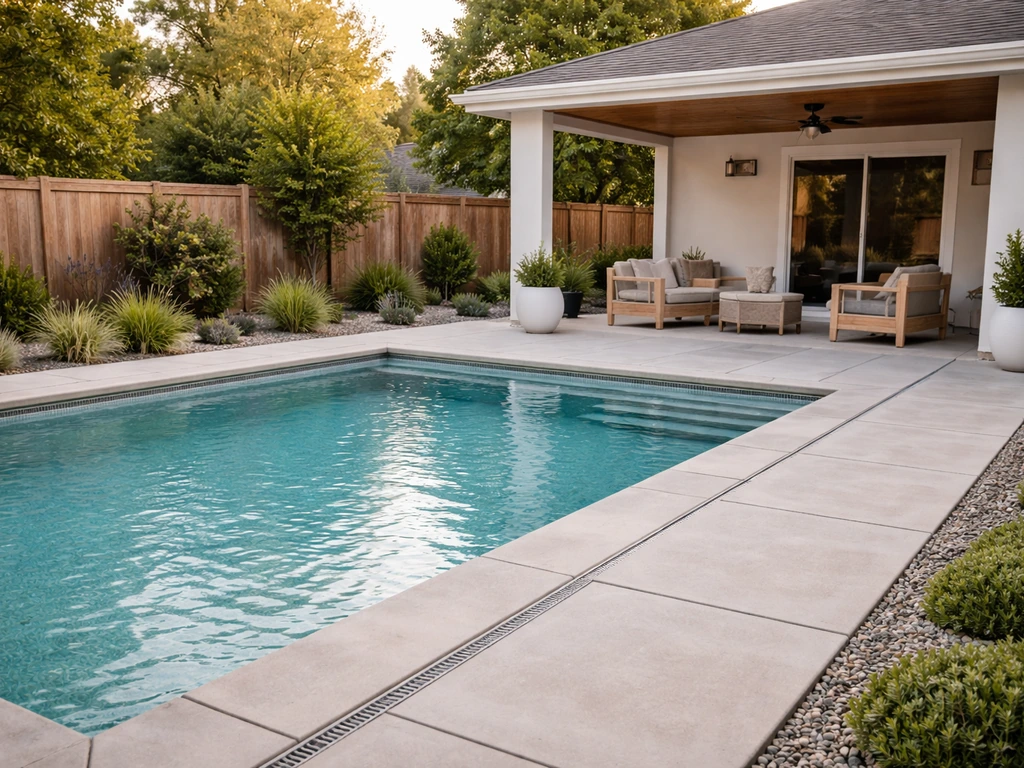
When you learn to read for those specifics, a stack of reviews turns into a real screening tool, not just a vibe check. If you want outdoor living pool and patio reviews you can trust, focus on the details that show how the design will perform long-term.
What to look for in pool and patio design reviews
Most homeowners skim for star ratings and move on. That's a mistake. A five-star review that says 'beautiful pool, very happy' tells you almost nothing useful. What you want are reviews that get specific about the design process itself. Did the contractor walk the yard and talk through layout options before quoting? Did they bring up drainage and grading unprompted? Did they explain the difference between a stamped concrete deck and pavers in terms of long-term maintenance, not just looks? Those are the signals that separate a design-focused contractor from someone who just pours and leaves.
Look for these specific themes in reviews, because they're the ones that predict whether your project will hold up over time:
- Design consultation quality: Did the contractor offer multiple layout options, or just one standard plan?
- Drainage and grading: Were these discussed proactively, or only after a problem appeared?
- Material selection guidance: Did the reviewer feel informed about material trade-offs, or pushed toward one option?
- Code compliance and permits: Were permits pulled without the homeowner having to ask repeatedly?
- Communication throughout the build: Were updates consistent, or did the homeowner have to chase the crew?
- Warranty and aftercare: Does the reviewer mention what's covered and for how long, or was there silence after final payment?
- Timeline accuracy: Did the project finish close to the promised date, and were delays explained?
- Site cleanliness and finish quality: How did the yard look after the last crew left?
Reviews that cover four or more of those points are genuinely useful. Reviews that only hit one or two are better than nothing, but treat them as a partial picture. When you see a contractor with dozens of detailed, multi-point reviews, that's a strong signal they're doing something consistently right. When you see mostly short reviews, dig harder before committing.
How to compare contractors using review data

Don't compare contractors by average star rating alone. A company with a 4.6 from 80 detailed reviews is more trustworthy than one with a 4.9 from 12 short ones. Volume matters, but so does the depth and consistency of what reviewers describe. Here's a practical way to compare contractors side by side using the review data you find on a platform like this one. To help you compare results, read premier 1 pool and patio reviews with special attention to how consistently reviewers describe design details, drainage, and aftercare.
- Filter by project type: Make sure the reviews you're reading are for pool and patio design specifically, not just fence installation or basic landscaping under the same company umbrella.
- Look for pattern consistency: If six different reviewers all mention the same project manager by name and all say communication was excellent, that's a real signal. If six reviewers each describe a completely different experience, be cautious.
- Read the one- and two-star reviews carefully: Bad reviews often reveal systemic issues like repeated change orders, drainage failures, or permits pulled late. One angry outlier is different from three reviewers describing the same drainage problem.
- Check for recency: Reviews from three or more years ago may reflect a team or ownership that no longer exists. Weight recent reviews more heavily, especially if the company has changed hands.
- Compare portfolio match: Does the contractor's reviewed work match your project scale? A contractor praised for small stamped concrete patios may not have the same track record on a full custom pool and deck buildout.
- Cross-reference with BBB and state licensing boards: Reviews tell you what customers experienced. Licensing records tell you whether the contractor is legally allowed to do that work in your state.
If you're comparing multiple companies, it helps to use a simple score sheet. Rate each contractor on design process, communication, workmanship, timeline, and aftercare based solely on what reviewers described. The one that scores highest across all five categories is usually the safer bet, even if their quote isn't the lowest.
Regional differences that show up in reviews
Pool and patio reviews from Phoenix will sound very different from those coming out of Minnesota or the Mid-Atlantic, and that's not just a style thing. Climate drives real design decisions, and reviewers who mention region-specific challenges are often the most useful ones to read. Here's what to watch for depending on where you live.
| Region | Common materials mentioned | Key reviewer concerns | Pool type patterns |
|---|---|---|---|
| Southwest (AZ, NV, SoCal) | Travertine, cool-deck coatings, concrete pavers | Heat retention, UV fading, water evaporation | In-ground gunite, lap pools, tanning ledges |
| Southeast (FL, GA, TX Gulf) | Pavers, screen enclosures, concrete | Drainage in heavy rain, hurricane-rated structures, humidity | Freeform in-ground, screen-enclosed pools |
| Midwest / Northern States | Stamped concrete, natural stone, poured concrete | Freeze/thaw cracking, seasonal close-out, permits | In-ground with winter covers, hot tub combos |
| Mid-Atlantic / Northeast | Bluestone, brick, composite decking | HOA compliance, stormwater permits, grading | Plunge pools, in-ground vinyl liner, spas |
| Pacific Northwest | Composite decking, concrete, natural stone | Moisture/mold resistance, permitting complexity, slope grading | Heated pools, covered patio combos |
Freeze/thaw is one of the most common sources of failure reviews in northern climates. Reviewers will describe pavers heaving after one winter, or concrete cracking because the sub-base wasn't packed deep enough. If you're in a cold-weather region, specifically search for reviews that mention how a contractor handled base prep, expansion joints, and material selection for freeze resistance. Those details predict whether your install lasts five years or twenty.
HOA and permitting experience is another regional filter that reviewers often surface. In dense suburbs and planned communities, reviewers frequently call out whether the contractor handled HOA submissions and pulled permits without drama, or whether the homeowner ended up doing that legwork themselves. A contractor who routinely works in your county or municipality will know the local permitting office and typical review timelines, which saves weeks on your project.
Design process details that good reviews always mention
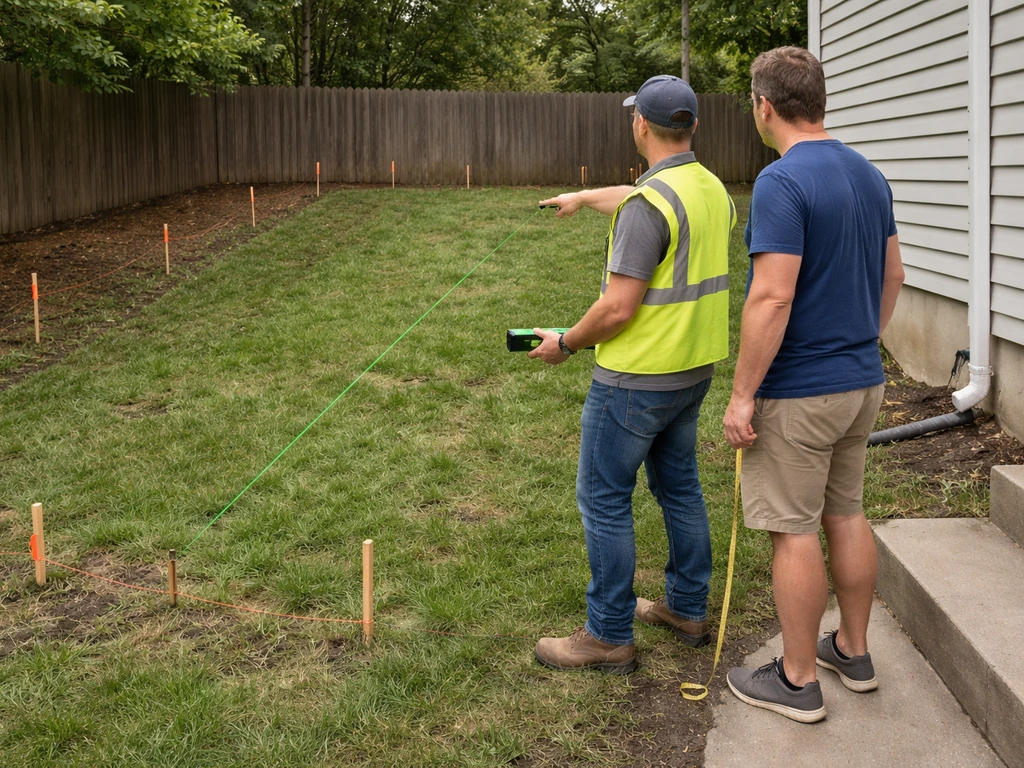
A contractor who does design right leaves a trail in their reviews. You'll see reviewers describe an on-site visit where the contractor walked the entire yard, discussed the slope, talked about where water goes in a heavy rainstorm, and explained how the pool and patio layout would interact with the house's downspouts and existing drainage. That's not accidental. Contractors who skip this step produce installs that pool water where you don't want it.
Drainage is worth calling out specifically because it's one of the most frequently failed design elements and one that reviewers rarely describe until something goes wrong. A properly designed pool deck should slope away from the water at roughly 1/8 to 1/4 inch per foot toward drains or catch basins. Contractors who skip that calculation assume runoff will manage itself.
Design guidance like Pool Deck Drainage Basics emphasizes that drainage systems, including downspouts and planned drain locations, should be part of the overall deck layout rather than relying on runoff assume runoff will manage itself. It doesn't. Reviewers who describe a flat deck where water sits after rain are describing a drainage design failure, even if they don't use that language.
Look for reviews that describe these design-phase conversations:
- The contractor asked about how you use the space before drawing anything up
- Layout options were presented with trade-offs explained, not just one plan pushed
- Drainage, grading, and site slope were discussed before ground was broken
- Material samples were brought to the site or a showroom visit was offered
- The design included notes on where downspouts discharge and how that was incorporated
- Code and setback requirements were reviewed during the planning phase
- The reviewer received a written plan or rendering before signing off on the build
Reviewers who describe all of these are telling you the contractor treated design as a real phase, not just a formality before selling you materials. That kind of design discipline is what prevents the drainage failures, layout regrets, and permit delays that show up in negative reviews.
Cost and value red flags hiding in reviews
Reviews are surprisingly useful for building a budget, but you have to read between the lines. When reviewers mention change orders, they're usually signaling that the original quote was incomplete. When they say the project came in 'a bit over budget,' the actual overage is often 15 to 30 percent. And when reviewers describe a low initial bid that ballooned, that's a pattern worth taking seriously.
Here are the cost-related red flags that appear most often in pool and patio design reviews:
- Vague or verbal quotes with no itemized line items: If a reviewer says they were given a one-number bid with nothing broken out, that contractor is set up to add costs later.
- Scope creep via change orders: Multiple reviewers mentioning unexpected change orders from the same contractor is a pattern, not a coincidence.
- Site prep shortcuts: Reviews that mention thin base layers, skipped grading, or rushed excavation predict expensive repairs down the road.
- Weak drainage installs: Pooling water after rain is almost always a drainage design problem, and fixing it post-install is costly.
- Finish shortcuts: Reviewers describing rough edges, uneven pavers, or staining that appeared within one season are seeing the results of a rushed closeout.
- Missing permit costs: If permits aren't included in the quote and reviewers find out mid-project, that's a cost surprise the contractor could have flagged upfront.
To build a realistic budget from reviews, look for reviewers who share actual numbers or describe their project scope in enough detail that you can anchor your own estimate. A reviewer who says 'we got a 400 square foot stamped concrete patio with a 16x32 in-ground pool and screen enclosure for X dollars in Tampa' gives you a useful data point. Stack a few of those from similar regions and project sizes, and you'll have a rough range before you ever call a contractor. From there, any quote that comes in more than 20 percent below that range deserves extra scrutiny.
Workmanship and quality checks to run from reviews
Build timeline accuracy is one of the clearest indicators of a contractor's operational quality. Reviewers who describe a project that started on the promised date, hit major milestones close to schedule, and finished within the agreed window are describing a contractor with real project management. Reviewers who describe weeks of silence, unexplained delays, and a final push to finish are describing the opposite. Both patterns repeat across a contractor's full review history.
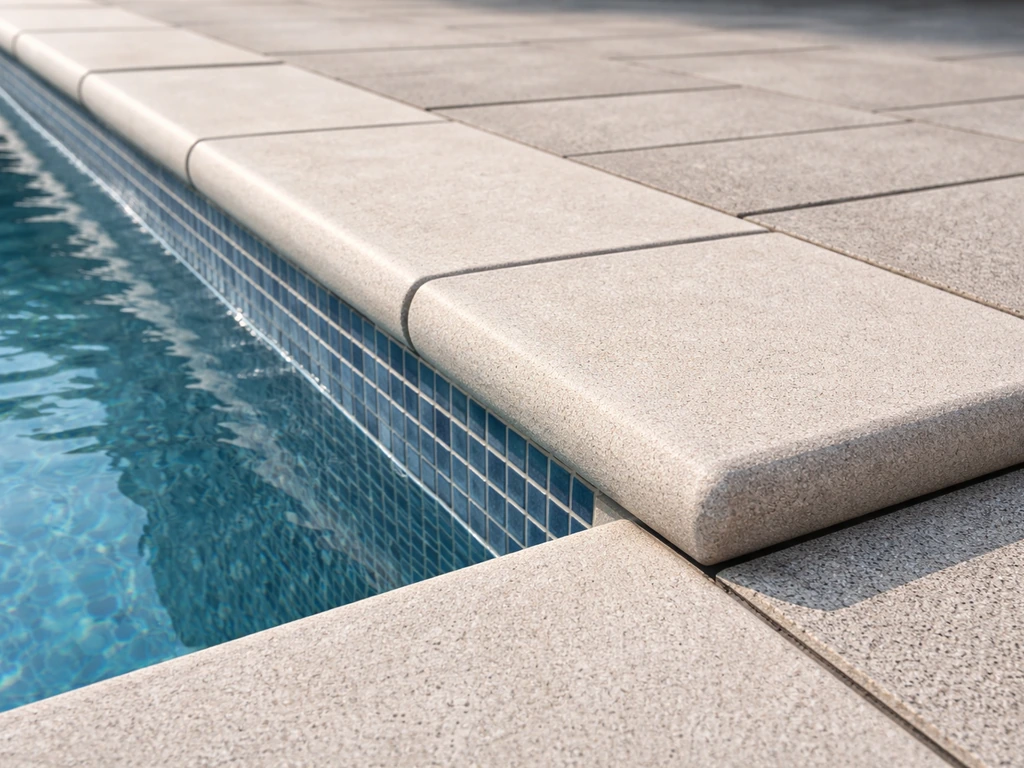
On the finish quality side, look for reviewers who describe what happened after installation: whether grout lines stayed tight, whether pavers stayed level after the first winter, whether pool finishes held their color, and whether caulked joints or expansion gaps were done cleanly. Reviewers who return to update their review six months or a year later are especially valuable because they've seen how the install weathers.
Warranty clarity is another quality signal that reviewers surface. The best contractors offer written warranties on both labor and materials, and reviewers tend to describe this as a moment during the closeout conversation. If a contractor's reviews never mention warranty terms at all, ask directly before signing. Standard expectations in this industry include one to two years on labor and whatever the manufacturer covers on materials, but some contractors offer more and that's worth knowing.
Aftercare and long-term performance: what reviewers tell you years later
The reviews that matter most for predicting long-term satisfaction are the ones written twelve to thirty-six months after project completion. They describe how the contractor handled a warranty call, whether a drainage issue that appeared after the first heavy rain was addressed without a fight, and whether the relationship survived the inevitable small problems that follow any major outdoor build.
Drainage is the issue that surfaces most often in long-term reviews. Incorrectly graded decks cause pooled water at the pool edge or against the house foundation. Pool deck paver drainage problems often trace back to grading issues that cause pooled water, so when you see flatness around the pool perimeter, the drainage layout may need reworking rather than minor tweaks [flatness around the pool perimeter means the drainage layout needs reworking](https://www. outdoorescapesofva.
com/blog/pool-deck-pavers--common-layout-mistakes-that-affect-drainage-and-safety). Channel drains, slot drains, and catch basins that weren't sized or placed correctly during design start backing up. These are not small fixes after the fact. Reviewers who describe these problems and then describe a contractor who came back promptly to diagnose and repair them at no charge are describing aftercare that's worth a lot.
Reviewers who describe being ignored or charged extra for what should be a warranty repair are describing the other kind of contractor.
For maintenance guidance, good contractors explain the basics at project closeout: how to seal pavers, when to re-sand joints, how to handle pool deck caulking before winter, and what chemical levels do to plaster or pebble finishes over time. Reviewers who mention a contractor walkthrough at the end of the job, with written care instructions, are describing a company that thinks past the final invoice.
Repair responsiveness is the final long-term test. Check whether any reviews mention post-installation issues and how they were handled. A company that shows up for a repair call with the same energy they brought to the sales visit is one worth recommending. Companies that stop returning calls after the check clears will show up in updated reviews, and those updates are often the most honest writing in any review thread.
Questions to ask and next steps after reading reviews
By the time you've done a serious review-reading session on this platform, you should have a shortlist of two or three contractors whose review patterns hold up across project type, region, communication style, and workmanship consistency. From there, the goal is to take the themes from those reviews directly into your conversations with each contractor. Don't treat the consultation as a passive listening session. Use what reviewers described to probe.
Here are the questions to bring to every design consultation and estimate meeting:
- Can you walk the yard with me and explain how you're thinking about grading and drainage before we talk layout?
- What's your approach to drainage design for a pool deck, and what slope do you target away from the pool edge?
- Will permits be included in the quote, and how do you handle HOA submissions if required?
- Can I see a sample itemized quote from a similar past project so I understand what line items to expect?
- What's your policy on change orders, and under what circumstances would the price change after signing?
- What materials are you recommending for my climate, and what are the trade-offs versus alternatives?
- What does your warranty cover, is it in writing, and how do I contact you for a warranty claim?
- Can you give me references from projects completed in my region in the last two years?
- What's the realistic project timeline, and what are the most common reasons your timelines shift?
- What do you walk me through at project closeout, and do you provide written maintenance instructions?
Your practical next steps after reading reviews should follow this sequence: use this platform to build your shortlist from verified, detailed reviews filtered by project type and region. Cross-check each contractor's licensing status and BBB standing. Request estimates from your top two or three picks, making sure each quote is itemized and includes permits. Bring your review-informed questions to every consultation. Compare not just the numbers but how each contractor answers, because a contractor who deflects the drainage question or gets vague about change order policy is showing you something important before a single shovel hits the ground.
If you're researching specific companies, this platform covers contractors across a wide range of scales and specialties. Some reviews here focus on larger regionally branded companies, others on boutique design-build firms that specialize in custom outdoor living. Exploring those profiles alongside the review themes in this guide gives you a complete picture before you commit to anything. Look for probuilt pool and patio reviews that mention the full design process, from drainage and grading to permits and aftercare, not just star ratings. For examples of what these prestige pool and patio reviews look like in practice, compare the specific details reviewers mention across similar projects.
FAQ
How can I use pool and patio design reviews to compare contractors if their quotes are different sizes or scope?
Yes, but only if you treat the quote like a scope match. Ask whether the contractor is quoting the same deck size, pool shell type, patio surface, drainage layout, and electrical or gas needs as the review projects you are comparing. If their price line items do not mirror the scope described in those detailed reviews, the star rating comparison will mislead you.
What should I ask a contractor to confirm that design includes drainage and grading, not just layout?
Don’t assume a “design included” claim means the drainage and grading are engineered. In the consultation, ask who will calculate deck slope, specify drain locations and sizing, and document it in writing. A contractor should be able to point to a drainage plan or at least a clearly described slope and drainage approach, not just general statements about “proper grading.”
What are common review signals that the original quote was missing major scope details?
Look for early warning signals like reviews that mention “we had to fix it later,” “water pooled,” repeated delays in inspection, or change orders that were largely about scope gaps. Then ask directly what is handled in the base price versus add-ons, especially for drainage corrections, permit revisions, electrical routing, and any work near existing downspouts or utilities.
How do I check warranty clarity using what reviews say (and what I should ask anyway)?
The most useful reviews usually mention both timing and aftercare. Ask for a written warranty summary before signing, including what triggers service coverage, response-time expectations, and whether warranty calls are handled by the same team or a separate service department. If the contractor cannot describe the warranty process clearly, plan for extra friction later.
Why do older reviews (12 to 36 months after completion) matter more than fresh ones?
Yes. Reviews written 12 to 36 months later are especially valuable because they reveal whether deck slope, expansion joints, and pool finishes held up. If most reviews are posted soon after completion and none describe weather-related failures or warranty outcomes, treat that pattern as less predictive for long-term satisfaction.
What should I look for in reviews about HOA submissions and permitting, and how do I verify it in my case?
In many regions, a contractor who routinely works with local permit workflows will mention inspection checkpoints, typical turnaround times, and whether they handle HOA submissions end-to-end. If reviews are vague on permitting or consistently say the homeowner had to follow up repeatedly, budget extra time and ask who is responsible for each step and milestone date.
How should I weigh categories like design process versus communication when reading pool and patio design reviews?
Use the score sheet approach, but add one practical rule: weight “design and drainage” higher than aesthetics. Then validate the scoring with a short checklist question set in the consultation (slope calculation, drainage component placement, base prep depth, and expansion joint strategy). A high design score plus vague answers during questioning is a red flag.
If reviews mention change orders, what questions should I ask so I understand what triggers them?
Pay attention to the difference between “a bit over budget” and what actually changed. Ask how change orders are priced, whether there is a cap on design revisions, and how they handle unexpected site conditions like soft soil, utility conflicts, or poor soil compaction. Also ask whether change orders are common and provide examples of what typically triggers them in your project type.
I’m in a freeze-thaw climate. What should I confirm about base prep and expansion joints based on reviews?
If a review mentions pavers heaving, concrete cracking, or recurring settlement, it often points to base prep and joint strategy issues. Ask for the proposed sub-base depth, compaction method, bedding layer type, and how expansion joints will be installed and spaced for freeze-thaw. Then look for reviews that describe long-term freeze performance, not just the installation day results.
How do I use reviews to judge whether the contractor will provide useful maintenance guidance after install?
You can treat maintenance as a proxy for aftercare quality. Ask for a written maintenance schedule that matches your exact surfaces (pavers, stamped concrete, plaster or pebble, coping type), including sealing or re-sanding frequency and winter prep steps. Reviews that mention a detailed walkthrough and written care instructions usually indicate fewer misunderstandings later.
Next Articles
ProBuilt Pool and Patio Reviews: What to Trust Before Hiring
Learn how to evaluate ProBuilt pool and patio reviews for workmanship, delays, costs, warranty, and red flags before hir
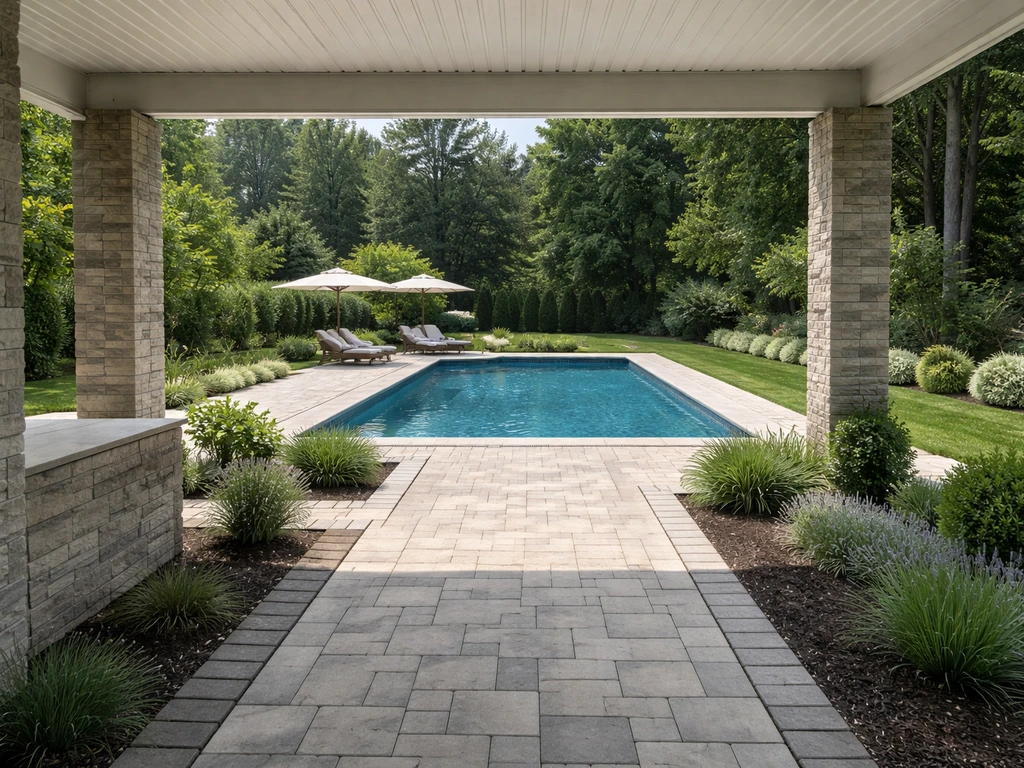
Prestige Pool and Patio Reviews: How to Verify and Hire
Learn how to validate Prestige Pool and Patio reviews, spot red flags, and verify licensing before hiring confidently.
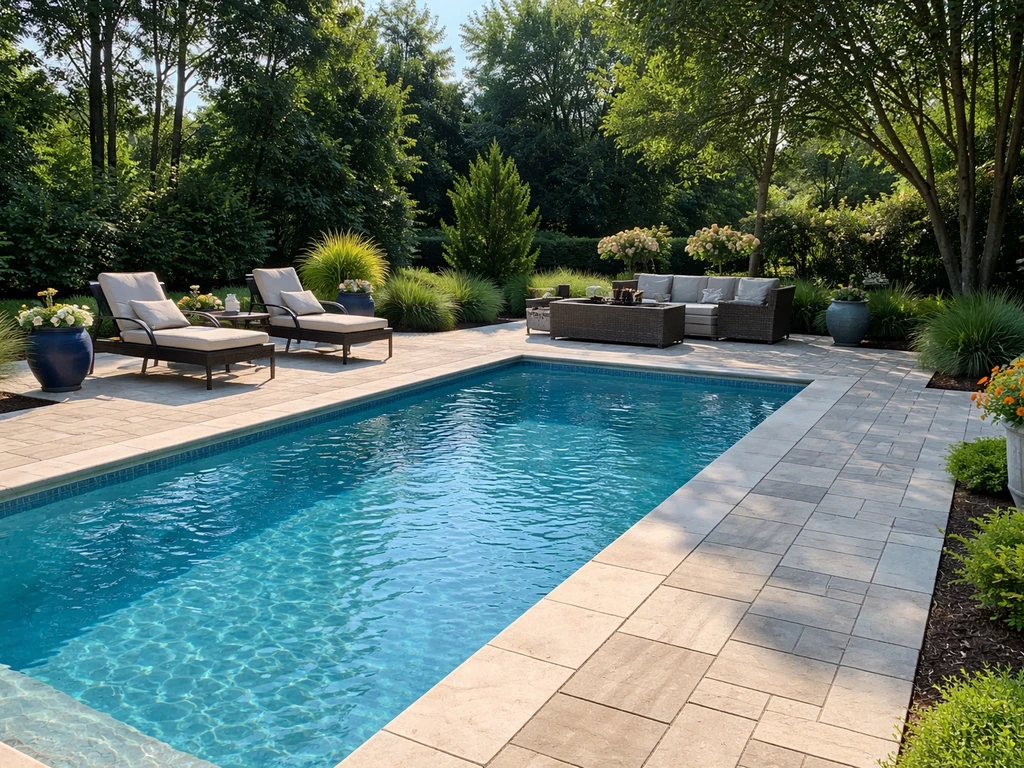
Outdoor Living Pool and Patio Reviews: How to Choose a Contractor
Use outdoor living pool and patio reviews to vet contractors, compare types, spot red flags, and choose confidently.