
Reading patio enclosure reviews for St. Louis contractors will only help you if you know what to look for. Star ratings alone won't tell you whether a company handles permits correctly, builds for Missouri winters, or shows up to finish the job. The useful information is buried in the details: how reviewers describe communication, whether the timeline matched the quote, and what happened when something went wrong after install. This guide walks you through how to read those reviews like a contractor, not a casual shopper.
Patio Enclosures St Louis Reviews: How to Choose a Pro

Maren Lawson
23 Jun 2026
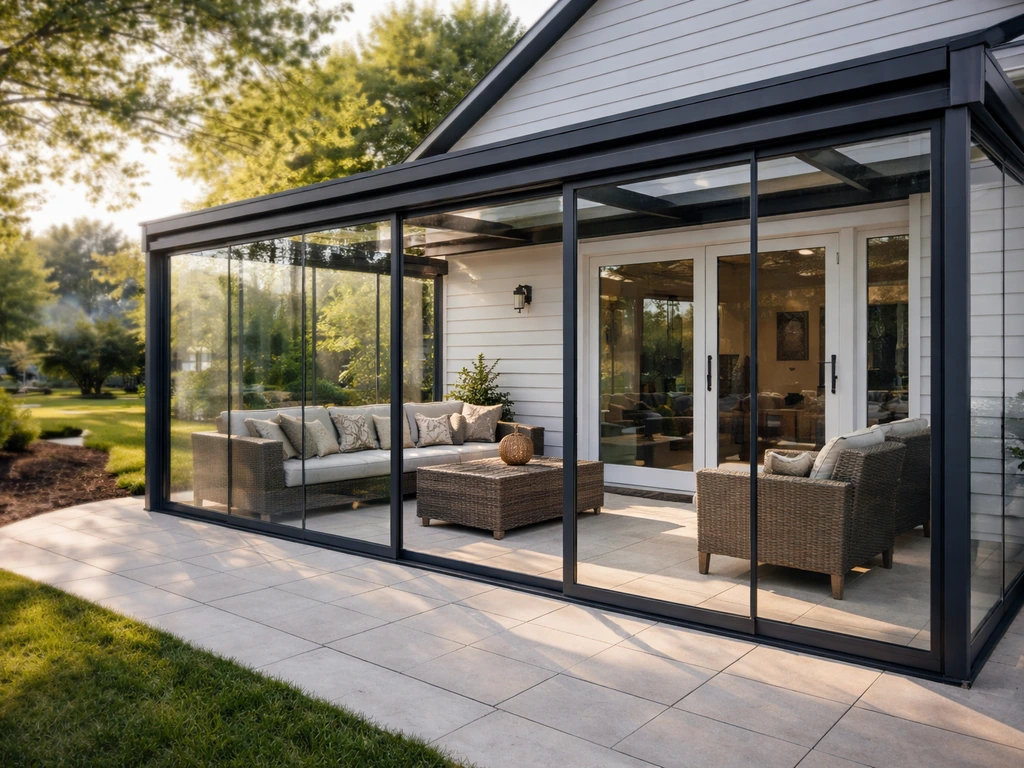
What St. Louis patio enclosure reviews actually cover
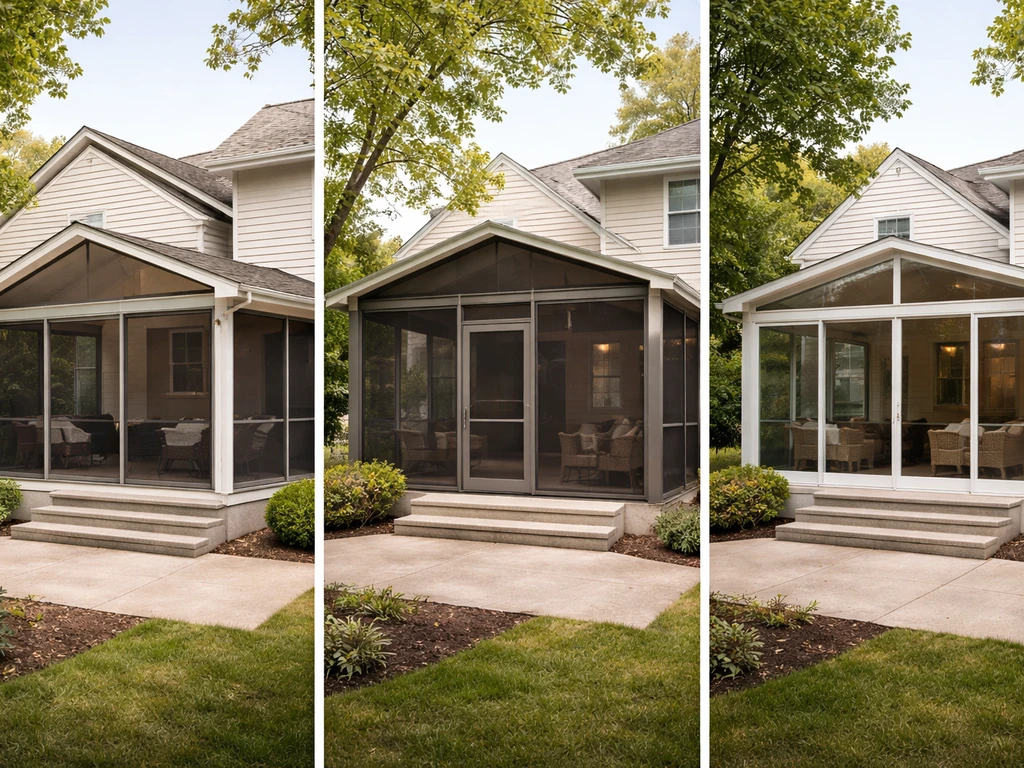
Most St. Louis homeowners searching for patio enclosures are really comparing two or three very different products. Screened-in rooms and screen porches are the entry-level option, typically using aluminum frames with corrosion-resistant finishes and either fixed or retractable screen panels. Three-season rooms step up to glass or polycarbonate glazing and are popular here because they extend usable outdoor time through spring and fall without full climate control.
Four-season sunrooms are full room additions with insulated walls, proper HVAC connections, and a thermal envelope that works in St. Louis January cold. Reviews tend to blur these categories, so pay close attention to what was actually installed when you're reading a review. A glowing five-star review for a screen porch tells you almost nothing about how that same company handles a glass sunroom.
On the materials side, framing is either roll-formed or extruded aluminum, and the difference matters. A Better Living Sunrooms guide also discusses how frame strength differences, like roll-formed versus extruded aluminum, affect performance and long-term durability roll-formed vs extruded aluminum frames. Extruded aluminum frames are stronger, hold tighter tolerances, and perform better over time, especially under the load stress of St. Louis ice and wind seasons. Polycarbonate panel roofs are lighter and less expensive than glass, but they have specific snow and wind load ratings that need to match your roof geometry. Reviews that mention roof sagging, panel cracking, or winter leaks are often pointing to a mismatch between the product spec and what the contractor actually installed.
What to look for in St. Louis patio enclosure reviews
The most useful reviews are the ones that describe a process, not just an outcome. Anyone can write 'great job, love my new room.' The reviews worth your time are the ones that tell you what week the crew showed up, how the contractor communicated delays, whether the permit got pulled before demo started, and what the cleanup looked like afterward. Look for that level of operational detail before you trust any rating.
For St. Louis specifically, pay attention to how reviewers describe the shoulder seasons. If someone mentions condensation on the windows every morning in November, that's a ventilation design issue, not just bad luck. The National Sunroom Association ties condensation directly to inadequate air exchange, so a reviewer complaining about persistent fogging is likely describing a real installation shortcut. Similarly, if multiple reviews for the same contractor mention water intrusion at the bottom corners of the glass enclosure, that's a flashing and sealing problem that gets expensive to fix. These patterns show up clearly when you read across ten or fifteen reviews instead of just the top three.
Weather-related performance is a legitimate local filter. St. Louis gets meaningful snow loads and hard freeze/thaw cycles. A contractor who's done fifty sunrooms in Florida isn't automatically qualified for your backyard in Chesterfield or South County. Look for reviews that mention how the enclosure held up through its first winter, not just how it looked at install.
How to compare local enclosure companies beyond the star rating
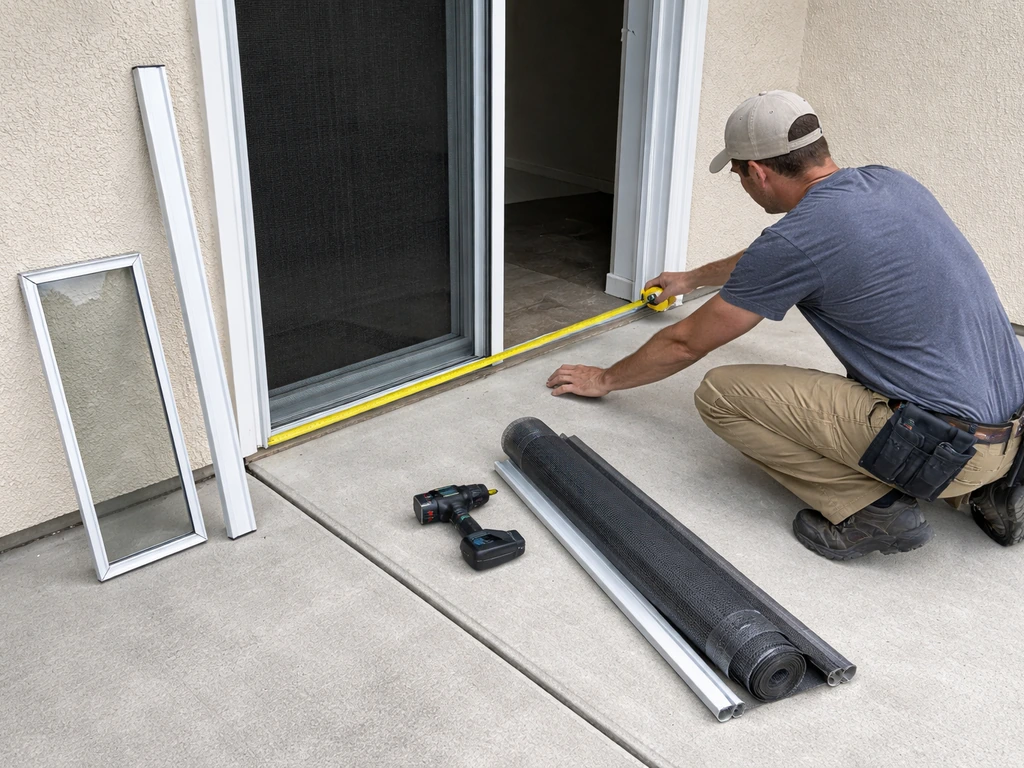
Start with materials and design fit. A company that only sells one product line will push you toward that product regardless of what your space actually needs. Reviews that describe a thorough in-home consultation, multiple material options discussed, or a design that was customized for an unusual footprint are better signals than a high star average. Better Living Sunrooms and companies like Rustique Sunrooms have St. Louis-area permit histories you can actually look up on BuildZoom, which shows you real project valuations tied to permitted work. That's a concrete check on whether the company is doing permitted work or cutting corners.
Installer quality shows up in review language more than most people realize. Phrases like 'the crew was respectful of our yard,' 'they cleaned up every nail and staple,' and 'the site looked better when they left than when they arrived' are credibility markers. HomeAdvisor reviews for Art-Tec Construction and Sunrooms, which serves the St. HomeAdvisor reviews for Art-Tec Construction & Sunrooms include [cleanup complaints such as nails, staples, shingles, and plastic left behind](https://www.
homeadvisor. com/rated. ArtTecConstruction. 24116636.
html), alongside frustration about communication. Louis area, include specific cleanup complaints: nails, staples, shingles, and plastic left behind. That's not a cosmetic issue; it tells you the crew was rushed and the company doesn't have a quality control process at the end of each job day. Reviews from BestProsInTown for Mizzell Remodeling in St.
Louis go the other direction, specifically praising respectful property treatment and proactive weather-delay communication. Those details are the ones that actually predict your experience.
Warranty coverage deserves its own comparison. Some contractors are authorized dealers for national brands like Four Seasons Sunrooms or Patio Enclosures by Great Day Improvements, which carry manufacturer warranties on materials. But manufacturer warranties can be voided if the contractor doesn't follow installation instructions exactly. That means a bad install can leave you with no coverage at all. When you're comparing companies, ask specifically whether the warranty is from the manufacturer, the contractor, or both, and what voids it.
Review credibility checklist: how to tell a real review from filler
Not all reviews are equal, and you need to be able to filter quickly. Here's what a credible, project-anchored review looks like versus a vague one that tells you nothing.
| Credibility Signal | What to Look For | Red Flag Version |
|---|---|---|
| Project specificity | Reviewer names the product, room size, or frame type installed | Just says 'sunroom' or 'patio enclosure' with no detail |
| Timeline anchoring | Mentions specific dates, weeks, or seasons (e.g., 'started in March, done by mid-April') | No time reference or vague 'quick turnaround' language |
| Permit/process mention | References permit pull, inspection visit, or municipality interaction | No mention of permits at all on a structural project |
| Photos attached | Review includes before/after images or jobsite photos | Text-only review with no visual documentation |
| Named reviewer identity | Full name or verified buyer tag on platform | Anonymous, initials-only, or no profile history |
| Follow-up detail | Reviewer comments on how the enclosure performed over a season or two | Review written immediately after install with no long-term context |
| Specific complaints or praise | Mentions cleanup, communication, specific crew behavior | Generic praise like 'great work, highly recommend' |
GuildQuality verifies reviews by contacting customers directly after a job, which is a stronger signal than a platform that lets anyone post. Experience.com and HomeAdvisor show reviewer names and detailed testimonials, which adds accountability. When you're reading across multiple platforms for the same contractor, consistent themes in both praise and complaints are the most reliable signal. One bad review can be an outlier; three reviews mentioning the same communication problem is a pattern.
Common complaints and standout praise in St. Louis jobs
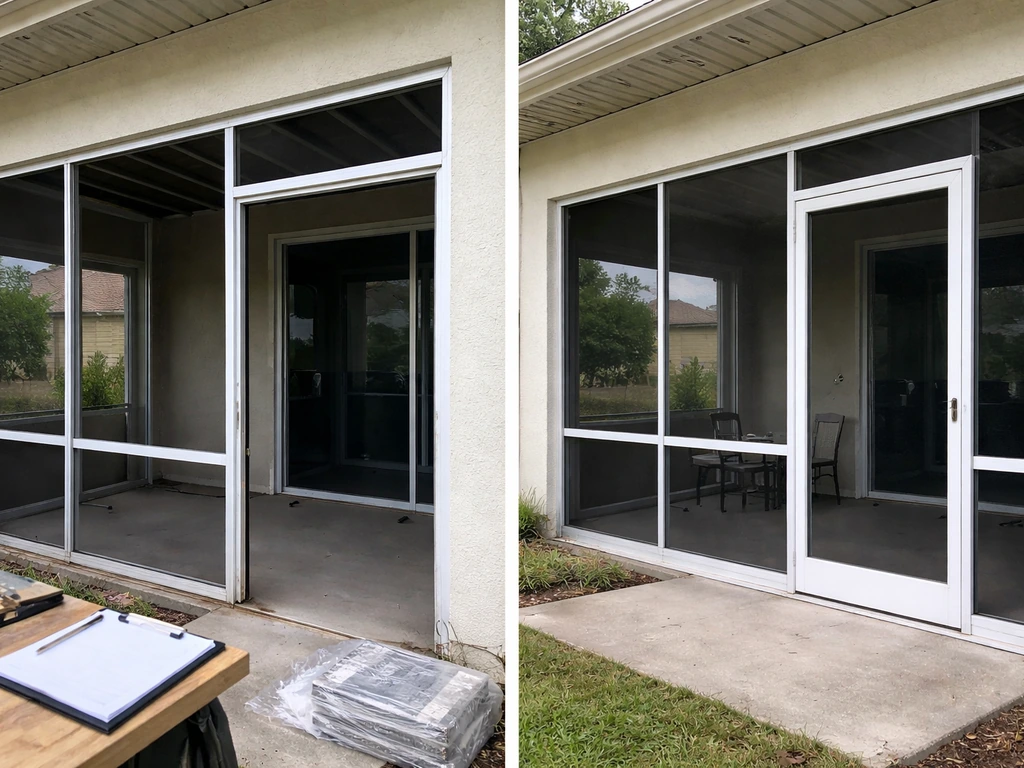
The negative themes that repeat most often in St. Louis-area patio enclosure reviews are: poor communication during the project, permit delays that stretched timelines by weeks, incomplete work at project close, and moisture or leak issues in the first winter. GuildQuality reviews for Patio Enclosures in St. Louis include direct complaints about 'very poor communication and timeliness.' BBB narratives for Patio Enclosures, Inc. describe permit timing dragging projects out far past the original schedule. ConsumerAffairs reviews describe contractors not completing structural work as scoped, including roofing and drying-in work that was quoted but never finished. These aren't isolated incidents; they're recurring enough to be flags to watch for.
On the positive side, the most praised contractors in the St. Louis market consistently earn praise for three things: proactive communication (calling ahead about weather delays, sending schedule updates), clean jobsites, and accurate quotes with no surprise charges at the end. BetterLiving Sunrooms by Fence and Deck Depot earns specific praise on Experience.com for communication and effort. Mizzell Remodeling reviews on BestProsInTown highlight thorough cleanup and weather-delay transparency. These aren't luxury expectations; they're basic professionalism, but they're clearly not universal in this market.
Condensation and winter performance complaints deserve a separate mention because they show up so often in Midwest sunroom reviews and are frequently misunderstood. Frost forming on window seals and gaskets in January is often a ventilation design issue, not a defective product. If the contractor sealed the space tightly without providing adequate air exchange, the physics of a St. Louis winter will cause moisture problems every time. Reviews describing persistent fogging or ice along seals are worth treating as a contractor installation flag, not just a product complaint.
Pricing and what actually drives the cost difference
Published cost data for the St. Louis area in 2026 puts the range for sunroom construction roughly between $14,000 on the low end for a basic screened or three-season room and $107,000 or more for a full four-season addition with HVAC integration and premium glazing. Most mid-tier glass enclosures in the St. Louis market land in the $25,000 to $55,000 range depending on square footage, frame quality, and whether structural modifications are needed.
The factors that drive the biggest cost swings are worth understanding before you get your first bid. Material quality is the obvious one: extruded aluminum framing costs more than roll-formed, tempered insulating glass costs more than polycarbonate panels, and thermal glass costs more than single-pane. But the less obvious cost drivers are often what create friction between the original quote and the final invoice. Structural modifications to the existing foundation or roofline, electrical work for lighting and climate control, permit fees (which vary by municipality in St. Louis County and the city), and scope changes requested mid-project are the most common sources of final invoices that exceed the bid.
Review language around cost usually falls into one of two camps: reviewers who say the final price matched the quote and felt fair, and reviewers who felt blindsided by add-ons. When you see a pattern of reviews mentioning unexpected costs, change orders, or work that was described in the proposal but billed separately, that's a contract clarity problem. It means the company's proposals aren't specific enough to protect you. Ask for an itemized written scope before signing anything.
Questions to ask before you hire
These questions are derived directly from the problems that show up most in St. Louis reviews and local permit requirements. Bring this list to every in-home consultation and pay close attention to how the contractor responds. Vague answers or resistance to specifics are red flags.
- Will you pull the permit, and which municipality handles my address? The City of St. Louis and St. Louis County have separate permit processes, and some municipalities like Town and Country have their own requirements for porch and deck framing projects. Confirm who files and who pays the permit fee.
- How is the enclosure ventilated? Ask specifically how air exchange is handled to prevent condensation in winter. If the contractor looks confused by the question, that's a problem.
- What are the snow and wind load ratings for the roof panels or glazing? For polycarbonate roofs especially, the product should have documented load ratings that match your roof slope and local weather conditions.
- Is the frame roll-formed or extruded aluminum? Extruded is stronger and holds up better over time. If they can't answer this, ask for the product spec sheet.
- What warranties apply, who backs them, and what voids them? Get manufacturer and contractor warranty terms in writing. Ask specifically whether installation errors void the manufacturer warranty.
- What does your liability insurance and workers' comp cover? You want a certificate of insurance, not a verbal assurance.
- What's the realistic project timeline, and how do you handle weather delays? You want a contractor who proactively communicates delays, not one who ghosts you for two weeks when it rains.
- Can I get the proposal itemized by line? Framing, glazing, labor, permits, and cleanup should each be listed separately so you can compare bids accurately.
- How do you handle callbacks or warranty claims after install? Ask whether they have a dedicated service team or whether callbacks compete with new installs for scheduling.
Step-by-step: how to use reviews to choose the right contractor today
Here's a practical process you can run in an afternoon using verified review platforms to get from 'no idea who to call' to a shortlist of two or three contractors worth meeting.
- Start by identifying contractors who have done permitted work in your area. Search BuildZoom for St. Louis-area patio and sunroom contractors. Permitted project valuations tell you the company is doing above-board work and gives you a sense of project scale.
- Search each contractor name on at least two review platforms: GuildQuality, Experience.com, HomeAdvisor, ConsumerAffairs, and BBB are all worth checking. Don't rely on just one. You want to see whether the themes are consistent across platforms.
- Filter reviews by looking for the credibility signals in the checklist above. Weight reviews that include photos, timeline details, permit mentions, and named reviewers more heavily than anonymous one-liners.
- Look for recurring themes across five or more reviews per contractor. One complaint about communication is an outlier. Three or four is a pattern. Write down the two or three most common themes, both positive and negative, for each company.
- Flag any contractor where multiple reviews mention incomplete work, permit delays that weren't communicated, moisture issues in the first winter, or difficulty getting a callback on warranty claims. These are the patterns worth walking away from.
- Shortlist two or three contractors who have consistent praise for communication, clean jobsites, and final invoices that matched quotes. These are your interview candidates.
- Use the question list in the section above for every in-home consultation. Take notes. A contractor who answers those questions specifically and in writing is telling you something important about how they'll treat your project.
- Before signing, ask for two or three references from completed projects in the past twelve months, specifically from homeowners who had a similar enclosure type installed. Call them. Ask about the permit process, the timeline, and whether they had any issues in the first winter.
If you're also comparing national brand dealers like Patio Enclosures by Great Day Improvements or American Patio Enclosures against local St. Louis contractors, the review research process is the same, but pay extra attention to whether the local dealer or the national brand handles warranty claims. National brand reviews can vary significantly by dealer, so a strong national brand reputation doesn't automatically mean the St. Louis dealer is well-run. Read the local reviews, not just the brand-level ratings. That same approach also helps you spot the differences behind American patio enclosures reviews before you spend money.
The bottom line is that the best patio enclosure contractor in St. Louis for you is the one whose reviews consistently describe the experience you need: clear communication, honest timelines, permits handled correctly, and a project that holds up through its first Missouri winter. The reviews are there. For a quick starting point, also scan specific patio enclosures austin reviews to compare how different installers handle permits, timelines, and winter performance. You just have to read them like someone who's been burned before.
FAQ
Why do some patio enclosures st louis reviews look great but still worry me about winter performance?
Yes, but only if you verify what “room type” the review actually describes. Ask the contractor to confirm whether the installation is a screen porch, three-season room, or four-season sunroom (and what glazing, roof panels, and weatherproofing system were used). A five-star screen review does not guarantee the same winter sealing and HVAC readiness needed for a glass enclosure in St. Louis winters.
How can I tell whether a patio enclosures st louis review is detailed enough to trust?
Treat it as a red flag if the review gives no dates, no sequence of events, or no detail about permits and close-out. A useful review should mention at least one of these specifics: when the crew showed up, how delays were communicated, whether demo started after permits were pulled, and what the site looked like when they left. If those details are missing across multiple reviews for the same contractor, reduce your confidence regardless of the star rating.
What should I do if reviews mention permit delays or “paperwork problems”?
Ask for the permit number and confirm the scope covered by the permit before work begins. Even if a contractor claims they “handle permits,” reviews that mention weeks-long timeline slips often correlate with permits being delayed, reworked, or submitted after demo. In your consultation, request a written statement of who submits permits, what inspections are expected, and what happens if an inspection is delayed.
When comparing companies, what warranty details matter most in patio enclosures st louis reviews?
Look for warranty language that distinguishes manufacturer coverage from contractor workmanship coverage. If the contractor is not the party providing workmanship terms, an installation mistake (improper flashing, venting, or sealing) can leave you paying to remediate and still not trigger the manufacturer warranty. Before signing, ask what voids coverage (especially around ventilation, panel attachment, roof load compliance, and adherence to installation instructions).
Should I worry if patio enclosures st louis reviews complain about condensation every November?
If condensation or fogging is mentioned repeatedly, ask about ventilation design and air exchange. Do not assume it is normal “weather.” Request specifics like whether the space includes intentional vents, how the installer plans airflow for winter, and how gaskets and seals are selected and installed to manage moisture. Reviews describing persistent morning fog are often signaling a design shortcut rather than a defective window.
How do I interpret recurring “leak” or “water intrusion” reviews for a glass or three-season enclosure?
Yes, especially for any review that describes water getting in at corners, along the base, or during the first winter. Those patterns typically point to flashing and sealing issues that are harder to fix after the enclosure is fully complete. Ask the contractor to walk you through their sealing and flashing approach, show you how they handle transitions (foundation-to-framing, roof-to-wall, and glass-to-trim), and confirm materials used at those points.
What should I ask for if patio enclosures st louis reviews mention unexpected costs or add-ons?
If multiple reviews say the final price changed due to add-ons, request a line-item written scope tied to product selections and include allowances for electrical, structural modifications, and roofline changes. Then ask how change orders are handled (what triggers them, who signs off, and whether pricing is capped for pre-approved variations). This helps prevent the “quote looked fair until the end” situation described in cost-related reviews.
Do cleanup complaints in patio enclosures st louis reviews actually predict problems?
Use the reviews as a signal for operational quality, not just customer happiness. Ask yourself whether the reviewer notes cleanup quality (nails, staples, roofing debris, plastic left behind), respect for the yard and landscaping, and whether the crew returned to finish punch-list items. Cleanup complaints in multiple reviews often correlate with weaker close-out control and unfinished details.
If a review mentions sagging panels or cracking, what should I verify before hiring a contractor?
Yes. A good reviewer will describe how the enclosure performed through a St. Louis winter, not just how it looked at installation. When you see language about sagging panels, cracked polycarbonate, persistent drafts, or ice at seals, ask the contractor how they verified snow and wind load compatibility for your specific roof geometry and glazing system.
Next Articles

Patio Enclosures by Great Day Improvements Reviews: Worth It?
Reviews breakdown of Great Day Improvements patio enclosures: workmanship, materials, install timeline, warranty, red an
American Patio Enclosures Reviews: What to Check Before Hiring
Learn how to judge American Patio Enclosures reviews: services, costs, durability, red flags, and questions to hire conf
Patio Enclosures Reviews BBB: How to Check Trust and Fit
Use BBB ratings and complaints plus real patio enclosure reviews to vet contractors, avoid red flags, and confirm proper