
A BBB rating tells you whether a patio enclosure contractor picks up the phone when things go wrong, not whether they build a good enclosure. It is a useful starting filter, but it is only one piece of the puzzle. To actually know if a contractor is trustworthy, you need to pair that BBB data with real customer reviews that cover installation quality, permit handling, timeline accuracy, and warranty follow-through. This guide walks you through exactly how to do that, step by step, so you can make a confident decision before you sign anything.
Patio Enclosures Reviews BBB: How to Check Trust and Fit

Maren Lawson
2 May 2026
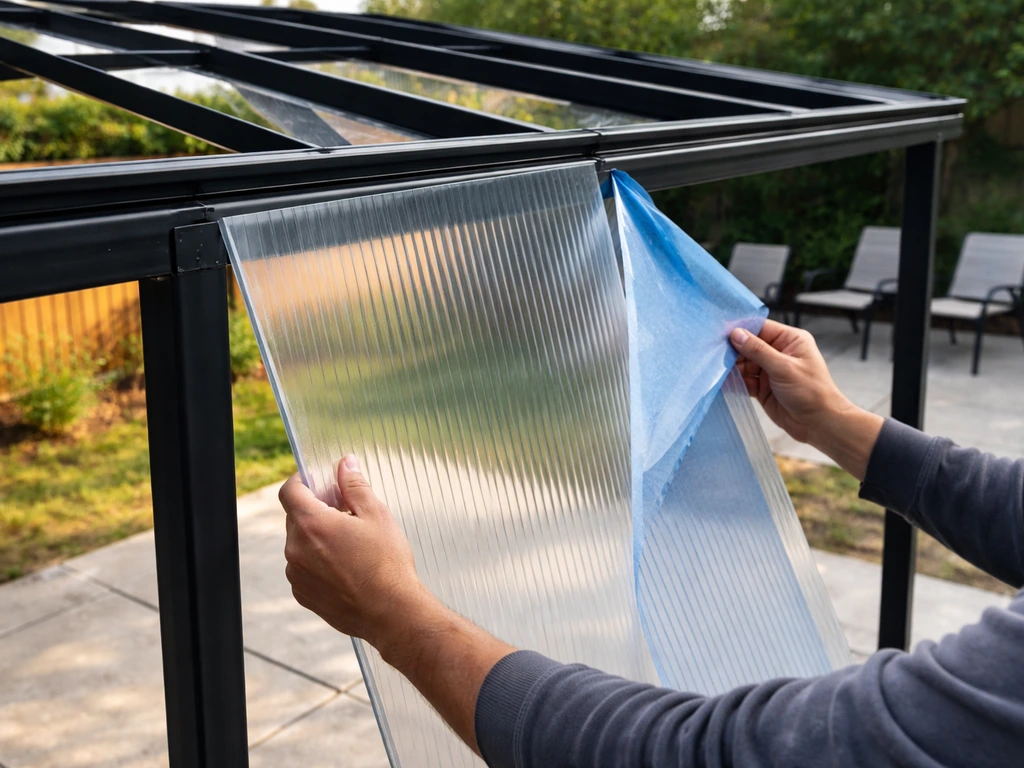
What a BBB rating can (and can't) tell you about patio enclosure contractors

BBB ratings run from A+ down to F and are calculated using factors like complaint history, how long the business has been operating, transparency about its ownership and licensing, and how consistently it responds to customer complaints. A business can also be dinged if the BBB requested information from them and they ignored it. That last part matters: a lower-than-expected rating sometimes reflects a contractor who simply didn't bother responding to BBB's outreach, not necessarily one with a long list of unhappy customers.
Here is where a lot of homeowners get tripped up. A shiny A+ rating does not mean the company does flawless work. It means they are responsive to complaints and meet certain transparency standards. Plenty of contractors with A+ ratings have complaint histories that reveal real problems, such as installation delays, surprise change orders, or warranty disputes. The rating tells you about administrative behavior. The actual complaints tell you about job-site behavior. You need to read both.
BBB Accreditation is a separate and voluntary step. Accredited businesses have blank" rel="noopener noreferrer">agreed to BBB's Standards for Trust, which include being honest, transparent, and responsive, and they must maintain at least a B rating at their company-owned locations to keep that accreditation. BBB Accreditation standards also reiterate the requirement to maintain a BBB Rating of B or better to keep that accreditation blank" rel="noopener noreferrer">must maintain at least a B rating at their company-owned locations to keep that accreditation.. An accreditation badge is worth something, but it is not a guarantee of quality craftsmanship. Think of it as a credibility floor, not a quality ceiling.
How to use customer review aggregation effectively
When you are reading patio enclosure reviews, the single most useful thing you can do is filter for reviews that mention specific details. Generic five-star reviews that say 'great job, very happy' tell you almost nothing. What you want are reviews that describe the actual experience: how long installation took, whether the crew pulled permits, whether the project came in near the quoted price, and what happened when something went sideways.
On aggregator sites like this one, look for regional clusters of reviews. If you are searching for patio enclosures austin reviews, focus on posts that mention permits, installation timeline, and what the company did when issues came up patio enclosure reviews. A contractor who does excellent work in one metro area may have a completely different track record in a city two hours away, especially if they use subcontractors for outlying markets. If you are in St. Louis, reviews from Austin or the Northeast may not reflect what your local crew will actually deliver. Always filter by geography first, then by enclosure type, because a company that installs screen rooms beautifully may struggle with four-season glass enclosures.
- Look for reviews that mention timeline accuracy (did the project finish when promised?)
- Prioritize reviews that describe permit handling and inspection outcomes
- Find reviews that reference warranty claims, not just installation day
- Read negative reviews in full, not just the star rating, to spot recurring complaint themes
- Check whether the company responded to negative reviews and what tone they used
- Filter by your region and your specific enclosure type (screen room, sunroom, four-season, etc.)
- Give more weight to reviews posted in the last 18 to 24 months, since ownership and staff change
National brands like Patio Enclosures by Great Day Improvements operate through dealer networks, which means two locations under the same brand name can have very different customer experiences. The same principle applies when you see aggregated reviews for American Patio Enclosures or regional players specific to a city like Austin or St. Louis. Always trace the review back to the specific dealer location, not just the parent brand.
How to read BBB complaint patterns and response quality
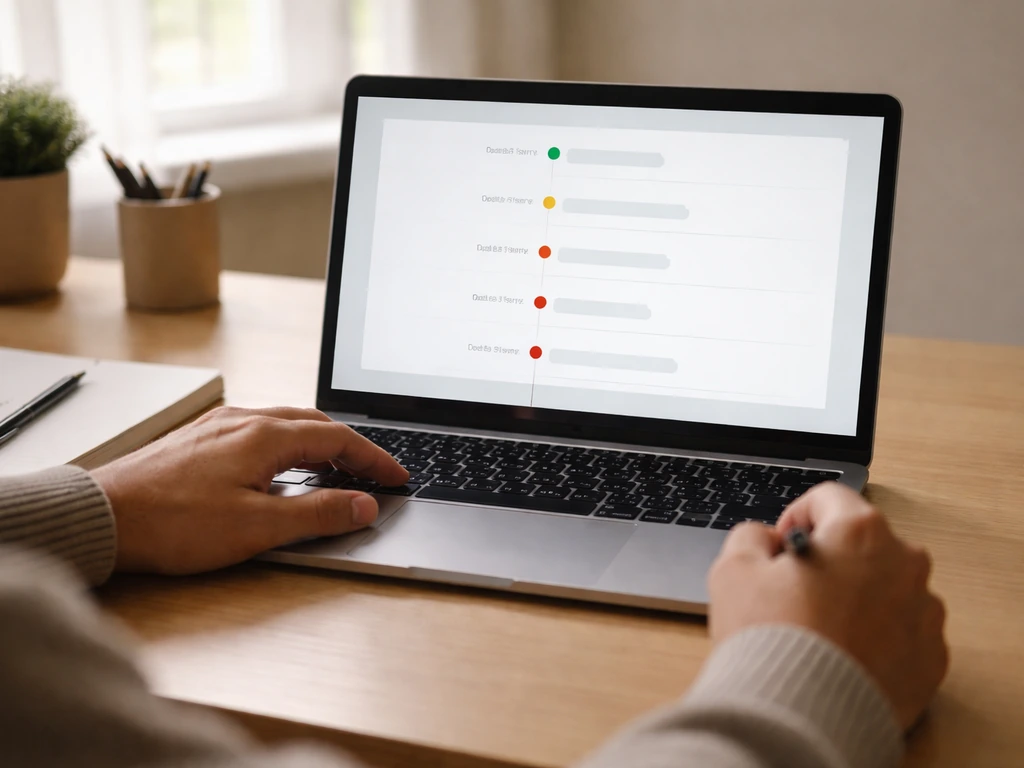
When you pull up a contractor's BBB profile, do not just look at the letter grade. Click into the complaint history and understand what you are reading. BBB uses three complaint status labels, and they mean very different things.
| BBB Complaint Status | What It Actually Means | What to Watch For |
|---|---|---|
| Resolved | Consumer confirmed the issue was fixed to their satisfaction | Good sign, but check how long it took to resolve |
| Answered | Business responded, but consumer did not accept the resolution or did not follow up with BBB | Read the business's response carefully for tone and substance |
| Unanswered | Business never responded to the complaint | Major red flag, especially if there are multiple unanswered complaints |
BBB gives businesses 14 calendar days to respond to a complaint. If a company consistently blows past that window or ignores complaints entirely, it will drag down their rating, but more importantly, it tells you something real about how they treat customers after the check clears. When you find Answered or Resolved complaints, actually read what the business wrote. A defensive, blame-shifting response to a complaint about a leaking roof panel is just as much a red flag as no response at all.
Pattern recognition is more valuable than raw complaint count. A company that has done 500 installs and has 12 complaints is statistically very different from one that has done 50 installs and has 12 complaints. Also look at what the complaints are about. Isolated complaints about billing miscommunication are less alarming than repeated complaints about structural issues, permits never pulled, or projects abandoned midway. When you see the same type of complaint appearing three or more times, treat it as a pattern, not a coincidence.
Consumer Reports vs. contractor-specific reviews: filling the gap
Consumer Reports does not publish contractor-level ratings for local patio enclosure companies. Their model is built around testing physical products like appliances and vehicles at scale, which does not translate to a regional contractor who may do 30 to 200 installs a year. If you came here hoping Consumer Reports had already done the vetting for you, they have not, and that is okay. The right substitute is a combination of sources: the BBB complaint history described above, local contractor review aggregators like this site, Google and Houzz reviews filtered for your region, and firsthand references from the contractor's past customers.
When direct listings do not exist for a smaller regional company, you are not stuck. Look up the contractor's license number with your state's contractor licensing board, check whether they have pulled permits with your local municipality before (you can often do this through public permit records), and search their business name in combination with your city name across multiple review platforms. The absence of any reviews at all is itself a data point worth noting.
For national brands with patioenclosures.com-style web presences, check whether reviews on their corporate site match what independent aggregators show. Corporate review portals often curate heavily. Cross-referencing against BBB complaints and independent review sites gives you a more honest picture. If a brand's own site shows 4.8 stars but their BBB profile has 40 unresolved complaints in the last three years, trust the BBB data.
Red flags and green flags when comparing enclosure companies

After reading hundreds of patio enclosure reviews, certain signals consistently predict either a smooth project or a painful one. The table below summarizes the most reliable indicators across the categories that matter most.
| Category | Green Flag | Red Flag |
|---|---|---|
| Warranty | Written warranty specifying labor AND materials, clearly stating what voids it | Verbal-only warranty, warranty limited to parts only, or fine print that excludes most failure scenarios |
| Permits | Company handles permit pulling and mentions inspections proactively | Company discourages permits, says 'it's not required here' without verifying, or asks you to pull your own |
| Workmanship | References available on request, past projects verifiable, crew is company-employed not always subcontracted | No references, photos only from marketing materials, crew changes between visits with no explanation |
| Timeline | Written project schedule in contract with milestone dates | Vague 'a few weeks' estimate, no start date committed in writing, history of multi-month delays in reviews |
| Change orders | Clear process for pricing changes before work begins, itemized quotes | Reviews mention surprise invoices at end of project, verbal agreements that were later disputed |
| Communication | Designated project manager or contact named before signing | Multiple reviews mention calls going unreturned, especially post-installation |
One thing worth emphasizing on permits: skipping them is not just a paperwork inconvenience. An unpermitted enclosure can create real problems when you sell your home, make an insurance claim, or need a repair inspection. Any contractor who pushes back on pulling permits, or who suggests you 'won't need them for something this small,' is giving you a reason to walk away, regardless of how good their BBB rating looks.
A practical shortlisting and decision checklist for today
This process takes a few hours spread across a day or two. Do not skip steps because a contractor seemed great in person. The ones who are most charming during the sales call sometimes have the worst post-installation records.
- Start with 3 to 5 candidate companies from a review aggregator, filtered to your specific region and enclosure type
- Look up each company on BBB (bbb.org), note the rating, accreditation status, and total complaint count over the last 3 years
- Read every complaint filed in the last 18 months in full, categorizing them by type (installation, billing, warranty, communication)
- Cross-check each company's reviews on at least two independent platforms beyond BBB (Google, Houzz, this site, Yelp)
- Flag any company with unanswered BBB complaints or a pattern of the same complaint type appearing more than twice
- For remaining candidates, call and ask for 2 to 3 local references from projects completed in the past 12 months
- Verify the contractor holds a current license with your state's licensing board and carries liability insurance and workers' comp
- Check with your local building department whether the company has pulled permits in your area before
- Request written quotes from your top 2 to 3 companies, itemized by materials, labor, permit fees, and any known variables
- Compare quotes side by side for scope, not just price, looking for anything one contractor includes that another excludes
Questions to ask and documents to request before signing
A contractor who gets annoyed by detailed questions is telling you something important. Good contractors expect and welcome thorough homeowners, because it protects both sides. Go into every quote meeting with these questions ready.
Questions to ask during the quote
- Who specifically will be doing the installation, your own crew or subcontractors?
- Will you pull the building permit, and can I see the permit before work starts?
- What is a realistic start date and project duration in writing?
- What triggers a change order, and how are change order prices determined?
- What does your warranty cover specifically, and what voids it?
- Who do I call if there is a problem six months after installation?
- Can you provide contact information for two or three recent local customers I can call?
- What happens if the project runs over the quoted timeline due to your scheduling?
Documents to request and verify before signing
- Written itemized contract with start date, completion milestone dates, and total price
- Proof of current contractor's license (verify the license number independently with your state board)
- Certificate of liability insurance and workers' compensation coverage, dated within the current year
- Written warranty document, not just a verbal promise or a line in the sales brochure
- Change order policy in writing, including how pricing for additions or scope changes is calculated
- Copy of the permit application or confirmation that permit will be pulled before work begins
- Written payment schedule tied to project milestones, not arbitrary dates or large upfront lump sums
One final note: never pay more than 10 to 20 percent upfront before work starts. Contractors who demand 50 percent or more before breaking ground are a consistent red flag across patio enclosure reviews nationwide. A fair payment structure ties installments to actual progress, like deposit at signing, payment after framing, and final payment only after inspection and your walkthrough approval. If a contractor pushes back on that structure, that tells you something worth knowing before you hand over a large check.
FAQ
What should I do if the BBB letter grade is high, but the complaint details sound minor?
Read the specific issue category and the company response. If complaints are mainly about communication or scheduling, look for consistent “answered” language and timely outcomes, then check whether the same pattern repeats multiple times. If the issues involve leaking, structural integrity, permits, or abandoned projects, treat the complaints as meaningful even if the overall tone seems minor.
How can I tell whether a patio enclosure review is real or has been heavily filtered?
Prioritize reviews that mention verifiable specifics, like enclosure type (screen, vinyl, glass), installation duration, whether gutters or drainage were adjusted, and if a permit was visibly referenced in paperwork. Also compare the reviewer’s timeline, location, and photo details to what the contractor advertises. Reviews that lack any of these details or only repeat generic praise are less useful.
If a contractor does my area well, should I still worry about differences between “dealer” locations?
Yes. Even within the same brand, dealers can use different crews and subcontractors, so experiences can diverge. Always confirm the exact local office that will pull permits and schedule the install, then ask who will be on-site and whether the work is subcontracted.
What are the most important questions to ask about permits before signing?
Ask who will apply for the permit, what inspections will be required before the enclosure is considered complete, and when the permit is expected to be issued. Also request the permit number or documentation you can verify with your city, and confirm whether any work begins before the permit is approved.
How should I interpret BBB complaint statuses like Answered, Resolved, or Unanswered?
Use the status as a clue, not a verdict. A complaint marked “Resolved” should include a concrete fix, dates, or reimbursement details. “Answered” should be read carefully for whether the business addressed the underlying workmanship or only disputed the customer’s perspective. “Unanswered” is a stronger warning sign when the complaint involves installation defects or warranty issues.
What payment schedule is safest for patio enclosures reviews to align with?
A safer pattern is small deposit at signing, payment tied to measurable milestones (for example, framing/install start, panel or roof completion, then final walkthrough). Avoid any plan that asks for half or more before work begins. If they cannot explain what each payment buys in the project timeline, that is a red flag.
What if there are zero reviews for a smaller regional contractor in my city?
Treat it as a data point, not automatic proof of quality. Verify the contractor’s license status, check permit history through public records if available, and request at least two recent references from customers within your metro area. If they cannot provide local references, assume higher risk and add stronger contract safeguards.
How can I check if review writers mention the same enclosure type as mine?
Before trusting a cluster of reviews, filter by enclosure category and seasonal claims. Screen rooms and four-season glass enclosures have different structural, sealing, and insulation considerations, so “great screen room reviews” might not translate. Look for the same features you want, like ceiling type, roof system, and weatherproofing performance.
Should I rely on national brand reviews if my local dealer has different results?
Cross-check anyway. Corporate or franchise sites can be curated, so compare what you see there against independent aggregators and your BBB complaint details for the specific local location. If the dealer’s BBB history shows repeated unresolved warranty or permit issues, discount overly positive curated ratings.
What contract terms should I ask for when the reviews mention timeline problems?
Request a written start date window, completion target, and a clear change-order process if delays occur. Also ask whether delays from materials, weather, or inspections shift the timeline. If reviews mention “surprise change orders,” make sure labor, materials, and scope are itemized, and that pricing changes require written approval.
Next Articles

Ohio Custom Pool and Patio Reviews: How to Compare Contractors
Learn how to trust Ohio custom pool and patio reviews, spot red flags, shortlist pros, and request accurate bids.
Oklahoma Pool and Patio Reviews: How to Choose a Contractor
Use verified Oklahoma pool and patio reviews to vet contractors, spot red flags, and choose by workmanship, communicatio

BMR Pool and Patio Reviews: How to Choose the Right Contractor
BMR pool and patio reviews guide: compare ratings, spot red flags, verify licensing, and shortlist the right contractor.