
If you're searching patio covers Las Vegas reviews, you already know the hard part: there are dozens of contractors in the valley, the stakes are high (we're talking a permanent structure on your home), and the reviews scattered across Google, Houzz, Angi, and Nextdoor can feel impossible to compare. Here's how to cut through it: use this site's aggregated, verified review content to build a shortlist of three to five specialists, then use the patterns in those reviews to write your hiring checklist before you ever take a consultation call. If you are also deciding between Vailge and other local brands, you may want to add ravenna patio covers reviews to your comparison set for another homeowner perspective on build quality and service. If you're specifically comparing Vailge patio cover options, check vailge patio covers reviews to see how other homeowners describe the build quality, communication, and long-term performance.
Patio Covers Las Vegas Reviews: How to Choose a Contractor

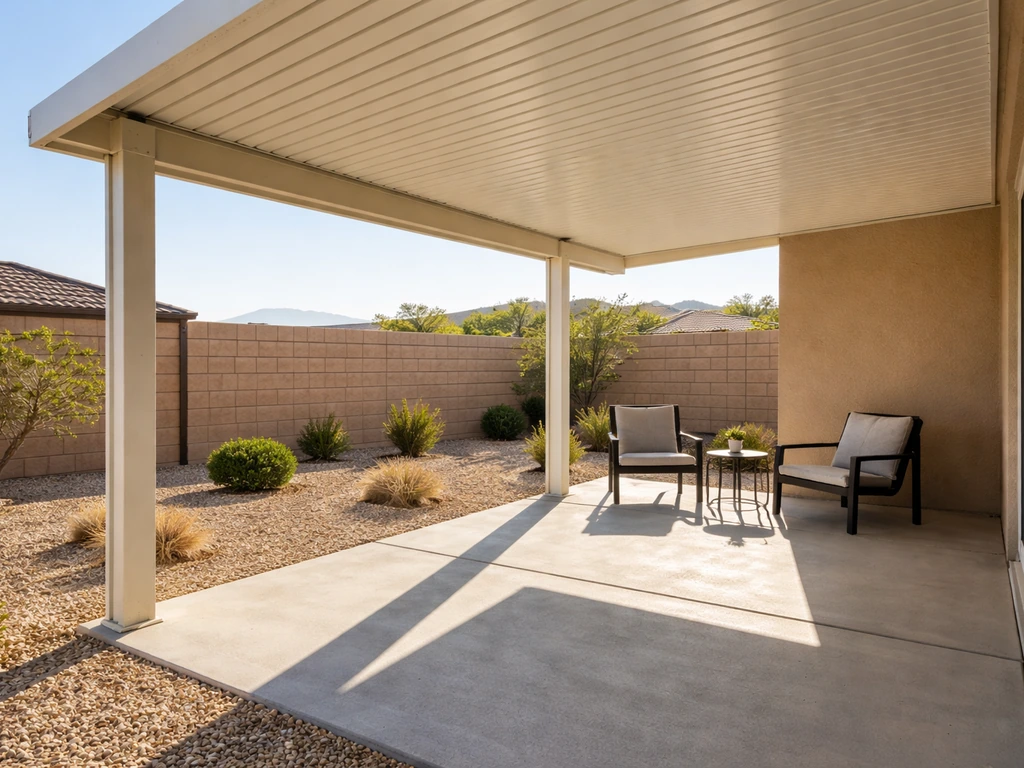
How to use Las Vegas patio cover reviews to shortlist contractors

Start by filtering for specialists, not general contractors. A contractor who lists patio enclosures, lattice covers, pergolas, and sunrooms as their core services is a fundamentally different hire than someone who added patio covers to a long menu of home improvement work. On platforms like Angi, you can see the services category right on the contractor profile alongside the numeric rating and review count. On Houzz, look for a robust project portfolio with photos that match the type of cover you want, not just a high average score.
Once you've identified specialists, look for review volume and recency together. A contractor with 80 reviews but the most recent one from three years ago is a different risk profile than one with 25 reviews all from the last 18 months. Las Vegas has seen significant growth in outdoor living projects since 2021, and a contractor's current capacity and crew quality matter more than their historical peak.
The most efficient shortlisting method is to read the one-star and two-star reviews first. That sounds counterintuitive, but the negative reviews tell you what a contractor does when things go wrong, which is the actual test. Look for response patterns: does the company reply to negative reviews professionally and offer to resolve the issue, or do they get defensive and blame the customer? That behavior tends to repeat itself in your project.
Cross-referencing reviews across platforms adds confidence. If a contractor has strong ratings on this site, consistent Houzz work-quality scores, and verified neighbor recommendations on Nextdoor, that convergence is meaningful. If they look great on one platform and invisible or weak on others, dig deeper before shortlisting them.
What to look for in verified patio cover review categories
Platforms like Houzz break reviews into structured categories: Work Quality, Communication, and Value. These aren't just nice labels. They're decision filters. A contractor who scores 4.8 on Work Quality but 3.2 on Communication is telling you something specific: the finished product might be solid, but you'll likely chase them for updates, get vague answers during the project, and feel ignored if a problem comes up after installation.
For Las Vegas patio covers specifically, here's what to look for in each review category:
| Review Category | What Strong Reviews Say | Red Flag Language |
|---|---|---|
| Materials | Named specific products (aluminum, Alumawood, insulated panels), matched what was quoted | "Different material than promised," "cheaper than expected," "substitute without notice" |
| Build Quality | Noted clean welds, tight seams, level installation, no wobble or flex | "Sagging already," "rattles in wind," "posts aren't plumb," "rushed finish work" |
| Permits | "They pulled the permit," "passed inspection," "handled Clark County submittal" | "No permit mentioned," "told us it wasn't required," "failed inspection" |
| Cleanup | "Left the yard cleaner than they found it," "hauled all debris" | "Left concrete mix on pavers," "debris in pool," "screws in lawn" |
| Communication | Proactive updates, responded within 24 hours, showed up when scheduled | "Never called back," "always an excuse," "had to chase them for weeks" |
The permit category deserves special attention in Las Vegas. Clark County requires building permits for free-standing and attached structures including shade structures and patio covers, and the City of Las Vegas runs blank" rel="noopener noreferrer">patio cover applications through its Building and Safety process with a formal application checklist and jobsite permit requirements. Any contractor telling you a permit isn't needed for a standard attached or free-standing patio cover in the valley is either wrong or hoping you don't check. An owner or authorized agent must apply for and obtain the required permit before erecting, installing, altering, or repairing a building or regulated work in Clark County blank" rel="noopener noreferrer">permit isn't needed for a standard attached or free-standing patio cover. Reviews that mention passing inspection and permit handling are a strong positive signal.
Common patio cover issues in Las Vegas homes and what reviews reveal
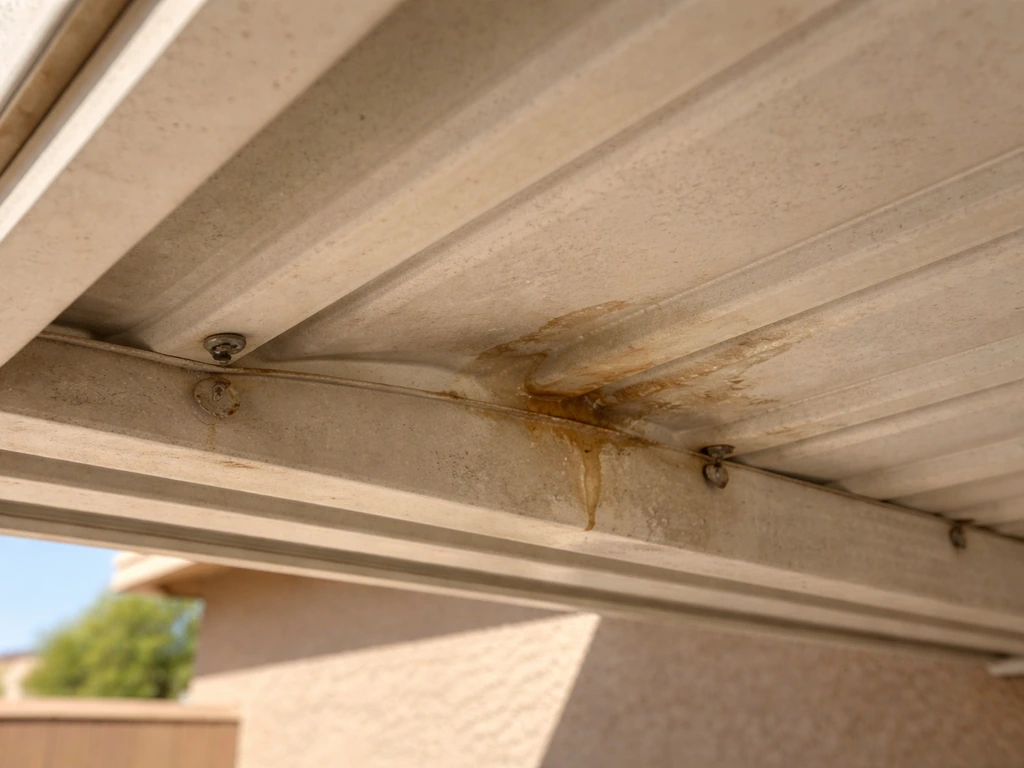
Las Vegas isn't just hot. It's a specific combination of extreme heat, occasional high winds, monsoon drainage events, and neighborhoods governed by HOAs with their own approval timelines and aesthetic rules. These local realities show up in reviews in predictable ways, and knowing what to look for makes those reviews far more useful.
Heat and sun control
This is the most common theme in Las Vegas patio cover reviews, and it's where material choice becomes critical. Reviews that mention insulated panel systems or solid Alumawood covers reducing indoor temperatures measurably are telling you something that an open lattice cover can't match. Look for reviewers who describe actual comfort improvements, not just aesthetics. If every review in a contractor's profile praises the look but nobody mentions whether it actually made the space usable in July, that's a gap worth questioning.
Wind performance
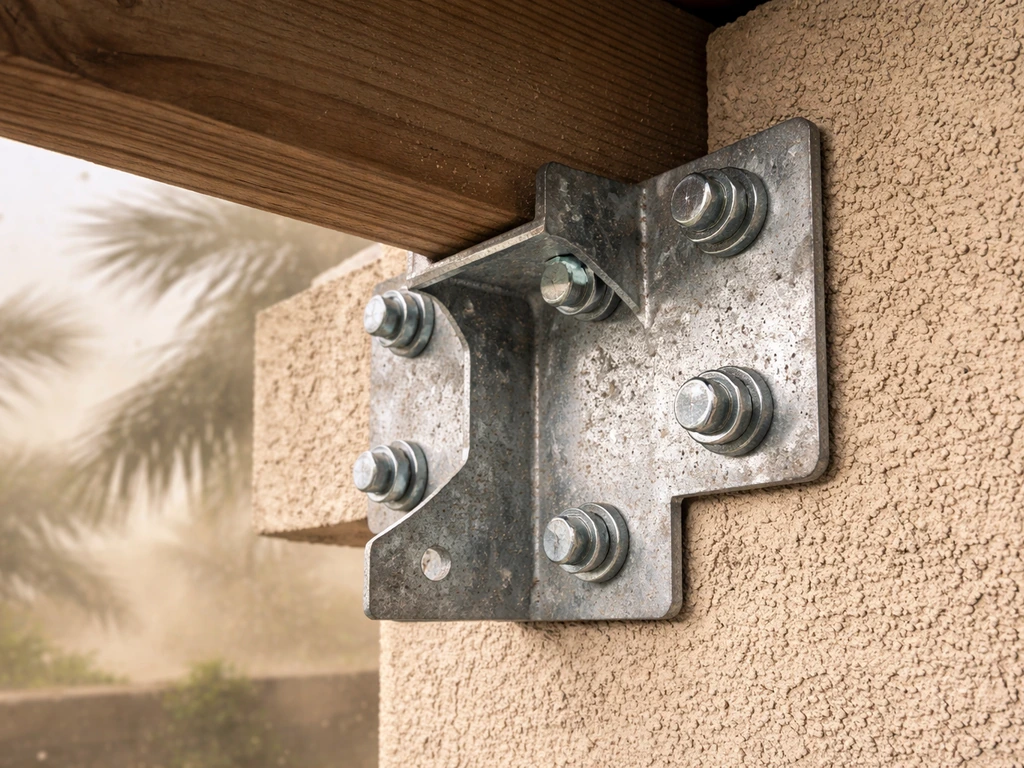
Southern Nevada can see wind gusts exceeding 60 mph during storms, and a patio cover that rattles, flexes, or comes partially loose in those conditions is both a safety issue and a warranty conversation. Look in reviews for mentions of the cover performing through its first summer storm season. Negative reviews that describe structural movement, loose fasteners, or post-wind-event damage after only one or two years are significant warning signs about the original installation quality.
Drainage and water management
Las Vegas receives most of its annual rainfall in intense monsoon bursts, which means drainage design matters even in a desert climate. Reviews that mention pooling water, leaks at wall attachments, or improper slope on flat panel covers indicate a contractor who didn't think through drainage engineering. This is a detail that rarely comes up in sales consultations but appears frequently in honest post-install reviews.
HOA approval and compliance
HOA approval processes add real time to Las Vegas patio projects, and contractors who understand this will build it into their timelines honestly from the start. One real review on Houzz described a patio cover project that was supposed to take five to seven weeks plus two to three weeks for HOA approval but ultimately finished after eight months, characterized by the reviewer as "always excuses." That's not a freak outcome. Contractors who don't proactively manage HOA submissions or who underquote timelines to close the sale create exactly this kind of experience. Reviews that specifically credit the contractor with handling HOA submissions, like the City Seamless reviews where customers noted the contractor pulled the North Las Vegas permit and managed the HOA submittal, are the standard you should be looking for.
Questions to ask before you hire based on review patterns
Once you've read reviews for your shortlisted contractors, turn the patterns you noticed into direct questions for your consultation. Don't ask vague questions. Ask specific ones based on what you actually read.
- "Will you pull the Clark County or City of Las Vegas permit, and can you show me an example of a recent permit you pulled for a similar project?"
- "What's your realistic timeline including HOA approval if my community requires it, and how do you handle HOA submission?"
- "If I see a review on your profile mentioning [specific issue you found], can you tell me what happened and how it was resolved?"
- "What material are you proposing and what's the wind load rating on that system?"
- "How do you handle drainage slope on a solid panel cover, and what's your approach at the wall attachment point?"
- "What does your warranty cover and who do I contact if there's a problem six months after installation?"
- "Can you give me two or three references from projects completed in the last year in my area?"
- "What triggers a change order on a project like mine, and can you show me an example of your change order language in writing?"
A contractor who gets defensive at these questions or gives vague answers is showing you exactly what the mid-project communication experience will look like. Good contractors welcome specific questions because it signals a serious buyer, and they have real answers ready.
Price and value expectations: how reviews can help you judge quotes and change orders
Las Vegas patio cover prices vary widely depending on material, size, and whether you're adding electrical, fans, or misters. Aluminum lattice covers typically run lower than insulated solid panel systems, and custom pergola structures with footings can cost significantly more again. What reviews can do is help you calibrate whether a quote is realistic or suspiciously low.
When you read reviews, pay attention to how often reviewers mention the final cost matching the original quote. A contractor with a pattern of "came in on budget" reviews is managing scope clearly from the start. A contractor whose reviews frequently mention unexpected charges, surprise permit fees, or mid-project upgrades that suddenly became "necessary" is showing you a change-order pattern. Change orders aren't inherently dishonest, but contractors who use an artificially low bid to win the job and then recover margin through changes are a specific and common problem in home improvement contracting.
The Value category score on platforms like Houzz is a useful starting proxy. But read the narratives behind the score. "Great value" from a reviewer who got a basic lattice cover is different from "great value" from someone who got an insulated panel system with integrated lighting and a ceiling fan rough-in. Make sure you're comparing quotes for genuinely equivalent scopes before using price as a tiebreaker.
One practical approach: get three quotes for the identical written scope, then check each contractor's review profile specifically for value and change-order mentions before you decide. A contractor who is $1,500 more expensive but whose reviews consistently say they came in on budget is often a better financial choice than the lowest bidder whose reviews mention unexpected additions.
Warranty, timelines, and customer service: signals to prioritize in reviews
Warranty language in the patio cover industry varies enormously. Some contractors offer a manufacturer's warranty on materials only and a separate (shorter) labor warranty. Others offer a single comprehensive warranty. What matters most is whether the warranty is backed by a contractor who actually responds after the job is done.
Look for reviews that mention post-install follow-up. Reviewers who describe a contractor coming back to adjust something, fix a minor issue, or answer a question months after completion are giving you a signal that the company treats warranty service as part of their reputation, not just a contractual obligation to avoid. Reviews that describe being ignored after final payment, having calls go unanswered, or being told an obvious installation issue is "normal" are telling you the warranty may exist on paper but not in practice.
On timelines: be skeptical of any estimate that doesn't account for permitting and HOA approval time. In Las Vegas, permit processing timelines at Clark County and the City of Las Vegas add real weeks to a project. HOA approval can add two to four weeks on top of that, and some HOAs take longer. A contractor who quotes you a four-week installation without mentioning any of this hasn't thought through your actual project, or is telling you what you want to hear to close the sale. Reviews that praise a contractor for honest timeline communication, even when the timeline was longer than expected, are more reassuring than reviews that simply say "finished on time" with no context.
How to verify review legitimacy and spot red flags

Not all reviews are equal, and in any home improvement category you'll find a mix of genuine customer experiences, reviews written by the contractor's friends or family, and reviews that have been selectively solicited to boost a score. Here's how to evaluate what you're reading.
Signals of legitimate reviews
- Reviewer mentions specific project details: address area, type of cover, approximate size, materials used
- Review includes before/after photos tied to the reviewer's account
- Review describes a realistic timeline including any complications or delays
- Verified purchase or verified job flags on the platform
- On Nextdoor, "verified neighbors are saying" language indicates the reviewer is tied to a real local account with a confirmed neighborhood
- The contractor's response (if any) references specific project details rather than a generic thank-you template
Red flags in review profiles
- Multiple five-star reviews posted within the same week or two, especially from accounts with no other review history
- Reviews that read like marketing copy and lack any specific project detail
- No negative reviews at all on a contractor with 50-plus reviews (statistically unusual in home improvement)
- Negative reviews that are specifically about post-install responsiveness and warranty follow-through (this pattern repeats)
- Contractor responses to negative reviews that attack the reviewer's credibility rather than addressing the issue
- Reviews that reference a business name that differs from the current company name (could indicate rebranding after poor reputation)
Beyond online reviews, verify the contractor's license with the Nevada State Contractors Board and check their BBB profile for any formal complaints. Ask for two or three references from projects completed in the last 12 months, specifically in your area of the valley, and actually call them. Ask those references directly whether the permit was pulled, whether the HOA process was handled, whether the timeline matched what was quoted, and whether anything came up post-install. You'll get more honest information in a five-minute phone call than from reading 20 curated testimonials.
If you're researching specific companies and want to compare profiles side by side, this site aggregates verified reviews for Las Vegas patio cover contractors along with specialists like Premier Patio Covers Las Vegas, making it easier to spot consistent patterns across a contractor's full review history rather than reading isolated posts on different platforms. If you're also weighing premier patio covers las vegas reviews, this aggregated profile can help you spot consistent build-quality, communication, and warranty-response patterns faster than isolated posts. If you want results you can act on quickly, browsing bravo patio covers reviews can help you compare patterns across similar Las Vegas patio cover projects. Some of the regional operators reviewed here also show up in broader coverage of California patio covers and other Southwest markets, which can give you a useful comparison baseline for how a contractor's practices hold up across different project environments. If you are also exploring contractors in California, the same review pattern checks can help you compare options more accurately California patio covers reviews.
The goal isn't to find a perfect contractor. It's to find one whose failure modes you can live with and whose strengths match what matters most to your project. Reviews, read carefully and cross-referenced honestly, are the best tool you have before you sign anything.
FAQ
What should I do if a patio cover contractor has lots of reviews, but mostly for different product types (like pergolas vs insulated panels)?
Treat it as a scope mismatch risk. Ask for 2 to 3 examples of the exact system you want (same material, roof style, and whether it includes fans, lighting, or misters). If their past projects are mostly open lattice or different span/attachment details, discount the ratings for your specific use case.
How can I tell if the reviews are biased or selectively posted on different platforms?
Look for consistency in details, not just star ratings. Genuine feedback usually repeats the same concrete issues (permit handling, fastener corrosion, drainage problems, HOA timelines) and includes photos or specific measurements. If reviews are short, vague, and only praise “great service” without project specifics, assume less reliability.
Are there specific review red flags that usually point to poor installation quality in Las Vegas heat and wind?
Yes. Pay attention to mentions of loose fasteners, shifting posts after storms, squeaking or rattling in wind gusts, and visible gaps near wall attachments. Also watch for “early failure” language (issues within 6 to 18 months), since that often indicates shortcuts in anchoring or framing.
If a contractor says they handle permits and HOA approval, what should I verify before signing?
Ask who submits the permit package, what permit number is used, and whether plan sets include structural and code-required notes for patio cover attachments. For HOAs, request the exact submittal items (cut sheets, elevation drawings, material specs) and who owns re-submission if the HOA requests changes.
What questions should I ask about warranty if I see mixed reviews on post-install support?
Ask for the warranty’s coverage split (materials vs labor), the claim process, and response timelines. Then ask how “labor warranty” is defined (call-out fee, travel time, maximum hours billed). If reviews mention ignored calls after final payment, confirm whether they keep service tickets and documented schedules.
How do I compare quotes using reviews without accidentally comparing different scopes?
Use written scope equivalence checks. Ensure each quote lists the same cover type, panel thickness or system brand, engineering requirements (if needed), attachment method, electrical rough-in scope, drainage approach, and finish options. Then compare review patterns for change orders and “quote accuracy” only after scopes truly match.
What if reviews mention drainage or leaks, but my patio cover is not fully roofed (like a partially covered lattice)?
You should still clarify water management, even with partial coverage. Ask whether the design includes gutters or slope strategy at wall junctions, and whether any flat surfaces create pooling. Reviews about leaks often point to attachment sealing and flashing problems, which can exist even when the cover is not a fully sealed roof.
How important is local experience versus general handyman experience, based on reviews?
Very important. Contractors who regularly build in Las Vegas typically mention the same local constraints in their reviews, like monsoon rainfall timing, wind event performance, and the practical permitting workflow. If the reviewer context feels generic (no mention of local inspection, HOA timelines, or storm conditions), treat the feedback as less predictive.
Should I contact references from the last 12 months even if the reviews look strong?
Yes. Reviews can be outliers. Ask references specifically about permit status timing, whether inspections passed smoothly, how change orders were handled, and whether there was any follow-up after completion. A fast “yes” without specifics is weaker than a reference who can describe the process step-by-step.
What should I watch for if a contractor’s reviews say they “finished on time,” but they also had permit or HOA delays?
Insist on timeline transparency: installation start date, inspection date, and HOA submission dates should be defined in writing. If “on time” excludes permitting or only means framing completed, clarify what you will actually experience (and for how long the project will be exposed to weather) before you commit.
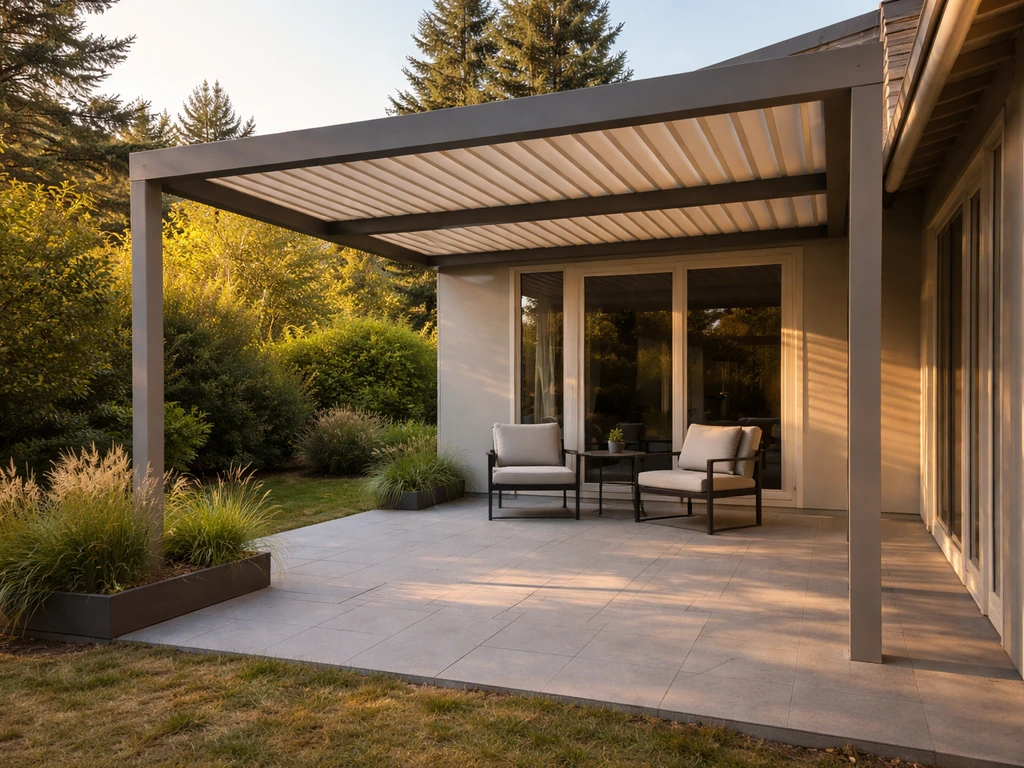
Ravenna patio covers reviews guide to compare contractors, pricing, materials, and red flags before hiring.

Learn how to trust Ohio custom pool and patio reviews, spot red flags, shortlist pros, and request accurate bids.
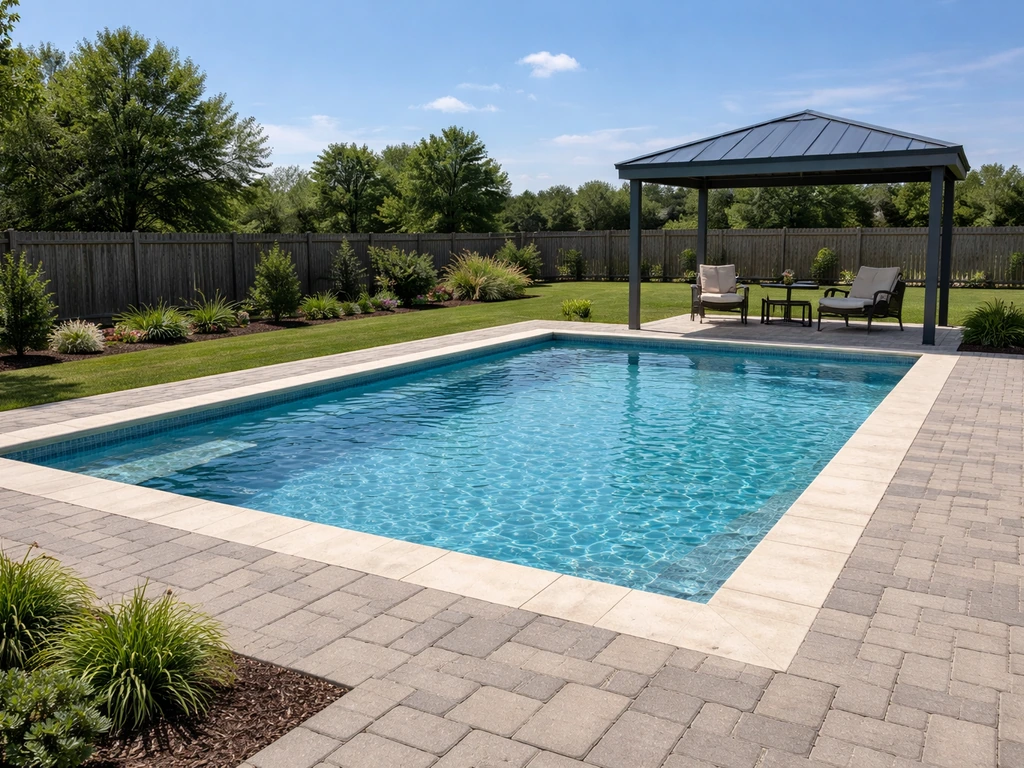
Use verified Oklahoma pool and patio reviews to vet contractors, spot red flags, and choose by workmanship, communicatio