
When Tucson homeowners search for 'patio pools Tucson reviews,' they're almost always trying to hire one contractor to handle the whole outdoor package: a new pool (usually in-ground) combined with surrounding patio or deck work, possibly hardscaping, and sometimes landscaping or a shade structure. The reviews that matter most aren't just star ratings, they're the ones that reveal whether a company actually delivered on schedule, handled surprises without inflating the bill, and left the yard in shape when they drove away. This guide walks you through how to read and use those reviews to make a confident hiring decision, what to ask before signing anything, what the project will realistically cost in Tucson, and the specific red flags that should send you looking elsewhere.
Patio Pools Tucson Reviews: Compare Contractors and Costs

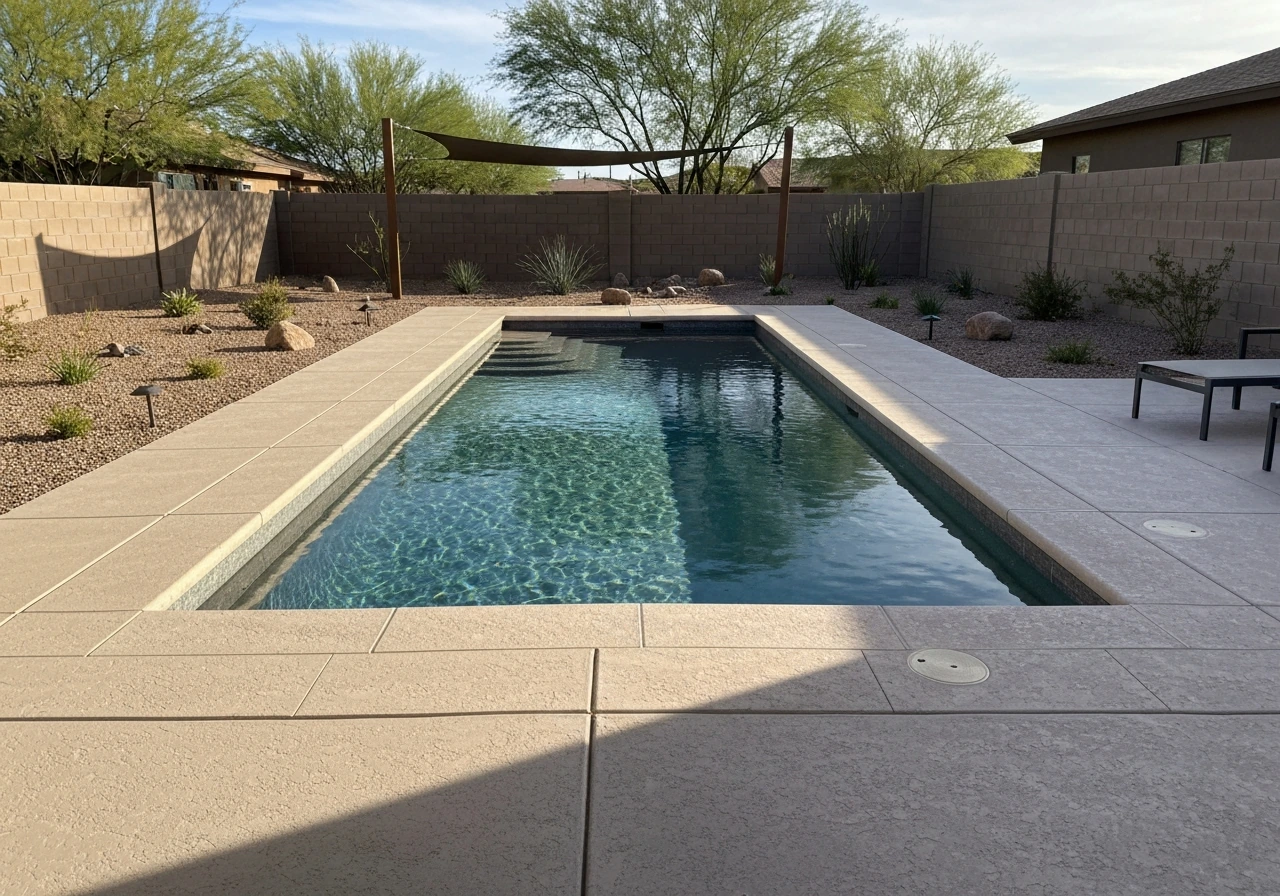
What 'patio pool Tucson' actually means as a project
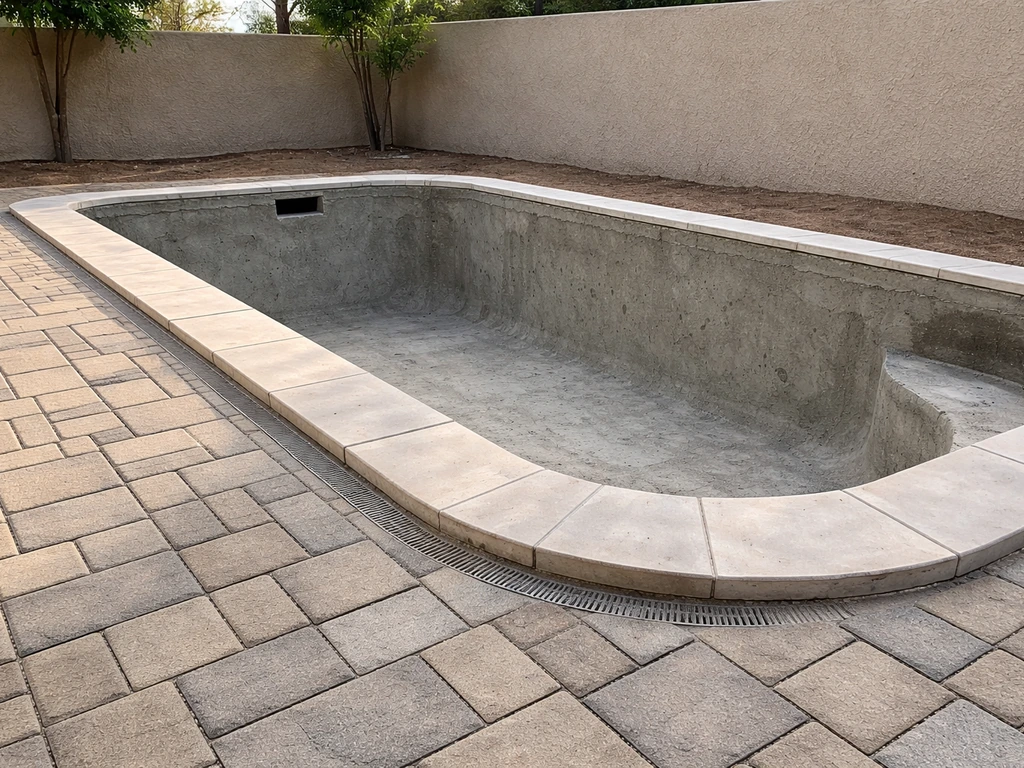
Most people using this phrase aren't shopping for a portable or above-ground setup. In Tucson, a 'patio pool' project almost always means an in-ground pool (gunite/shotcrete or fiberglass shell) built alongside or integrated with a surrounding patio, deck, or hardscape area. The two components are treated as a single design project because the concrete deck, coping, drainage grading, and any shade structures all have to be planned around the pool shell before excavation starts.
Fiberglass shells have become more popular in the Tucson market because they're faster to install (typically 3 to 6 weeks versus 8 to 16 weeks for gunite) and resist the surface cracking that can occur in Pima County's expansive clay soils. Gunite remains the choice for custom shapes and larger builds. Either way, the patio component, travertine, cool-deck, concrete pavers, or flagstone, is a major part of the budget and the visual result, so the contractor you hire needs to be competent at both pool construction and hardscape work, or they need to manage qualified subcontractors for whichever side falls outside their core trade.
Some projects also add a ramada or pergola for shade, an outdoor kitchen, pool safety fencing (required in Arizona for homes with children under six), and irrigation or desert landscaping around the perimeter. AZDHS’s Residential Pool Safety Guidelines also outline Arizona’s pool safety legal framework and the guidance for proper barriers or enclosure around residential pools blank" rel="noopener noreferrer">pool safety fencing (required in Arizona for homes with children under six). That's a legitimate combined scope, and plenty of Tucson contractors handle all of it under one contract. Just know that the more you add, the more important it is that the reviews you're reading actually cover that same combination of work, not just pool-only or patio-only jobs. If you want the most useful tiger pool and patio reviews, prioritize companies whose feedback matches the exact pool-plus-patio scope you’re planning reviews you're reading.
How to read Tucson patio pool reviews the right way
A 4.7-star average tells you almost nothing on its own. What you want to do is look for repeated patterns across a meaningful number of reviews, ideally 20 or more, from the past 12 to 18 months. One glowing review about a project manager named Mike means nothing if the next six reviews mention missed inspections and unanswered calls. The signal is in the repetition.
When reading reviews for a Tucson patio/pool contractor, focus on these five themes specifically:
- Communication during the build: Did the contractor proactively update the homeowner, or did customers constantly chase for status?
- Schedule reliability: How often do reviews mention the project finishing close to the promised date versus running weeks or months over?
- Change order handling: Were surprise costs explained clearly and documented, or did homeowners feel blindsided by add-ons?
- Workmanship on the patio/deck surface specifically: Tucson's heat is punishing—look for reviews that mention how the decking held up after the first summer.
- Post-completion responsiveness: Did the contractor come back to address warranty issues, or did phone calls stop after the final payment cleared?
Also check whether the reviews actually match the type of work you need. A contractor with 40 five-star reviews for pool resurfacing may have zero experience managing a full ground-up pool-plus-patio build. Filter by project type when the platform allows it, and when it doesn't, scan the review text for mentions of new construction, deck work, and landscaping integration. If you can't find reviews that specifically describe your scope, that's worth asking the contractor about directly, ask for a reference list of customers with comparable projects.
Negative reviews deserve careful reading too. A single 1-star review about a billing dispute, surrounded by dozens of positive detailed reviews, is probably an outlier. But if you see three different reviewers mentioning the same issue, say, the grading around the pool caused drainage problems after rain, that's a real pattern you should ask the contractor to address before signing. Contractors who respond professionally and specifically to negative reviews, rather than dismissing them, are generally more trustworthy than those who either ignore them or fire back defensively.
For comparison, review aggregators that cover similar combined patio-and-pool contractors in other markets, including companies like those covered under metro pools and patios reviews or legacy pools and patio reviews, show that the same themes, communication, schedule reliability, and post-job follow-through, are the most consistent predictors of homeowner satisfaction regardless of geography. Tucson is no different.
Questions to ask before you hire anyone

Once you've used reviews to build a shortlist of two or three contractors, the next step is asking the right questions before any contract gets signed. Here's what matters most for a Tucson patio pool project:
- Who pulls the permits? In Pima County, new pools require a building permit, and deck or enclosure work over 30 inches above finished grade requires its own permit. A legitimate contractor pulls these themselves—they don't ask you to do it.
- Are you licensed through the Arizona Registrar of Contractors (ROC)? Pool construction requires a specific ROC classification: B-5 (General Swimming Pool Contractor) for standard pool and barrier work, or B-6 if solar heating is involved. Ask for their ROC license number and verify it yourself at roc.az.gov.
- Who actually does the work? Ask whether the crew building your pool and patio are employees or subcontractors, and if subcontractors, which portions. Subcontracting is normal, but you should know who's on your property and whether the prime contractor is supervising them.
- What's the payment schedule? Never pay more than 10 to 15 percent upfront. Milestones tied to inspections and completion stages are the right structure—not lump sums due before work begins.
- What does the warranty cover and for how long? Get specifics: shell warranty versus surface warranty versus equipment warranty. Ask who handles warranty work if the equipment manufacturer is involved.
- What's the realistic timeline, and what's in writing? Ask for a written project schedule with milestone dates, not just a verbal estimate of 'about 10 weeks.'
- Are there any permits or approvals beyond the standard building permit? Depending on your lot, Pima County may require separate review by the Regional Flood Control District, the wastewater department, or the environmental quality department. Ask if your site triggers any of these.
- What code version applies? As of January 1, 2026, Pima County Development Services enforces the 2024 International Codes and the 2023 National Electrical Code. Your contractor should be aware of these updates, especially for electrical work around the pool.
What this project will cost in Tucson
Tucson patio pool projects vary enormously by scope, but having realistic numbers before you get bids keeps contractors honest. Here are the main cost buckets and what drives them up or down.
| Cost Component | Typical Range (Tucson Market) | What Drives It Higher |
|---|---|---|
| In-ground pool (gunite, standard size) | $50,000 – $85,000+ | Custom shape, water features, depth, soil conditions |
| In-ground pool (fiberglass shell) | $45,000 – $70,000 | Shell size, freight, site access difficulty |
| Concrete/cool-deck patio surround | $8,000 – $20,000 | Square footage, finish quality, color stamping |
| Travertine or paver decking | $15,000 – $35,000+ | Material grade, pattern complexity, edge details |
| Pool safety barrier/fencing | $3,000 – $8,000 | Linear footage, material (aluminum vs. glass panel) |
| Electrical (lighting, pumps, automation) | $4,000 – $12,000 | LED features, smart controls, sub-panel upgrades |
| Gas/heating (pool heater or heat pump) | $3,000 – $8,000 | Heater type, BTU capacity, gas line extension distance |
| Desert landscaping/irrigation integration | $5,000 – $20,000+ | Plant selection, drip system complexity, boulders/gravel |
| Ramada or shade structure | $8,000 – $25,000+ | Material (wood vs. steel), size, roof style |
| Permits and inspections (Pima County) | $1,500 – $4,000 | Project complexity, multiple permit types |
All-in, a well-done combined pool-plus-patio project in Tucson with travertine decking, basic landscaping, a safety fence, and standard equipment typically lands between $90,000 and $140,000. Budget builds with cool-deck and minimal hardscape can come in closer to $65,000 to $80,000. High-end projects with water features, an outdoor kitchen, premium pavers, and a ramada can reach $175,000 or more. If a bid comes in 25 to 30 percent below the next-lowest quote, that gap needs an explanation, either the scope is different or someone is planning to cut corners.
Tucson-specific realities that affect project quality
Building a pool and patio in Tucson is genuinely different from doing the same project in Phoenix, let alone in Florida or the Midwest. Florida pool patio reviews are worth checking for contractors who routinely handle Florida sun, drainage, and finish choices similar to what you want. A contractor who understands Tucson's specific conditions will produce a result that holds up. One who doesn't will leave you with problems that show up in the first monsoon season.
Sun and heat exposure on decking surfaces
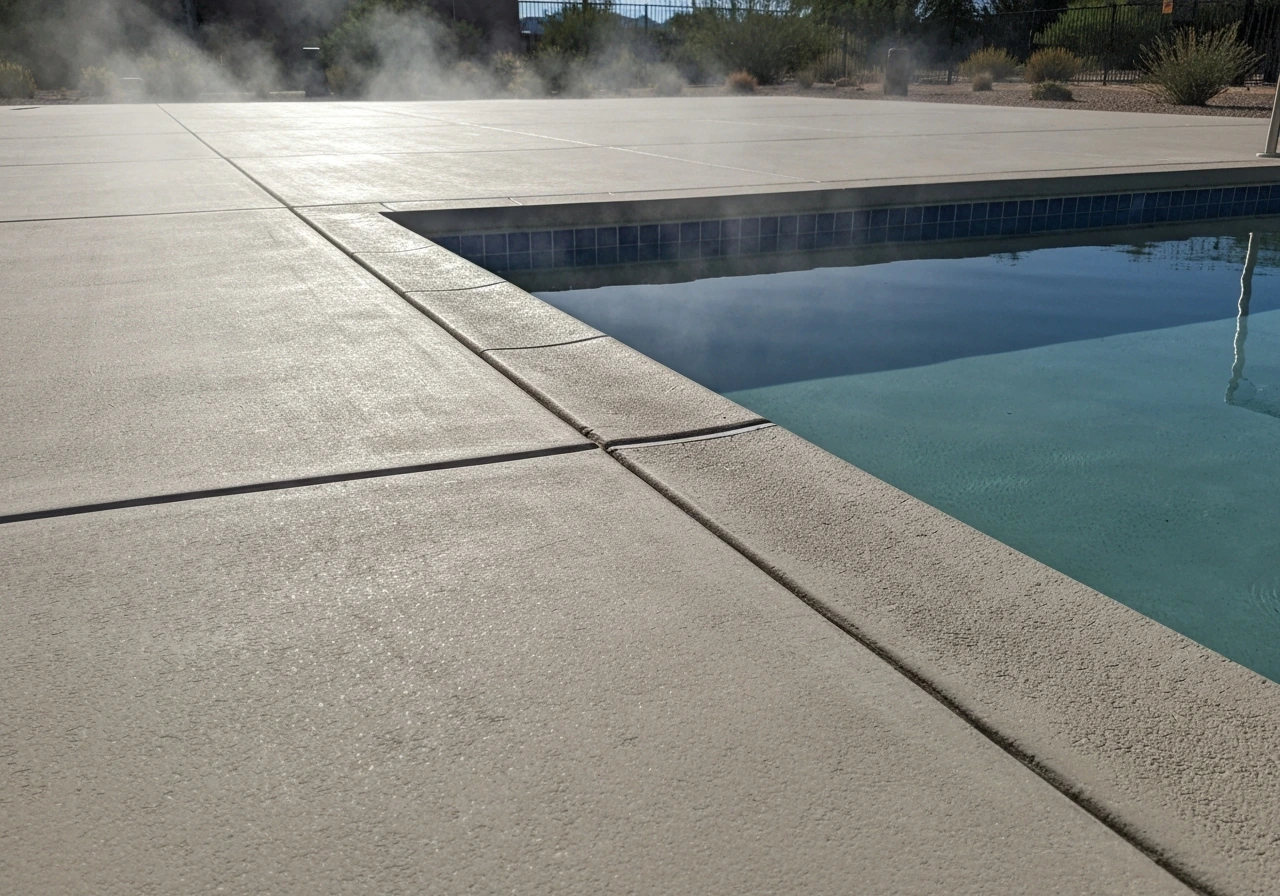
Tucson averages over 286 sunny days per year and regularly hits 105 to 110°F in summer. Standard concrete can reach 160°F surface temperature on a clear July afternoon. This means the decking material and finish are not cosmetic decisions, they're functional ones. Cool-deck (a textured acrylic coating) and light-colored travertine both stay meaningfully cooler underfoot than standard gray concrete or dark pavers. Ask specifically what surface temperatures the contractor's recommended materials reach in direct sun. If they don't have a clear answer, that's a problem.
Drainage and grading around the pool
Tucson's monsoon season (June through September) delivers intense, short-duration rainfall that can dump 1 to 2 inches in under an hour. Poor grading around a pool deck will send that water directly into the pool or, worse, toward your home's foundation. A competent contractor grades the patio surface away from the pool equipment pad and toward designated drainage channels. Ask to see the drainage plan before excavation starts, and look for reviews that specifically mention how the yard performs after monsoon rains.
Coping durability and soil movement
Pima County has expansive clay soils in many areas, meaning the ground swells and contracts with moisture changes. This is particularly relevant for pool coping (the cap material around the pool edge) and the bond beam below it. Contractors who've worked in Tucson long enough know to account for this in their mix designs and expansion joint placement. Coping that cracks or separates within two years is almost always a sign of inadequate prep for local soil conditions.
HOA rules and deed restrictions
Many Tucson subdivisions, particularly in the northwest (Marana, Oro Valley) and east side, have HOA rules governing pool barrier materials, deck colors, equipment visibility, and even the style of shade structures. Some require HOA architectural committee approval before permits are pulled. Your contractor should ask about HOA requirements at the first meeting, if they don't, bring it up yourself. Getting HOA approval after construction starts (or after it's done) is an expensive problem to fix.
Red flags that should stop you from signing
Most homeowners who get burned by a pool contractor ignored at least one warning sign they noticed during the hiring process. Here's what to watch for:
- No ROC license or an expired/suspended license: Check roc.az.gov directly. The ROC's search tool shows current license status, the license class, and any complaints and whether they were resolved. A B-5 or B-6 classification is what you want for pool construction.
- Vague or verbal-only bids: Any contractor who won't give you a detailed written estimate with line items for materials, labor, equipment, and permits is not worth your time. 'About $80k for everything' is not a bid.
- Large upfront deposits: Asking for 30 to 50 percent before any work begins is a red flag. Legitimate contractors with established supplier relationships don't need that much cash up front.
- No mention of permits: If a contractor suggests skipping permits to 'save time and money,' walk away. Unpermitted pools in Pima County create title problems when you sell the home and can require costly demolition to bring into compliance.
- Pressure to sign quickly: 'This price is only good until Friday' is a sales tactic, not a real constraint. Good contractors have full schedules and don't need to pressure you.
- Overly generic bids: A bid that uses identical language to describe your specific site, or that doesn't reference your actual yard conditions, soil, or layout, suggests the contractor didn't actually assess your property.
- Unresolved ROC complaints: One old complaint that was resolved isn't disqualifying. Multiple unresolved complaints, or a pattern of complaints about the same issue (non-completion, billing disputes), is a serious problem.
- No certificate of insurance: Ask for a current certificate showing general liability and workers' compensation coverage. If a worker is injured on your property and the contractor doesn't carry workers' comp, you could be liable.
How to shortlist contractors and book estimates
Here's a practical workflow for getting from 'I found some reviews' to 'I have a signed contract with the right company.'
- Build a list of five to eight candidates using aggregated reviews (this site, Google, Houzz). Filter for Tucson-based contractors with at least 15 reviews and an average above 4.0.
- Apply the quick eliminations: check each ROC license at roc.az.gov, verify the B-5 or B-6 classification, confirm no unresolved complaints. Cross off anyone who fails this step.
- Narrow to three contractors by reading review themes closely. Look for consistent patterns in communication, schedule, and patio/deck workmanship. You want two or three candidates whose reviews show a real pattern of doing the combined scope well.
- Request written estimates from all three. Give each contractor the same written project description (pool size, patio square footage, materials preference, desired features) so the bids are comparable.
- Score each bid on five criteria, one to five points each: (1) Itemization detail, (2) Realistic timeline with milestones, (3) Clear payment schedule tied to completion stages, (4) Specific warranty terms in writing, (5) Contractor's responsiveness during the estimate process itself.
- Ask each finalist for two or three references from combined pool-plus-patio projects completed in the past 18 months. Call them. Ask specifically about schedule adherence, change order handling, and whether they'd hire the same contractor again.
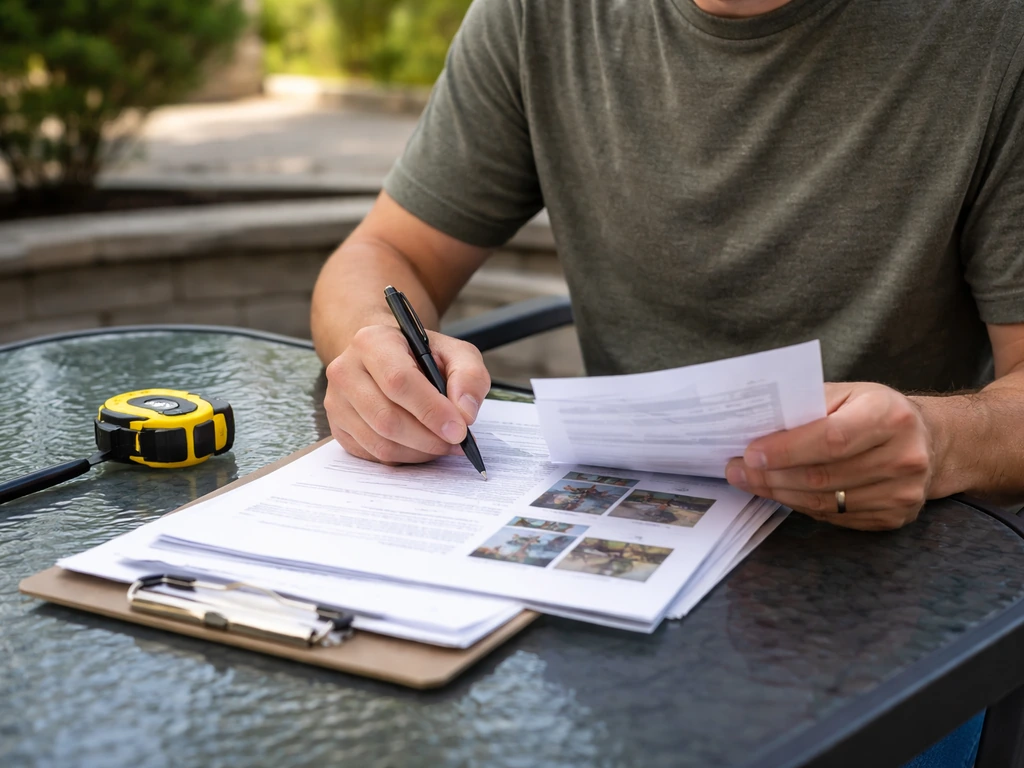
- Before signing, confirm the contract includes: scope of work, material specifications, start and completion dates, payment schedule by milestone, permit responsibility, change order process (written and signed before work proceeds), and warranty terms for both structure and equipment.
- Demand proof of insurance (liability and workers' comp) before the crew shows up. Don't accept a verbal assurance—get the certificate.
The scoring rubric isn't about finding a perfect score. It's about making the comparison systematic so you're not just going with whoever had the best salesperson or the lowest number. A contractor who scores 22 out of 25 with strong references and a detailed written bid is almost always a better choice than one who scores 15 but came in $8,000 cheaper. That gap usually closes with change orders anyway.
Tucson's outdoor living market has grown significantly, and the range in contractor quality is wide. The homeowners who come out well are almost always the ones who read reviews carefully for real patterns, asked hard questions upfront, verified licensing independently, and demanded everything in writing before the first shovel hit the ground. Arizona’s Registrar of Contractors lists “B-5 General Swimming Pool Contractor” and “B-6 General Swimming Pool Contractor, Including Solar” as separate license classifications for different residential pool scopes B-5 General Swimming Pool Contractor and B-6 General Swimming Pool Contractor, Including Solar. That process takes a few extra days, and it's absolutely worth it.
FAQ
How can I tell if a review is for an actual patio-pool combo project, not just pool-only or patio-only work?
Look for details that can only exist when the two scopes were integrated, like mentions of coping tied into deck edges, drainage grading around the pump equipment, and scheduling of patio pours before or after the shell was set. If the review only discusses pool mechanics or only talks about pavers without describing how water run-off and finishes were coordinated, treat it as less relevant and ask the contractor to match your exact scope with a reference.
What should I do if I find mostly recent high ratings but older negative reviews about the same company?
Prioritize patterns from the past 12 to 18 months, but verify whether the complaints were about an operational issue the company could realistically have fixed (for example, staffing, permitting delays, missed inspections). Ask the contractor which subcontractors or project managers were involved in older builds and whether their current workflow addresses the specific failure points described in the earlier reviews.
Is a fiberglass shell a safer choice than gunite in Tucson for patio-pool builds?
Fiberglass often helps with speed and surface cracking resistance in clay-heavy areas, but it does not automatically guarantee better patio performance. Confirm that the contractor has a documented approach for bonding transitions, coping/joint placement, and deck drainage around the shell. Your patio system and how it handles monsoon run-off matter as much as the shell material.
What if the contractor’s bid includes a “good, better, best” menu, how do I prevent cost creep?
Require the bid to list specific products and quantities (deck finish type, thickness, jointing method, drainage components, safety fence material and color) instead of broad allowances. Ask for allowances to be capped and show what triggers a change order, then request a written schedule of selections by phase (design confirmation, excavation, shell set, patio demo and install).
How do I check whether the contractor is handling Tucson permitting and HOA approval correctly?
Ask who files permits and who schedules inspections, and whether they coordinate any HOA architectural committee approval before construction begins. If your HOA requires barrier details or specific fence materials, request the exact submittal items the contractor will provide, and confirm timelines so you do not discover approval issues after the pool is built.
What are the most important drainage questions to ask before excavation?
Request a drainage plan that identifies slope direction away from the home and the pool equipment pad, and where water will go during a monsoon event. Ask how they handle deck-to-pool transitions, whether they use designated drainage channels, and what grading tolerance they target so water does not pond near the bond beam or creep toward your foundation.
Should I be worried if a few reviewers mention “great work but slow communication”?
Yes, but not necessarily as much as missed milestones. Separate responsiveness from schedule adherence by asking the contractor how they handle call-backs, inspection dates, and change-order approvals. In reviews, prioritize repeated mentions of unanswered calls during critical phases like excavation, shell set, or deck pour, because that is when delays become expensive.
What does it mean if reviews say “left the yard in good shape,” but my project includes hardscaping and desert landscaping?
Ask whether restoration includes final grading, debris removal, and any landscape rework needed after excavation. For patio-pool jobs, verify whether the company replaces disturbed irrigation lines, resets boulders or planting zones, and restores any desert landscaping within a defined time window after substantial completion.
How can I use the review “star rating” responsibly when comparing bids?
Treat stars as a starting filter, not a pricing tool. Use reviews to validate schedule reliability and follow-through, then compare bids on line items for scope matches. If one quote is 25 to 30 percent below the next lowest, ask them to explain whether they are using different materials, fewer patio features, or excluding drainage, electrical, or fence requirements that other bids included.
What should I ask about decking temperature and slip resistance beyond cool-deck and travertine?
Ask for expected surface temperatures in direct sun for the specific materials proposed, and confirm whether the contractor checks traction or slip risk for your pool deck texture. Also request how they will finish edges and joints, because heat-related expansion can worsen wear or create uneven surfaces if joints are not planned correctly for Tucson’s soil and sun exposure.
If a contractor can’t provide Tucson-specific references, how should I proceed?
Proceed only if they can explain their local experience through evidence, like photos of comparable projects in Pima County and a clear plan for clay soils, drainage grading, and monsoon performance. If they cannot, ask for a list of references with similar patio-pool integration and request permission to contact at least two past customers whose projects match your scope and timeline.
What “warning signs” during hiring should be treated as deal-breakers for patio-pool Tucson projects?
Treat as major red flags any contractor who avoids showing a drainage plan, cannot clearly describe decking material performance in Tucson heat, refuses to document HOA and permitting responsibilities, or uses vague allowances instead of specifying quantities and products. Also watch for reluctance to put schedule milestones and change-order triggers in writing before work starts.
Learn how to trust Ohio custom pool and patio reviews, spot red flags, shortlist pros, and request accurate bids.
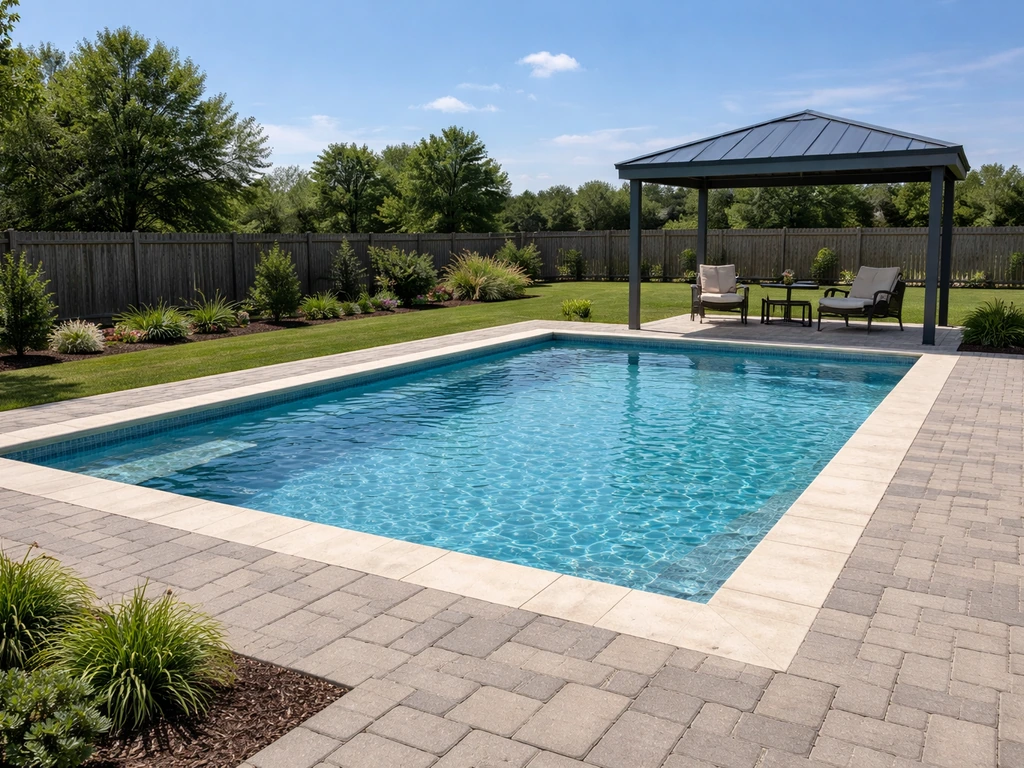
Use verified Oklahoma pool and patio reviews to vet contractors, spot red flags, and choose by workmanship, communicatio
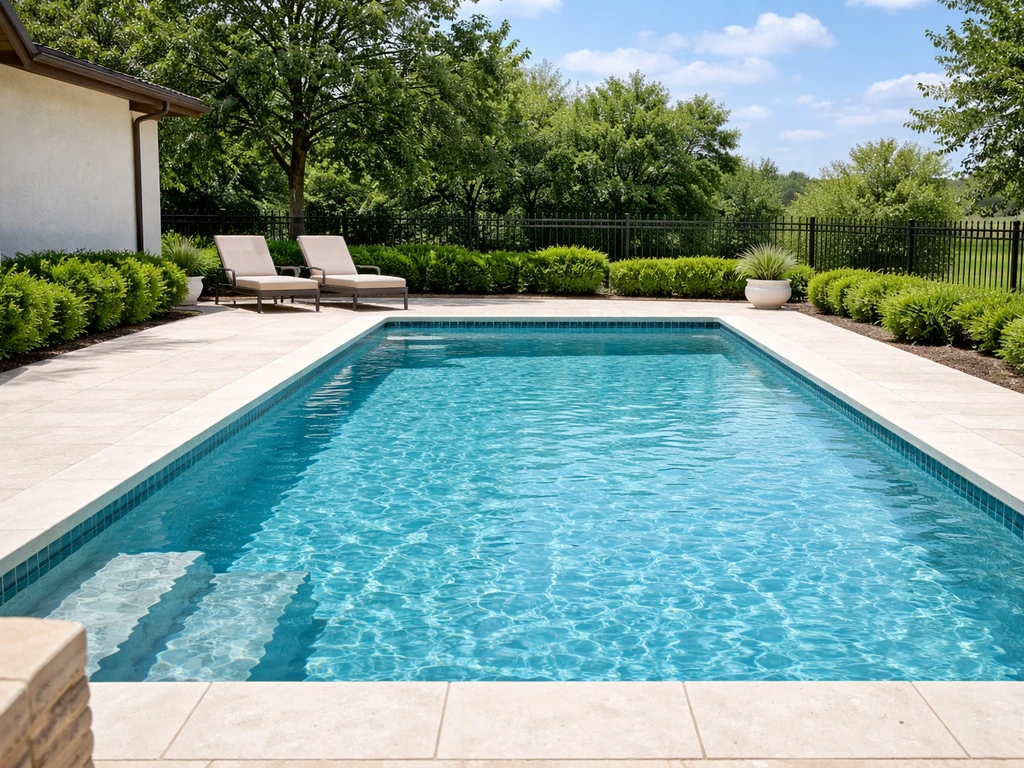
BMR pool and patio reviews guide: compare ratings, spot red flags, verify licensing, and shortlist the right contractor.