
When you search 'patio pools Tampa reviews,' you're likely looking at two different kinds of contractors: full-service pool builders who also handle patios, decks, and screen enclosures (like Patio Pools, which has been operating in Tampa since 1979), and specialty outdoor-living firms that focus on enclosures, pavers, and hardscape but may partner with a pool builder. Knowing which type you're dealing with changes what you should look for in reviews and how you compare bids. This guide walks you through both angles so you can read Tampa reviews with a sharper eye and hire the right contractor with confidence.
Patio Pools Tampa Reviews: How to Choose a Builder Fast

Maren Lawson
1 Jul 2026
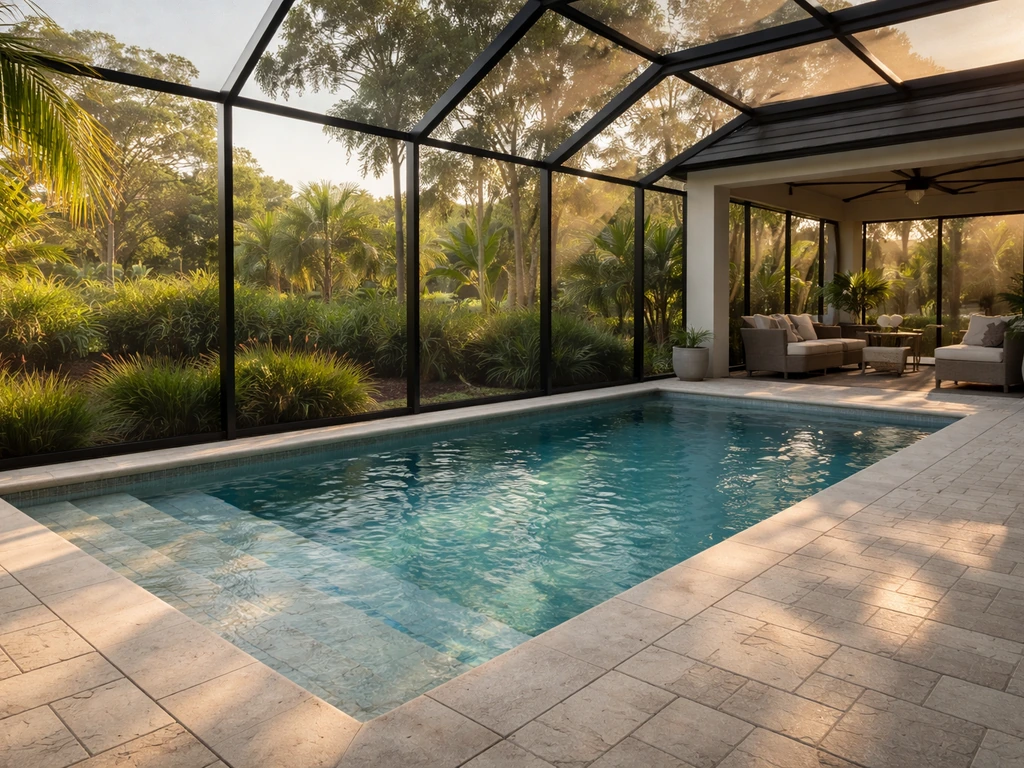
What 'patio pools Tampa' actually means (pool builder vs. enclosure firm)
The phrase blurs two different service types, and Tampa contractors market themselves in ways that blur it further. Here's how to tell them apart quickly.
Full design/build pool contractors
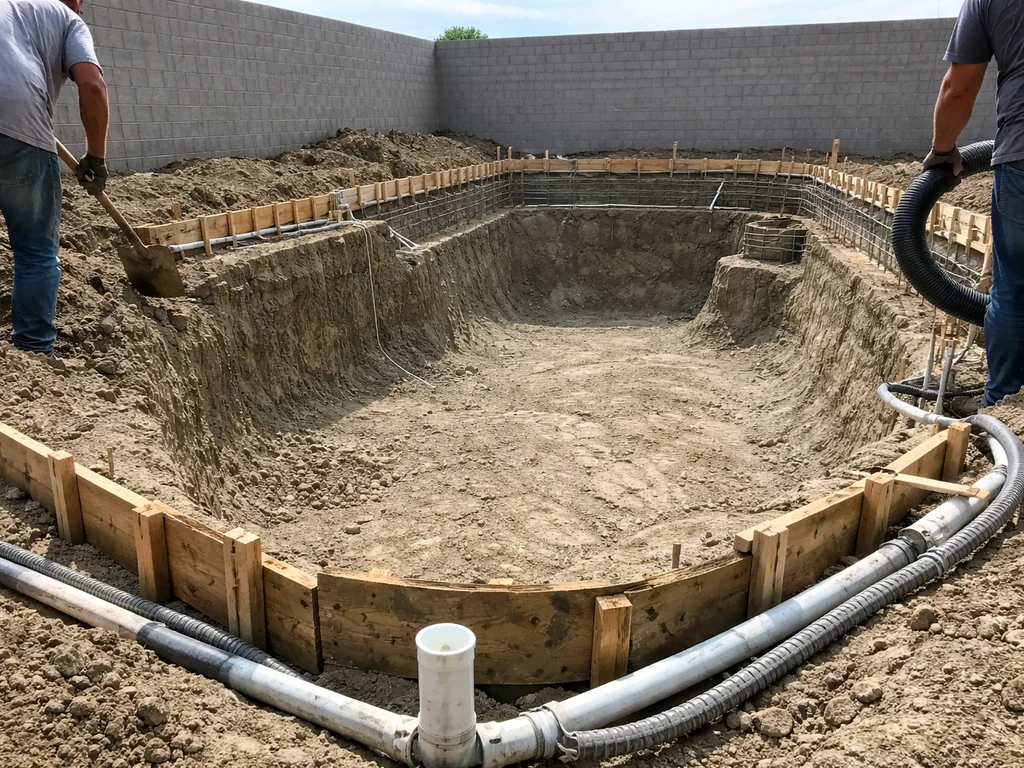
These firms handle pool design, excavation, plumbing and electrical, deck finishes, screen enclosures, and often outdoor kitchens under one roof. Patio Pools (Tampa) and LIV Pools are examples that explicitly market an integrated scope: pool construction, deck materials like pavers or travertine, screen enclosure installation, and coordination of permits from start to final inspection. When reviews mention a single company doing 'everything,' this is the type of firm being described. Their permits fall under the City of Tampa's Residential Pool & Spa permit process, and state law requires their pool builder to hold a Certified Pool/Spa Contractor (CPC) license issued by Florida's DBPR/CILB.
Specialty patio and enclosure contractors
These companies focus on the enclosure and hardscape side: screen cages, pool cage re-screening, patio pavers, travertine, structural lanai extensions, and glass patio integrations. Companies like Florida Cody Pools (screen enclosures), Tradewinds Screens, and BayWave Home & Outdoors advertise scope that includes pulling City/County building permits, handling HOA paperwork, engineering requirements, and installing concrete footers and patio flooring. They often work alongside an existing pool or get brought in after a pool is already built. Their permits follow the City of Tampa's Residential Screen Enclosures permit process, which is a separate application path from a pool permit. The City of Tampa also publishes a Residential Screen Enclosures permit resource with an Application Guide to outline the process for patio and screen-enclosure work City of Tampa Residential Screen Enclosures permit process.
The practical difference: if you're reading a review that says 'they built our pool and put the cage up,' that's a design/build pool contractor. If it says 'they came in and enclosed our existing patio and redid the pavers,' that's a specialty enclosure firm. Both types can be excellent, but mixing up the two when reading reviews leads to bad apples-to-apples comparisons.
How to read Tampa patio/pool reviews without getting misled
Not all review signals carry the same weight. Here's what actually matters when you're sorting through listings on an aggregator site, Yelp, Google, or Angi.
Recency matters more than star average
A 4.8-star average built on reviews from 2019 through 2021 may not reflect a contractor's current quality, crew, or management. Yelp's own documentation notes that review display order depends on recency and user voting, which means older glowing reviews can float to the top. Always sort by most recent and look at the last 12 months specifically. A company that was great two years ago may have expanded, changed crews, or had ownership shifts.
Photo-attached reviews are stronger signals
Yelp confirms that photos matched to a reviewer's own profile and the same business carry more weight as project-specific content. On Angi, photos are part of a verified work profile. A review that says 'beautiful pool deck, here are pictures of the travertine installation' is far more trustworthy than a one-liner like 'great job!' When browsing Tampa contractor listings, prioritize reviews that include photos of actual finished work, especially images showing deck materials, screen cage framing, and coping details.
Platform verification signals
Angi verifies that reviewers actually hired the professional before publishing their review, which makes Angi reviews more reliable for confirming a hire happened. Google and Yelp rely on community trust signals instead. Neither is perfect, but cross-referencing a contractor's rating across two or three platforms gives a much clearer picture than relying on a single source. If a contractor has a 4.7 on Google, a 4.5 on Angi, and consistent themes across both, that's meaningful consistency. If there's a big gap, dig into why.
Look for patterns, not outliers
One bad review about a payment dispute doesn't doom a contractor. Five reviews over two years mentioning the same issue (late starts, change orders added at the end, no final inspection) is a pattern. Read the negative reviews first and ask: do the complaints cluster around one specific problem? That tells you what this contractor's weak point is. Then read positive reviews to see if anyone specifically praises the area the negatives flag, which helps you decide if the issue is systemic or isolated.
Best-fit contractor checklist for Tampa homes
Before you shortlist anyone, run through this checklist. It's built around Tampa's specific permit and licensing requirements, not generic advice.
- Verify the CPC license: For pool construction, confirm the contractor holds an active Certified Pool/Spa Contractor (CPC) license through Florida's DBPR. You can search the DBPR licensing portal directly. For enclosure-only work, verify the appropriate state or Hillsborough County contractor license.
- Confirm they pull permits: Pool permits go through the City of Tampa's Residential Pool & Spa permit process. Enclosure permits follow the Residential Screen Enclosures permit path. A legitimate contractor pulls both. Ask to see proof of permit number before work begins.
- Ask about the inspection schedule: The City of Tampa's residential inspection framework requires pools and spas to pass inspections (including piping tested and fixtures connected) before covering. Ask your contractor to walk you through the inspection milestones so you can track progress.
- Get the warranty in writing for both structure and equipment: A pool shell or finish warranty and equipment warranty are separate things. Ask what each covers, for how long, and who handles the claim (manufacturer or contractor).
- Request proof of general liability insurance and workers' compensation: Both should be current and name your property address on the certificate.
- Confirm HOA coordination if applicable: If you're in an HOA, ask whether the contractor handles submitting plans for HOA approval. Enclosure companies like Tradewinds Screens advertise handling this, but not all firms do.
- Check the BBB listing and cross-reference the license number: The BBB sometimes lists Hillsborough County Contractor Licensing-issued license numbers in their profiles, which you can cross-check against county or state records.
Local service comparison: what Tampa contractors actually offer
Tampa pool-and-patio contractors vary significantly in scope. Here's a practical breakdown of what different service types typically include.
| Service Type | Typical Scope | Permit Path | Common Add-Ons |
|---|---|---|---|
| Full design/build pool contractor | Pool construction, plumbing/electrical, deck, screen enclosure, outdoor kitchen | City of Tampa Residential Pool & Spa permit | Pavers, travertine, lighting, outdoor kitchen, heater |
| Specialty screen/enclosure firm | Pool cage, patio enclosure, re-screening, structural lanai extension, footers | City of Tampa Residential Screen Enclosures permit | Glass walls, pavers/travertine flooring, glass patio integrations |
| Hardscape/paver specialist | Pavers, travertine, concrete, driveway, pool deck resurfacing | Varies (often included in pool or enclosure permit) | Sealing, lighting, drainage, edging |
| Pool remodeling contractor | Resurfacing, equipment upgrades, tile, deck refresh, cage repair | Depends on scope; may require permit for structural changes | LED lighting, heater, automation, screen cage repair |
Where you'll see wide bid ranges is on deck materials and add-ons. Challenger Pools, for example, positions pavers and travertine as premium deck options alongside standard choices. Ultra Custom Pool Design lists pavers, stoning, custom cast coping, and stone/travertine as distinct upgrade tiers. Tampa homeowners in online discussions have reported significant variation in quotes for the same project scope (enclosure plus pavers plus heater), which is almost always a sign that the scopes in each bid aren't identical. More on that in the next steps section.
Red flags to catch in customer reviews
These are the patterns that show up repeatedly in Tampa-area patio and pool reviews, and each one signals a specific operational problem worth taking seriously.
Unmanaged change orders
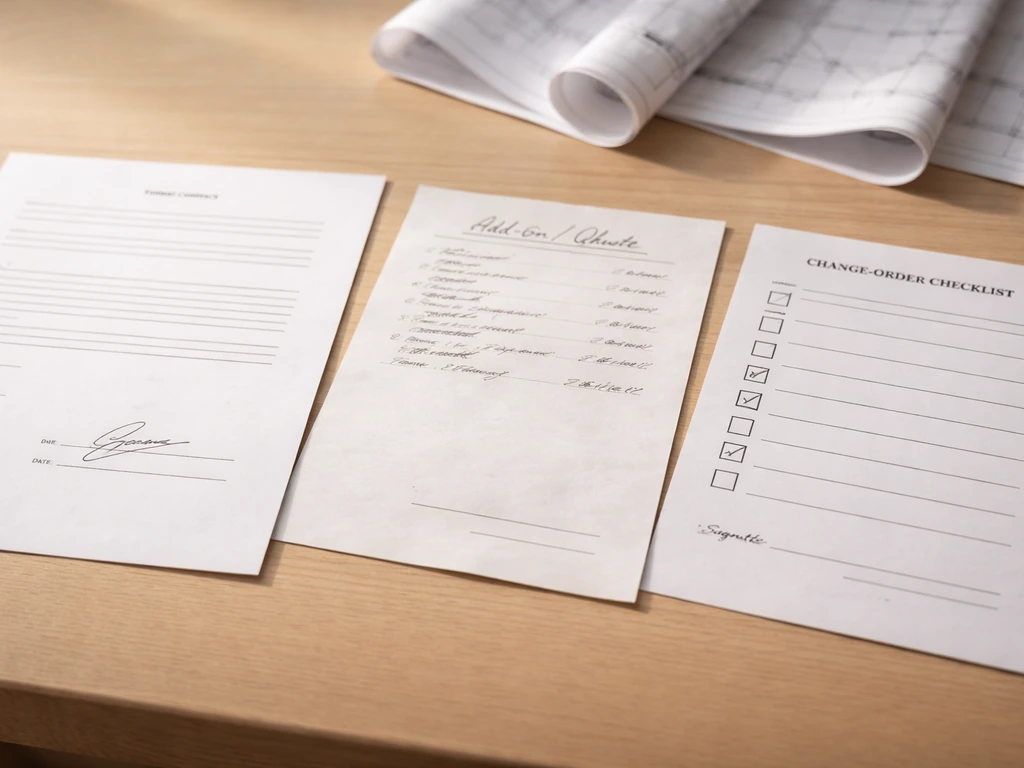
A change order isn't automatically bad. What's bad is when reviewers describe costs that were added verbally at the end of a project without a signed change order documenting the scope and price. Angi's contractor-hiring guidance specifically calls out the importance of a documented change-order process in any contract. Angi recommends making sure the contract includes a documented change-order process so you can spot unmanaged scope creep or surprise costs that are not clearly written down. If you see multiple reviews mentioning 'surprise costs at the end' or 'price changed after work started,' that's a systemic problem, not a one-time miscommunication.
Permit avoidance or permit confusion
This is a big one in Tampa. Reddit discussions from Tampa homeowners specifically call out salespeople claiming permits aren't required for pool enclosures or patio work, and separate threads describe homeowners left holding the bag on after-the-fact permits. Both the pool permit and the screen enclosure permit are required under City of Tampa rules. If a review mentions 'they said we didn't need a permit' or 'we found out later the work wasn't permitted,' walk away from that contractor immediately. You as the homeowner can be held responsible for unpermitted work.
Missed inspection milestones
The City of Tampa's inspection framework requires inspections at specific stages before work is covered. If a reviewer says 'they covered the pipes before the inspection happened' or 'no inspector ever came out during construction,' that's a serious violation, not just a scheduling inconvenience. It means work that required official sign-off was skipped, which creates liability and potential safety issues down the line.
Vague or verbal warranty promises
Tampa homeowners have flagged instances of contractors describing 'lifetime warranties' on pool shells or finishes verbally during the sales process, only for those claims to disappear after installation. If a reviewer mentions difficulty getting warranty service honored, or that the warranty turned out to cover less than what was pitched, pay attention. Always ask for the warranty document before signing anything.
Communication breakdown after install
This is the most common complaint pattern across Tampa patio and pool reviews: the contractor is responsive during the sales and build phase, then becomes hard to reach when punch-list items, equipment issues, or warranty claims come up after the job is done. Look for reviews that specifically mention post-install responsiveness. A company that finishes strong and stands behind its work is worth paying a bit more for.
Material substitutions without disclosure
Reviewers sometimes note that the materials installed (specific paver brand, screen mesh grade, coping style) weren't what was specified in the contract. This often happens when supply chains shift and the contractor substitutes without notifying the homeowner. It's not always malicious, but it's a red flag when the contractor doesn't proactively communicate it. Check contracts for specific material specifications, not just category descriptions like 'pavers.'
Next steps to get quotes fast and vet contractors properly
Once you've identified two or three contractors from Tampa review listings that pass your initial filter, here's how to move from reading reviews to getting real bids you can actually compare. If you are looking for Pacific Pools and Patios reviews, use the same checklist for scope, permits, and review recency to judge whether a contractor can handle both the pool and patio details you want.
What to ask on the first call
- Do you handle the pool permit and the screen enclosure permit, or do I need to coordinate those separately?
- What's your current timeline from signed contract to permit approval to breaking ground?
- Can you give me a reference from a project completed in the last six months with a similar scope (pool plus enclosure, or enclosure plus pavers)?
- What deck materials do you spec by default, and what are the upgrade options and price differences?
- Who handles warranty claims after install, and what's the process if something fails in year one?
Documents to request before signing
- Copy of active CPC license (pool contractors) or Hillsborough County contractor license (enclosure/hardscape firms)
- Certificate of general liability insurance and workers' compensation, current and naming your address
- Permit application number or commitment to pull permits before work begins
- Written warranty document covering pool shell/finish, equipment, and enclosure structure separately
- A project portfolio with photos of completed Tampa-area jobs similar in scope to yours
- A signed change-order policy as part of the contract, not just a verbal assurance
How to get bids that are actually comparable
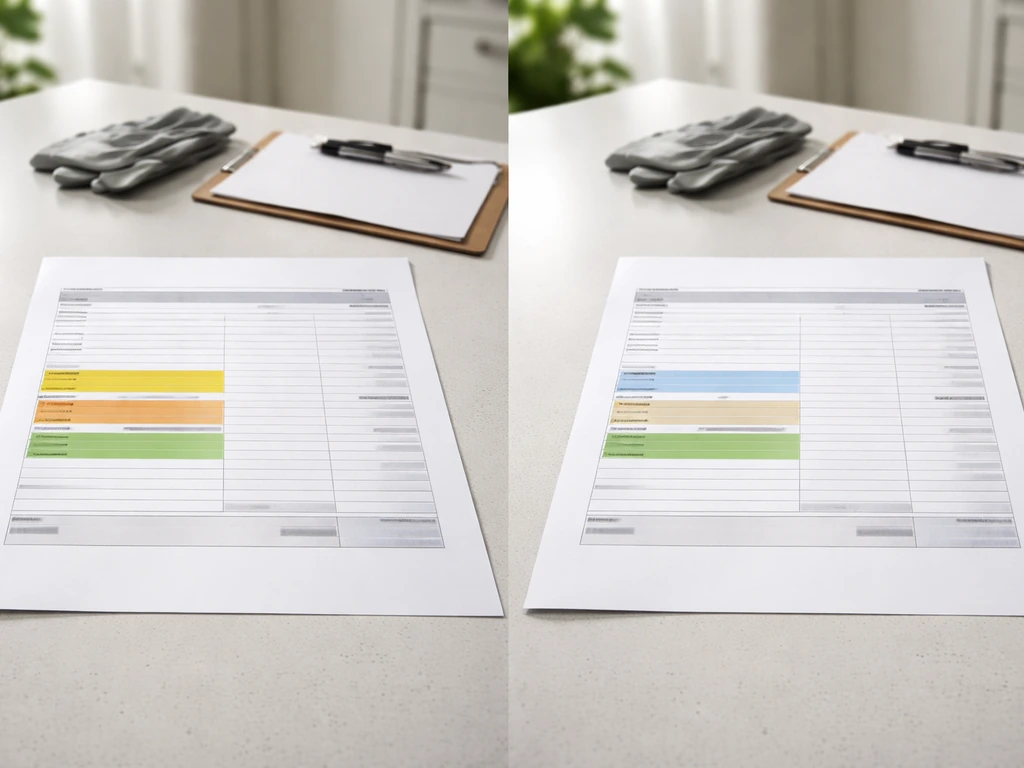
Tampa homeowners frequently report wide bid ranges on similar projects, and the gap is almost always scope, not contractor quality. To make bids comparable, give every contractor the same written project description: pool size and finish, deck material and square footage, screen enclosure style and screen grade, any add-ons like lighting or outdoor kitchen. Ask each bidder to line-item the estimate by category. When you get the bids back, compare line by line. If one bid is significantly lower, ask specifically which line items are different before assuming it's a better deal.
You can use the City of Tampa's Permit Application Guide for Residential In-Ground Pools as a reference checklist for what should be included in a compliant pool project. If a contractor's bid is missing something the permit guide requires as a submittal, ask why. That question alone will tell you a lot about whether a contractor knows the local process well.
Cross-checking the reviews you've read
After your first call with a contractor, go back and re-read their reviews with the specific things they told you in mind. If a contractor said 'we always pull permits before starting,' but two reviews from the past year mention delays caused by permit issues, you have a discrepancy worth following up on. Similarly, if a contractor mentioned a 16-week build timeline, look for review timelines to see if that matches what past customers actually experienced. Reviews become much more useful once you have a specific contractor's claims to compare against.
If you're also researching broader contractor categories, the same review-reading framework applies to firms focused on patios and driveways, Pacific Northwest or national pool-and-patio brands, and precision-focused pool/patio design-build outfits. If you’re looking for Patio Pools or similar local builders, reading patios pools driveways inc reviews can help you spot consistent strengths and avoid common red flags. The core signals (recency, photo proof, permit patterns, change-order transparency, post-install responsiveness) are consistent regardless of the specific company name or region. Tampa has its own permit requirements and licensing rules, so always ground your final verification in local sources, but the review-reading discipline travels anywhere.
FAQ
How can I tell from “Tampa reviews” whether a contractor is doing design/build versus “enclose and finish” work only?
Look for whether the reviewer mentions excavation, plumbing, and electrical in the same job timeline. If the review only discusses cage work, pavers, or re-screening after an existing pool, it is usually an enclosure and hardscape specialty firm, not a full pool design/build contractor.
Are older “patio pools Tampa reviews” still useful if the business has been around for years?
They can be useful for baseline reputation, but you should treat anything older than the last 12 months as context, not evidence. Focus on recent reviews that mention current project managers, crews, and post-install support, since ownership or staffing changes are common after years in business.
What specific details should I require in bids so the quotes become truly apples-to-apples?
Request square footage and exact material lists for deck and enclosure, screen type or mesh grade, coping style, heater and equipment model (if included), plus allowance amounts. Also ask them to quote permitting and inspection coordination as a line item, so a “cheap” bid is not just skipping required submittals.
If a review complains about change orders, what wording should I watch for in my contract?
Watch for any pricing or scope updates that are described as “verbal only” or “approved in the field” without a written signed change order. A solid contract should define when changes are offered, what must be signed, and how schedule impacts are handled.
What should I do if a contractor tells me permits are “not required” for an enclosure or patio upgrade?
Do not proceed. Instead, ask them to list the exact permit type(s) they expect to file for your scope (pool versus screen enclosure versus patio modifications) and confirm who submits them. If they cannot clearly explain the local permit path, that is a serious compliance risk.
How can I verify warranty claims beyond “lifetime warranty” language in sales discussions?
Ask for the warranty document before signing and confirm what is actually covered (materials versus labor, exclusions, and transferability). Also ask who provides warranty service and the expected response time, since some companies treat warranty support as a separate process after installation.
If a contractor’s bid is much lower than the others, what is the fastest way to find the reason?
Send a short written comparison request asking them to identify which line items differ, not just “why it is cheaper.” Common causes include different screen mesh, different paver thickness or base prep, missing equipment, or reduced scope that would still require additional work later.
How should I interpret a review that mentions “delays” but does not mention permits?
Delays can still be tied to the permitting and inspection schedule, but the real question is what blocked progress. Ask the contractor how they track permitting timelines and inspections, and request a sample schedule with milestones. Then compare that against whether recent reviews mention schedule slips and whether those slips were communicated.
What is the best way to evaluate “post-install responsiveness” using reviews?
Prioritize reviews that describe specific aftercare events, such as punch-list completion, equipment troubleshooting, or warranty work, and mention how long it took to respond. General praise like “great company” is less useful than concrete timelines and follow-through details.
What should I ask about material substitutions if reviews mention specs not matching the contract?
Ask whether they will request your written approval before any substitution and whether substituted materials must match or exceed the original spec. Also ask them to document the final material brand and model in a closeout packet, so you have proof if a dispute arises later.
Next Articles
Pacific Pools and Patios Reviews: How to Verify Trustworthiness
Pacific pools and patios reviews guide: verify trust with workmanship, timelines, permits, warranty, and red flags.
Patios Pools Driveways Inc Reviews: How to Vet the Contractor
Use patio, pool and driveway reviews to vet Patios Pools and Driveways Inc, spot red flags, and confirm with permits, in
Patio Pools Inc Reviews: Checklist to Decide Hire or Walk Away
Use Patio Pools Inc reviews to spot red flags, verify scope and credentials, compare contractors, and decide hire or wal