
Battlefield Custom Decks and Patios is a Northern Virginia contractor based at 8311 Tenbrook Dr, Gainesville, VA 20155 (phone: (571) 568-6930), with a strong public review presence: 199+ Google reviews at a 4.9-star average and 181 reviews at a perfect 5.0 on Top-Rated.Online. Those numbers are genuinely impressive, but your job before signing anything is to get past the badge and read what actual customers said about materials, timelines, drainage, and what happened when something went wrong. This guide walks you through exactly how to do that.
Battlefield Custom Decks and Patios Reviews: How to Judge Them

Maren Lawson
7 May 2026
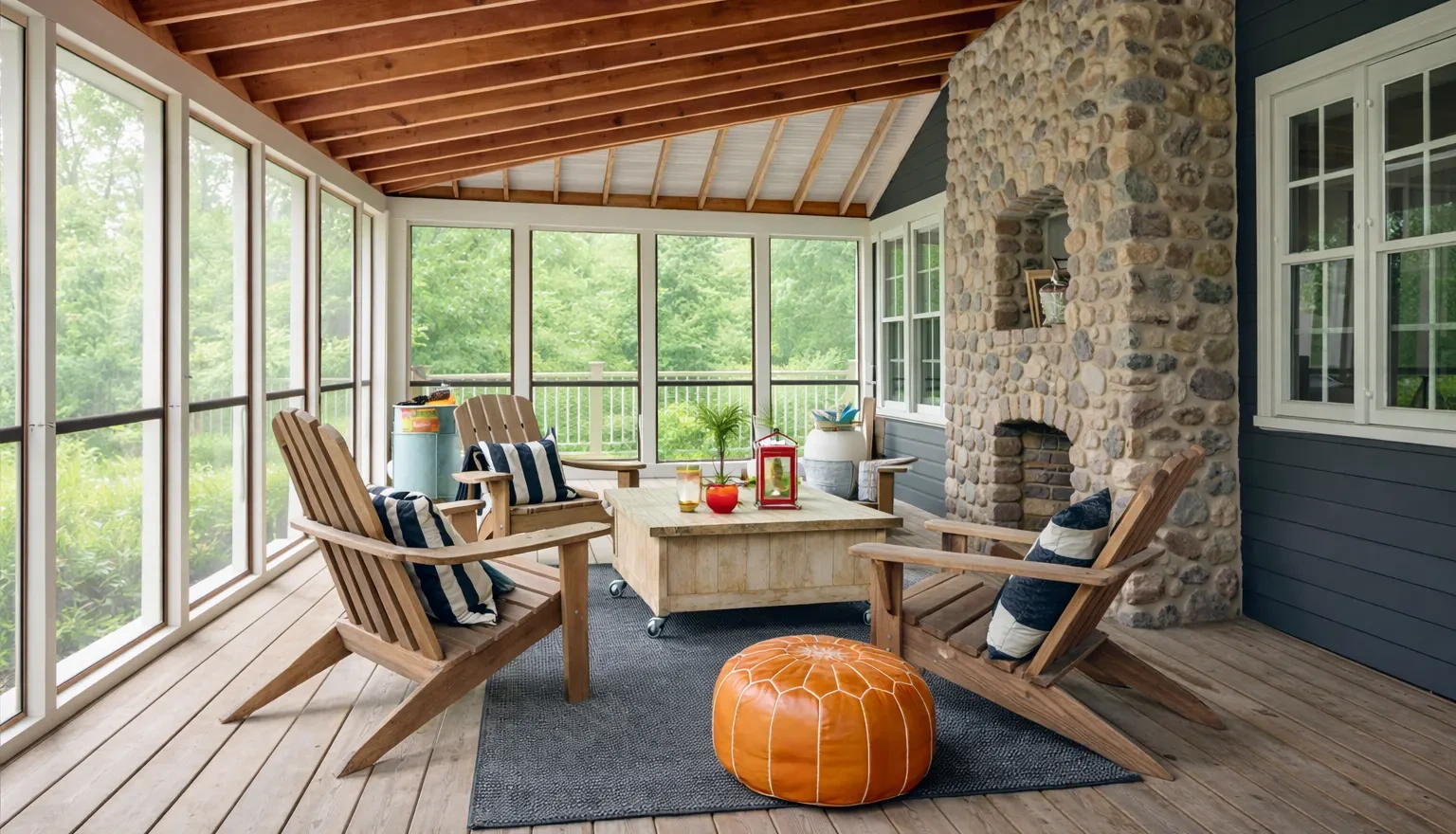
Find the Right Battlefield Listing Before You Read Anything
This step matters more than it sounds. The company appears under at least two name variations online: "Battlefield Custom Decks and Patios LLC" and "Battlefield Decks and Patios." BuildZoom, for example, carries separate contractor profiles for each variation, which means reviews can be split across listings. If you're reading reviews on this site or anywhere else, confirm you're looking at the right entity before drawing conclusions.
The verified legal name registered with Loudoun County is BATTLEFIELD CUSTOM DECKS AND PATIOS LLC, trade name BATTLEFIELD CUSTOM DECKS AND PATIOS, address 8311 Tenbrook Dr, Gainesville, VA 20155. Use that address and that exact legal name to cross-check any listing you find. If an aggregator page shows a different address or a slightly different name, check whether it's pointing to the same company or a different contractor entirely before trusting the rating.
- Search this site for "Battlefield Custom Decks and Patios" and confirm the Gainesville, VA 20155 address appears on the listing.
- Cross-reference with Google Maps using the phone number (571) 568-6930 to confirm you're on the right profile.
- On BuildZoom, check both name variants and note which one has the fuller permit history.
- On MapQuest, Yelp, and Top-Rated.Online, verify the address matches 8311 Tenbrook Dr before reading any review content.
- If the address or license number doesn't match, set that listing aside and stick to the confirmed profile.
How to Read Deck and Patio Reviews for Real Signals, Not Hype

A 4.9-star average from 199 reviews sounds airtight, but averages hide a lot. The most useful information is usually buried in the middle-tier reviews (3 and 4 stars) and in the negative ones, not in the glowing five-star posts that say "amazing work, highly recommend! Eastern Shore porch and patio reviews can help you compare contractors based on communication, drainage, and how issues are handled after installation deck and patio reviews. " Here's how to actually extract useful signals from a review set.
First, filter for reviews that describe a specific outcome. A review that says "the deck boards are composite Trex, installed with hidden fasteners, no gaps after 18 months" tells you something real. A review that says "beautiful work, great team" tells you almost nothing. You want project-specific language: materials named, timeline mentioned, problems acknowledged and resolved (or not).
Second, look for patterns across multiple reviews rather than judging a company on one bad experience or one glowing one. If four out of five negative reviews mention the same issue, like a project running three weeks late without communication, that's a pattern. If the same theme keeps appearing in positive reviews, like the crew cleaned up the site every evening, that's a real strength worth noting.
Third, read how the company responds to negative reviews. A contractor who replies to a critical review with specific facts ("we completed the permit inspection on X date, the issue was resolved within a week") is showing accountability. A contractor who gets defensive, dismissive, or attacks the reviewer's credibility is showing you exactly how they'll handle problems on your project.
- Look for reviews that name specific materials, finishes, or deck features
- Check for mentions of permits, inspections, and code compliance
- Note any recurring complaints, even if they're minor individually
- Read every response the company has posted to negative reviews
- Compare review dates to spot whether quality has changed over time
- Search for reviews from projects similar in size and scope to yours
Quality Checks That Actually Matter: Materials, Build, Drainage, and Finishes
For a deck or patio specifically, there are four quality areas where corners get cut most often. Look for direct reviewer comments in each of these categories before deciding whether the review set supports hiring this contractor.
Materials and Hardware
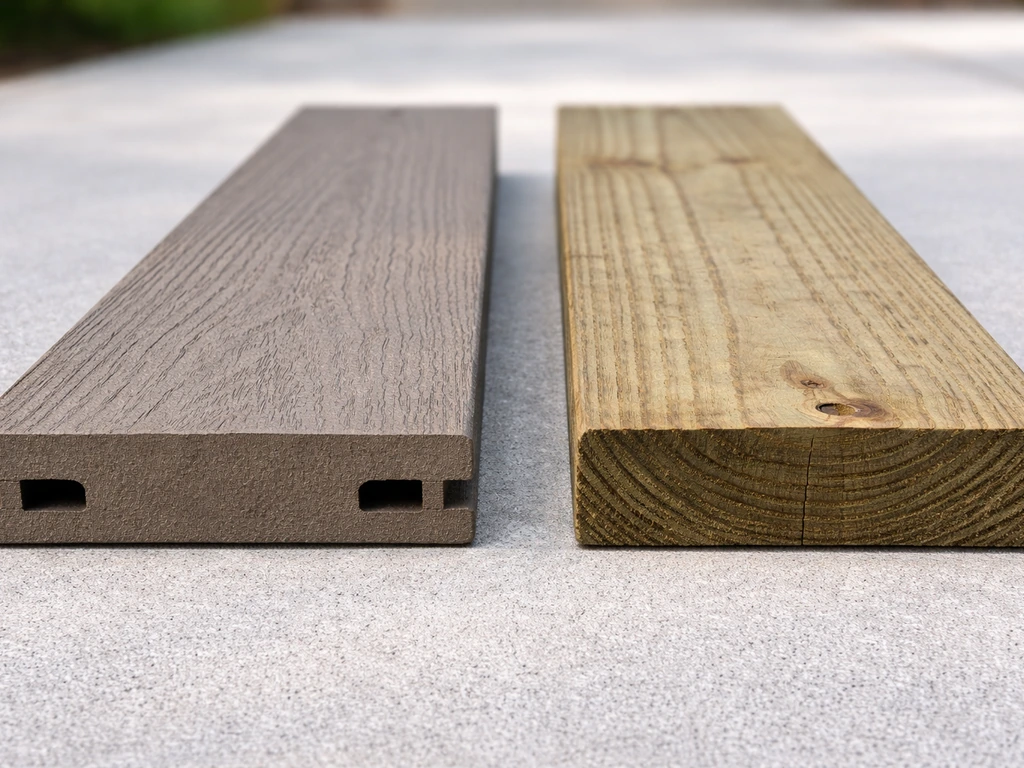
Reviews that mention specific decking products (composite brands like Trex, TimberTech, or Fiberon versus pressure-treated lumber) are more trustworthy than generic praise. Look for mentions of hidden fasteners, stainless steel hardware, or galvanized joist hangers. These details indicate the reviewer was paying attention and the crew wasn't cutting material costs where it counts.
Build Quality and Structural Workmanship
Check for reviews that mention how the deck feels and holds up over time, not just how it looked at install. Specific things to look for: levelness of the deck surface, tightness of railing posts (critical for safety), consistency of board spacing, and whether any boards have warped or shifted in the first season. A contractor doing quality work should also be pulling footings deep enough for the local frost line, which in Northern Virginia means at least 24 to 30 inches depending on the jurisdiction.
Drainage and Water Management
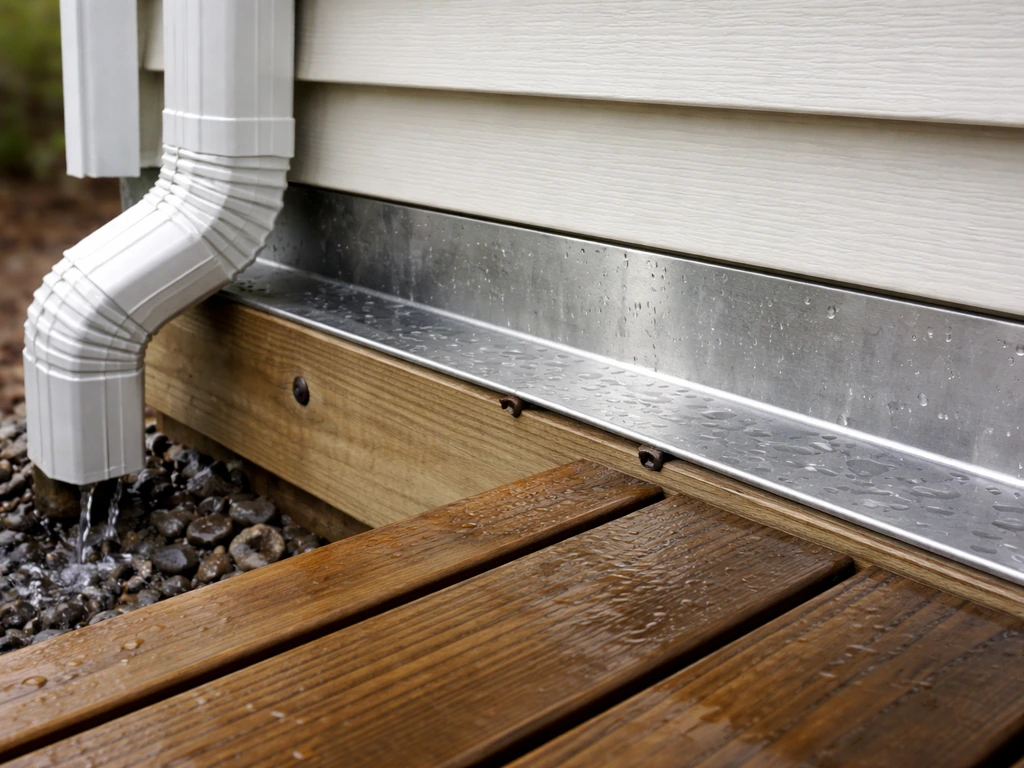
This is the one that homeowners almost never think to check in reviews, but it shows up in problems 12 to 24 months after install. A well-built deck or patio has a slight slope away from the house (typically 1/8 inch per foot minimum) so water doesn't pool against the ledger board or your foundation. For patios, look for reviews mentioning drainage channels, proper slope, or dry-below-deck drainage systems if it's a multi-level setup. Water management failures are expensive and slow to show up, so any reviewer who mentions drainage by name is giving you a gift.
Staining, Sealing, and Surface Finishes
If the project includes pressure-treated wood, staining and sealing are not optional extras. Look for reviews that mention whether the crew applied a sealant or stain, whether they prepped the surface first, and how the finish has held up after one or two winters. Composite decking sidesteps most of this, but paver patios and natural stone installations have their own finishing and sealing requirements. Reviews that describe fading, chalking, or uneven color within the first year are telling you the prep work was skipped.
Process and Reliability: Timelines, Communication, Permits, and Change Orders
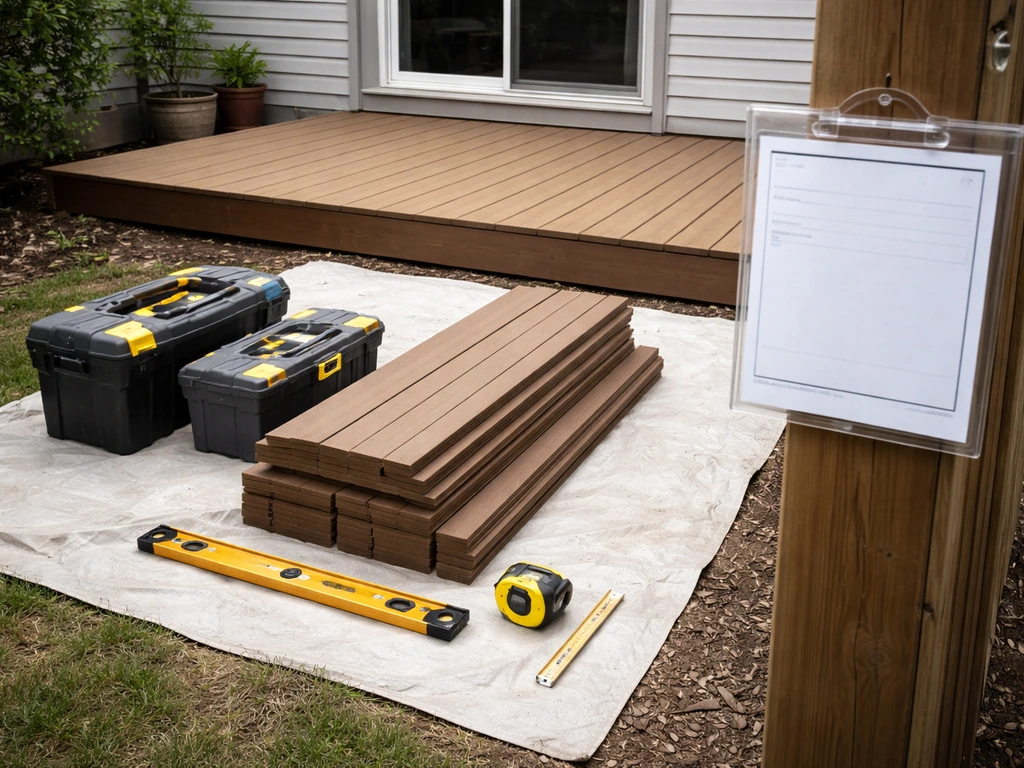
Beyond the physical product, how a contractor manages the project process is where a lot of homeowners get burned. These process issues show up clearly in reviews if you know what to look for.
Timelines
Look for reviews that give a start date and an end date, or at least describe how long the project took. A deck project in Northern Virginia typically takes one to three weeks of active construction, depending on size and complexity, but permitting can add two to six weeks before a single board goes down. Reviews that mention the contractor gave a realistic schedule upfront and stuck to it are a genuinely positive signal. Reviews that describe weeks of no-shows or unexplained delays after the deposit was paid are a warning.
Communication
Communication problems are the number one complaint across deck and patio reviews in any market. Look for mentions of how easy it was to reach someone, whether the project manager was on-site regularly, and whether the crew communicated about daily start times. A pattern of "hard to reach after the contract was signed" in multiple reviews is a serious red flag, even if the final product looked fine.
Permits and Code Compliance
Any deck over 30 inches above grade in Virginia requires a building permit. A contractor who tells you permitting is optional or tries to skip it is putting your home and your resale at risk. Look for reviews that mention permit pulls and inspections explicitly. Prince William County’s dedicated Decks page provides zoning administration guidance and lists deck permit and submission requirements under Building Plan Review blank" rel="noopener noreferrer">Prince William County’s dedicated Decks page for deck permit and submission requirements. You can also verify permit history directly through Gainesville's local jurisdiction (Prince William County) or on BuildZoom, which aggregates permit data. Prince William County also publishes a “Typical Deck Detail” PDF that references prescriptive Virginia Residential Code requirements and includes permit-related information Prince William County Typical Deck Detail Version 2. This is not a detail to take on faith.
Change Orders
Change orders are normal, but the process around them matters. Look for reviews that mention how price changes were handled: were they documented in writing, communicated before work started, or just added to the final invoice? A review that says "they found a rotted ledger board, told us before removing it, showed us the issue, and gave us a written change order" is describing a professional process. In a Reddit discussion about deck safety, commenters specifically caution about ledger attachment as a common failure point and warn against incorrect bolt patterns and unsuitable fasteners ledger board issues like incorrect bolt patterns and unsuitable fasteners. A review that says "the final bill was $4,000 more than the quote and we didn't find out until they were done" is describing a contractor you want to avoid.
Cost, Value, and How to Use Review Insights When Comparing Estimates
Don't use reviews as a price guide in isolation, but do use them to calibrate whether a given contractor's pricing aligns with the quality of work customers actually received. In Northern Virginia, a mid-range composite deck typically runs $35 to $65 per square foot installed, and a pressure-treated deck runs $25 to $45 per square foot, depending on complexity, railing type, and site conditions. Paver patios in the same region run $20 to $35 per square foot installed for standard patterns.
When reading reviews, look for reviewers who mention what they paid and what they got. A reviewer who says "paid $28,000 for a 500 sq ft composite deck with cable railings and a built-in bench, and everything was done exactly as quoted" gives you a useful reference point. Aggregate those data points across multiple reviews to get a realistic sense of where this contractor sits on the price-quality spectrum.
Always get at least three estimates for any project over $10,000. Use the review data here to shortlist two or three contractors in the Northern Virginia area, then bring those estimates to the table with line-item breakdowns. If you want a fast starting point, you can also look up all pro decks and patios reviews to compare what customers consistently praise or complain about Use the review data here to shortlist two or three contractors in the Northern Virginia area. If Battlefield's estimate is higher, the review record can help you judge whether the premium is justified. If it's significantly lower than comparable contractors, ask specifically what materials and specs are included before assuming it's a deal.
Questions to Ask Before Hiring, and What to Verify
Before you sign a contract with any deck or patio contractor, go through this checklist. These aren't hypothetical questions. These are the exact gaps that show up most often in negative reviews from homeowners who wish they'd asked earlier.
| What to Verify | How to Verify It | Why It Matters |
|---|---|---|
| Contractor's license | Virginia DPOR contractor license lookup by business name or license number | Unlicensed work voids your homeowner's insurance coverage for related claims |
| General liability insurance | Ask for a certificate of insurance naming you as additional insured | Covers damage to your property during construction |
| Workers' compensation insurance | Request the COI directly, don't accept verbal assurance | Protects you from liability if a crew member is injured on your property |
| Permit responsibility | Confirm in writing who pulls the permit and whose license it's pulled under | Permits pulled under the wrong license create legal exposure |
| Warranty terms | Get the workmanship warranty in writing: duration, what's covered, who to contact | Verbal warranties are unenforceable; written terms clarify scope |
| Subcontractor use | Ask if any portion of the work is subcontracted and to whom | Review responsibility can shift if subs are doing the structural work |
| Payment schedule | Confirm the structure: deposit, milestone payments, and final payment on completion | Paying more than 30-40% upfront before work starts is a risk signal |
A few specific questions worth asking Battlefield (or any deck contractor) directly: Can you give me the permit numbers from two or three recent comparable projects so I can verify the inspections passed? Who is the project lead on my job, and how often will they be on-site? What happens if you discover a site issue like ledger rot or bad footings after demo starts? Walk me through your change-order process. These questions aren't adversarial. A confident, reputable contractor will answer them without hesitation.
Red Flags to Watch For, and How to Decide Whether to Move Forward
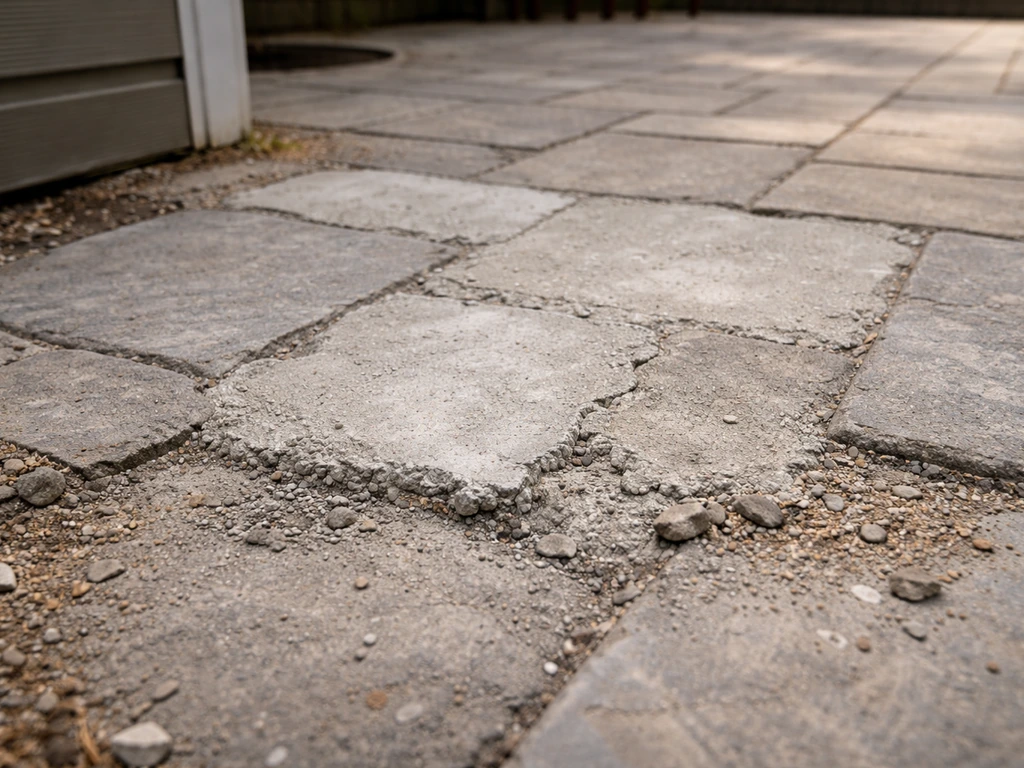
The fact that Battlefield Custom Decks and Patios carries 199+ Google reviews at 4.9 stars is a meaningful data point. That volume is hard to fake and hard to sustain without consistently delivering good work. But no contractor is perfect, and the review record is your best tool for understanding where the exceptions happened and how they were handled.
Red Flags in Reviews
- Multiple reviews mentioning the same issue (delays, cleanup, unapproved changes) within the same 12-month window
- Reviews where the company disputes customer facts aggressively rather than resolving the issue
- No reviews mentioning permits or inspections at all, across dozens of posts
- A sudden cluster of five-star reviews with no detail, especially after a period of negative ones
- Reviewers mentioning they had to chase the contractor for weeks after punch-list items were identified
Red Flags in the Sales and Quoting Process
- Pressure to sign a contract the same day as the estimate appointment
- A quote that doesn't break out materials, labor, and permit costs separately
- Resistance to providing a written workmanship warranty before signing
- A request for more than 40-50% upfront before any materials are delivered
- Inability or unwillingness to provide a current certificate of insurance on request
When to Move Forward
Move forward when the verified review record shows consistent quality across project types similar to yours, the negative reviews are isolated rather than patterned, the company responds to problems professionally, the estimate is detailed and itemized, and your credential checks (license, insurance, permits) all come back clean. For a company with Battlefield's review volume and rating, the bar for "move forward" is achievable. Do the verification work, ask the specific questions above, get the warranty in writing, and you'll be in a much better position than most homeowners who skip straight to signing.
If you're still comparing options in Northern Virginia, it's worth reading verified review profiles for other regional deck and patio contractors to understand how this company stacks up on specific factors like communication, timeline reliability, and post-project responsiveness. If you are still comparing options in Northern Virginia, look at cap city decks and patios reviews as a related point for how other deck and patio contractors handle communication and timelines. The right choice isn't just the highest-rated contractor. It's the one whose strengths match the specific priorities of your project.
FAQ
How can I tell if a review is about the same “Battlefield” company or a different contractor on a similar name?
Use the address and legal name as your anchor, then confirm the project location in the review text. If a review mentions a different service area, a different mailing address, or no overlap with the Gainesville address, treat it as suspect, even if the star rating matches.
What is the best way to interpret 1- and 2-star reviews without getting misled by one extreme case?
Look for repeatable details, not just frustration. Check whether multiple low-star reviewers mention the same sequence (permit issues, drainage failure, missed milestones, unfinished cleanup, or change-order surprises). If only one review tells a unique story with no echoes, it is less predictive than repeated themes.
Should I trust reviews that only talk about appearance, like “beautiful” or “looks great”?
Not as a primary signal. Appearance-only feedback often lacks key specs (deck system type, fastening method, railing hardware, drainage/slope). Prioritize reviews that name materials, reference tolerances (levelness, board spacing), or describe what happened after a freeze-thaw season.
What specific deck measurements or issues should I look for in reviews to judge build quality?
Search for mentions of level surface, consistent spacing, railing post tightness, and whether boards warped or shifted in the first winter. Also look for references to proper footings depth, and whether reviewers complain about wobble, bounce, or movement after install.
For patio drainage, what should I expect to see in a good review versus a warning review?
Good reviews typically mention slope away from the house, drainage channels, or dry-below-deck drainage if relevant, and they report staying dry or no pooling after storms. Warning reviews often describe recurring puddles, basement or foundation wetness, or standing water that starts months later.
How do I use review language to tell whether they likely followed proper frost-depth footing practices?
In negative or corrective reviews, homeowners often describe settling, shifting, or gaps that appear after freeze-thaw cycles. If you see those terms plus delayed fixes, treat it as a practical red flag. If positive reviews repeatedly mention stable footing or no movement after winter, it supports the footing claim even if the reviewer did not quote depth.
If they say they installed composite decking, what should I verify in reviews to avoid hidden fastener or board-installer problems?
Look for references to hidden fasteners, proper hardware (often stainless or corrosion-resistant), and whether spacing stayed consistent. Also check if reviewers mention squeaking, loose boards, or uneven surfaces after installation, since those can indicate installation method issues.
How can I tell whether a deck contractor is actually handling permits and inspections, not just saying they did?
Prefer reviews that include permit references, inspection pass outcomes, or specific inspection dates. Then ask your contractor for permit numbers from at least a couple comparable projects and verify the status through the local jurisdiction or permit aggregator data.
What should I ask about change orders that specifically prevents invoice surprises?
Ask them to explain what triggers a change order, who approves it, and how it is documented before work starts (written change order, updated price, and scope). Also ask for a policy on discovery issues after demo, like rotted ledger boards or substructure defects, so you know the decision timeline.
Do review patterns help more for timeline reliability than for build quality?
Often yes. Timeline issues tend to cluster in multiple reviews, such as repeated no-shows, long idle periods after the deposit, or missed milestones. Build quality may vary by crew and material lot, so a single bad workmanship review is less conclusive than several reviews describing consistent process problems.
Should I request proof of insurance and licensing even if the reviews are excellent?
Yes. Reviews assess past customer experiences, not current compliance. Ask for current insurance certificates (general liability and workers’ comp if applicable), contractor license details if required in your area, and any warranty terms specific to installation and materials.
What if Battlefield is highly rated overall, but my project is more complex than typical deck builds?
Adjust your review filter to your exact scope, such as multi-level drainage, paver patios, railings (especially cable or glass), built-in seating, or stone work. If reviews do not mention your complexity, request comparable photos and references for similar projects, not just general deck or patio jobs.
How should I use price references from reviews without treating them as a quote substitute?
Use review pricing as a calibration tool only. Compare apples to apples by identifying the reported square footage, railing type, material (composite vs pressure-treated), and included features (stairs, benches, lighting). If one quote seems much lower, ask what is excluded (surface prep, drainage, permits, rail systems, or underlayment).
Next Articles

Ohio Custom Pool and Patio Reviews: How to Compare Contractors
Learn how to trust Ohio custom pool and patio reviews, spot red flags, shortlist pros, and request accurate bids.
Oklahoma Pool and Patio Reviews: How to Choose a Contractor
Use verified Oklahoma pool and patio reviews to vet contractors, spot red flags, and choose by workmanship, communicatio
BMR Pool and Patio Reviews: How to Choose the Right Contractor
BMR pool and patio reviews guide: compare ratings, spot red flags, verify licensing, and shortlist the right contractor.